 EN
EN
When parents and procurement professionals evaluate baby books, the question of safety goes far beyond soft corners and rounded edges. The materials that make up a baby book — particularly the inks printed on its pages and the substrates that small hands touch and mouths explore — must meet rigorous international standards. Understanding which certifications apply to eco-friendly inks and food-grade contact materials is not just a regulatory formality; it is the foundation of responsible product development for the infant and toddler market.
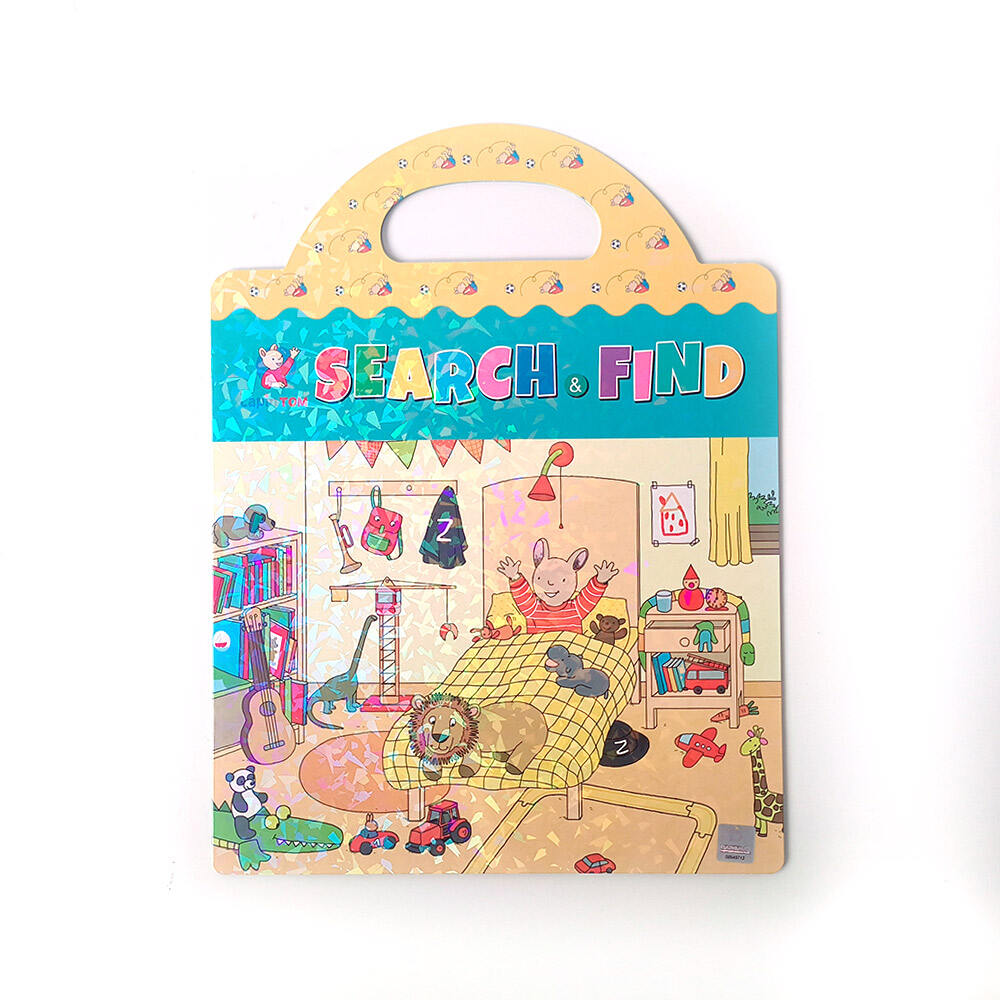
Baby books occupy a unique regulatory space. Unlike adult publications, they are classified as children's products and, in many jurisdictions, are treated with the same scrutiny applied to toys. The inks, coatings, adhesives, and board materials used in their production must all be evaluated for chemical safety, migration limits, and environmental impact. This article breaks down the specific certifications that govern eco-friendly inks and food-grade contact materials in baby book manufacturing, helping brands, publishers, and sourcing teams make informed, compliant decisions.
Why Certification Matters for Baby Book Materials
The Regulatory Logic Behind Infant Product Safety
Infants and toddlers interact with books in ways that adults do not. Chewing, licking, and prolonged skin contact are normal behaviors for children under three, which means that any chemical present in the ink or board material has a realistic pathway into the child's body. Regulatory bodies in the EU, US, and other major markets have responded by establishing strict limits on heavy metals, volatile organic compounds, and other hazardous substances in products intended for this age group.
Eco-friendly inks and food-grade contact materials are specifically formulated to address these risks. However, claiming that a product uses such materials is meaningless without third-party certification to verify the claim. Certification provides an auditable, standardized proof point that the materials meet defined safety thresholds — not just the manufacturer's own assertions.
For brands selling into regulated markets, certification is also a commercial necessity. Retailers, distributors, and import authorities routinely require documentation before allowing products onto shelves or through customs. A baby book that cannot demonstrate certified eco-friendly inks and food-grade contact materials will face rejection at multiple points in the supply chain.
How Certification Protects Brand Integrity
Beyond regulatory compliance, certification serves a brand trust function. Parents purchasing baby books are among the most safety-conscious consumer segments. A visible certification mark — whether EN71, ASTM F963, or a food-contact standard — communicates that the brand has invested in independent verification rather than relying on self-declaration.
This trust signal is particularly important for eco-friendly inks and food-grade contact materials because these terms are frequently misused in marketing. Certification cuts through greenwashing by anchoring claims to measurable, testable criteria. Brands that can point to specific certifications for their materials are better positioned to defend their products against scrutiny from regulators, journalists, and informed consumers.
Key Certifications for Eco-Friendly Inks in Baby Books
EN 71-3 and Heavy Metal Migration Limits
In the European Union, EN 71-3 is the primary standard governing the migration of chemical elements from toy materials, and it applies directly to baby books sold in the EU market. This standard sets strict limits on the migration of heavy metals including lead, cadmium, chromium, barium, antimony, arsenic, mercury, and selenium. Inks used in baby books must be tested to confirm that these elements do not migrate beyond the permitted thresholds under simulated oral contact conditions.
Eco-friendly inks and food-grade contact materials that comply with EN 71-3 are formulated without pigments or driers that contain restricted heavy metals. Water-based ink systems and vegetable-oil-based inks are commonly used to achieve compliance, as they inherently avoid many of the problematic compounds found in conventional solvent-based inks. Manufacturers seeking EU market access must obtain EN 71-3 test reports from accredited laboratories as part of their CE marking documentation.
It is worth noting that EN 71-3 was significantly revised to align with EU Toy Safety Directive 2009/48/EC, introducing three migration categories based on material type. Baby book boards and coated surfaces fall into specific categories that determine which migration limits apply, making it essential to test the actual finished material rather than relying on ink supplier data sheets alone.
ASTM F963 for the US Market
In the United States, ASTM F963 is the Consumer Product Safety Improvement Act (CPSIA)-referenced standard for toy safety, and it governs the chemical content of materials used in children's products including baby books. Section 4.3.5 of ASTM F963 addresses surface coating materials and sets limits on soluble heavy metals that mirror the intent of EN 71-3, though with some differences in methodology and thresholds.
For eco-friendly inks and food-grade contact materials used in US-market baby books, ASTM F963 compliance must be demonstrated through a Children's Product Certificate (CPC) issued by the manufacturer or importer, supported by third-party test reports from a CPSC-accepted laboratory. The CPSIA also imposes a 100 ppm total lead content limit on substrate materials, which affects the board stock used in board books as well as the inks printed on them.
Brands manufacturing baby books for the US market must ensure that their eco-friendly inks and food-grade contact materials have been tested under ASTM F963 protocols, not just under European standards. While there is significant overlap, the two frameworks are not identical, and a product certified under EN 71 alone may not automatically satisfy CPSIA requirements.
EuPIA and Printing Ink Safety Guidelines
The European Printing Ink Association (EuPIA) publishes the Exclusion List and the Guideline on Printing Inks Applied to the Non-Food Contact Surface of Food Packaging Materials. While primarily aimed at food packaging, these guidelines are widely referenced by manufacturers of eco-friendly inks and food-grade contact materials for baby products because they provide a comprehensive framework for evaluating ink safety in contact-sensitive applications.
EuPIA-compliant inks exclude substances of very high concern (SVHCs) as defined under REACH, as well as substances listed under various EU food contact regulations. For baby book manufacturers, sourcing inks that comply with EuPIA guidelines provides an additional layer of assurance beyond toy safety standards, particularly for products where prolonged oral contact is anticipated.
Food-Grade Contact Material Certifications for Baby Book Substrates
EU Regulation 10/2011 on Plastic Food Contact Materials
EU Regulation 10/2011 establishes the framework for plastic materials and articles intended to come into contact with food. While baby books are not food packaging, the regulation is frequently applied to eco-friendly inks and food-grade contact materials used in infant products because it provides the most rigorous and well-defined migration testing methodology available for polymer-based materials.
Under this regulation, materials must demonstrate that they do not transfer substances to food simulants in quantities that could endanger human health or cause unacceptable changes in the composition of the food. For baby book applications, manufacturers use food simulants that mimic saliva to test whether coatings, laminates, and inks release harmful substances under oral contact conditions. Compliance with EU Regulation 10/2011 is a strong signal that eco-friendly inks and food-grade contact materials have been evaluated against the most demanding migration criteria.
Declarations of Compliance (DoC) under EU Regulation 10/2011 must be supported by test documentation and must be updated whenever there is a change in material composition or processing conditions. For baby book manufacturers, this means maintaining a living compliance file that tracks material changes throughout the product lifecycle.
FDA 21 CFR for US Food Contact Compliance
In the United States, the Food and Drug Administration regulates food contact materials under Title 21 of the Code of Federal Regulations (21 CFR). Specific sections, including 21 CFR 175 through 178, cover indirect food additives including adhesives, coatings, and paper and paperboard components. Manufacturers of eco-friendly inks and food-grade contact materials who wish to demonstrate food-contact safety for the US market typically reference these sections in their compliance documentation.
For baby book applications, 21 CFR compliance is particularly relevant for the board stock, coatings, and any laminate films used in construction. Ink suppliers who formulate products for food-contact or infant-contact applications will typically provide letters of compliance referencing the applicable 21 CFR sections, confirming that their formulations contain only substances permitted under those regulations.
It is important to understand that 21 CFR compliance for eco-friendly inks and food-grade contact materials is a self-affirmed standard in many cases — the FDA does not pre-approve most food contact materials. This makes third-party testing and supplier documentation even more critical for brands that need to demonstrate due diligence to retailers or in the event of a product safety inquiry.
REACH and RoHS Compliance for Chemical Safety
The EU's REACH regulation (Registration, Evaluation, Authorisation and Restriction of Chemicals) imposes obligations on manufacturers and importers to identify and manage the risks posed by chemical substances. For eco-friendly inks and food-grade contact materials used in baby books, REACH compliance means ensuring that no Substances of Very High Concern (SVHCs) are present above 0.1% by weight in any article.
REACH compliance is not a single certification but rather an ongoing obligation that requires supply chain transparency. Ink and material suppliers must provide REACH declarations confirming that their products do not contain restricted substances. For baby book manufacturers, assembling a complete REACH compliance file — covering inks, coatings, adhesives, and board materials — is a prerequisite for responsible sourcing of eco-friendly inks and food-grade contact materials.
While RoHS (Restriction of Hazardous Substances) is primarily associated with electrical and electronic equipment, its underlying principle of restricting heavy metals and hazardous substances is directly relevant to the ink and coating formulations used in baby books. Some manufacturers reference RoHS-aligned formulations as part of their broader commitment to eco-friendly inks and food-grade contact materials, particularly when selling into markets with heightened environmental awareness.
Eco-Label Certifications That Support Sustainability Claims
Nordic Swan Ecolabel and EU Ecolabel for Printed Products
For brands that want to substantiate environmental claims alongside safety claims, eco-label certifications provide a recognized framework. The Nordic Swan Ecolabel and the EU Ecolabel both include criteria for printed products that address the environmental profile of inks, coatings, and substrates. These certifications evaluate not only chemical safety but also the lifecycle impact of materials, including raw material sourcing, production processes, and end-of-life considerations.
Baby book manufacturers who source eco-friendly inks and food-grade contact materials from certified suppliers can use these eco-labels to communicate their environmental commitments to retailers and consumers. The criteria for these labels typically require the use of inks free from aromatic solvents, heavy metal pigments, and certain biocides — requirements that align closely with the safety standards discussed above.
Achieving an eco-label certification for a baby book product requires working with a certified printer and verifying that all input materials, including eco-friendly inks and food-grade contact materials, meet the label's substance restrictions. The certification process involves both documentation review and on-site auditing, providing a higher level of assurance than self-declaration.
FSC and PEFC Certification for Substrate Materials
While FSC (Forest Stewardship Council) and PEFC (Programme for the Endorsement of Forest Certification) certifications address the chain of custody for paper and board materials rather than chemical safety, they are an important component of a comprehensive sustainability certification strategy for baby books. These certifications confirm that the board stock used in baby book production comes from responsibly managed forests, supporting the overall eco-friendly positioning of the product.
When combined with certifications for eco-friendly inks and food-grade contact materials, FSC or PEFC certification allows brands to make a holistic sustainability claim that covers both the environmental and safety dimensions of their product. Many major retailers now require FSC or PEFC documentation as a baseline for listing children's books and educational materials.
FAQ
What is the most important certification for baby books sold in the EU?
For EU market access, CE marking under the Toy Safety Directive 2009/48/EC is the primary requirement, supported by EN 71-3 test reports confirming that eco-friendly inks and food-grade contact materials meet heavy metal migration limits. Without this documentation, baby books cannot legally be placed on the EU market.
Do eco-friendly inks automatically meet food-grade contact material standards?
Not automatically. Eco-friendly inks and food-grade contact materials are related but distinct categories. An ink can be formulated without harmful solvents and still contain substances that exceed food contact migration limits. Separate testing under EU Regulation 10/2011 or FDA 21 CFR is required to confirm food-grade compliance, regardless of the ink's environmental profile.
How often do certifications for baby book materials need to be renewed?
Certification validity depends on the specific standard and certifying body. EN 71 and ASTM F963 test reports are typically valid for a defined product formulation and must be repeated if materials change. Declarations of Compliance under EU Regulation 10/2011 must be updated whenever there is a change in material composition. Eco-label certifications such as the Nordic Swan are typically renewed on a multi-year cycle with periodic audits.
Can a baby book manufacturer rely on ink supplier certifications rather than testing the finished product?
Supplier certifications for eco-friendly inks and food-grade contact materials provide important supporting documentation, but they do not replace finished product testing. Migration behavior can change when inks are applied to specific substrates, cured under particular conditions, or combined with coatings and adhesives. Regulatory authorities and major retailers typically require test reports on the finished article, not just on individual input materials.
Table of Contents
- Why Certification Matters for Baby Book Materials
- Key Certifications for Eco-Friendly Inks in Baby Books
- Food-Grade Contact Material Certifications for Baby Book Substrates
- Eco-Label Certifications That Support Sustainability Claims
-
FAQ
- What is the most important certification for baby books sold in the EU?
- Do eco-friendly inks automatically meet food-grade contact material standards?
- How often do certifications for baby book materials need to be renewed?
- Can a baby book manufacturer rely on ink supplier certifications rather than testing the finished product?