 EN
EN

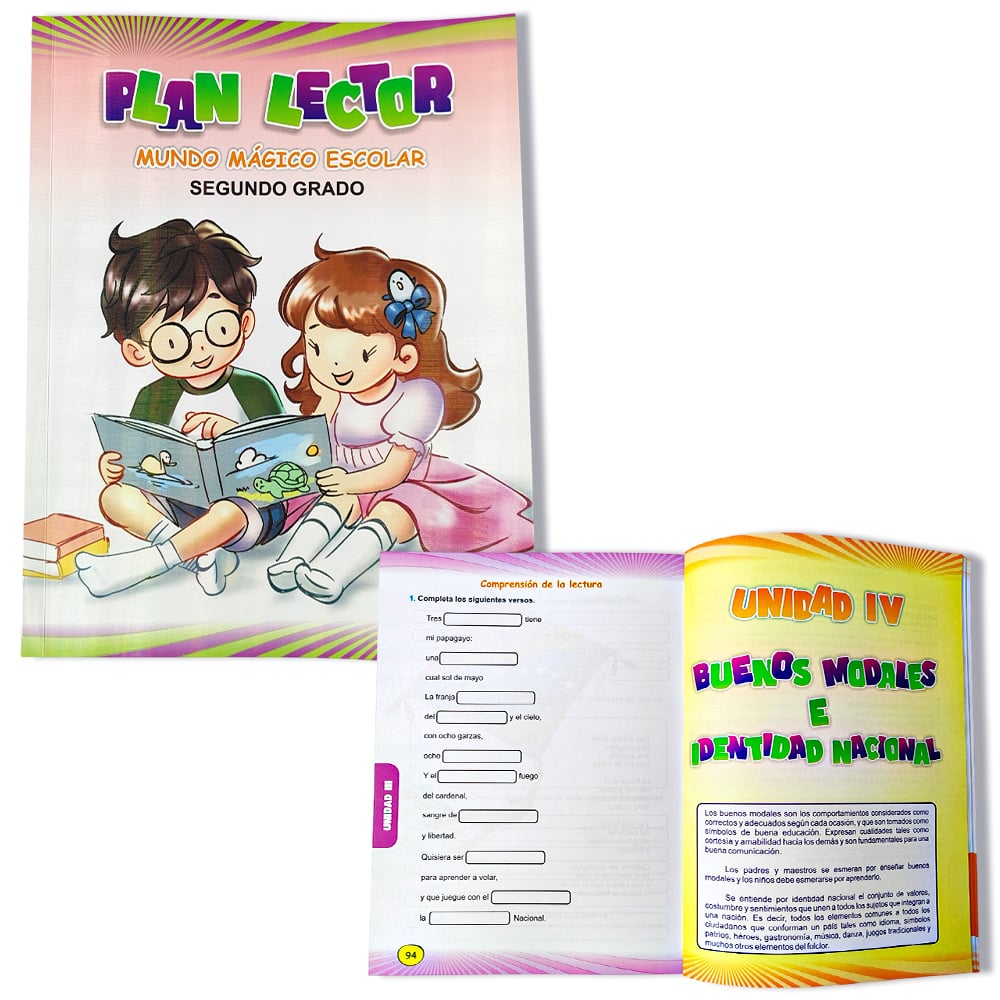
When designing products for the youngest readers, the physical demands placed on a touch book are unlike anything required of standard publishing formats. Infants and toddlers do not simply read — they mouth, grip, tug, twist, and test every object they encounter. A touch book placed in an infant's hands is immediately subjected to teeth, saliva, and the kind of concentrated pulling force that small but determined fingers can generate. Understanding which physical properties allow a touch book to survive this treatment is essential for parents, educators, and product developers alike.
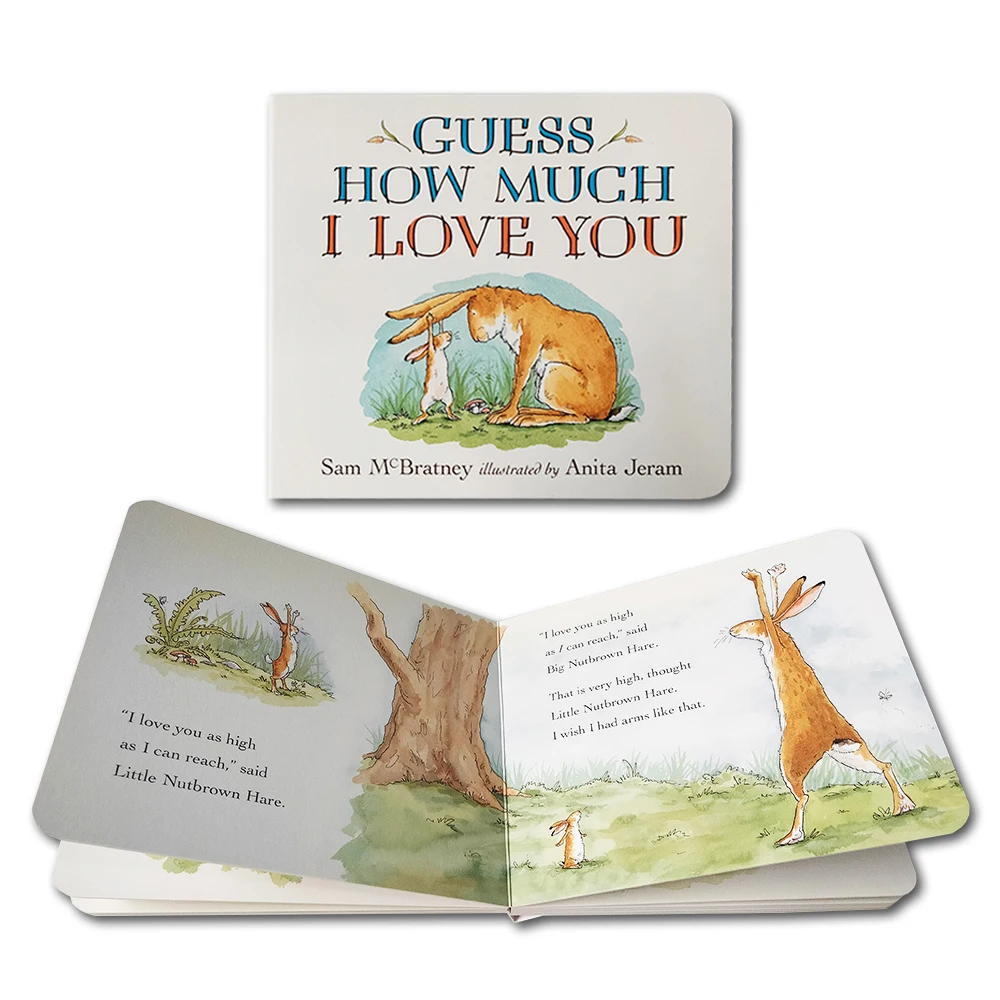
A well-engineered touch book must balance tactile stimulation with structural resilience. The sensory elements that make these books developmentally valuable — raised textures, fabric patches, crinkle inserts, and interactive flaps — are precisely the features most vulnerable to infant exploration. This article examines the core material, structural, and safety properties that a touch book must have in order to endure the realities of infant use without compromising safety or educational value.
Material Durability: The Foundation of Infant-Safe Design
Board Stock Thickness and Compression Resistance
The pages of any touch book intended for infant use must be constructed from heavy-gauge board stock, typically ranging from 2.5 mm to 4 mm in thickness. This level of density ensures that a page cannot be folded, creased, or torn by infant-strength manipulation. Thin paper pages have no place in infant product design because even slight moisture — from drool alone — can cause standard paper to soften and tear within minutes.
Compression resistance is equally important. When an infant bites down on the corner of a touch book page, the board must resist deformation. High-density greyboard or chipboard cores provide this resistance. The board must spring back after compression rather than permanently collapsing, which would create sharp edges or loose fiber particles. Sourcing board stock that meets children's product safety certifications — such as EN71 in Europe or ASTM F963 in North America — ensures baseline material safety standards are met.
Lamination and Surface Coating Properties
Surface lamination on a touch book performs two simultaneous functions: it protects the printed artwork from moisture damage, and it creates a physical barrier between ink compounds and the infant's mouth. Matte or gloss lamination films used on children's board books must be non-toxic and rated for incidental oral contact. A lamination thickness of at least 60 microns is generally considered the industry minimum for infant-facing products.
The lamination bond must also resist delamination under mechanical stress. If an infant manages to catch a fingernail or tooth under the edge of a poorly bonded laminate, peeling becomes a hazard — both because of the sharp edge it creates and because the detached film piece itself is a choking risk. Cold-press lamination with full-bleed coverage and rounded page corners significantly reduces this risk. Proper lamination on a touch book is not an aesthetic choice; it is a structural safety requirement.
Structural Integrity of Tactile and Interactive Elements
Secure Attachment of Textured Inserts
The defining feature of any touch book is the presence of tactile materials embedded within the pages. Common elements include soft fabric swatches, raised rubber bumps, foam-padded areas, flock coatings, and crinkle foil inserts. Each of these elements must be attached with an adhesive or stitching method robust enough to resist repeated pulling with significant force. Industry-grade, non-toxic adhesives that cure fully before product assembly are preferred over heat-applied options, which can lose bond strength under sustained biting pressure.
Testing the peel strength of each tactile element is a non-negotiable step in touch book development. A standard pull test for infant products typically applies a minimum of 90 Newtons of force to any attached component. If a textured piece detaches under this load, it represents a choking hazard for any child under 36 months. This means that every fabric patch, foam bump, and foil strip in a well-made touch book must pass this test before the product reaches the consumer market.
Binding Strength and Page Separation Resistance
The binding method used for a touch book is one of the most structurally critical decisions in its design. Saddle-stitched bindings, perfect-bound spines, and case-bound constructions all offer different profiles of flexibility and resistance. For infant products, case binding with a reinforced cloth spine offers the highest level of resistance to the pulling and twisting forces that toddlers characteristically apply when trying to separate pages or open a book beyond its natural range.
The glue used in the binding must remain flexible across a wide temperature range. Board books stored in cold conditions should not experience binding failure when handled by warm infant fingers. Conversely, a touch book left in a warm car should not have its pages loosen because the binding adhesive has softened. Polyvinyl acetate (PVA) adhesives with appropriate flexibility ratings are commonly used because they maintain bond strength across the temperature range typical for consumer environments.
Page-to-cover attachment must also receive special engineering attention. The first and last pages of a touch book experience the most mechanical stress because they are the pivot points for opening force. Reinforcing these joints with additional adhesive coverage or endpaper lamination reduces the likelihood of page separation, which is both a durability failure and a safety concern if exposed board edges result from the separation.
Ink, Print, and Coating Safety Under Oral Contact Conditions
Non-Toxic Ink and Printing Compound Requirements
Every component of a touch book must be evaluated not just for physical durability but for chemical safety under oral contact conditions. Printing inks used in children's books must be free from heavy metals including lead, cadmium, chromium, and mercury. Soy-based and water-based inks have largely replaced solvent-based formulations in compliant children's product manufacturing precisely because they offer a lower risk profile when a touch book is chewed or mouthed repeatedly.
Regulatory frameworks in most major markets require that total heavy metal migration from any surface accessible to a child under 36 months falls below defined thresholds. For a touch book manufacturer targeting international markets, compliance with EN71-3 (migration of certain elements) is typically required for European distribution, while ASTM F963 sets comparable standards for the United States market. Third-party testing by accredited laboratories is the accepted method for demonstrating compliance, and certificates of compliance should accompany every production run.
Odor-Free and Chemically Stable Adhesives
Infants are highly sensitive to chemical odors, and the adhesives used to assemble a touch book must be fully cured before packaging to eliminate any residual solvent odor. An off-gassing adhesive not only raises safety questions but also creates a negative sensory experience that can discourage a child from engaging with the book. Fully water-based adhesive systems that cure completely at room temperature offer both safety and sensory advantages for touch book production.
Chemical stability also means that adhesive formulations should not break down or migrate into adjacent materials over the expected product lifespan. A touch book that begins to develop sticky or tacky surface areas after six months of normal use is exhibiting adhesive migration — a failure mode that creates both a contamination risk and a surface that attracts dirt and debris. Specifying adhesives with appropriate shelf stability ratings for children's products prevents this failure mode from affecting the end user.
Corner, Edge, and Surface Safety Engineering
Rounded Corner Construction and Edge Finishing
Sharp corners are one of the most common causes of minor injury in infant product incidents involving board books and touch books. A properly engineered touch book uses die-cut rounded corners with a minimum radius that prevents the corner from acting as a point that can scratch or poke an infant's face or hands. A corner radius of at least 5 mm is a widely applied standard in the children's book industry, though some manufacturers use a 10 mm radius for products specifically marketed to the youngest age groups.
Edge finishing must also address the cut board edges visible on the pages themselves. Without proper finishing, board cut edges can expose fibrous or abrasive surface textures. Wrapping the cover in printed and laminated paper that folds over the board edges — a construction method common in premium board book manufacturing — creates a smooth, finished edge that is both safer and more durable. For a touch book in particular, where pages are handled constantly and repeatedly, this edge finishing directly extends the product's usable lifespan.
Surface Smoothness and Abrasion Resistance
The surface of a touch book must balance two competing requirements: textural interest for sensory stimulation and smoothness sufficient to prevent skin abrasion. Intentional textures — the kind created by flock printing, spot UV, or embossed foil — are controlled and designed with a specific tactile purpose. Unintentional surface roughness, caused by lamination bubbles, delamination, or board surface irregularities, represents a quality failure that can irritate infant skin.
Abrasion resistance testing confirms that the surface coating of a touch book will not degrade into powder or flakes under repeated rubbing. This is particularly relevant for raised texture elements that protrude from the page surface and are therefore subjected to concentrated abrasive contact when an infant rubs them vigorously. Materials that pass the Martindale abrasion test or equivalent standard for children's products are considered acceptable for use in tactile book construction.
Moisture Resistance and Hygienic Recoverability
Waterproofing and Wipe-Clean Surface Performance
A touch book used by infants will inevitably come into contact with saliva, food residue, and liquids from the surrounding environment. Moisture resistance is therefore not a luxury specification — it is a baseline functional requirement. The laminated surfaces of a well-constructed touch book should repel surface moisture and allow the book to be wiped clean with a damp cloth without causing delamination, color transfer, or structural softening of the board core.
Moisture resistance testing for infant touch book products typically involves exposing the surface to controlled quantities of water or artificial saliva and observing any dimensional change, delamination, color bleeding, or surface degradation over a defined period. Products that fail this test are prone to page warping, which not only ruins the book's functionality but also creates structural failure points that may produce sharp edges or loose material fragments.
Mold and Mildew Resistance Over Product Lifespan
A less commonly discussed but genuinely important property of a touch book intended for infant use is resistance to mold and mildew growth. Board books that absorb and retain moisture — particularly in the binding and spine area — create conditions favorable to mold growth. Any touch book stored in a humid nursery environment, or regularly wet from infant mouthing, must be constructed from materials that resist biological contamination.
Antimicrobial paper treatments and moisture-barrier coatings in the board core material are available from specialty suppliers for precisely this application. While these specifications add cost to the manufacturing process, they are justified in products that will be in daily contact with infants for whom immune systems are still developing. A touch book that maintains hygienic integrity throughout its service life protects both the child and the reputation of the product developer.
FAQ
What thickness of board is required for a touch book to resist infant biting?
For a touch book designed for infants, board page thickness of at least 2.5 mm is generally the minimum, with 3 mm to 4 mm preferred for products targeting the youngest age groups. This thickness provides adequate resistance to the compressive force of infant biting without deforming permanently or creating sharp edges. The board must also be constructed from non-toxic materials and fully encased in lamination to prevent fiber ingestion.
How are tactile elements in a touch book tested for safety?
Tactile elements in a touch book are typically subjected to mechanical pull tests that apply a minimum sustained force — commonly 90 Newtons for infant-facing products — to confirm that no component detaches under realistic use conditions. Elements that fail this test are considered choking hazards and must be redesigned or re-bonded before the product can be certified for sale to consumers with children under 36 months of age.
Does a touch book need to meet specific chemical safety standards?
Yes. Any touch book marketed for infant use must meet applicable chemical safety regulations, which typically include limits on heavy metal content in inks, restrictions on phthalates and bisphenol compounds in coatings, and migration limits for all surfaces accessible to the child. In practice, this means using certified non-toxic inks, water-based adhesives, and fully cured lamination films. Third-party laboratory testing is required to demonstrate compliance with standards such as EN71 and ASTM F963.
Can a touch book be made wipe-clean without compromising the tactile features?
Designing a touch book to be both wipe-clean and texturally rich is a genuine engineering challenge, but it is achievable. Tactile features such as raised foam, fabric patches, and embossed surfaces must be individually assessed for moisture tolerance. Many fabric inserts can be treated with a water-resistant finish without compromising their soft texture. The key is selecting materials for each tactile element that meet both the sensory design intent and the moisture resistance requirement, rather than treating moisture resistance as an afterthought applied only to the printed page surfaces.