 EN
EN

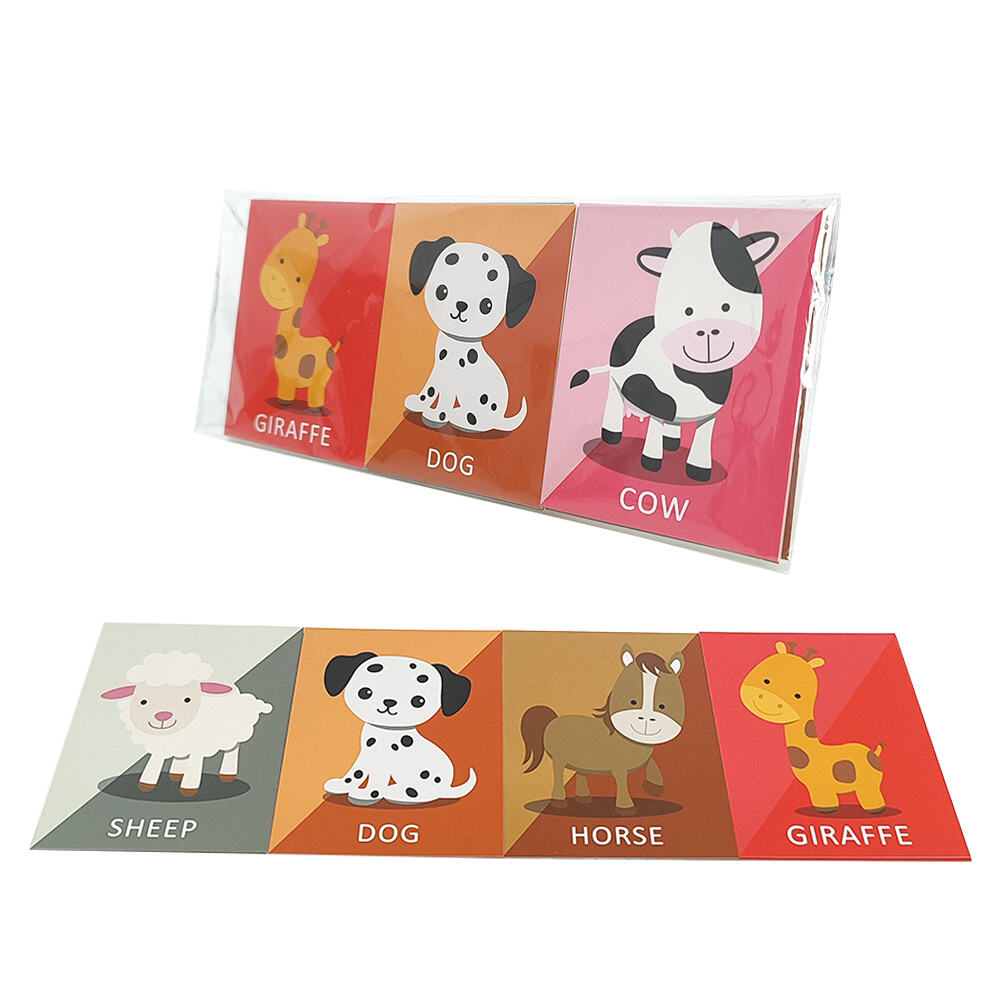
When educators, parents, and product developers invest in cognitive cards, durability is not a secondary concern — it is a core functional requirement. These cards are handled repeatedly by children and adults alike, passed between hands, wiped down after messy play sessions, and stored and retrieved dozens of times each week. Without the right combination of substrate materials and surface lamination, even the most beautifully designed cognitive cards will crack, peel, fade, or warp long before they have delivered their full educational value.
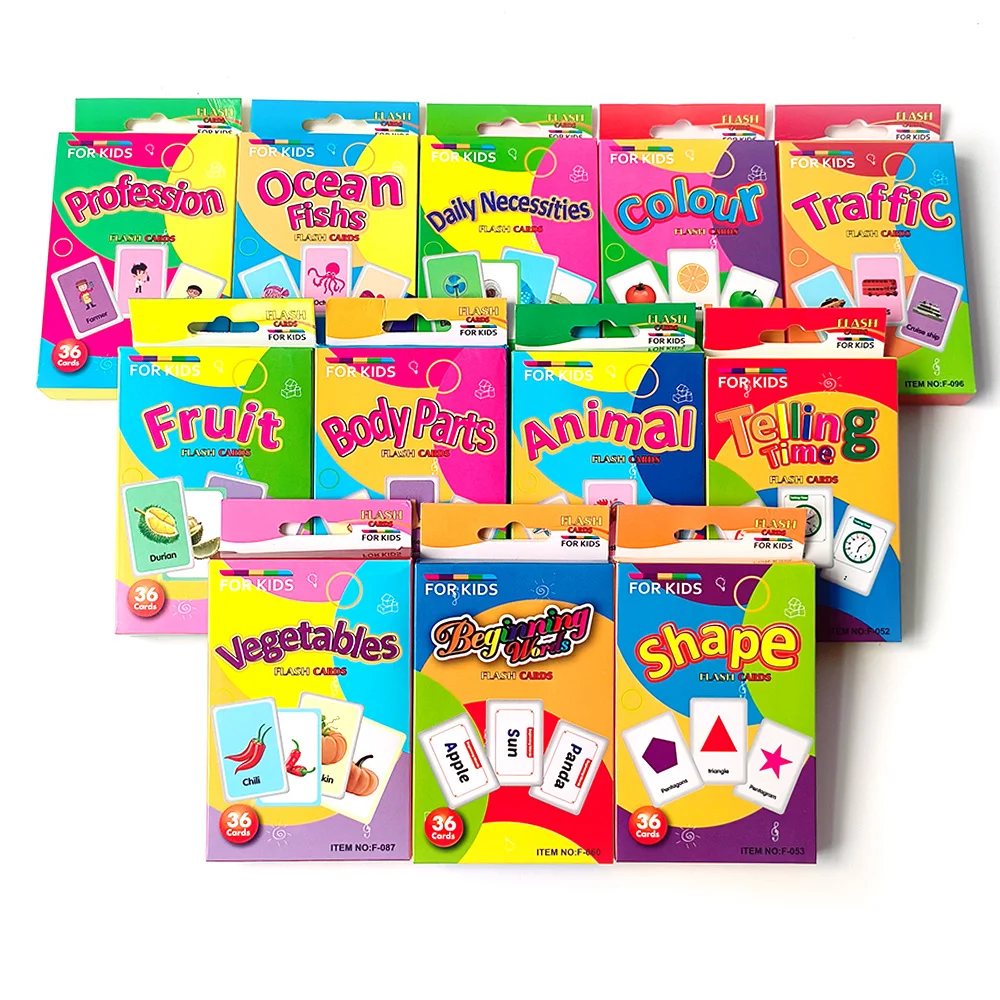
Understanding which materials and lamination processes genuinely extend the lifespan of cognitive cards requires looking beyond surface appearances. The choices made during production — from the core board stock to the outermost protective coating — determine how well a card resists abrasion, moisture, oils from fingertips, and the mechanical stress of constant handling. This article breaks down the material science and finishing techniques that make cognitive cards truly built to last in real-world educational and play environments.
Why Material Selection Is the Foundation of Durable Cognitive Cards
The Role of Core Board Stock in Structural Integrity
The substrate — the internal body of the card — is the single most important factor in determining how cognitive cards hold up under physical stress. Standard paper-based cards may look acceptable at first, but they absorb moisture quickly, causing warping and delamination after even light cleaning. For cognitive cards intended for frequent use, the preferred core materials are greyboard, black-core board, or solid bleached sulfate (SBS) board, each offering a different balance of rigidity, weight, and resistance to bending.
Greyboard, typically ranging from 1.5mm to 3mm in thickness, provides excellent rigidity and is widely used in premium cognitive cards designed for young children. Its dense fiber structure resists compression and bending, which means cards maintain their flat profile even after being repeatedly picked up, squeezed, and set down. Black-core board offers similar rigidity with the added benefit of opacity, preventing light bleed-through that can make printed images appear washed out on thinner substrates.
SBS board is a lighter alternative that still delivers meaningful stiffness and a clean white printing surface. It is often chosen when cognitive cards need to be lightweight for portability without sacrificing too much structural strength. The key principle is that a thicker, denser core directly translates to better resistance against the mechanical wear that comes from daily handling in classroom or home settings.
Printed Layer Adhesion and Its Impact on Longevity
Even the best core board will fail prematurely if the printed layer does not adhere properly. Cognitive cards rely on high-resolution printing to convey visual information — letters, numbers, animals, shapes — and any degradation of the printed surface undermines the card's educational function. Offset printing with UV-cured inks provides superior adhesion compared to standard water-based inks, creating a bond between the ink and substrate that resists flaking and fading under friction.
Digital printing technologies have also advanced significantly, and for shorter production runs of cognitive cards, UV digital printing offers comparable durability to offset methods. The critical factor in both cases is that the ink layer must be fully cured and bonded before any lamination or coating is applied. Incomplete curing leads to micro-delamination between the ink and the protective surface layer, which accelerates wear precisely in the areas that receive the most handling.
Lamination Processes That Protect Cognitive Cards from Friction and Cleaning
Matte vs. Gloss Lamination: Choosing the Right Surface for the Use Case
Lamination is the process of bonding a thin plastic film to the printed surface of cognitive cards, and it is the primary defense against abrasion, moisture, and surface contamination. The two most common options are matte lamination and gloss lamination, and the choice between them affects both the tactile experience and the practical durability of the finished card.
Gloss lamination creates a shiny, reflective surface that enhances color vibrancy and provides a hard, smooth barrier against fingerprints and light moisture. For cognitive cards used in environments where visual clarity is paramount — such as color recognition or image-matching activities — gloss lamination makes printed details pop and is easy to wipe clean with a damp cloth. However, gloss surfaces can show scratches more visibly over time, particularly when cards are stored loosely and slide against each other repeatedly.
Matte lamination produces a non-reflective, soft-touch surface that many educators and parents prefer for its premium feel. It is slightly more resistant to visible scratching because the textured surface diffuses light rather than reflecting it directly. Matte-laminated cognitive cards also tend to reduce glare under classroom lighting, making them easier for children to read in varied lighting conditions. The trade-off is that matte surfaces can absorb oils from hands more readily than gloss, so they may require more thorough cleaning over time.
Soft-Touch and Velvet Lamination for High-Frequency Handling
For cognitive cards that will be handled by very young children or used in therapeutic and clinical settings where cleaning protocols are strict, soft-touch lamination — sometimes called velvet lamination — offers a meaningful upgrade in both durability and hygiene. This process applies a micro-textured polyurethane coating that creates an exceptionally smooth, velvety feel while providing a robust barrier against moisture and surface abrasion.
Soft-touch laminated cognitive cards are notably resistant to fingerprint smudging, which is a significant practical advantage in educational settings. The coating also provides better grip, reducing the likelihood of cards being dropped or fumbled during activities. From a cleaning standpoint, the dense surface structure of soft-touch lamination does not allow liquid to penetrate, meaning cards can be wiped with mild disinfectant solutions without risk of surface degradation — a critical feature for cards used in shared learning environments.
The adhesion strength of soft-touch lamination is also superior to standard matte film in many production processes, reducing the risk of edge peeling — one of the most common failure points for cognitive cards that undergo repeated handling. When applied correctly with proper temperature and pressure settings, soft-touch lamination creates a bond that remains intact even when card edges are repeatedly flexed or bent slightly during use.
Aqueous Coating as a Cost-Effective Protective Layer
Not all production budgets allow for full film lamination, and in these cases, aqueous coating provides a practical alternative for protecting cognitive cards. Aqueous coating is a water-based liquid applied inline during the printing process, creating a thin, clear protective layer over the printed surface. While it does not offer the same level of protection as film lamination, it significantly improves resistance to scuffing, moisture, and light abrasion compared to uncoated printed surfaces.
For cognitive cards intended for moderate use — such as home learning sets used by a single child — aqueous coating can extend the functional lifespan considerably without adding significant cost to production. It is also more environmentally friendly than plastic film lamination, which is an increasingly important consideration for brands and educators focused on sustainability. The limitation is that aqueous-coated cognitive cards are not suitable for environments requiring regular disinfectant cleaning, as repeated exposure to cleaning agents can gradually break down the coating.
Edge Finishing and Corner Treatment for Extended Card Life
Why Edge Sealing Matters for Cognitive Cards
The edges of cognitive cards are the most vulnerable points in the entire structure. When lamination film is applied to the top and bottom surfaces of a card, the edges remain exposed unless additional finishing steps are taken. Exposed edges allow moisture to wick into the core board, causing swelling and delamination from the inside out. In high-humidity environments or when cards are cleaned with wet cloths, this edge vulnerability can destroy an otherwise well-constructed card within weeks.
Edge sealing — achieved through precise die-cutting that compresses the lamination film tightly around the card perimeter — significantly reduces this risk. Some production processes use heat-activated edge sealing that fuses the top and bottom lamination layers together at the cut edge, creating a fully enclosed protective envelope around the core board. Cognitive cards produced with this technique are substantially more resistant to moisture ingress and delamination than those with standard cut edges.
Rounded Corners and Their Dual Function
Rounded corner finishing is a standard feature on well-designed cognitive cards, and it serves two distinct purposes. The first is safety — sharp corners on card stock can cause minor cuts or scratches, particularly when cards are handled by young children. Rounded corners eliminate this risk entirely, making cognitive cards safer for use across all age groups.
The second function is structural. Sharp corners are the first points to show wear on any card product — they catch on surfaces, bend under pressure, and begin to peel or fray before the rest of the card shows any signs of damage. By rounding the corners, the mechanical stress of handling is distributed more evenly across the card edge, and the lamination film has a smoother profile to adhere to, reducing the likelihood of corner peeling. For cognitive cards designed for long-term use, rounded corners are not merely aesthetic — they are a meaningful durability feature.
Combining Materials and Processes for Maximum Durability
Matching the Production Specification to the Use Environment
The most durable cognitive cards are not produced by simply selecting the most expensive materials available — they are produced by matching the material and finishing specification precisely to the intended use environment. A set of cognitive cards designed for a single child's home use has different durability requirements than a set intended for a preschool classroom shared by twenty children, or a therapeutic set used in a clinical setting with strict hygiene protocols.
For home use, a 2mm greyboard core with gloss or matte lamination and rounded corners typically provides excellent durability at a reasonable production cost. For classroom or institutional use, upgrading to soft-touch lamination with edge sealing and a thicker core board — 2.5mm to 3mm — delivers the additional resilience needed to withstand the higher frequency of handling and cleaning. For clinical or therapeutic cognitive cards, the specification should include soft-touch or gloss lamination with confirmed resistance to the specific cleaning agents used in that environment.
Quality Control Checkpoints That Ensure Lamination Integrity
Even the best material specification will produce substandard cognitive cards if the lamination process is not executed with precision. Key quality control checkpoints include verifying lamination adhesion strength through peel tests, checking for air bubbles or delamination zones under raking light, confirming that edge sealing is complete around the full card perimeter, and testing finished cards under simulated use conditions — including repeated flexing, surface wiping, and exposure to moisture.
Temperature and pressure settings during the lamination process are critical variables. Insufficient heat produces weak adhesion that fails under friction; excessive heat can cause the lamination film to shrink or warp the card. Experienced production teams calibrate these parameters carefully for each substrate and film combination, and this expertise is what separates cognitive cards that last years from those that begin to fail within months of regular use.
Batch consistency is equally important. Cognitive cards are typically produced in sets, and if individual cards within a set have inconsistent lamination quality, the set as a whole loses its functional value as some cards degrade faster than others. Rigorous in-process quality control ensures that every card in a production run meets the same durability standard.
FAQ
What is the most durable lamination option for cognitive cards used in classrooms?
Soft-touch lamination combined with edge sealing and a thick greyboard core — typically 2.5mm to 3mm — provides the highest durability for cognitive cards in classroom environments. This combination resists abrasion, moisture, and fingerprint contamination while maintaining a surface that can be wiped clean with mild cleaning solutions without degrading the protective layer.
Can cognitive cards be safely cleaned with disinfectant wipes?
Cognitive cards with gloss or soft-touch film lamination can generally withstand cleaning with mild disinfectant wipes, provided the lamination is fully sealed at the edges. Aqueous-coated cards are not recommended for regular disinfectant cleaning, as repeated chemical exposure can break down the coating over time. Always verify the specific lamination type with the manufacturer before establishing a cleaning protocol.
How does core board thickness affect the durability of cognitive cards?
Thicker core board provides greater rigidity and resistance to bending, which directly reduces the mechanical stress placed on the lamination layer during handling. Cognitive cards with a 2mm or thicker greyboard core maintain their flat profile under repeated use, while thinner substrates are more prone to warping and delamination, particularly when exposed to moisture or temperature changes.
Why do the corners of cognitive cards peel first, and how can this be prevented?
Card corners experience concentrated mechanical stress during handling — they are the points most likely to catch on surfaces and bend under pressure. Sharp corners accelerate lamination peeling because the film has a tight angle to adhere around. Rounded corner finishing distributes this stress more evenly and gives the lamination film a smoother profile, significantly reducing corner peeling and extending the overall lifespan of cognitive cards.