 EN
EN

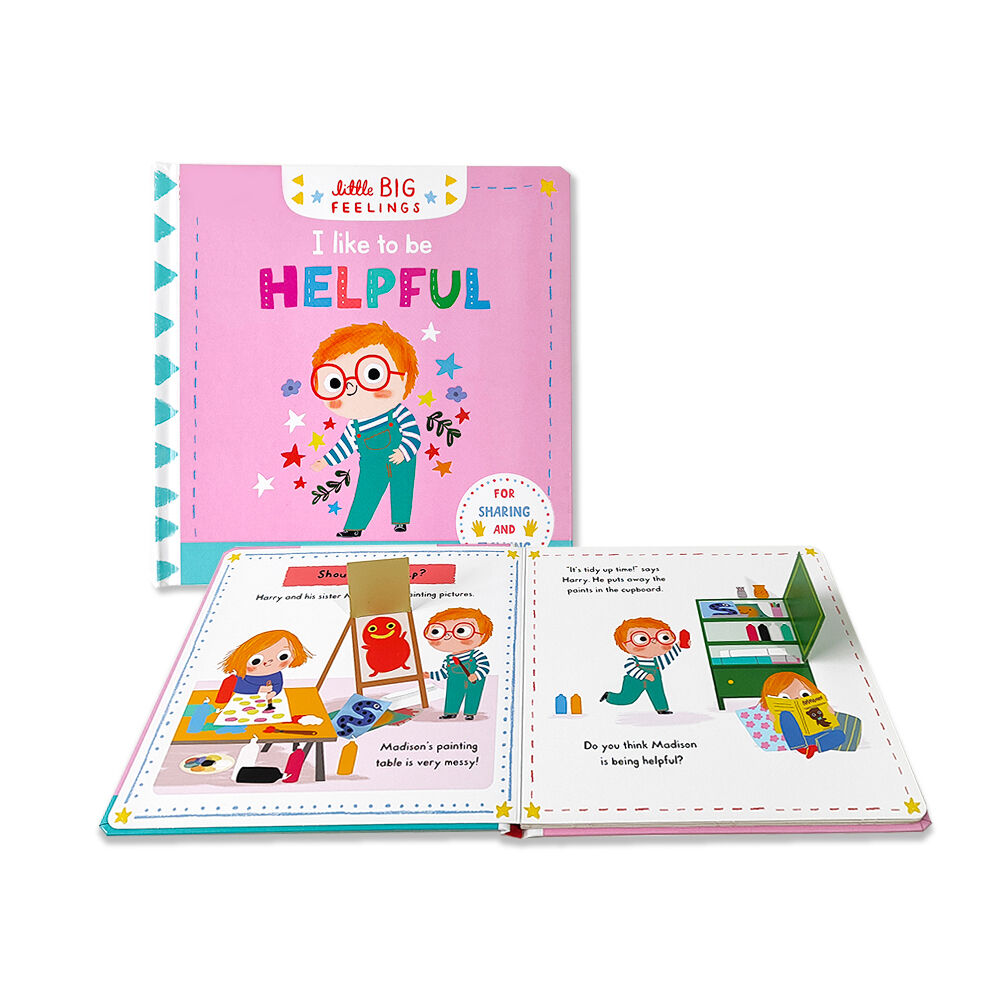
The way a notebook is structured on the inside matters far more than most buyers initially realize. When businesses, educators, creatives, and professionals choose a notebook, the interior page format shapes how ideas flow, how data gets recorded, and how effectively the tool serves its intended purpose. Custom notebook interior layouts have become a central consideration for anyone ordering notebooks at scale, because a single format rarely serves the full range of users within an organization or customer base. Understanding which layout works best for which scenario is essential to making smart sourcing decisions.
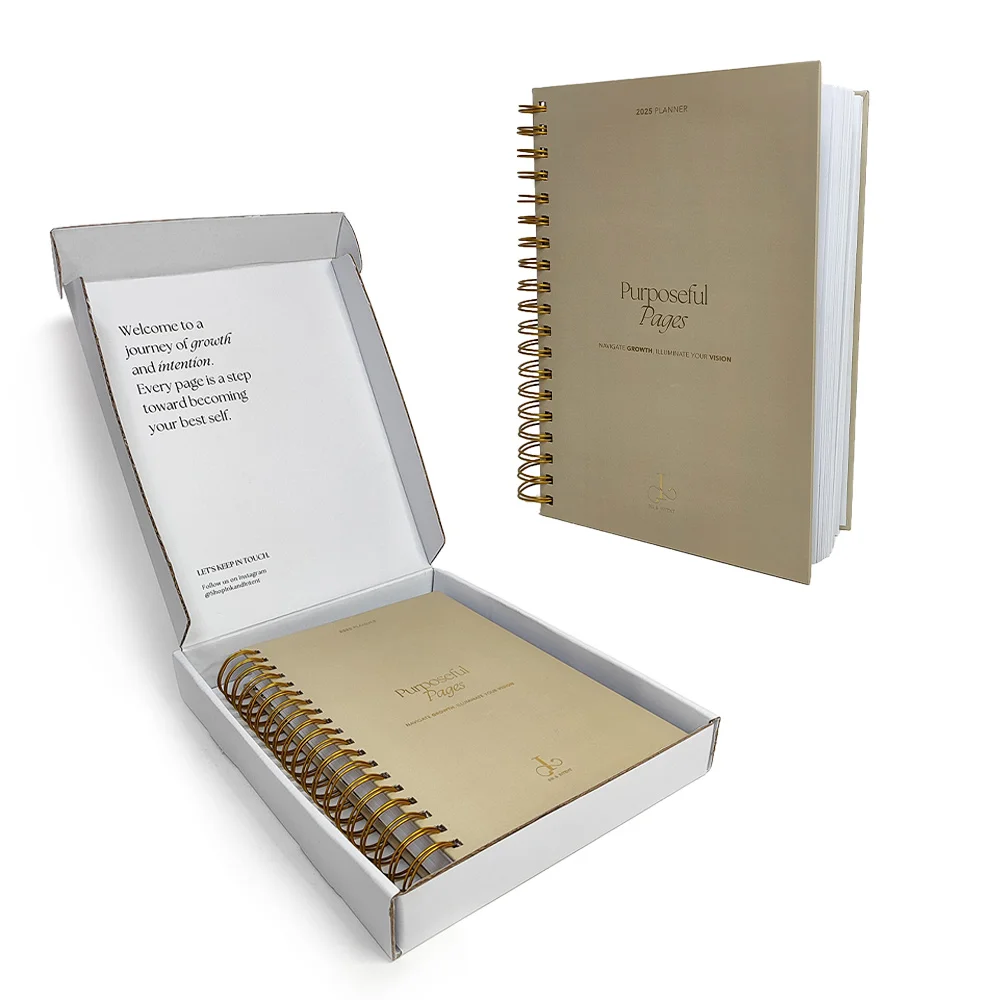
From ruled lines that guide clean handwriting to grid systems that support precise diagrams and blank pages that invite freeform creativity, custom notebook interior layouts serve fundamentally different cognitive and professional needs. The growing demand for on-demand notebook printing has made it easier than ever for brands, schools, and enterprises to specify exactly the interior format that matches their audience. This article explores how each major layout type serves different usage scenarios, what factors should guide your selection, and how thoughtful interior customization adds real value to a notebook product.
The Core Layout Options and What They Represent
Ruled Layouts and Their Connection to Writing-Heavy Use Cases
Ruled pages — also known as lined pages — are the most widely recognized format in notebook design. Horizontal lines run across the page at consistent intervals, typically ranging from narrow to wide spacing depending on the intended user. Custom notebook interior layouts featuring ruled pages are especially well-suited to environments where extended written content is the primary activity. Meeting notes, lecture transcriptions, journal entries, and client call logs all benefit from the structure that ruled lines provide.
The psychological effect of ruled lines is significant. They constrain the writing area just enough to encourage neatness and consistent sizing without feeling visually oppressive. For professionals who fill notebooks quickly and need to reference their notes later, ruled layouts make scanning and reading far more efficient. When designing custom notebook interior layouts for corporate gifting or branded stationery programs, ruled formats tend to be the safest and most universally appreciated choice.
Line spacing customization is one of the key advantages of going custom. Standard ruled layouts use approximately 7mm spacing, but wider 8mm or 9mm lines can be specified for users with larger handwriting or for educational programs targeting younger students. Narrower spacing suits professionals who write small and want to maximize page content. Specifying the right line spacing is a detail that elevates a custom product from generic to genuinely useful.
Grid Layouts and Their Alignment with Technical and Analytical Work
Grid pages divide the surface into a matrix of small squares, creating both horizontal and vertical reference points simultaneously. This format is a natural fit for technical users: engineers sketching component layouts, architects drafting spatial concepts by hand, data analysts building quick visual frameworks, or product managers mapping user flow diagrams. Custom notebook interior layouts built around grid formats support precision and scale in ways that ruled pages simply cannot.
The grid also serves a popular secondary function in the creative and design community. Bullet journaling — the practice of using a notebook as a hybrid planner, diary, and creative outlet — relies almost exclusively on dot grid or square grid pages. Dot grids offer a lighter visual presence than full square grids, giving the page a cleaner feel while still providing alignment reference points. When brands source custom notebook interior layouts for design-minded or creative audiences, dot grid is often the top-requested format.
Grid cell sizing is another variable worth customizing. Standard 5mm grids are versatile, but 3.5mm grids offer greater precision for technical sketching, while 7mm or 8mm grids suit users who want visible structure with more breathing room per cell. Specifying grid density as part of your custom notebook interior layouts order ensures the product matches the actual working habits of your end users rather than defaulting to a generic standard.
Blank Pages and the Case for Unrestricted Creative Space
When Blank Layouts Outperform Structured Alternatives
Blank interior pages offer something neither ruled nor grid formats can: complete visual freedom. For artists, illustrators, industrial designers, and creative directors, any pre-printed structure on the page can feel like interference. Custom notebook interior layouts with blank pages allow the user to work at any scale, orientation, and medium without the visual noise of lines or grids. Sketches, concept drawings, mind maps, and freeform brainstorming all benefit from uninterrupted white space.
Blank layouts are also valuable in educational contexts where students are expected to draw diagrams, biological structures, maps, or geometric shapes as part of their coursework. Science notebooks, art class journals, and design school sketchbooks frequently specify blank custom notebook interior layouts to give students the flexibility they need. The lack of constraints becomes a pedagogical choice, encouraging spatial thinking and visual communication.
From a production standpoint, blank interiors are the simplest to manufacture and can offer cost efficiencies, particularly for high-volume custom orders. However, the absence of visual guides can also make blank notebooks feel less premium if the paper quality and cover design do not compensate. Pairing a blank interior with high-quality, thick paper stock is a standard approach that ensures the user experience feels intentional rather than bare.
Mixed Interior Configurations as a Strategic Design Choice
One of the most valuable options available when ordering custom notebook interior layouts is the ability to mix different page formats within a single notebook. A planner-style notebook might combine ruled pages for daily notes, grid pages for weekly scheduling grids drawn by hand, and blank pages for brainstorming sections. This kind of sectioned interior architecture turns a simple notebook into a comprehensive productivity tool.
Mixed-format custom notebook interior layouts are particularly popular in the corporate wellness and professional development space, where companies gift notebooks as onboarding tools or executive gifts. When the interior is divided into purposeful sections — each formatted for a specific type of content — the notebook communicates thoughtfulness and functional intelligence. It signals that the brand understands how its audience actually works.
The key to successful mixed interior design is understanding the workflow of the end user. If the notebook is intended for a sales team, a common configuration might include ruled pages for call notes, a section with blank pages for account mapping diagrams, and dated planner pages for pipeline tracking. Mapping the interior format to real work scenarios is what separates a well-designed custom notebook from one that simply looks good in a gift box.
Matching Layout Selection to Industry and Audience Profiles
Education Sector Needs and Format Suitability
Educational institutions represent one of the highest-volume markets for custom notebook interior layouts, and the range of subjects taught creates genuine demand for format diversity. Language and humanities subjects benefit from ruled pages. Mathematics, chemistry, and physics benefit from grid pages that support equation layouts and graphing. Art and design programs require blank pages. A school that orders custom notebooks for all students with a single interior format is almost certainly making a compromise somewhere.
Forward-thinking schools and university bookstores have begun specifying subject-specific custom notebook interior layouts that align each format with its corresponding discipline. This is not a luxury approach — it is a pedagogical one. When the tool matches the cognitive demand of the subject, students are better supported. Custom printing capabilities now make it practical and affordable to produce different interiors for different departments within the same order.
Corporate and Professional Services Sector Demands
In the corporate world, notebooks are used as meeting tools, strategic planning documents, project trackers, and personal productivity systems. The most popular custom notebook interior layouts for professional use cases remain ruled formats, though grid and dot-grid options have seen significant growth as the bullet journaling method has spread into workplace culture. Understanding the nature of the work being done is the most reliable way to select the right interior format.
Consulting firms, law offices, and financial services companies tend to prefer ruled interiors because their work is primarily text-based. Technology companies, design agencies, and innovation teams often favor grid or dot grid interiors because their work involves diagrams, flow charts, and visual frameworks. When sourcing custom notebook interior layouts as branded corporate gifts, asking about the recipient's role and work style before committing to a single format can significantly improve the perceived value of the gift.
Production Considerations for Custom Interior Specifications
Paper Weight, Ink Compatibility, and Layout Visibility
The visual and tactile quality of custom notebook interior layouts depends not only on the format chosen but also on the technical specifications of the paper itself. Line or grid visibility is affected by the ink color and weight used in printing. Light gray or blue-gray lines are preferred in professional contexts because they provide visual guidance without competing with the user's own writing. Black or dark lines, while visible, can feel heavy and make the finished page look cluttered when filled with notes.
Paper weight is another critical variable. Lighter paper — typically 70gsm — is cost-effective but can cause bleed-through when users write with gel pens or markers. For notebooks intended for use with a range of writing instruments, 80gsm to 100gsm paper is recommended. Higher paper weight also improves the overall feel of the notebook and supports premium positioning in the market. Specifying paper weight as part of your custom notebook interior layouts order ensures you get a product that performs as well as it looks.
Page Count, Format Sizing, and Binding Alignment
The size of the notebook — whether A5, A4, A3, or a custom dimension — affects how the interior layout feels in use. Grid pages in an A5 notebook feel different from the same grid in an A4 format because the total grid area changes dramatically. When specifying custom notebook interior layouts, it is important to think about the relationship between page size and layout density. A 5mm grid in A4 provides generous room for diagrams; the same grid in A5 can feel tight for technical users.
Binding type also intersects with interior layout selection. Spiral-bound notebooks are popular for grid and blank interiors because the flat-lay opening allows users to draw across the full page surface without the spine interfering. Perfect-bound or case-bound notebooks suit ruled interiors for note-taking because a fully flat page is less critical for linear writing. Thinking about binding, size, and interior format as an integrated system rather than independent choices leads to better-designed final products.
Page count decisions for custom notebook interior layouts should reflect actual usage patterns. A notebook intended for a week-long workshop needs far fewer pages than one designed to last a full academic year. Overloading a notebook with unnecessary pages adds weight and cost without adding value. Right-sizing the page count based on realistic usage duration is a mark of thoughtful product development.
FAQ
What is the most versatile interior layout for a custom notebook intended for a broad audience?
For a broad and diverse audience, a dot grid layout tends to be the most versatile of all custom notebook interior layouts. It provides enough visual structure to guide handwriting and alignment without the visual density of a full square grid or the rigid linearity of ruled pages. Dot grids are used comfortably by writers, planners, designers, and technical users alike, making them an excellent choice when a single interior format must serve many different user types.
Can a single custom notebook include more than one type of interior layout?
Yes, and this is one of the most powerful features available when ordering custom notebook interior layouts through professional print partners. Section dividers can separate different format zones within the same notebook — for example, a ruled section for notes, a grid section for planning visuals, and a blank section for sketches. This multi-format approach adds functional depth and is especially popular for branded corporate notebooks and professional planners.
How does paper quality affect the perception of custom notebook interior layouts?
Paper quality has a direct impact on how custom notebook interior layouts are perceived and experienced. Thin paper makes lines and grids feel cheap and causes ink bleed-through. Heavier, smoother paper makes the same layout feel premium and performs better with a wider range of writing instruments. For any product positioned as a professional or gift-quality notebook, specifying 90gsm or above paper is a standard best practice that significantly elevates the user experience.
Are there minimum order quantities for fully customized interior layouts?
Minimum order quantities for custom notebook interior layouts vary by supplier and printing method. Digital printing technology has reduced MOQs substantially, making it practical for smaller brands and niche projects to order customized interiors without committing to thousands of units. However, offset printing — preferred for very high-volume orders due to cost efficiency — typically requires higher minimums. Discussing your volume requirements upfront with your print partner allows you to select the most cost-effective production method for your specific project.
Table of Contents
- The Core Layout Options and What They Represent
- Blank Pages and the Case for Unrestricted Creative Space
- Matching Layout Selection to Industry and Audience Profiles
- Production Considerations for Custom Interior Specifications
-
FAQ
- What is the most versatile interior layout for a custom notebook intended for a broad audience?
- Can a single custom notebook include more than one type of interior layout?
- How does paper quality affect the perception of custom notebook interior layouts?
- Are there minimum order quantities for fully customized interior layouts?