 EN
EN

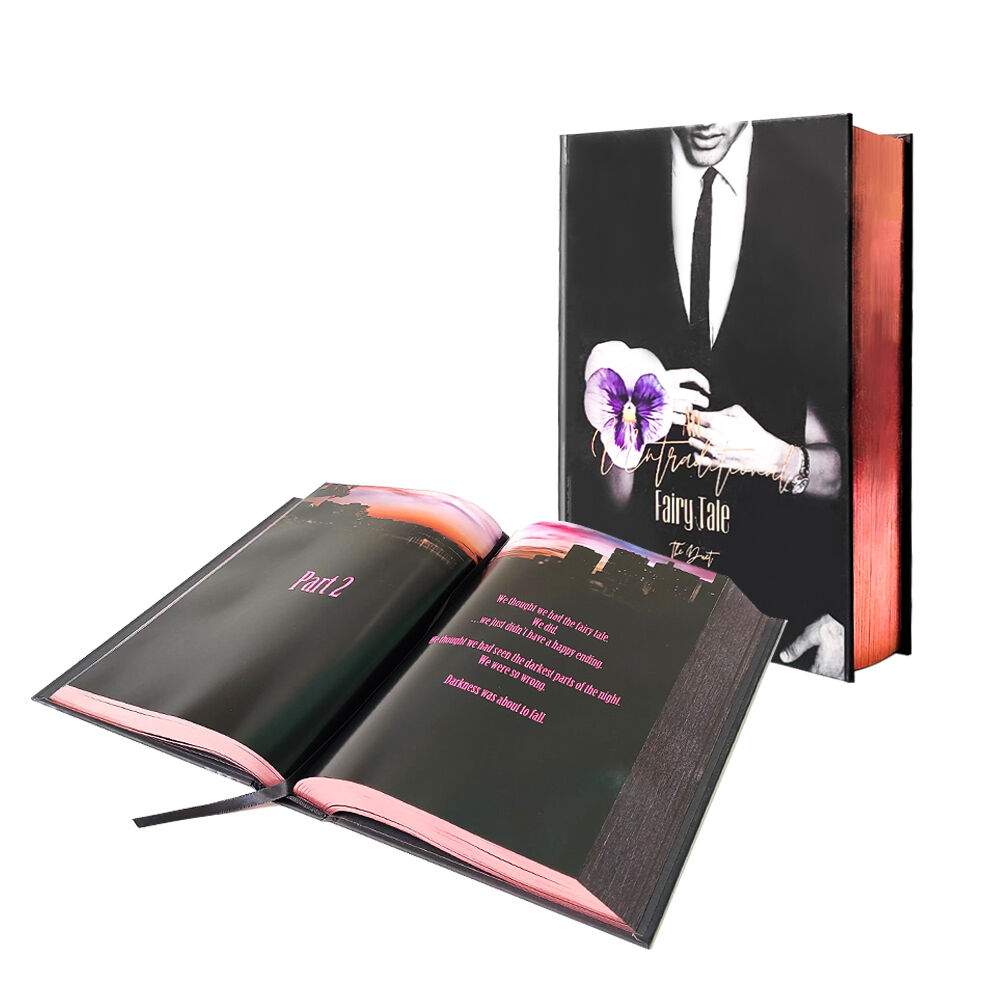
When publishers and brands seek to create memorable impressions through print media, the choice of binding format becomes a critical strategic decision. Hardcover books represent the premium tier of book production, offering distinct advantages that extend far beyond simple durability. For special editions, collector's items, corporate presentations, and luxury publications, hardcover construction delivers a combination of perceived value, physical longevity, and design versatility that paperback alternatives cannot match. Understanding these advantages enables publishers, content creators, and marketing professionals to make informed decisions about when investing in hardcover production delivers measurable returns in brand positioning and customer satisfaction.

The publishing industry has long recognized that hardcover books command higher price points and convey authority that directly influences purchasing decisions. For commemorative publications, anniversary editions, and gift-market products, the physical presence of a hardbound volume signals importance and permanence. Corporate clients commissioning annual reports, brand histories, or executive presentations increasingly specify hardcover formats specifically because the tangible weight and construction quality align with the gravitas their content demands. This article examines the specific advantages that make hardcover books the preferred choice for premium presentations, exploring structural benefits, branding opportunities, market positioning factors, and long-term value propositions that justify the additional production investment.
Structural Durability and Long-Term Preservation
Superior Physical Protection for Valuable Content
The fundamental construction of hardcover books provides exceptional protection for interior pages through rigid board covers that resist bending, crushing, and environmental damage. Special edition publications often contain high-quality paper stocks, specialized inks, and intricate design elements that require protective housing to maintain their condition over decades. The board thickness typically ranges from 2.0mm to 3.0mm, creating a protective shell that prevents corner damage and spine stress even with repeated handling. This structural advantage becomes particularly important for limited-edition art books, historical archives, and collectible volumes where preservation of condition directly affects long-term value.
Enhanced Spine Integrity for Shelf Presence
Hardcover books maintain vertical spine integrity that prevents the sagging and warping common in softcover publications. The case binding method used in hardcover construction secures the text block to rigid boards through endsheets and reinforced hinging, distributing mechanical stress across the entire structure rather than concentrating it at vulnerable points. For premium presentations displayed in corporate lobbies, executive offices, or retail environments, this structural stability ensures that hardcover books retain their intended appearance throughout their display life. The spine remains square and readable, with foil stamping or embossing elements maintaining their visual impact without degradation.
Moisture and Environmental Resistance
The covering materials used on hardcover books, including cloth, leather, and specialty paper laminates, provide inherent moisture resistance superior to exposed paperboard. Special editions destined for international distribution or archival collections benefit from this environmental protection, as humidity fluctuations cause less dimensional change in case-bound structures. Publishers producing commemorative volumes or corporate histories intended for multi-decade shelf life specify hardcover construction precisely because the format minimizes deterioration from typical storage conditions. The air gap between cover boards and text block also provides insulation that moderates temperature extremes, further protecting interior components.
Premium Aesthetic Impact and Design Flexibility
Enhanced Cover Decoration Opportunities
The rigid substrate of hardcover books enables sophisticated decoration techniques impossible on flexible covers. Foil stamping, embossing, debossing, and spot UV applications achieve sharper detail and greater dimensional depth when applied to board-mounted covering materials. Luxury editions frequently combine multiple finishing techniques, creating tactile surfaces that engage recipients through touch as well as sight. The ability to incorporate leather textures, fabric inlays, metal accents, and layered materials transforms hardcover books into physical artifacts that communicate craftsmanship and attention to detail. These decoration options allow designers to create covers that function as standalone art pieces, elevating the entire publication above commodity status.
Dimensional Stability for Precision Registration
Hardcover construction maintains dimensional accuracy that proves essential when cover designs require precise alignment of multiple decorative elements. Registration of foil colors, matching embossed patterns to printed graphics, and aligning transparent windows all depend on substrate stability throughout manufacturing and subsequent handling. Special edition publishers leverage this precision to create complex cover designs featuring intricate typography, geometric patterns, and photographic reproduction that would shift or distort on flexible covers. The result delivers visual consistency across print runs and ensures that every copy meets exacting quality standards appropriate for premium positioning.
Dust Jacket Integration for Layered Branding
Hardcover books accommodate dust jackets that provide additional design surfaces and functional advantages for special editions. The removable jacket allows publishers to feature full-color photography and detailed graphics without concern for wear on the underlying case, while the case itself can carry complementary branding or decorative treatments visible when the jacket is removed. This layered approach enables different messaging for retail display versus private collection contexts. Limited editions often feature jackets with specialized finishes or die-cuts that reveal decorated case covers beneath, creating discovery moments that enhance perceived value. The jacket also provides flaps for author information, series details, or promotional content without compromising the clean aesthetic of the bound volume.
Market Positioning and Perceived Value
Price Point Justification Through Tangible Quality
Consumer research consistently demonstrates that hardcover books command premium pricing that buyers accept as justified by perceived quality and durability. For special editions, this pricing latitude allows publishers to recover higher production costs while maintaining healthy margins. The physical heft of hardcover construction creates an immediate tactile signal of value that influences purchasing decisions at the point of sale. Retail buyers assessing gift options or collectors evaluating limited editions use binding quality as a primary indicator of whether a publication merits its asking price. Publishers positioning products in the $50-$200+ range rely on hardcover construction to meet buyer expectations for materials and craftsmanship consistent with premium pricing.
Collectibility and Secondary Market Value
Hardcover books maintain condition grades that support robust secondary markets for out-of-print titles and first editions. Collectors specifically seek hardbound volumes because the format protects condition elements that determine resale value, including dust jacket integrity, page cleanliness, and binding tightness. Publishers issuing numbered limited editions or signed special releases choose hardcover construction to ensure their products function effectively as collectible items that appreciate rather than deteriorate. The format signals to buyers that the publisher considers the content worthy of permanent collection, creating psychological commitment that drives initial sales and sustains long-term brand equity for authors and imprints.
Gift Market Appeal and Presentation Context
Hardcover books dominate the gift book category because their physical presence conveys thoughtfulness and appropriate occasion recognition. Corporate gift programs, employee recognition initiatives, and client appreciation strategies frequently specify hardcover formats because recipients interpret the substantial construction as reflecting genuine esteem. The format performs effectively in formal presentation contexts where paperback alternatives would signal inadequate investment. Publishers producing cookbooks, photography collections, and illustrated reference works target gift purchasers by defaulting to hardcover construction, understanding that the format unlocks distribution channels and seasonal sales opportunities unavailable to softcover editions. Packaging options including slipcases, clamshell boxes, and presentation wraps further enhance gift appeal.
Professional and Corporate Application Advantages
Executive Communication and Brand Documentation
Corporations commission hardcover books for annual reports, capability presentations, and company histories specifically because the format conveys permanence and corporate stability. When leadership teams present strategic plans or milestone achievements to boards, investors, or major clients, hardcover construction signals that the content represents carefully considered positions rather than transient communications. The physical durability ensures these documents remain accessible and presentable for reference years after initial distribution, supporting their function as official corporate records. Archival requirements for regulatory compliance or historical documentation favor hardcover formats that maintain legibility and structural integrity throughout mandated retention periods.
Educational and Training Material Differentiation
Training programs and educational institutions use hardcover books to distinguish core curriculum materials from supplementary resources, signaling to students and trainees which texts merit permanent retention. Professional certification programs package study materials in hardcover formats to enhance perceived program rigor and justify premium tuition pricing. The format withstands the repeated reference use characteristic of foundational texts, maintaining functionality through years of consulting. Organizations developing proprietary methodologies or specialized knowledge systems protect their intellectual property investment through hardcover publications that project authority and discourage casual reproduction.
Conference Materials and Event Collateral
High-profile conferences, symposia, and corporate events commission hardcover proceedings or commemorative volumes that serve dual functions as participant keepsakes and marketing assets. These publications document presentations, feature speaker contributions, and capture event content in formats that attendees display in offices long after the event concludes. The visibility of these displayed volumes extends brand reach and maintains event mindshare within professional networks. Organizers calculate that investment in hardcover production generates promotional value exceeding the incremental cost compared to standard binding alternatives, particularly for recurring events building multi-year brand equity.
Production Considerations and Customization Options
Material Selection and Texture Variation
Hardcover books accommodate extensive material choices for cover wrapping, including natural cloth, synthetic fabrics, genuine leather, bonded leather alternatives, and specialty papers with embossed textures. Each material delivers distinct tactile qualities and visual characteristics that publishers match to content themes and target audience preferences. Leather-textured materials with foil stamping create traditional luxury associations appropriate for historical subjects or classical literature, while contemporary fabric wraps with minimalist typography suit modern design content or progressive corporate branding. The ability to specify exact colors through dye-matching or printed paper wrapping ensures brand color consistency across corporate publication programs. Material choices also affect durability profiles, allowing publishers to optimize for specific use cases from archival permanence to moderate-term promotional applications.
Edge Finishing and Detail Enhancement
Premium hardcover books incorporate edge treatments that transform book blocks into decorative elements. Gilded edges using genuine gold leaf or metallic foils create visual drama particularly effective for special editions and luxury publications. Edge painting in custom colors coordinates with cover designs or creates surprising contrasts visible only when books are closed. Decorative headbands in complementary or contrasting colors add traditional bookbinding details that connoisseurs appreciate as signs of quality craftsmanship. These finishing options allow publishers to differentiate special editions from standard releases using the same text content, creating visual distinction that justifies premium pricing and appeals to collectors seeking unique physical attributes.
Binding Structure Variations for Specific Applications
While case binding represents the standard hardcover construction, variations including Swiss binding, exposed spine binding, and lay-flat binding address specific functional requirements. Lay-flat mechanisms prove essential for cookbooks, photography portfolios, and technical manuals where users need pages to remain open hands-free. Swiss binding, which leaves the spine edge visible, creates contemporary aesthetic appeal for design-forward publishers while maintaining hardcover durability advantages. Publishers can specify reinforced hinging for extra-heavy text blocks, incorporate ribbon markers for reference convenience, or add tabbed dividers for multi-section organization. This structural flexibility allows hardcover books to serve demanding functional requirements while maintaining premium presentation standards.
FAQ
How much more expensive are hardcover books compared to paperback alternatives for special edition production?
Hardcover books typically cost between 40% to 100% more to produce than equivalent paperback editions, depending on order quantities, cover materials, and decoration specifications. For small runs of 500 to 1000 copies common in special edition publishing, the incremental cost per unit usually ranges from $3 to $8 above paperback pricing. However, this cost differential enables retail pricing 150% to 300% higher than paperback equivalents, creating gross margin advantages that often exceed the additional production investment. Publishers should evaluate total profitability rather than unit cost alone, recognizing that hardcover formats unlock premium market segments and gift channels unavailable to softcover alternatives. Volume economics improve significantly at quantities above 2000 units, narrowing the percentage cost premium while maintaining pricing advantages.
What minimum order quantities do printers typically require for custom hardcover book production?
Commercial book manufacturers generally set minimum order quantities for hardcover books between 500 and 1000 units for fully customized projects involving specific materials, decoration techniques, and binding specifications. Some specialty printers accommodate runs as small as 250 copies at premium per-unit pricing when projects involve straightforward specifications using standard materials. Digital printing technologies have enabled short-run hardcover production down to 50-100 copies for very specialized applications, though unit costs at these volumes approach $20-$40 depending on page count and finishing requirements. Publishers planning special editions should request quotes at multiple quantity breakpoints, as pricing typically shows significant per-unit reductions at thresholds of 1000, 2500, and 5000 copies. Lead times also decrease with larger quantities as fixed setup costs amortize across more units.
Can hardcover books incorporate the same interior printing quality as art books and photography collections?
Modern hardcover book production fully supports the high-resolution imagery, color accuracy, and paper quality required for fine art reproduction and professional photography presentation. Sheet-fed offset printing delivers resolution up to 2400 dpi with color management systems ensuring accurate reproduction of calibrated image files. Publishers can specify coated paper stocks from 150gsm to 200gsm that provide the surface smoothness and ink holdout necessary for photographic reproduction, or select uncoated stocks when textured surfaces suit the aesthetic intent. Hardcover construction actually advantages visual content by providing rigid support that prevents page curl and maintains flat presentation when books lie open. Many photographers and artists specifically choose hardcover formats for portfolio books and exhibition catalogs because the binding quality matches the reproduction standards their work demands, creating unified premium presentation from cover to interior content.
What determines whether special edition projects should use genuine leather versus synthetic covering materials?
The choice between genuine leather and synthetic alternatives for hardcover books depends on budget parameters, target market expectations, ethical considerations, and functional requirements. Genuine leather offers superior aging characteristics, developing patina that many collectors value, and provides authentic luxury positioning for ultra-premium editions priced above $150. However, genuine leather adds $8-$15 per unit to production costs and requires longer manufacturing lead times due to material sourcing and specialized handling. Synthetic leather-textured materials deliver 85-90% of the visual and tactile appeal at 30-40% of the cost, making them optimal for special editions targeting the $60-$120 price range where margins must balance quality perception with market price sensitivity. Synthetic options also address sustainability concerns for environmentally conscious brands and avoid animal product issues for certain institutional buyers. Publishers should request physical samples of both material types in their specific colors and finishes to assess which option best serves their positioning strategy and budget constraints.
Table of Contents
- Structural Durability and Long-Term Preservation
- Premium Aesthetic Impact and Design Flexibility
- Market Positioning and Perceived Value
- Professional and Corporate Application Advantages
- Production Considerations and Customization Options
-
FAQ
- How much more expensive are hardcover books compared to paperback alternatives for special edition production?
- What minimum order quantities do printers typically require for custom hardcover book production?
- Can hardcover books incorporate the same interior printing quality as art books and photography collections?
- What determines whether special edition projects should use genuine leather versus synthetic covering materials?