 EN
EN


Creating a successful lift the flap book requires meticulous attention to technical specifications that extend far beyond standard printing processes. The construction of a lift the flap book demands precision at every stage, from design preparation through final binding, because each flap layer must align perfectly with the underlying illustrations and text. When publishers and manufacturers undertake a lift the flap book project, they quickly discover that overlooking even minor technical details can result in misaligned flaps, structural weakness, or flaps that fail to operate smoothly after binding.
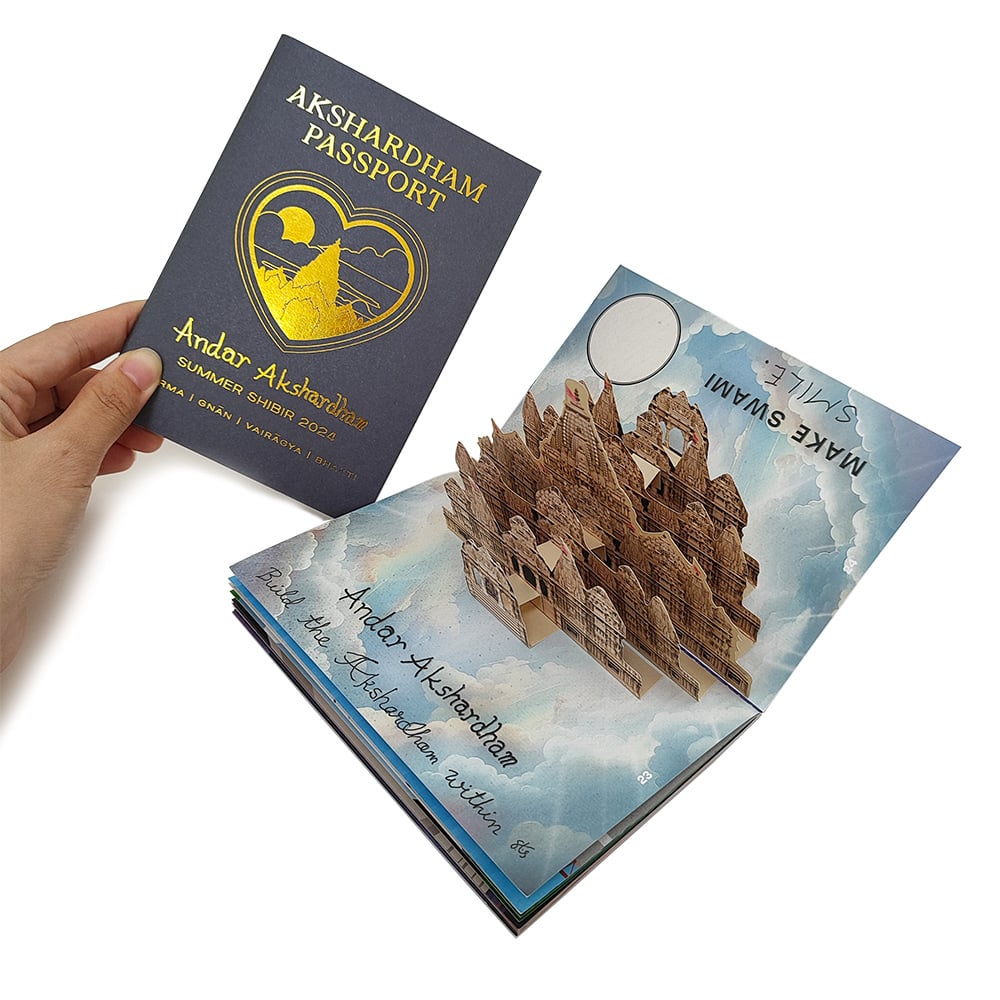
The complexity of a lift the flap book production process increases exponentially when multiple flap layers are involved, because each layer introduces new variables affecting registration, material choice, and binding methodology. Industrial printing facilities recognize that a lift the flap book requires different handling protocols than conventional picture books, particularly when flaps must move independently or stack in specific sequences. Understanding these technical requirements upfront prevents costly reprints and ensures the final lift the flap book meets quality standards and customer expectations.
Paper Stock Selection and Specifications for Multi-Layer Flap Designs
Choosing the Right Material Weight and Thickness
The foundation of any successful lift the flap book project begins with selecting appropriate paper stock that can withstand repeated handling while maintaining structural integrity. For a lift the flap book, the main board typically uses cardstock ranging from 200 to 350 gsm, depending on the book size and intended audience durability. Flap material within a lift the flap book often requires slightly lighter stock, typically 150 to 250 gsm, to ensure flaps open and close smoothly without excessive resistance. When creating a lift the flap book with multiple nested flaps, engineers must calculate the combined thickness to prevent binding machinery from jamming or applying inconsistent adhesive.
Lamination and Coating Considerations
Many lift the flap book projects benefit from protective coatings that enhance durability and visual appeal while preventing damage during the binding process. A lift the flap book destined for children's markets often receives matte or gloss lamination to protect printed surfaces and reduce wear on frequently handled flaps. The coating thickness on each component of a lift the flap book must remain consistent to avoid registration problems when flaps are affixed during assembly. Quality control teams verify that lamination does not warp the paper in a lift the flap book production run, as warping directly compromises flap alignment and functionality.
Registration Accuracy and Alignment Protocols
Die-Cutting and Precision Tolerances
Precision registration forms the backbone of lift the flap book manufacturing, because flaps must align with underlying artwork and text with tolerances typically held to within 0.5 millimeters. When die-cutting components for a lift the flap book, printing facilities use registration marks on every layer to ensure that flap windows correspond exactly to hidden content beneath. A lift the flap book with poor die-cutting accuracy results in flaps that either obstruct visible content or reveal unintended graphics when closed. Advanced facilities invest in high-precision die-cutting equipment specifically calibrated for lift the flap book specifications to minimize waste and maintain consistent quality across production batches.
Multi-Layer Alignment During Assembly
Assembling a lift the flap book with multiple flap layers requires systematic alignment procedures that verify each layer before adhesive application. Experienced manufacturers use vacuum registration systems or mechanical guides to position components of a lift the flap book accurately during the gluing phase. Each flap in a lift the flap book must be tested for proper opening angle and reveal before the binding stage, because misalignment caught late in production creates expensive rework. Automated vision systems now assist with quality assurance in modern lift the flap book facilities by scanning for registration errors before final assembly.
Adhesive Application and Binding Techniques
Selecting Appropriate Adhesive Types
The choice of adhesive directly impacts the functionality and longevity of a lift the flap book, because inadequate bonding causes flaps to separate prematurely while excessive adhesive stiffens flap movement. Hot-melt adhesive remains popular for lift the flap book production due to its fast setting time and strong hold, though lift the flap book manufacturers must carefully control temperature to prevent paper warping. Polyurethane-based adhesives offer advantages for complex lift the flap book designs requiring extended open time for precise positioning before curing. The adhesive pattern in a lift the flap book typically consists of controlled bead application rather than full-coverage coating, minimizing visibility and maintaining flap flexibility.
Hinge and Fold Line Management
Strategically positioned hinges or fold lines determine how smoothly flaps operate throughout the lifespan of a lift the flap book, requiring careful engineering and testing. The crease formation in a lift the flap book must allow flaps to rotate smoothly without cracking or creating sharp angles that damage binding threads. Pre-creasing machinery scores the fold line of a lift the flap book before adhesive application, reducing internal stress and ensuring consistent hinge performance across the entire print run. Quality assurance personnel conduct opening-cycle tests on sample units from each lift the flap book production batch to verify that hinges maintain functionality after hundreds of manual manipulations.
Binding Systems and Structure Reinforcement
Reinforcement Techniques for High-Use Areas
High-stress points in a lift the flap book structure, particularly where flaps attach or fold repeatedly, require reinforcement strategies that strengthen joints without adding excessive bulk. Fabric reinforcement strips applied along binding edges of a lift the flap book prevent tearing and extend product lifespan significantly. Some advanced lift the flap book manufacturers use micro-perforations to create controlled tear points that prevent damage from propagating beyond intended boundaries. The spine construction of a lift the flap book must accommodate the added thickness of multiple flap layers while maintaining adequate flexibility for book opening.
Quality Control at Binding Stage
Final binding represents the last critical checkpoint where quality assurance teams verify that all components of a lift the flap book remain properly aligned and functional. Binding equipment must be calibrated specifically for lift the flap book dimensions and flap configurations, as standard binding machinery often applies excessive pressure that prevents flaps from operating correctly. Post-binding inspections of every lift the flap book unit confirm that flaps move freely, hinges hold securely, and no adhesive residue interferes with flap operation. Comprehensive testing protocols ensure that the finished lift the flap book meets all durability and functionality specifications before shipment to distribution partners.
FAQ
What specific paper weight should be used for flap components in a lift the flap book?
Flap components in a lift the flap book typically use paper stock between 150 and 250 gsm, chosen based on flap size, intended durability, and the number of open-close cycles expected during product lifespan. Lighter weights allow smoother flap operation, while heavier weights provide structural integrity for larger flap designs. Testing with representative samples helps determine the optimal weight for your specific lift the flap book application.
How tight should registration tolerances be maintained during lift the flap book production?
Registration tolerances for a lift the flap book should typically be held within 0.5 millimeters to ensure that flap windows align precisely with underlying artwork and text. Tighter tolerances of 0.3 millimeters may be required for designs with small detailed imagery or text beneath flaps. Using precision die-cutting equipment and systematic alignment verification throughout lift the flap book production helps maintain these critical tolerances consistently.
Can standard bookbinding equipment be used for lift the flap book projects?
Standard bookbinding equipment often requires modification or replacement for lift the flap book projects because of the additional thickness and complexity of multi-layer flap structures. Specialized lift the flap book production facilities use calibrated binding systems that accommodate flap configurations without applying pressure that would compromise flap functionality. Equipment adjustments ensure that adhesive application remains appropriate for lift the flap book components throughout the binding process.