 EN
EN

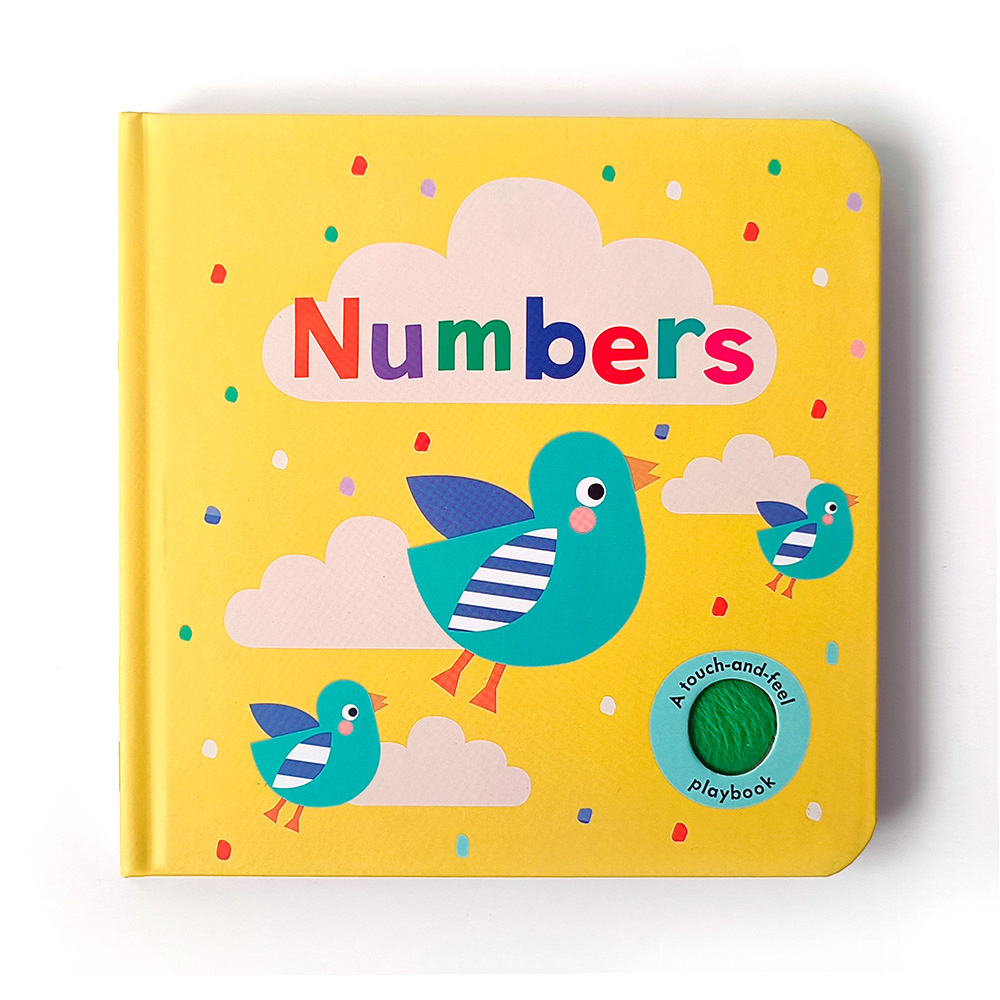
Parents today seek more than traditional paper stories for their children. The modern family recognizes that a touch book combines tactile engagement with visual storytelling in ways that capture young attention spans and support developmental growth. Understanding which interactive formats in touch books resonate most with today's parents reveals important insights into how children learn through play and sensory exploration. A touch book transforms passive reading into an active experience where toddlers and young children participate in the narrative through texture, movement, and discovery.
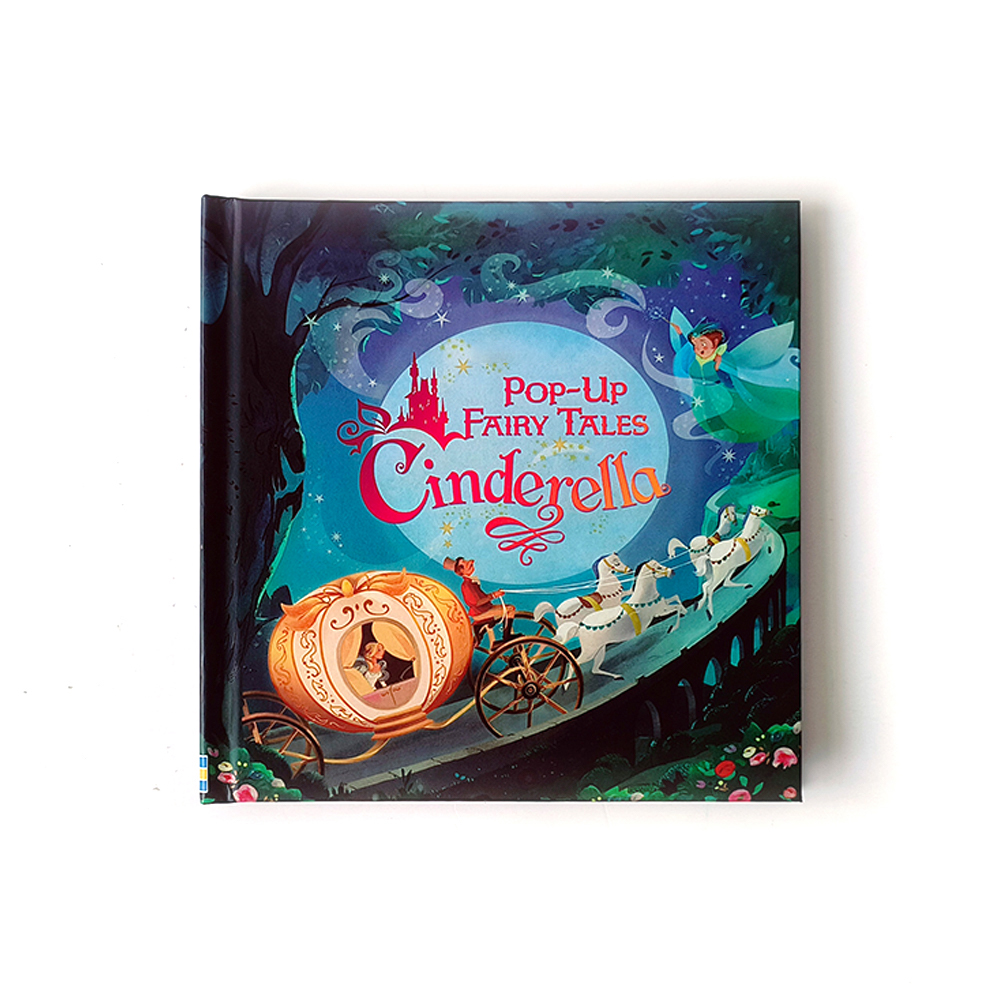
The current market for children's books shows a clear preference shift toward interactive and sensory-rich formats. Parents increasingly choose a touch book because these formats deliver measurable developmental benefits while keeping children engaged longer than standard picture books. Research in early childhood education demonstrates that tactile interaction supports memory retention, fine motor skill development, and language acquisition. When selecting books for their children, contemporary parents prioritize quality construction, age-appropriate interactivity, and content that educates while entertaining.
Pop-Up and Three-Dimensional Elements in Touch Books
How Pop-Up Mechanics Enhance Story Engagement
Pop-up features represent one of the most beloved innovations found in modern touch book designs. When children encounter three-dimensional elements that rise from the pages, they experience genuine surprise and delight that flat illustrations cannot replicate. A well-designed touch book with pop-up components encourages repeated page turns and exploration, transforming reading into an interactive adventure. Parents appreciate pop-up touch book selections because they maintain their children's focus and enthusiasm throughout the entire story, reducing screen time while providing enrichment.
Quality Construction in Three-Dimensional Touch Books
Durable construction separates exceptional touch book products from mediocre alternatives in the marketplace. Parents recognize that a quality touch book withstands enthusiastic little hands, repeated page openings, and the inevitable wear of daily use. Modern manufacturers engineer touch book materials using reinforced paper stocks, secure gluing techniques, and tested mechanisms that survive thousands of interactions. When evaluating a touch book purchase, discerning parents examine hinge durability, adhesive quality, and how well pop-up elements remain attached after extended play.
Texture and Tactile Sensations in Interactive Touch Books
Textured Surfaces and Sensory Learning
Tactile exploration forms the foundation of why parents prefer interactive touch book formats for their youngest readers. A touch book featuring varied textures—smooth silk, fuzzy felt, bumpy rubber, or crinkly materials—stimulates sensory development during crucial early childhood stages. Children's fingers naturally gravitate toward different textures, and this tactile engagement aids learning processes that sight alone cannot achieve. The best touch book designs integrate texture strategically throughout the narrative, making each page feel like a mini-discovery adventure rather than simply another illustration to view.
Multi-Sensory Design Philosophy
Contemporary touch book innovation extends beyond single sensory channels into comprehensive multi-sensory experiences. Parents recognize that combining textures with visual elements, sounds, and interactive components creates superior educational outcomes. A sophisticated touch book might include crinkle elements that produce sound during page interaction, hidden flaps revealing surprises, or layered textures that tell part of the story themselves. This holistic approach to touch book design aligns with modern understanding of how young brains process and retain information most effectively.
Interactive Flaps, Sliders, and Moving Parts
Hidden Discovery Elements
Flap-based interactivity represents another market-favorite feature parents seek in contemporary touch book selections. When pages include cleverly hidden elements beneath flaps, children experience the satisfaction of discovery and the anticipation of what comes next. A touch book designed with multiple hidden elements encourages active participation and develops cause-and-effect understanding in developing minds. Parents report that their children spend significantly more time engaged with a touch book featuring discovery elements compared to standard picture books, indicating genuine educational value beyond simple entertainment.
Mechanical Movement and Sliders
Moving sliders, rotating wheels, and articulated parts add dynamic qualities that static illustrations cannot provide. Modern touch book designers integrate mechanical elements that respond to a child's actions, creating tangible cause-and-effect learning opportunities. A touch book with slider mechanisms teaches physics principles intuitively while maintaining narrative engagement throughout. Parents particularly favor touch book designs where mechanical elements directly relate to the story—moving a slider advances a character across the page, rotates a dial to change an image, or reveals sequential story elements.
Age-Appropriate Complexity in Interactive Touch Books
Effective touch book design matches mechanical complexity to developmental stages. Infants benefit from simple touch book formats featuring basic textures and robust flaps requiring minimal fine motor control. Toddlers thrive with touch book designs offering more intricate elements like sliders, small flaps, and mechanical components that reward intentional interaction. Parents choose age-appropriate touch book products because they prevent frustration while providing suitable challenge levels. A well-designed touch book grows with the child, offering simple engagement for younger readers while sophisticated elements appeal to older children revisiting favorite stories.
Market Preferences and Parent Selection Criteria
Educational Value in Modern Touch Books
Today's parents actively seek educational benefits within their touch book purchases beyond mere entertainment value. Contemporary families prioritize touch book titles that build vocabulary, introduce concepts like colors and numbers, or tell classic stories with proven cultural staying power. A thoughtfully constructed touch book reinforces learning through multiple sensory pathways simultaneously, making information retention more effective than single-channel presentation. Parents evaluate touch book options partly on content quality and educational merit, recognizing that interactive formats should enhance cognitive development rather than distract from it.
Safety and Material Standards in Touch Books
Safety considerations significantly influence parent decisions when selecting touch book products for their children. Contemporary manufacturers of touch book items face strict testing requirements ensuring all materials meet international safety standards. Parents specifically seek touch book products using non-toxic inks, child-safe adhesives, and materials incapable of producing small choking hazards. A reliable touch book clearly communicates material composition and passes rigorous safety certifications, providing peace of mind that interactive engagement remains genuinely safe for developing children who naturally explore objects orally.
FAQ
What age group benefits most from touch book formats?
Touch book products serve children from infancy through early elementary years, though design complexity varies by age group. Infants aged six months to two years benefit from simple touch book formats featuring basic textures and robust interactive elements. Toddlers aged two to four years engage deeply with touch book designs offering flaps, sliders, and moderate mechanical complexity. Preschoolers aged four to six years appreciate more sophisticated touch book stories with advanced interactive components and richer narratives. Parents typically find that a quality touch book designed for their child's specific developmental stage maintains engagement while building appropriate skills.
How do touch book formats compare to digital children's media?
Touch book experiences provide tactile engagement, screen-free interaction, and different cognitive stimulation than digital alternatives. While digital applications offer animations and sounds, a touch book develops fine motor skills through physical interaction with materials. Research suggests that touch book reading supports deeper focus and sustained attention compared to quick-paced digital content. Many parents appreciate that a touch book requires no batteries, Wi-Fi, or screen time management—the touch book simply offers immediate, unplugged access to engaging stories while supporting healthy child development patterns.
What makes a touch book worth purchasing versus standard picture books?
A quality touch book justifies its premium pricing through extended engagement periods, enhanced learning benefits, and superior durability in family use. Standard picture books present static illustrations that children review once or twice before losing interest, while a touch book maintains novelty through repeated interaction. The sensory-rich touch book experience supports memory formation and developmental milestones more effectively than conventional stories. Parents report that their children return repeatedly to touch book favorites across years of childhood, providing sustained value that typical picture books cannot match.