 EN

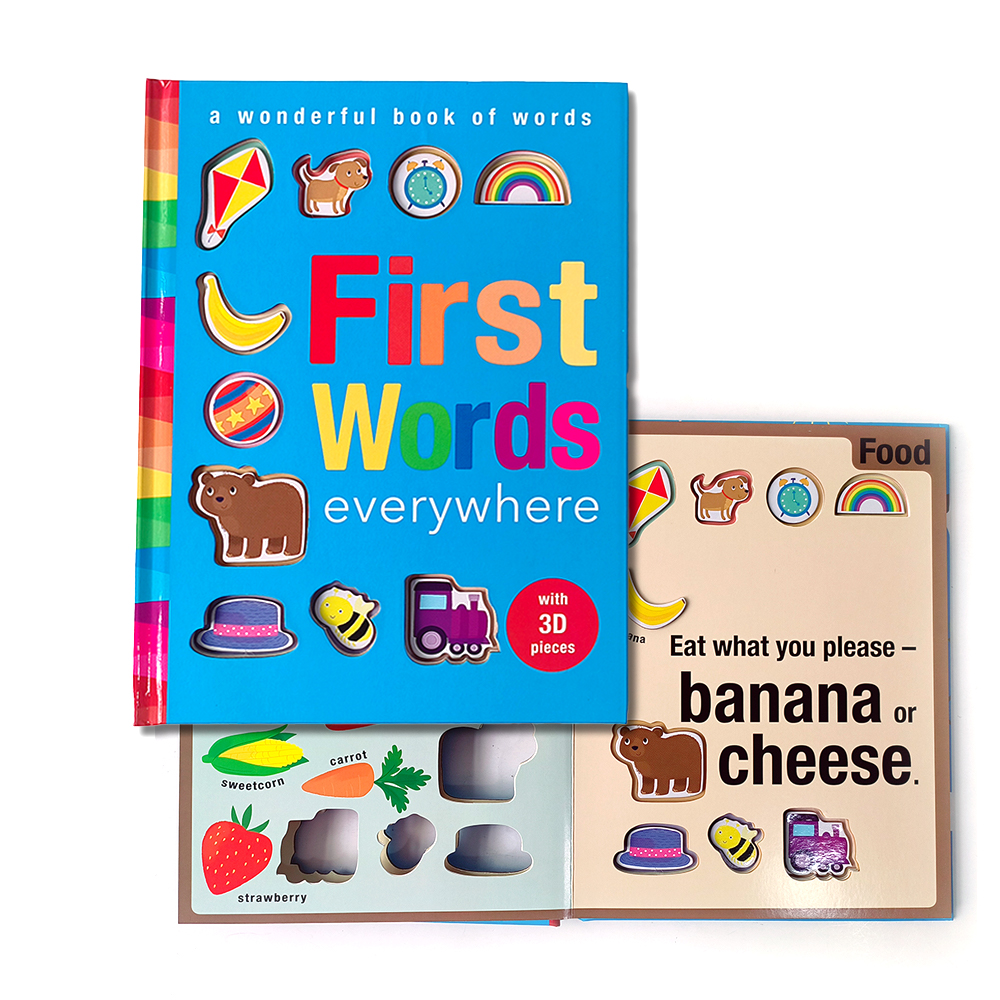
Infants learn about the world through their senses, and a touch book serves as one of the most effective tools for supporting this critical developmental stage. Early childhood sensory experiences shape neural pathways that influence cognitive growth, motor skills, and emotional intelligence throughout life. A touch book combines visual stimulation, tactile feedback, and interactive engagement in a single learning tool, making it a cornerstone resource for parents and educators committed to fostering healthy infant development. Understanding how a touch book contributes to sensory integration development provides valuable insight into why these materials have become essential components of early learning environments.
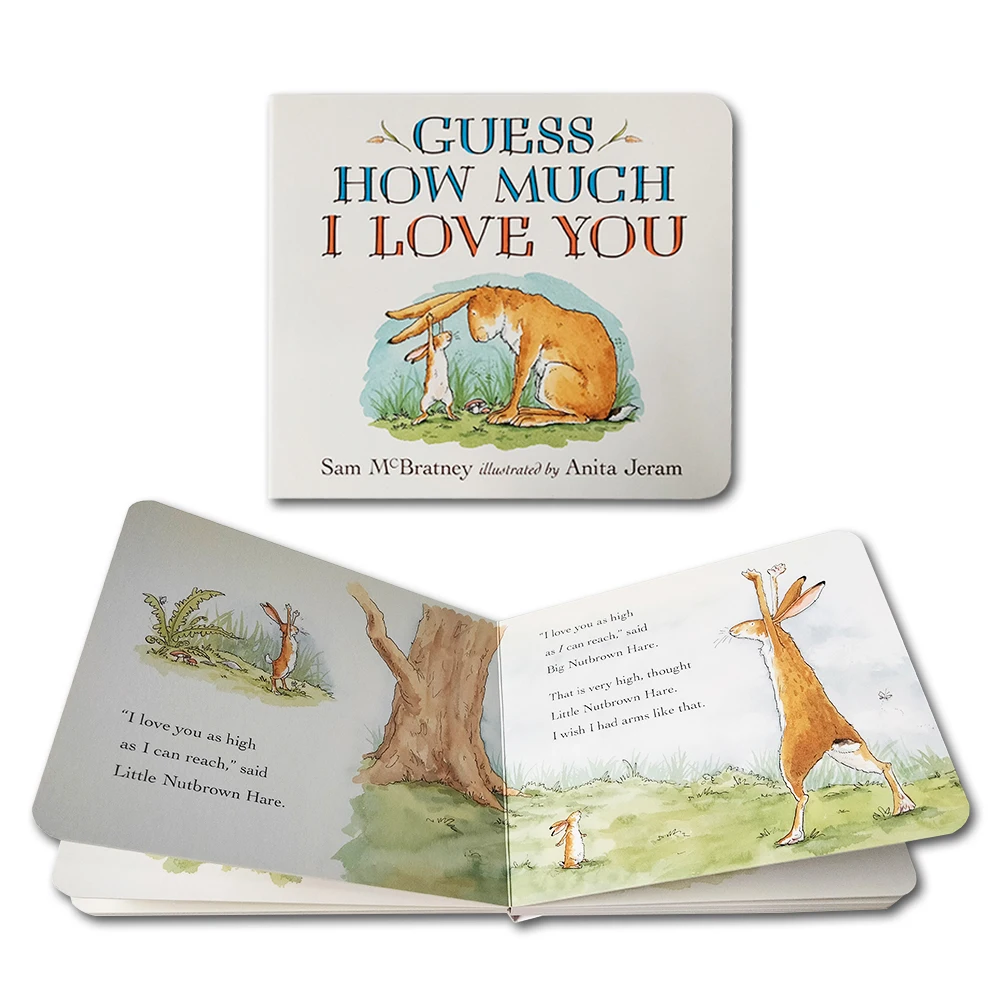
The science of sensory integration reveals that infants' brains develop optimally when multiple sensory channels activate simultaneously. A touch book engages several sensory pathways at once: visual recognition through colorful images, tactile sensation through varied textures, and sometimes auditory elements through sounds or crinkle materials. This multi-sensory engagement aligns perfectly with how infant brains naturally process information during critical developmental windows, typically from birth through age three. By regularly interacting with a touch book, infants strengthen neural connections that support both immediate learning and long-term cognitive capabilities.
The Science Behind Sensory Integration in Infants
Understanding Sensory Pathways and Neural Development
Infant brains contain approximately 100 billion neurons at birth, but the connections between these neurons form primarily during the first three years of life. Sensory experiences directly stimulate these neural connections, and a touch book provides precisely the type of multi-textured input that supports this process. When an infant explores a touch book by touching fuzzy surfaces, smooth areas, and bumpy textures, their tactile receptors send signals to the brain, triggering neural activation in the somatosensory cortex. This repeated stimulation strengthens existing synaptic connections and creates new ones, directly influencing the infant's ability to process tactile information accurately and respond appropriately to different textures throughout their environment.
The Role of Multi-Texture Stimulation
A touch book designed with multiple textures addresses a fundamental principle of sensory development: varied input produces superior neural organization compared to monotonous stimulation. Infants encountering diverse tactile experiences develop more sophisticated sensory discrimination abilities, allowing them to distinguish between different materials, temperatures, and pressure levels. Research in developmental neuroscience demonstrates that infants who engage with textured materials show enhanced development in the areas of the brain responsible for fine motor coordination and sensory processing. A quality touch book incorporates different materials strategically throughout its pages, ensuring comprehensive stimulation of tactile pathways and supporting the infant's natural drive to explore their surroundings through touch.
How Touch Book Interaction Builds Motor Skills and Coordination
Fine Motor Development Through Tactile Exploration
Interaction with a touch book demands specific hand movements, finger positioning, and grip adjustments that directly strengthen the muscles and neural pathways involved in fine motor control. When infants grasp, squeeze, rub, and manipulate the textures on a touch book, they engage their fingers and hands in purposeful movement patterns that gradually increase in precision and control. The resistance provided by different materials on a touch book requires varying amounts of force and coordination, teaching infants to calibrate their movements based on sensory feedback. This feedback loop between action and sensation is crucial for developing proprioceptive awareness, which helps infants understand where their body parts are in space and how to control them deliberately. As infants progress in their interaction with a touch book, these motor improvements translate to enhanced abilities in self-feeding, grasping toys, and eventually writing and dressing skills.
Cross-Lateralization and Bilateral Coordination
A well-designed touch book encourages infants to use both hands simultaneously, promoting the neural development necessary for coordinated bilateral movement. When infants hold a touch book with one hand and explore textures with the other, they activate neural pathways that connect the left and right hemispheres through the corpus callosum. This cross-hemisphere communication is foundational for complex motor tasks performed later in childhood, such as riding a bicycle, swimming, or coordinated sports activities. The tactile feedback from exploring a touch book reinforces these bilateral patterns, making the neural pathways more efficient and automatic. By age three, children who have regularly interacted with textured materials like those found in a touch book demonstrate superior coordination abilities compared to peers with less sensory-rich experiences.
Cognitive Development and Sensory Memory Formation
Building Sensory Schemas and Object Recognition
Infants develop cognitive understanding partly through building sensory schemas, which are mental representations of how objects feel, look, and sound. A touch book serves as an ideal tool for schema development because each unique texture on the pages creates distinct sensory memories. When an infant explores a fuzzy section of a touch book, then encounters a smooth section, then a bumpy area, they are essentially building a tactile vocabulary. This sensory vocabulary supports object recognition throughout the environment, allowing the infant to understand that things in their world possess different qualities. The repeated exposure to various textures through a touch book accelerates the rate at which infants develop these schemas, enhancing their ability to categorize and understand objects they encounter outside the book.
Attention Span and Cognitive Engagement
The multi-sensory nature of a touch book naturally sustains infant attention longer than single-modality materials, supporting cognitive development through extended engagement periods. As infants' attention spans lengthen through regular interaction with varied sensory experiences, their brains consolidate learning more effectively. A touch book also introduces the concept of cause-and-effect relationships, as infants learn that their actions on the book produce different tactile sensations. This understanding of agency and consequence represents a significant cognitive milestone in infant development. Additionally, when caregivers interact with the touch book alongside the infant, verbal language paired with tactile exploration strengthens neural connections related to language development and comprehension, creating a multi-layered learning experience that a touch book uniquely provides.
Integration of Touch Books in Early Learning Environments
Practical Implementation in Home and Classroom Settings
Introducing a touch book into an infant's environment requires intentional placement and caregiver engagement to maximize developmental benefits. The touch book should be accessible at eye level or within easy reach, allowing infants to independently explore the textures and develop autonomy in their learning. Caregivers should provide supervised access to the touch book during natural play times, observing which textures capture the infant's attention longest and rotating the book regularly to maintain novelty. In classroom settings, a touch book serves as a valuable resource for group sensory exploration activities, allowing multiple infants to benefit from coordinated sensory stimulation while developing social awareness through shared exploration.
Selection Criteria for Developmentally Appropriate Touch Books
A touch book designed to optimize sensory development must meet specific criteria related to durability, safety, and sensory variety. The materials used in a touch book should be non-toxic, firmly attached to prevent choking hazards, and capable of withstanding frequent handling and exploration by infants. Texture variety within a single touch book should include at least four to six distinctly different tactile experiences, such as fuzzy, smooth, bumpy, ridged, and squishy surfaces. The pages themselves should be appropriately weighted and sized for infant handling, typically featuring board-style construction that prevents tearing. Color choices in a touch book should provide visual contrast to support developing vision while remaining aesthetically appropriate for the story or concept being presented. A well-constructed touch book serves multiple infants over extended periods while maintaining its sensory and structural integrity.
FAQ
At what age can infants begin benefiting from a touch book?
Infants can begin exploring a touch book as early as two to three months of age, when their grasp reflex develops into more intentional reaching and grasping. Very young infants benefit primarily from the visual and tactile stimulation that a touch book provides, even if their interaction remains relatively passive. As infants develop stronger motor control, typically around four to six months, their interaction with a touch book becomes more deliberate and exploratory. By eight to twelve months, infants actively manipulate a touch book, turning pages and intensively exploring different textures. The developmental benefits of a touch book continue throughout toddlerhood, with increasingly sophisticated engagement patterns emerging as cognitive and motor abilities advance.
How does a touch book compare to other sensory learning materials for infants?
A touch book uniquely combines multiple sensory modalities within a structured, portable format that encourages narrative or conceptual learning alongside sensory stimulation. While sensory balls, textured mats, and other toys provide tactile input, a touch book integrates visual storytelling with tactile exploration, creating a more comprehensive learning experience. A touch book also provides the advantage of structured exploration, as caregiver-guided page turns create natural progression through different textures and concepts. The portability of a touch book allows consistent sensory input across multiple environments, supporting continuous development rather than episodic stimulation. For these reasons, a touch book serves as a complementary rather than alternative sensory learning tool that addresses multiple developmental domains simultaneously.
Can a touch book contribute to language development in addition to sensory growth?
Yes, a touch book substantially supports language development when caregivers verbally describe the textures and story elements during shared exploration. As infants experience tactile sensations from a touch book while hearing descriptive language, they create associations between words and sensations that enhance vocabulary acquisition and semantic understanding. A touch book with accompanying narrative creates opportunities for caregivers to introduce new words in context, making the language input more meaningful and memorable for the developing brain. The multi-sensory engagement provided by a touch book captures infant attention more effectively than verbal input alone, allowing longer periods of focused learning during which language input becomes more consolidated in memory. Research demonstrates that infants exposed to language paired with tactile experiences through interactive materials like a touch book develop vocabulary skills earlier than peers with language input alone.