 EN

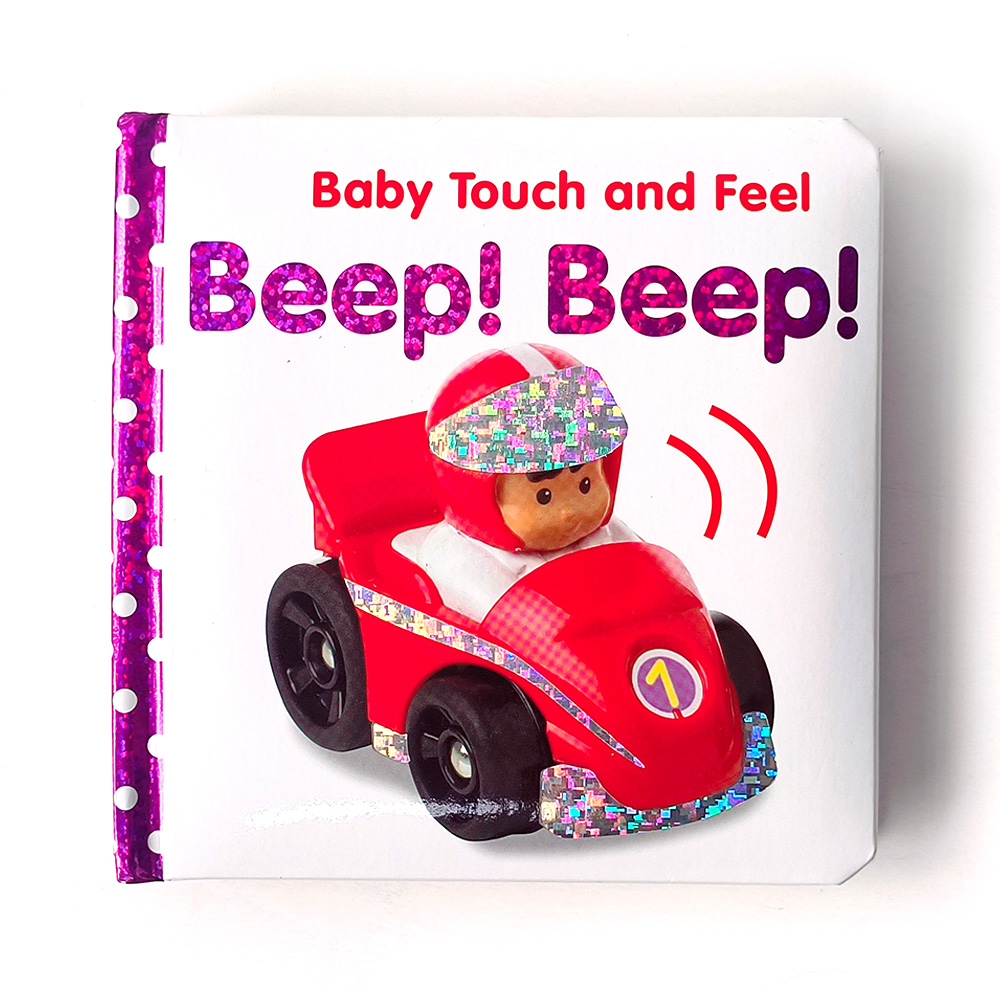
Infants develop their understanding of the world primarily through sensory exploration, and multi-texture touch books play a crucial role in this foundational process. A touch book designed with varied textures provides infants with direct tactile stimulation that engages multiple sensory pathways simultaneously. Unlike flat picture books, a quality touch book offers three-dimensional interactive surfaces that encourage babies to reach, grasp, and manipulate different materials. This hands-on engagement with a touch book creates neural connections that support broader sensory integration, helping infants process and organize sensory information more effectively during critical early developmental windows.
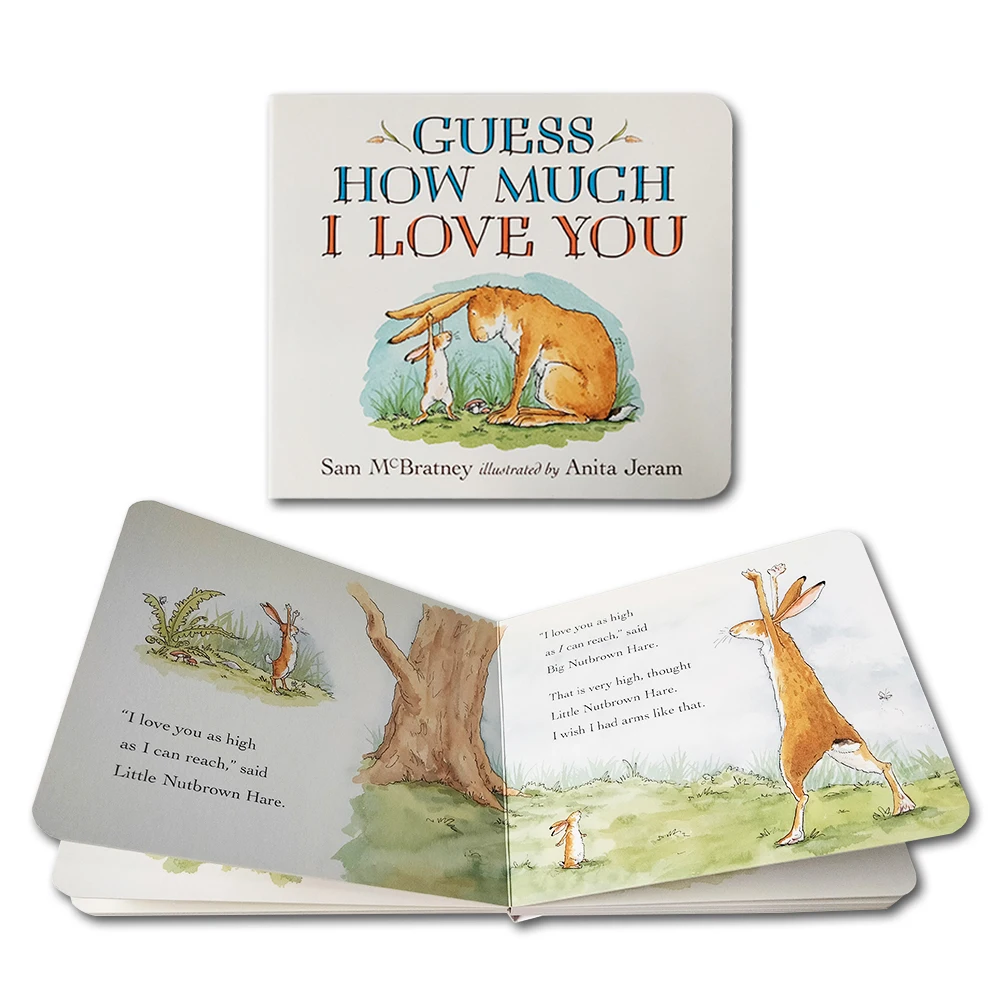
The scientific foundation behind touch book effectiveness rests on developmental neuroscience research showing that sensory stimulation directly shapes infant brain architecture. When infants interact with a touch book, their tactile receptors send signals to the sensory cortex, triggering coordinated neural activity that strengthens synaptic connections. This multi-sensory engagement through a touch book not only builds tactile awareness but also supports motor skill development, cognitive processing, and language acquisition. Parents and educators increasingly recognize that investing in a high-quality touch book during infancy yields measurable benefits in sensory organization, attention span, and exploratory confidence.
How Multi-Texture Touch Books Engage the Sensory System
The Role of Tactile Stimulation in Early Brain Development
A touch book engages the somatosensory cortex through direct contact with varied textures, creating immediate neural feedback loops. Each texture element within a touch book—whether smooth, bumpy, soft, or ridged—activates different mechanoreceptors in the infant's fingertips and palms. This sensory diversity stimulates the brain's ability to discriminate between different tactile inputs, a skill essential for later fine motor control and object recognition. Research demonstrates that consistent interaction with a touch book during the first two years of life strengthens the neural pathways responsible for sensory discrimination and proprioceptive awareness. The structural design of a modern touch book intentionally incorporates multiple material types to maximize this sensory breadth and promote robust sensory system development.
Integration of Visual and Tactile Learning Through Touch Books
While a touch book primarily emphasizes tactile feedback, effective designs also integrate visual elements that coordinate with textured surfaces. When an infant touches a raised, textured element on a touch book page while simultaneously viewing the corresponding illustration, cross-modal sensory integration occurs. This coordinated visual-tactile input helps the infant's brain learn to associate visual patterns with tactile properties, strengthening sensory integration across multiple domains. A touch book that combines bright colors, contrasting patterns, and varied textures creates a more robust sensory experience than books offering texture alone. This multisensory approach within a touch book format accelerates the development of sensory perception and enhances overall cognitive engagement during critical developmental stages.
The Neuroscience Behind Sensory Integration in Touch Books
Sensory Gating and Information Processing
Sensory integration refers to the brain's ability to receive, organize, and respond to sensory information coherently. A touch book supports this process by providing controlled, age-appropriate sensory input that helps infants practice filtering and prioritizing different tactile signals. Through repeated interaction with a touch book, infants develop sensory gating—the capacity to ignore irrelevant sensory information while focusing on important stimuli. This foundational skill, built through engagement with a touch book, directly supports later academic learning, social interaction, and emotional regulation. Neuroscience research confirms that infants who receive varied tactile experiences through tools like a touch book show improved sensory processing efficiency and reduced sensory defensiveness in early childhood.
Proprioceptive Development Through Interactive Texture Books
Beyond surface-level tactile sensation, a touch book also stimulates proprioceptive awareness—the infant's sense of body position and movement in space. When an infant grasps, pulls, or manipulates textures on a touch book page, proprioceptive receptors in muscles and joints activate, sending positional data to the brain. This proprioceptive feedback helps infants develop body awareness and coordinate motor planning with sensory input. A well-designed touch book encourages varied hand and arm movements that naturally challenge the proprioceptive system. Over time, consistent use of a touch book strengthens the neural connections supporting motor control, coordination, and spatial understanding—critical foundations for later physical development and fine motor skills.
Practical Applications of Touch Books in Infant Development Programs
Optimal Age Ranges and Developmental Stages
Touch book effectiveness varies by infant age and developmental stage, with research indicating peak benefits between 6 months and 24 months. Very young infants, around 6 to 12 months, benefit from a touch book with large, safely attached textures and simple page designs they can grasp independently. During the toddler phase, a touch book with more complex texture combinations and interactive elements supports advanced sensory discrimination and problem-solving skills. Around 18 to 24 months, a touch book can incorporate textures paired with simple words or sounds, bridging sensory and language development. Introducing a touch book at appropriate developmental stages maximizes sensory integration benefits and maintains the infant's engagement and curiosity throughout early childhood.
Integration Into Early Childhood Education and Home Settings
Educators and parents increasingly incorporate a touch book into structured and unstructured play routines to support sensory development. In classroom settings, a touch book provides an accessible, low-pressure tool for sensory exploration that accommodates varying developmental levels within a group. At home, repeated interaction with a touch book during quiet time or bonding moments creates predictable sensory experiences that infants anticipate and enjoy. Research shows that infants who engage regularly with a touch book in supportive environments demonstrate accelerated sensory integration milestones compared to peers with limited tactile exploration tools. A quality touch book designed with educational and sensory principles in mind becomes a valuable investment in early childhood sensory and cognitive development. Professionals recommend selecting a touch book with safety-tested materials and age-appropriate complexity to ensure both developmental benefit and infant safety during exploration.
FAQ
What specific textures should a touch book include for optimal sensory development?
An effective touch book should include a variety of contrasting textures such as soft fur, smooth plastic, bumpy rubber, crinkly materials, and ridged surfaces. This texture diversity activates different tactile receptors and promotes sensory discrimination skills. Research indicates that touch books with 5 to 8 distinct texture types provide sufficient complexity for meaningful sensory stimulation without overwhelming the infant's developing nervous system. The best touch books combine these varied textures with safe, durable construction that withstands repeated infant handling and exploration.
At what age should parents introduce a touch book to their infant?
Parents can begin introducing a touch book around 4 to 6 months of age when infants develop improved hand control and greater interest in tactile exploration. However, even younger infants benefit from exposure to a touch book under direct adult supervision for short periods. The introduction of a touch book should align with the infant's emerging motor skills and growing curiosity about objects in their environment. As infants progress through the first two years, a touch book with more complex textures and interactive elements supports their advancing sensory integration and cognitive capabilities.
How does a touch book support language development alongside sensory growth?
A touch book that pairs textures with simple words, sounds, or illustrations creates multisensory associations that strengthen language acquisition pathways. When an infant hears a word while touching a specific texture on a touch book, the brain links the auditory, tactile, and visual information together, creating richer neural networks for language processing. This integrated approach within a touch book format accelerates vocabulary development and enhances semantic understanding. Educational research confirms that sensory-rich experiences like those provided by a quality touch book support more robust and faster language learning during early childhood development.