 EN
EN

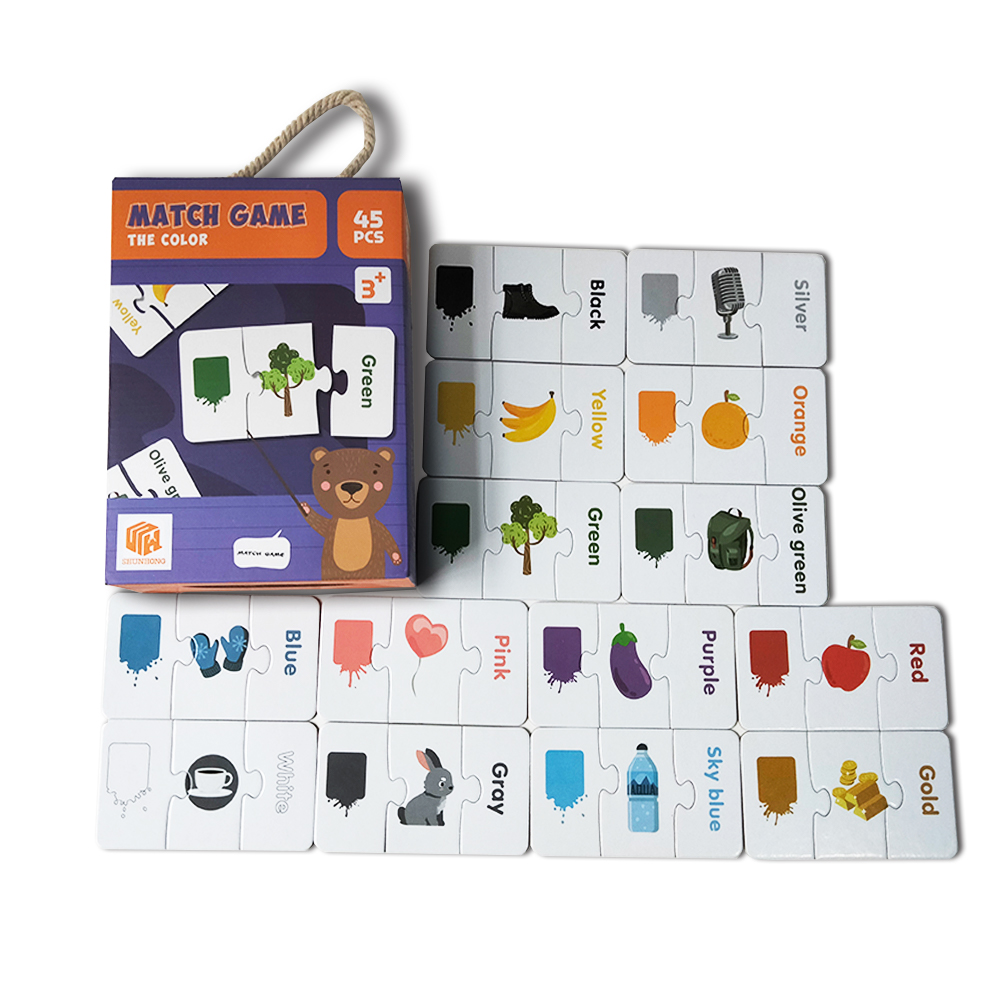
A busy book is a carefully designed developmental tool that transforms how toddlers engage with learning and play. These interactive activity books combine tactile elements, problem-solving challenges, and sensory experiences into a single resource that naturally encourages young children to focus independently for extended periods. Parents and educators increasingly recognize that a busy book serves as far more than entertainment—it functions as a structured method for building concentration skills, fine motor development, and self-directed learning habits that establish foundations for academic success.
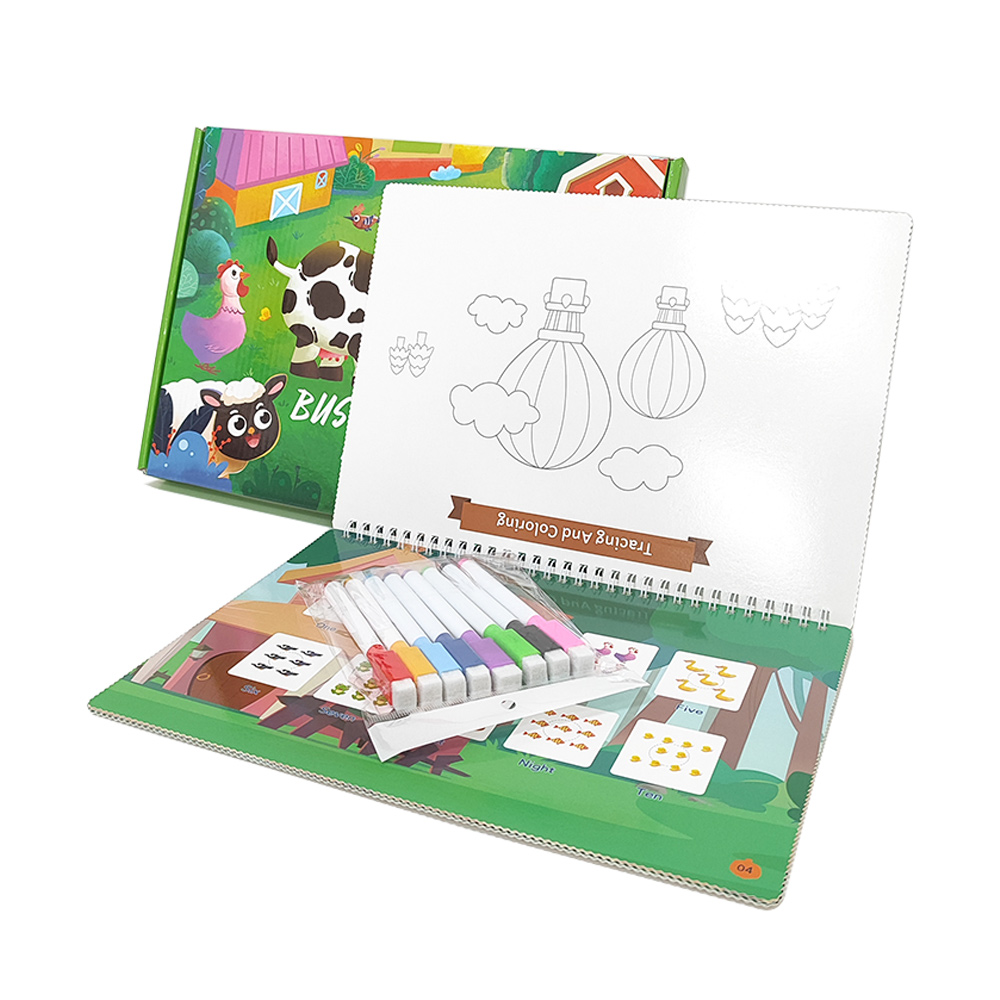
The systematic design of a busy book addresses a fundamental challenge in early childhood development: helping toddlers sustain attention while building autonomy. Unlike passive screen time or unstructured play, a busy book demands active participation, decision-making, and problem-solving. Each activity within a busy book is intentionally sequenced to match developmental stages, ensuring that toddlers remain appropriately challenged without becoming frustrated or disengaged.
How Systematic Activity Design Builds Concentration
Progressive Complexity and Flow State
A well-constructed busy book arranges activities in a progression that respects toddler cognitive development. The first activities in a busy book are typically simple and require minimal dexterity—such as flipping pages, touching textured surfaces, or matching colors. As toddlers develop confidence and skill, subsequent activities in a busy book introduce greater complexity, such as zipping mechanisms, button threading, or shape matching. This graduated approach keeps toddlers in an optimal flow state where challenge exceeds current skill just enough to maintain engagement without triggering frustration.
The psychological principle underlying this design is that a busy book maintains sustained attention by preventing both boredom and anxiety. When activities within a busy book are too simple, toddlers lose interest quickly and move on to other stimuli. Conversely, when tasks exceed their abilities, toddlers become frustrated and abandon the busy book. Systematic activity design in a busy book carefully calibrates difficulty, ensuring continuous engagement and natural progression through multiple concentration cycles.
Tactile Engagement and Sensory Feedback
Each activity in a busy book incorporates immediate sensory feedback that reinforces focus. When a toddler zips a zipper in a busy book, they feel the mechanical motion. When they press buttons or manipulate snaps, they experience satisfying tactile responses. A busy book deliberately uses high-contrast colors, varied textures, and responsive mechanisms to deliver constant sensory reinforcement that keeps attention anchored. This multisensory approach explains why a busy book often sustains concentration longer than single-modality toys or activities.
The sensory richness of a busy book also supports learning retention. Toddlers who engage multiple senses while using a busy book create stronger neural pathways than those engaged in passive observation. A busy book that combines visual, tactile, and auditory elements (such as clicking buttons or velcro sounds) generates deeper cognitive encoding, meaning toddlers remember and internalize concepts more effectively through a busy book than through less engaging formats.
Building Independent Play and Self-Directed Learning
Reducing Adult Dependency During Play
One critical advantage of a busy book is that it requires minimal adult intervention or explanation. Unlike many educational toys requiring constant parental guidance, a busy book invites intuitive exploration. Toddlers naturally attempt to manipulate buttons, slides, and fasteners without needing instruction. This self-directed quality means a busy book empowers toddlers to solve problems independently, building confidence and persistence. When toddlers spend time with a busy book, they develop problem-solving resilience—attempting different approaches when something doesn't work immediately, rather than immediately seeking adult help.
This independent engagement with a busy book is developmental gold. Toddlers who spend extended periods solving problems within a busy book develop internal motivation and agency. They learn that effort and experimentation yield results, fostering a growth mindset that extends beyond the busy book into other learning domains. Parents report that after regular busy book use, toddlers demonstrate increased willingness to tackle challenging activities and show less frustration when initial attempts fail.
Attention Span Extension and Concentration Skills
Research in early childhood development shows that consistent engagement with a busy book measurably extends toddler attention spans. A busy book that holds a toddler's focus for 20 to 30 minutes represents significant concentration development for children typically capable of only 5 to 10 minutes of focused activity. This sustained engagement with a busy book creates neurological changes that strengthen attention control and executive function—skills essential for eventual school readiness and academic performance.
The concentration skills developed through a busy book translate directly to classroom settings. Teachers observe that toddlers with experience using a busy book demonstrate superior ability to remain seated, follow multi-step instructions, and persist with challenging tasks. A busy book essentially trains the neural systems underlying sustained attention, making subsequent learning activities feel less overwhelming for toddlers who have developed these capabilities through prior busy book engagement.
Selecting and Using Busy Books Effectively
Age-Appropriate Selection and Activity Matching
Choosing an effective busy book requires matching design complexity to the toddler's developmental stage. A busy book for 18-month-olds should emphasize simple mechanisms like large zippers, bold color recognition, and easy tactile exploration. A busy book for 3-year-olds can incorporate smaller fasteners, longer sequences of steps, and conceptual challenges like matching or counting. When a busy book is properly age-matched, toddlers experience neither boredom nor frustration, maintaining optimal engagement.
Quality construction significantly impacts a busy book's effectiveness. A busy book with durable, well-functioning mechanisms maintains engagement over weeks and months of use. When mechanisms in a busy book become sticky, broken, or unresponsive, toddlers lose interest and concentration suffers. Selecting a busy book with reliable craftsmanship ensures that the tool continues supporting toddler concentration development across repeated use sessions.
Integration into Daily Routines
Maximizing a busy book's developmental impact requires intentional integration into daily routines. A busy book works best when introduced during times when toddlers typically show capability for sustained focus—often mid-morning or early afternoon rather than immediately upon waking or near bedtime when toddlers are overstimulated or fatigued. When a busy book becomes a regular, predictable part of the toddler's day, they develop anticipation and engagement patterns that deepen concentration benefits.
Rotating a busy book's availability also extends its effectiveness. Rather than leaving a busy book accessible constantly, storing it away and reintroducing it periodically renews interest and engagement. This rotation strategy prevents habituation and maintains the novelty that drives focus. Many parents find that a busy book brought out for specific transition times—waiting at appointments, travel time, or afternoon quiet periods—becomes an invaluable tool for managing toddler behavior while simultaneously building concentration capacity.
FAQ
What age range is most appropriate for introducing a busy book?
Most toddlers benefit from a busy book beginning around 12 to 18 months old, though individual developmental readiness varies significantly. A younger toddler may only engage with the simplest aspects of a busy book, while an older toddler approaching preschool age can tackle more complex sequences. Rather than focusing strictly on age, observe your toddler's current interests and dexterity. A busy book introduction should feature mechanisms your toddler can manipulate successfully with some effort but without requiring constant adult assistance. Starting with a busy book when your toddler shows interest in opening, closing, and manipulating objects typically indicates readiness.
How long should toddlers spend using a busy book daily?
There is no rigid requirement for daily busy book use, as engagement naturally varies based on toddler interest and developmental progress. However, consistent exposure maximizes concentration development. A daily session of 15 to 30 minutes with a busy book several times per week provides meaningful benefit without overwhelming toddlers. Parents should follow their toddler's lead—when attention wanes, conclude the busy book session rather than forcing continued engagement. Many children naturally return to a busy book repeatedly throughout the day when available, which represents ideal organic engagement patterns that support concentration building most effectively.
Can a busy book replace other forms of early childhood education?
A busy book is a valuable educational tool but functions most effectively as one component within a broader early childhood development approach. While a busy book excellently supports concentration, fine motor skills, and independent learning, it should complement rather than replace social interaction, outdoor exploration, language-rich conversation, and imaginative play. A busy book excels at specific developmental domains but cannot alone provide all learning experiences toddlers need. Optimal development combines a busy book sessions with varied activities, peer interaction, and rich environmental exploration that together create comprehensive early childhood learning environments.