 EN
EN

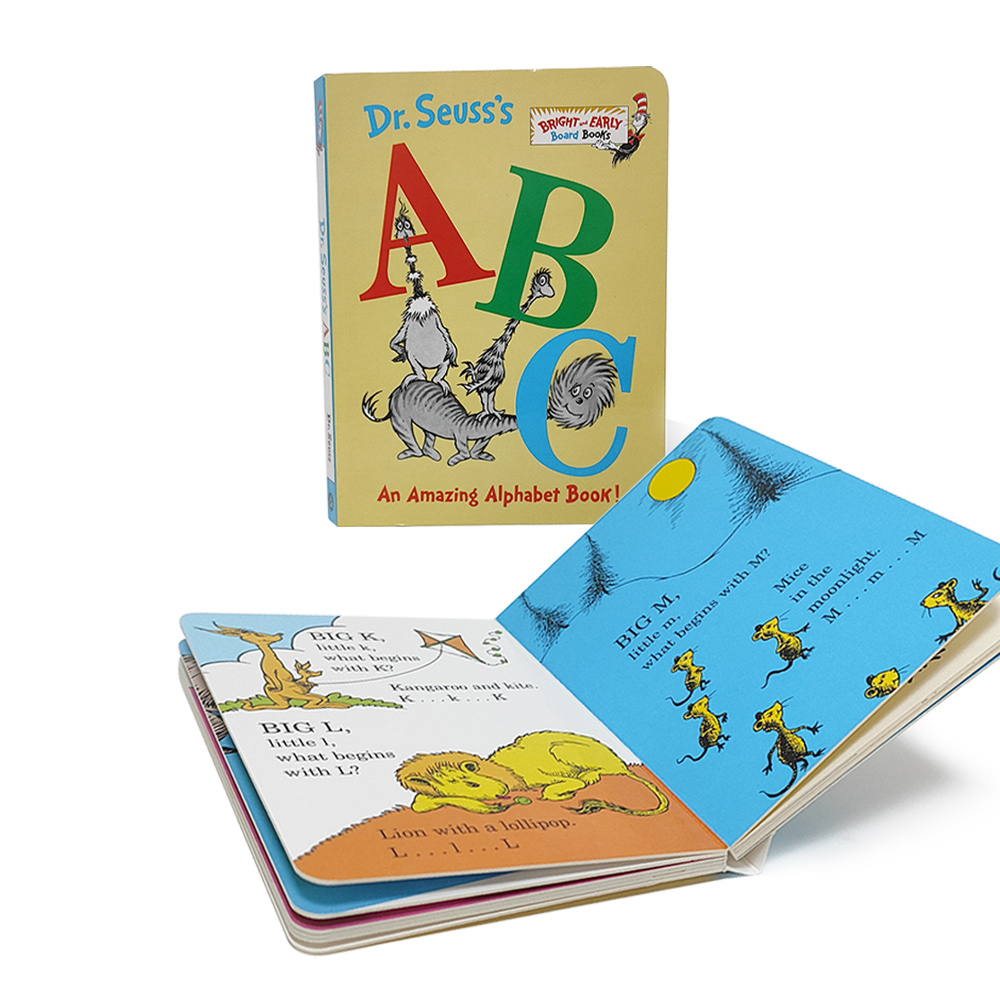
The choice of interior paper for children's books shapes every interaction a young reader has with a story. Beyond aesthetics, this decision profoundly influences the tactile experience, visual clarity, and safety standards that parents and educators expect. Interior paper for children's books must balance durability, comfort, and protection—three pillars that separate outstanding children's literature from mediocre offerings. Understanding how interior paper for children's books contributes to these dimensions helps publishers, educators, and parents make informed decisions about which titles deserve shelf space in classrooms and nurseries.
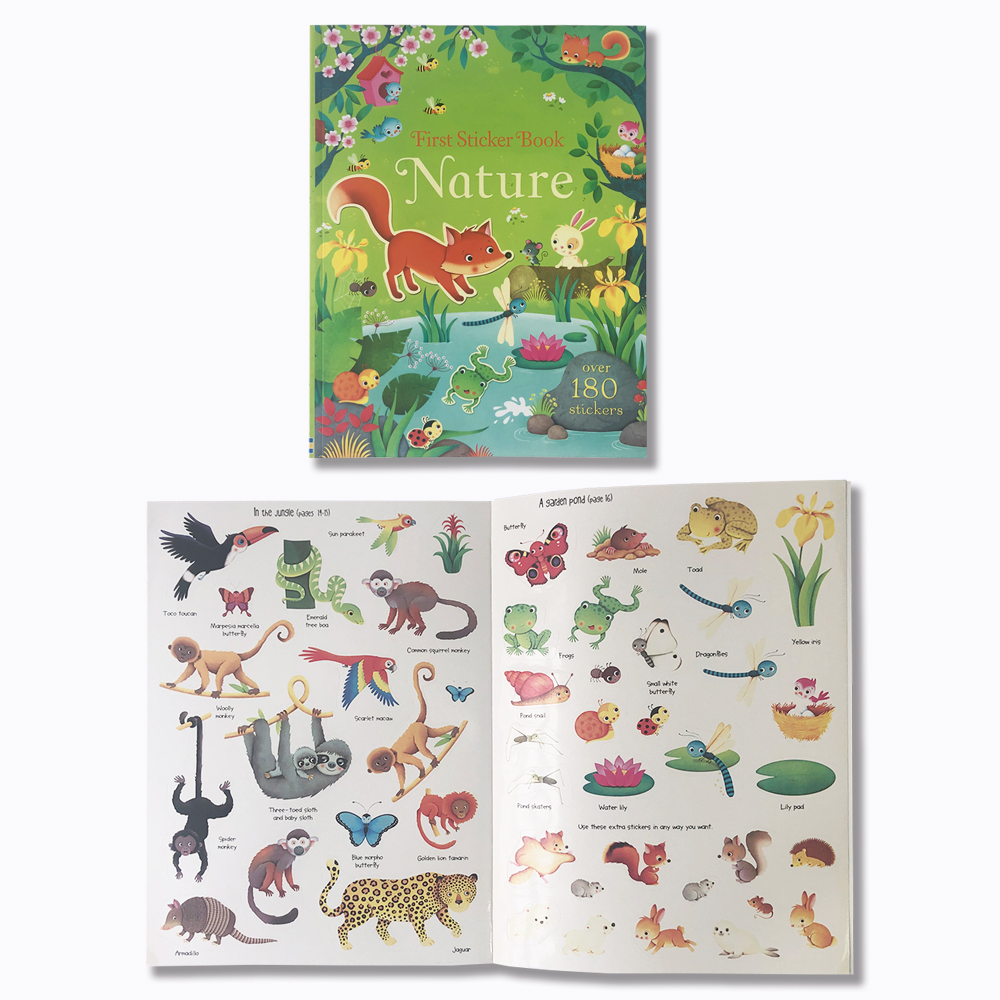
When selecting interior paper for children's books, manufacturers and publishers face competing demands. Children's hands are sensitive and developing, demanding paper that feels pleasant without triggering allergies or skin irritation. Visual reproduction must support illustrations and text without glare, while structural integrity ensures books withstand the frequent handling that defines early childhood reading. The right interior paper for children's books becomes an invisible partner in learning, supporting cognitive development while remaining completely safe.
Understanding Tactile Performance in Paper Selection
How Touch Influences Reading Behavior
The tactile dimension of interior paper for children's books significantly impacts reading engagement and retention. Smooth, appropriately weighted paper encourages children to hold books longer and turn pages with confidence. Rough or overly thin stock discourages interaction, causing young readers to lose focus or avoid books altogether. Research in early literacy consistently shows that multisensory experiences—including touch—strengthen neural pathways associated with learning and memory formation. Interior paper for children's books must therefore provide gentle feedback that feels natural and inviting rather than clinical or unpleasant.
Surface Texture and Sensory Development
Texture directly supports sensory-motor skill development in infants and toddlers. Interior paper for children's books with subtle texture variations can stimulate tactile curiosity without creating rough edges that cause paper cuts or discomfort. Coated papers used in premium interior paper for children's books products often provide a slightly glossy finish that feels smooth while resisting fingerprints and smudging. This balance between texture and practical usability distinguishes high-quality children's publishing from economy options. The paper weight—typically 80 to 200 gsm in interior paper for children's books—determines how the book feels in small hands, with heavier stocks conveying durability while lighter options maintain portability.
Visual Experience and Ink-Paper Interaction
Color Accuracy and Print Quality
Visual storytelling depends entirely on how interior paper for children's books interacts with printing inks. Uncoated papers absorb ink unevenly, creating dull, muted illustrations that fail to capture children's attention. Coated stocks used in premium interior paper for children's books ensure vibrant color reproduction, allowing illustrators' artwork to display with intended brightness and clarity. The coating also reduces ink feathering—where pigment bleeds into paper fibers—producing sharper text and more defined imagery. For picture books where illustrations carry narrative weight, the choice of interior paper for children's books determines whether young readers can fully appreciate visual storytelling.
Glare Reduction and Reading Comfort
Excessive glare from shiny paper surfaces contributes to eye strain, particularly during extended reading sessions common in educational settings. Modern interior paper for children's books products employ matte or satin coatings that reflect light diffusely, reducing uncomfortable glare while maintaining color vibrancy. This coating technology proves especially important for books used in classroom environments where overhead lighting can intensify reflection. The opacity of interior paper for children's books also matters significantly—sufficiently opaque stock prevents show-through, where images from reverse pages distract young readers. Premium publishing standards increasingly specify interior paper for children's books with at least 90 percent opacity to ensure clean, distraction-free reading experiences.
Safety Standards and Material Considerations
Chemical Safety and Compliance Requirements
Children frequently mouth books, particularly during infancy and early toddlerhood, making chemical safety non-negotiable in interior paper for children's books specifications. All paper used in interior paper for children's books must comply with international safety standards including CPSIA requirements in North America and CE marking standards in Europe. These regulations prohibit harmful dyes, heavy metals, and toxic bleaching agents that historically contaminated lower-grade paper products. Responsible manufacturers source interior paper for children's books from suppliers who maintain third-party certification, documenting that products contain no dangerous substances. Soy-based inks, increasingly common in premium interior paper for children's books printing, offer safer alternatives to petroleum-based formulations, particularly important given children's sensitivity to chemical exposure.
Durability and Physical Safety
The structural integrity of interior paper for children's books directly affects safety by preventing paper cuts, splinters, and sharp edges that emerge from poor-quality stock. Properly manufactured interior paper for children's books has finished edges that won't splinter when handled roughly or torn by developing motor skills. Paper thickness and fiber composition determine whether pages will yellow, become brittle, or deteriorate with age—critical factors in both home libraries and school collections. Board book versions use much thicker interior paper for children's books materials, sometimes approaching cardboard density, specifically to withstand the destructive testing that constitutes normal play for very young children. Even standard paperback and hardcover children's titles employ interior paper for children's books specifications exceeding adult book standards, ensuring longevity through intensive use.
FAQ
What is the ideal weight for interior paper in children's books?
Most standard children's picture books use interior paper for children's books ranging from 100 to 150 gsm, providing optimal balance between durability and cost efficiency. Board books designed for toddlers employ much heavier stock, typically 200–300 gsm or thicker cardboard alternatives. The weight selection depends on the book's intended audience—younger children benefit from heavier, more durable interior paper for children's books, while intermediate readers can use lighter stocks. Publishers often test various weights to determine the threshold where interior paper for children's books feels substantial enough for durability without becoming uncomfortable to handle for extended periods.
How does coating affect interior paper safety in children's books?
Coated interior paper for children's books creates a protective barrier that reduces ink migration and chemical leaching, actually enhancing safety for young readers who mouth pages. However, the coating itself must meet rigorous safety standards—low-quality coatings can introduce harmful substances. Premium interior paper for children's books uses FDA-approved, non-toxic coatings designed specifically for products destined for children's use. This coating also prevents ink from transferring to children's hands or mouths, reducing exposure to printing chemicals. The key is sourcing interior paper for children's books from certified manufacturers who document their coating composition and safety testing results.
Can recycled paper be used safely in children's books?
Yes, recycled fiber can be incorporated into interior paper for children's books, provided the manufacturing process meets strict contamination standards. High-quality recycled interior paper for children's books undergoes extensive cleaning to remove inks, adhesives, and contaminants from waste streams. Many premium children's publishers specifically choose environmentally responsible interior paper for children's books made from sustainably managed forests or recycled content, balancing safety with ecological considerations. The key is verifying that recycled interior paper for children's books carries third-party certification confirming heavy metal testing and chemical safety compliance for children's applications.