 EN

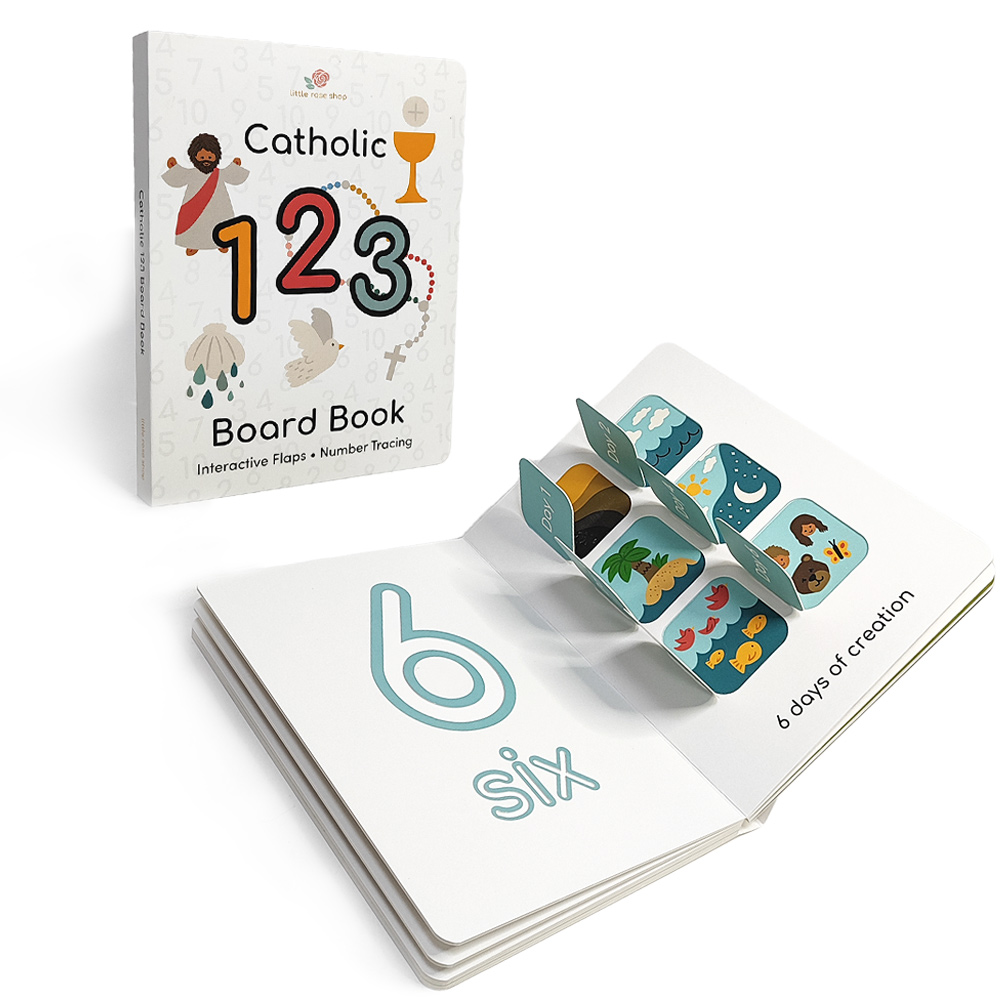
Creating a successful lift the flap book requires more than simply placing flaps over illustrations. The hidden content beneath those flaps must be purposefully designed to captivate young minds, encourage exploration, and build anticipation with each page turn. A well-crafted lift the flap book transforms reading from passive observation into active discovery, making children eager to uncover what lies beneath every folded section.
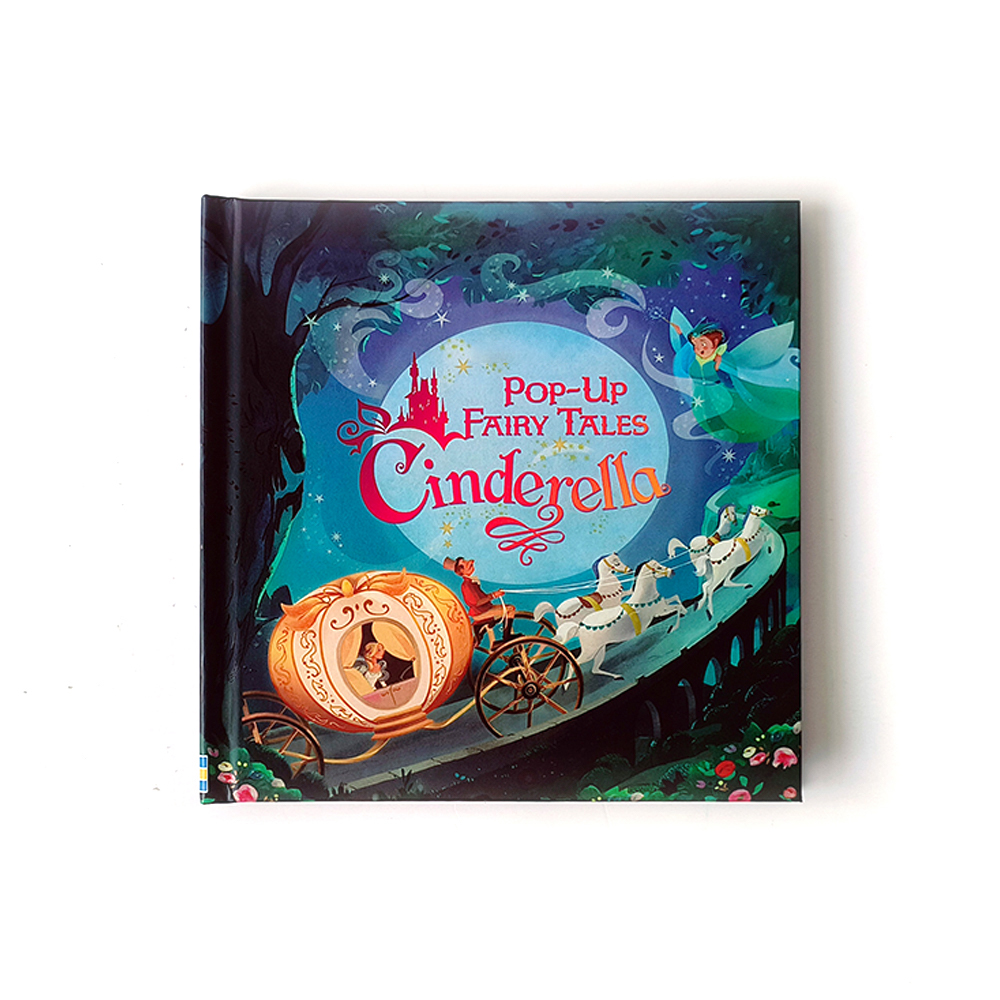
The psychological foundation of a compelling lift the flap book lies in the balance between surprise and logic. Children need to sense that something meaningful awaits beneath each flap, not random or disconnected imagery. This strategic design approach keeps children engaged across multiple readings and prevents the novelty from wearing off quickly, which is essential for books intended to be revisited often.
The Psychology of Hidden Discovery in Lift the Flap Book Design
Building Anticipation Through Strategic Placement
The placement of flaps in a lift the flap book should follow a logical narrative or thematic flow that children can intuitively grasp. Instead of scattering flaps randomly across pages, designers should position them in ways that create a visual pathway guiding children toward the next discovery. When a lift the flap book uses consistent positioning patterns, children develop expectations about where flaps will appear, increasing their engagement and sense of mastery as they navigate each page.
A thoughtfully designed lift the flap book uses the space around flaps as visual cues. Outlines, arrows, handles, or subtle imagery peeking from flap edges invite interaction. These design elements signal to children that exploration is welcome and rewarded. The anticipation builds as children notice these visual hints before lifting, creating a moment of cognitive engagement that enhances the impact of what they discover underneath.
Creating Meaningful Connections Between Flap and Content
Every element visible before lifting a flap in a lift the flap book should logically connect to what lies beneath. If a flap shows a partial image or a question mark, the hidden content should answer, expand, or transform that visible element in a satisfying way. This connection between external and internal content teaches children that cause-and-effect thinking and narrative logic matter in exploration and discovery.
In an effective lift the flap book, the hidden content often reveals something unexpected yet related to the setup. A flap might show a closed door outside a castle, and beneath it, children discover the castle interior transformed with magical scenery. This type of thematic coherence within a lift the flap book keeps children curious rather than confused, encouraging repeated interaction and deeper engagement with the story.
Structural Elements That Amplify Curiosity in Lift the Flap Book Design
Layering Revelations for Progressive Engagement
A sophisticated lift the flap book design uses layered revelations where each flap opens onto information that builds complexity and depth. Rather than showing a simple image under the first flap, a lift the flap book might reveal additional smaller flaps embedded within the primary hidden section, creating nested discovery experiences. This layering strategy dramatically extends engagement time and reinforces children's sense of accomplishment with each new layer uncovered.
The most effective lift the flap book implementations use progressive information reveal to scaffold learning. A single page in a lift the flap book might start with basic questions on the external surface, simple answers under the first flap, and more detailed or playful information under secondary flaps. This multi-level approach accommodates different cognitive abilities and keeps both younger and older children engaged with the same lift the flap book.
Durable Design and Tactile Experience
The durability of flaps directly impacts how long a lift the flap book maintains its ability to spark curiosity. Flaps that tear, become loose, or fail after repeated lifting diminish the discovery experience and frustrate young readers. A well-engineered lift the flap book uses reinforced hinge mechanisms, sturdy cardboard construction, and high-quality binding to withstand hundreds of lifts without degradation.
The tactile quality of lifting flaps in a lift the flap book contributes significantly to the engagement factor. Flaps should have sufficient thickness to feel substantial when held, smooth edges that won't splinter, and handles or tabs sized appropriately for small hands. A high-quality lift the flap book provides satisfying resistance when opening, making the physical act of discovery itself a pleasurable experience that encourages continued interaction.
Content Strategies for Sustained Curiosity in Lift the Flap Book Production
Balancing Education with Entertainment
Content hidden beneath flaps in a lift the flap book should simultaneously educate and entertain without feeling like a lesson. Educational value might include counting opportunities, vocabulary introduction, or conceptual learning, but these elements should emerge naturally through playful discovery rather than obvious instruction. The best lift the flap book designs make learning feel incidental to the fun of lifting flaps and uncovering surprises.
A compelling lift the flap book often uses humor, unexpected imagery, or interactive challenges to maintain entertainment value. Hidden content might include silly expressions on character faces, visual jokes that connect to the main narrative, or interactive prompts asking children to predict what lies beneath the next flap. These elements transform a lift the flap book from a passive viewing experience into active mental engagement that children willingly revisit repeatedly.
Personalization and Choice in Lift the Flap Book Narratives
When a lift the flap book offers multiple flap options on a single page with different outcomes, it introduces an element of agency that significantly boosts curiosity and replayability. Children feel empowered when a lift the flap book allows them to choose which flaps to explore and in what sequence, creating the perception that they control the story progression. This choice-based structure ensures that each reading of a lift the flap book can feel fresh and different.
Some advanced lift the flap book designs incorporate consequence-based choices where lifting different flaps leads to divergent story paths or outcomes. This narrative structure maintains curiosity even after multiple readings because children recognize that they haven't yet explored every possible lift the flap book combination available to them, encouraging continued engagement and discovery.
FAQ
How frequently should flaps appear in a lift the flap book design?
The frequency of flaps in a lift the flap book should increase gradually through the book while maintaining visual balance on each page. Early pages in a lift the flap book might feature one or two flaps to establish the exploration pattern, while later pages can introduce three to five flaps as children become familiar with the format. Too many flaps on a single page in a lift the flap book can overwhelm young readers, while too few may fail to sustain curiosity across multiple pages.
What types of hidden content work best in a lift the flap book?
The most effective hidden content in a lift the flap book includes character transformations, environmental changes, revealed emotions through expression changes, numerical or sequential information, and answers to posed questions. A lift the flap book works exceptionally well when hidden content either completes visual information or introduces unexpected contrasts to what appeared on the external surface. Sensory elements like texture, movable parts, or interactive components within the hidden sections of a lift the flap book further amplify curiosity and engagement.
How can a lift the flap book maintain interest across multiple readings?
A lift the flap book sustains interest through varied discovery sequences, hidden details that children might miss on early readings, progressive complexity in the narrative or illustrations, and the social aspect of reading. When a lift the flap book contains layered information where deeper details emerge on subsequent readings, children remain motivated to revisit the book. Additionally, a lift the flap book that invites discussion or prompts children to predict outcomes encourages repeated engagement and shared discovery experiences with caregivers or peers.