 EN
EN

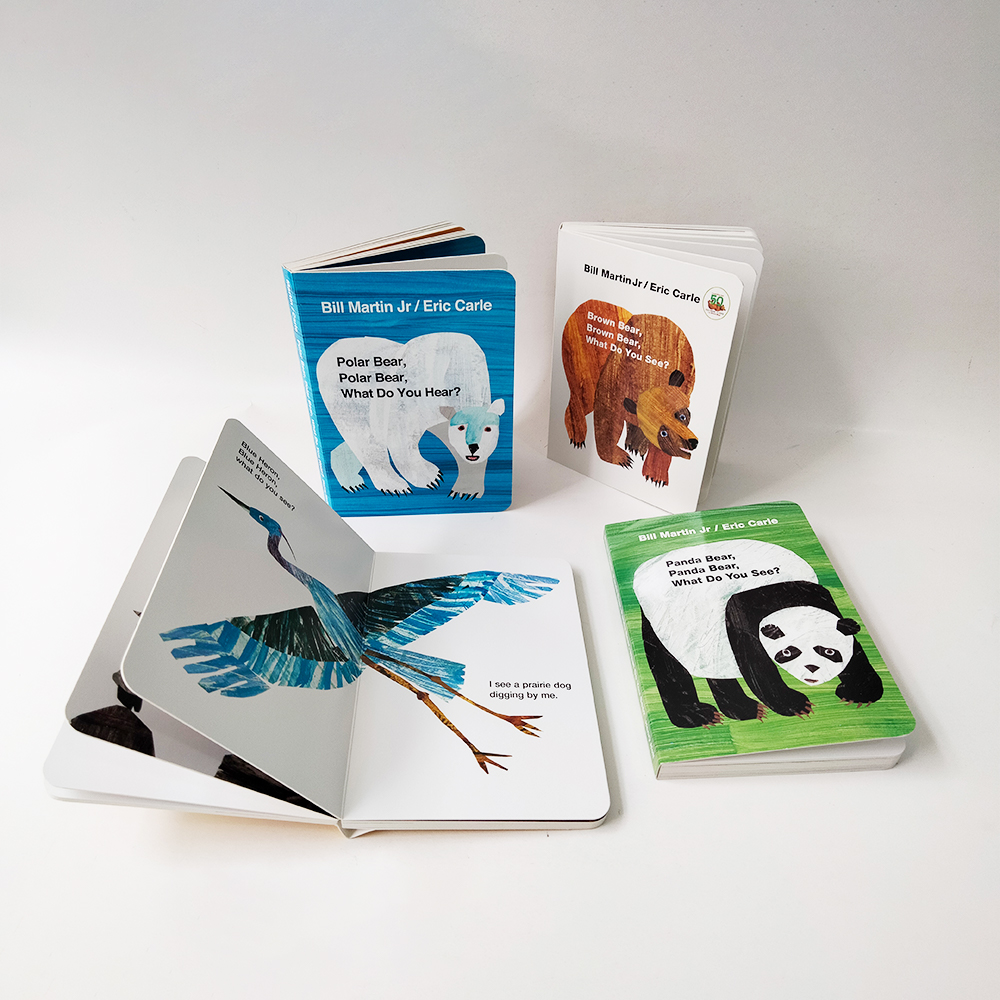
Infant visual development is one of the most critical aspects of early childhood growth, and the tools parents and educators use to support this development can make a significant difference in a child's cognitive and perceptual abilities. A baby book featuring black-and-white cards and high-contrast color patterns serves as a powerful instrument for stimulating the visual cortex during the first months of life. Newborns and infants experience the world primarily through their eyes, and their visual system develops rapidly in response to visual stimuli. Understanding the specific roles that black-and-white cards and vibrant, high-contrast color patterns play in this developmental journey helps parents and caregivers make informed decisions about which educational materials to introduce and when.
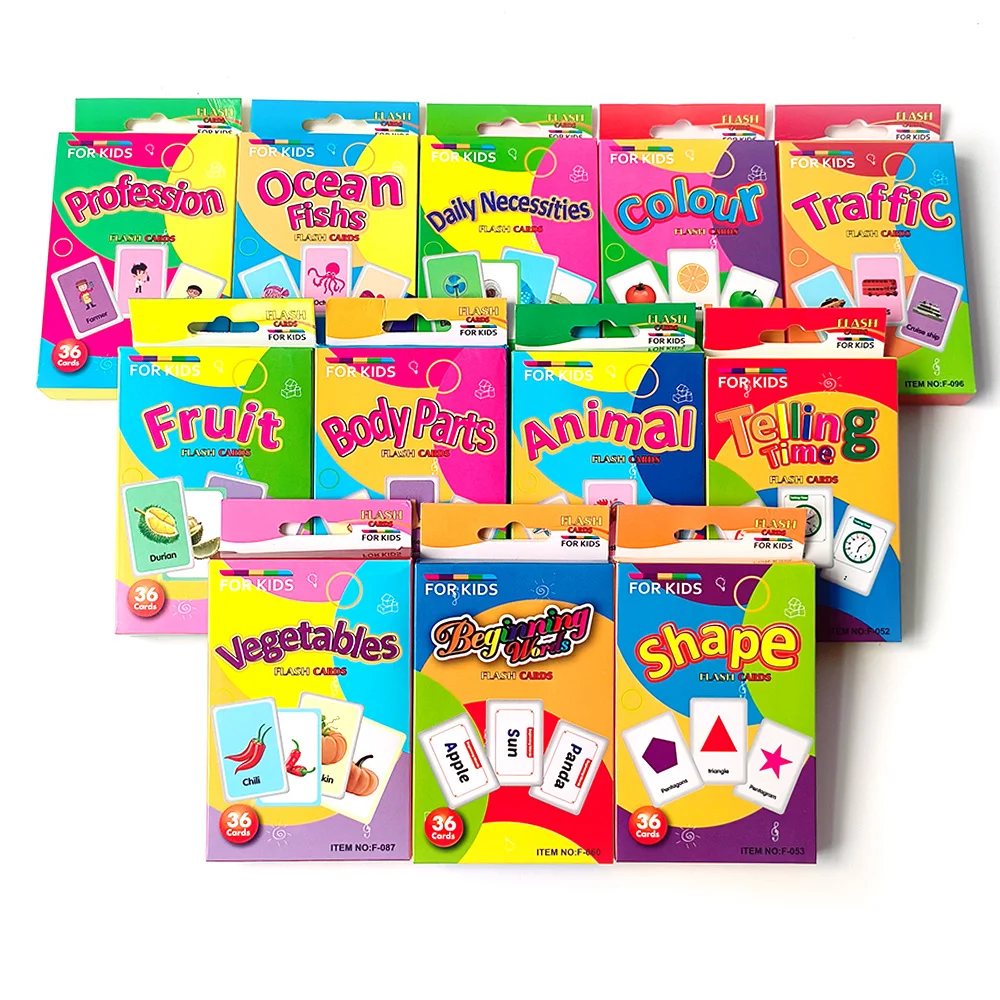
The science behind infant visual stimulation shows that newborns are drawn to contrast and patterns because their visual system is still developing its ability to process complex information. A quality baby book with high-contrast designs addresses this developmental need directly. Black-and-white cards in particular serve a foundational purpose, as they provide the maximum contrast that infant eyes can perceive and track. High-contrast color patterns extend this principle further by introducing colors in bold, saturated combinations that keep infants engaged and support neurological development in the visual cortex. The combination of these elements in a single baby book creates a comprehensive visual learning experience that evolves with the infant's growing capabilities.
The Role of Black-and-White Cards in Early Visual Development
Why Newborns Respond to Black-and-White Contrast
Newborns enter the world with limited visual acuity and color perception, making black-and-white cards an ideal starting point for visual stimulation. The human eye contains color-sensitive cells called cones and light-sensitive cells called rods, but these cells require time to mature and function effectively in newborns. Black-and-white cards bypass the need for advanced color perception and instead leverage the rod cells, which are most sensitive to contrast and movement. When a baby book features strong black-and-white patterns, infants naturally focus their attention on these high-contrast areas, which helps exercise their eye muscles and developing visual pathways. This focused attention is the foundation of visual learning, and a baby book with well-designed black-and-white cards provides exactly the stimulus an infant needs during the critical first weeks and months of life.
Developmental Milestones Supported by Black-and-White Cards
As infants progress through their first three months, black-and-white cards in a baby book continue to play an important role in supporting specific developmental milestones. Between birth and eight weeks, infants begin to develop the ability to track moving objects with their eyes, a skill known as visual tracking. A baby book with bold black-and-white patterns encourages this tracking behavior by giving infants clear visual targets to follow. By the third month, infants typically develop improved focal control and begin to recognize patterns, and a baby book with varied black-and-white designs supports pattern recognition development. The consistent use of high-contrast black-and-white cards helps establish neural pathways in the visual cortex that form the foundation for all future visual learning. Parents who introduce a baby book with black-and-white cards early often notice their infants becoming more alert and responsive to visual stimuli, demonstrating the direct impact of this focused visual input.
The Function of High-Contrast Color Patterns in Infant Visual Awakening
Introduction of Color Perception Through Strategic Contrast
While black-and-white cards establish the foundation of visual development, high-contrast color patterns introduce infants to the world of color perception at a pace aligned with their neurological maturation. By approximately two to three months of age, infants begin to develop improved color vision, though their perception remains limited compared to older children and adults. A baby book that incorporates high-contrast color patterns, such as bright red against deep blue or vivid yellow against dark purple, provides colors that are visually distinct and easy for developing eyes to distinguish. These bold color combinations in a baby book work similarly to black-and-white cards by creating maximum contrast, but they also introduce the additional dimension of color differentiation. The strategic use of high-contrast colors in a baby book supports the development of color-processing neurons in the visual cortex, preparing infants for the full spectrum of colors they will encounter as they grow.
Engagement and Cognitive Stimulation Through Color Dynamics
High-contrast color patterns in a baby book serve not only visual development but also broader cognitive and emotional engagement. Infants naturally prefer to look at novel and engaging stimuli, and the vibrant, contrasting colors in a high-quality baby book capture and hold infant attention more effectively than muted or low-contrast designs. This sustained attention supports multiple developmental domains simultaneously: visual processing, attention span, and early learning behaviors. When a baby book combines high-contrast colors with varied patterns, infants engage in visual exploration and pattern analysis, which builds the neural networks underlying visual perception and memory. The dynamic quality of a baby book with bold colors also provides a multisensory learning opportunity when caregivers narrate or discuss the images with infants, linking visual input with auditory input and social interaction. This integrated approach to infant development through a thoughtfully designed baby book supports not just vision but overall cognitive and social-emotional growth during this critical period.
Integration and Long-Term Visual Development Impact
Combining Black-and-White and Color-Contrast Approaches
The most effective approach to supporting infant visual development involves a baby book that combines both black-and-white cards and high-contrast color patterns rather than relying exclusively on either type. This integrated approach mirrors the natural progression of visual development: black-and-white cards provide the essential contrast and visual engagement that newborns need during their first weeks, while high-contrast colors gradually introduce color perception and visual complexity as the infant matures. A well-designed baby book that progresses from simple black-and-white patterns in early pages to more complex high-contrast colors in later pages provides a developmental scaffold that grows with the infant. This progression supports continuous visual learning and prevents the infant from becoming visually understimulated or overstimulated. The combination of black-and-white cards and high-contrast color patterns in a single baby book creates a comprehensive visual curriculum that addresses the infant's changing needs and abilities over the critical first three to six months of life.
Building Foundation for Future Visual and Cognitive Skills
The visual development supported by a baby book featuring black-and-white cards and high-contrast colors establishes essential foundations for all future visual and cognitive learning. Infants whose visual systems have been stimulated and developed through exposure to high-contrast materials, whether in a baby book or other educational formats, demonstrate improved visual acuity and pattern recognition abilities compared to peers with less structured visual stimulation. These early visual competencies transfer directly to later learning domains: infants with well-developed visual processing skills tend to achieve earlier milestones in object recognition, spatial awareness, and eventually reading readiness. A baby book that provides optimal visual stimulation during the critical early months essentially gives an infant a developmental advantage that extends far beyond infancy. The investment in a quality baby book with thoughtfully designed black-and-white cards and high-contrast colors pays dividends throughout childhood as these foundational visual and cognitive skills underpin all subsequent learning and development.
FAQ
At what age should I introduce a baby book with black-and-white cards?
A baby book featuring black-and-white cards can be introduced from birth and is particularly valuable during the first three months of life. Newborns have limited visual acuity but are naturally drawn to high contrast, making black-and-white patterns in a baby book an ideal early visual stimulus. You can hold a baby book with black-and-white cards at a distance of eight to twelve inches from your infant's face, which is the optimal focal distance for newborns. Many parents begin introducing a baby book with black-and-white designs in the first few weeks after birth and continue using these materials alongside high-contrast color patterns as their infant grows.
How long should infants spend looking at a baby book each day?
There is no strict requirement for how long infants should view a baby book daily, as the optimal duration depends on the infant's age, interest level, and overall developmental needs. For newborns, even brief periods of exposure to a baby book with high-contrast patterns, such as five to ten minutes several times daily, can provide meaningful visual stimulation. As infants mature to three to six months, they can typically sustain attention on a baby book for longer periods, ranging from fifteen to thirty minutes. The key is to follow your infant's cues: when a baby book no longer holds your infant's attention or if your infant appears overstimulated, it is time to pause and resume later. Quality and consistency of visual stimulation through a baby book matter more than quantity.
Can a baby book with high-contrast patterns replace other forms of infant visual stimulation?
While a baby book with high-contrast black-and-white cards and color patterns provides excellent focused visual stimulation, it should be considered one component of a comprehensive approach to infant visual development rather than a complete replacement for all other visual input. Infants benefit from exposure to natural lighting, varied visual environments, faces of caregivers, and movement in their surroundings. A baby book serves to supplement and augment these natural visual experiences by providing structured, scientifically-designed visual input during dedicated learning times. Combining a quality baby book with natural visual exploration and social interaction creates the optimal environment for comprehensive visual and cognitive development during infancy.