 EN
EN

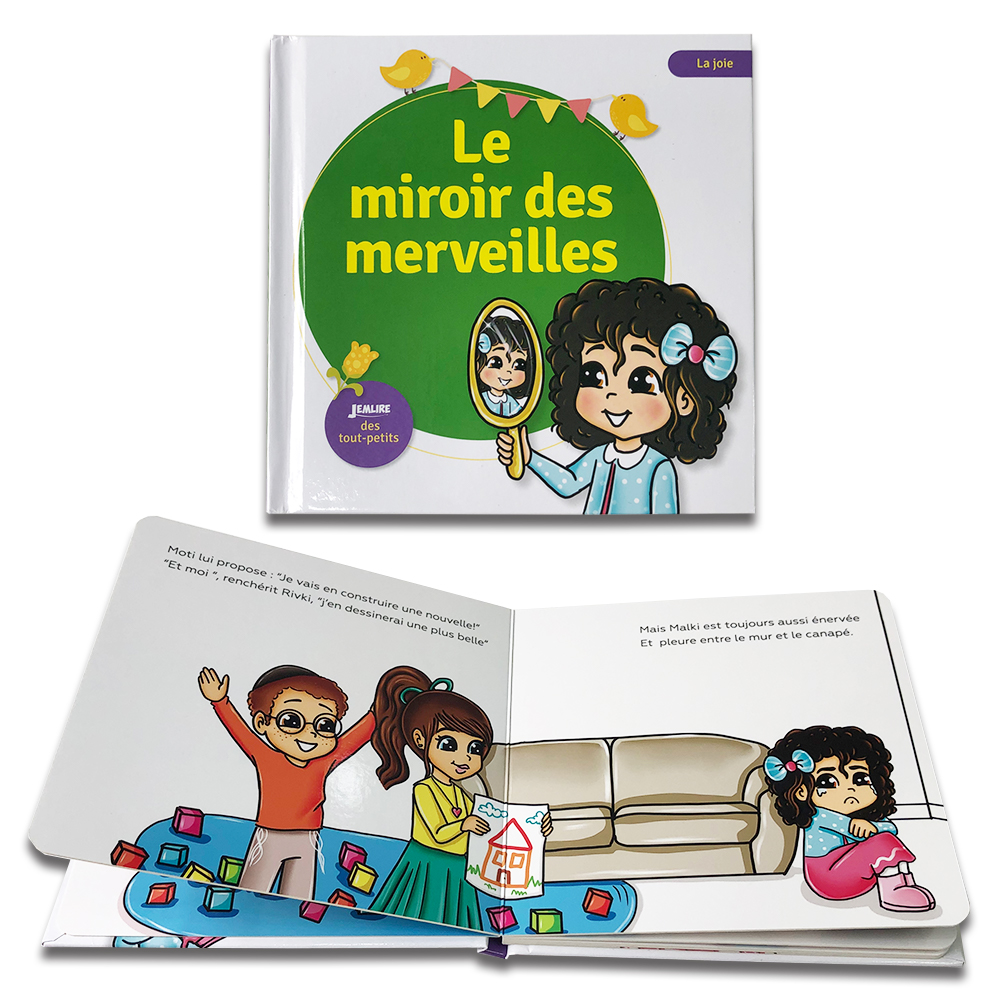
Children's books are not a single, uniform category. The design choices that make children's books compelling for a three-year-old are fundamentally different from those that engage a seven-year-old. Understanding these differences is essential for publishers, educators, and brands who want to create children's books that truly connect with their target readers. Age-appropriate design is the foundation of effective children's books, and getting it right determines whether a child picks up a book eagerly or sets it aside after one glance.
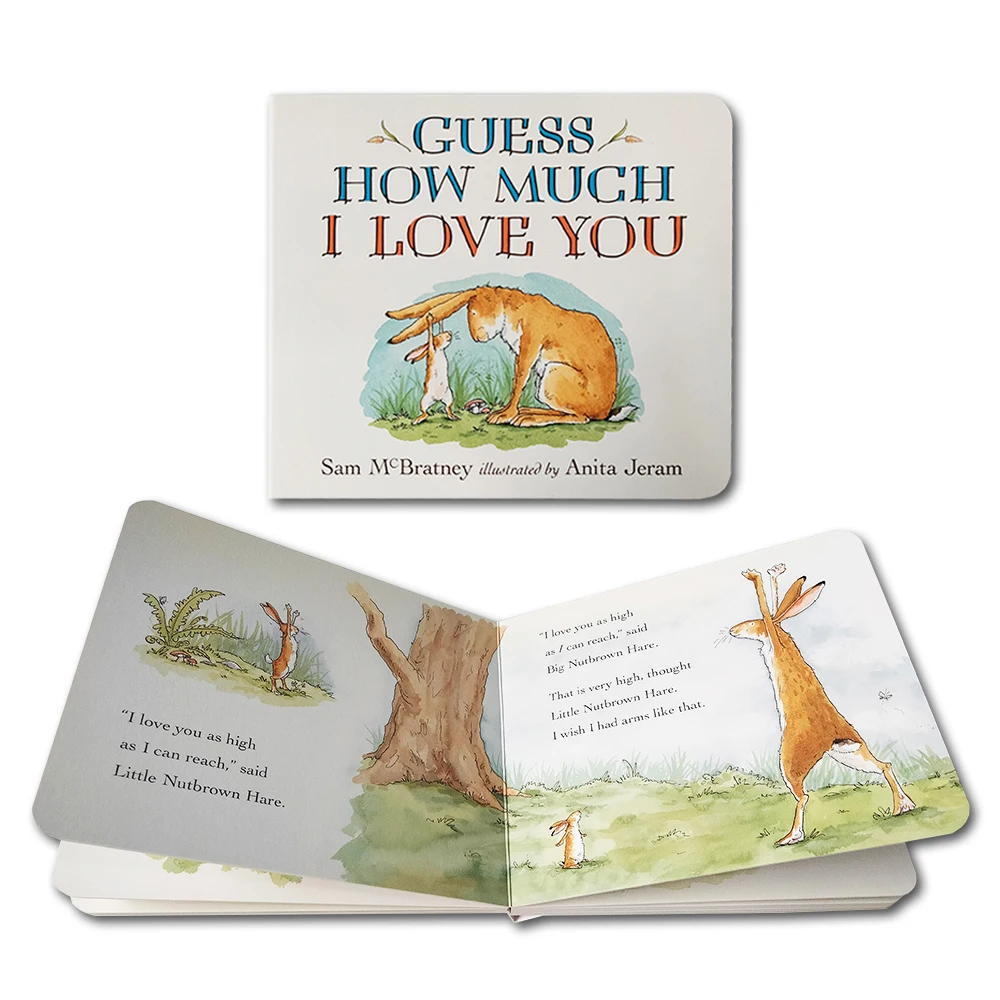
The spectrum of children's books designed for early childhood through middle childhood represents a wide range of cognitive, emotional, and physical development stages. Children's books for ages three to six are shaped by the needs of pre-readers and emerging readers, while children's books for ages seven to ten serve independent readers who are building comprehension and critical thinking. Recognizing how these two groups differ helps designers, authors, and printers deliver children's books that serve a clear developmental purpose. The right design transforms children's books from simple products into genuine learning tools.
Physical Format and Visual Design in Children's Books
Format and Durability Differences
Children's books for ages three to six are most commonly produced in board book or thick paperboard formats. These children's books need to withstand rough handling, including bending, chewing, and repeated dropping. The pages of children's books in this age range are thick, laminated, and easy to grip with small hands. The physical format of children's books for younger readers prioritizes durability above all else, because the reading experience often happens without adult supervision. children's books for ages seven to ten, by contrast, are typically printed in standard paperback or hardcover formats. These children's books are handled with greater care, and thinner pages are acceptable because older children have developed the fine motor skills and awareness needed to treat books gently.
Illustration Style and Color Use
Children's books for the three-to-six age group rely heavily on bold, bright illustrations that occupy most of the page. In these children's books, visuals do most of the storytelling because text is minimal. Colors in children's books for young readers are saturated and contrasting, helping children distinguish characters and objects easily. Children's books for ages seven to ten shift toward more detailed illustrations that complement rather than replace text. These children's books may use subtler color palettes and more complex visual compositions, including background detail and expressive character faces that reward closer attention. The illustration style in children's books is one of the clearest visual signals of the intended age group.
Text Complexity and Narrative Structure
Language and Text Volume
The text in children's books for ages three to six is intentionally simple. These children's books use short sentences, repetitive phrases, and familiar vocabulary. Each page of children's books in this range may contain only one or two sentences, printed in large, clear fonts. This design approach supports early language development and allows caregivers to read children's books aloud with ease. Children's books for ages seven to ten include substantially more text per page. These children's books introduce compound sentences, descriptive language, and paragraph-length passages. The font size in children's books for older readers decreases, and the text-to-image ratio shifts so that words carry more narrative weight than pictures.
Story Depth and Thematic Complexity
Children's books for younger readers focus on simple, concrete themes such as animals, daily routines, colors, and basic emotions. These children's books tell straightforward stories with clear beginnings, middles, and ends. Children's books for ages seven to ten explore more layered narratives, including friendship conflicts, moral dilemmas, and cause-and-effect relationships. These children's books can sustain longer plotlines and more developed characters. The thematic depth of children's books grows significantly between these two age groups, reflecting the expanding social and emotional awareness of older children. Publishers who understand this progression design children's books that challenge readers at exactly the right level.
Interactive Features and Educational Design
Interactivity in Younger Age Children's Books
Children's books for ages three to six frequently incorporate tactile and interactive elements. These children's books may include touch-and-feel textures, lift-the-flap panels, or sound buttons. Such features in children's books support sensory development and keep young readers physically engaged with the reading experience. Children's books with interactive components in this age range also reinforce learning through repetition and multi-sensory input. Designing children's books with these features requires specialized printing and binding techniques that must be factored into production from the earliest stages.
Educational Integration in Older Age Children's Books
Children's books for ages seven to ten approach education differently. These children's books embed learning within the narrative itself rather than relying on physical interactivity. Children's books in this range may include maps, timelines, character glossaries, or discussion questions at the end. These additions help children's books serve dual roles as both entertainment and curriculum support. The educational design of children's books for older readers assumes that children can engage with abstract concepts, follow multi-step instructions, and draw meaning from context. This represents a major design shift from the sensory-first approach used in children's books for younger audiences.
FAQ
Why does font size matter so much in children's books?
Font size in children's books directly affects readability and reader confidence. Children's books for ages three to six use large fonts because young readers are just learning to recognize letters. As children's books for ages seven to ten introduce more text, smaller fonts allow more content per page without overwhelming the layout. The right font size ensures children's books remain accessible and enjoyable at each stage.
How does page count differ across age groups in children's books?
Children's books for ages three to six typically contain between twelve and thirty-two pages, keeping the reading experience short and focused. Children's books for ages seven to ten can range from forty to over one hundred pages, supporting longer narratives. The page count in children's books reflects the attention span and reading stamina of the target audience, and it is a key design decision that publishers must align with developmental expectations.
What printing considerations apply to children's books for younger readers?
Children's books for ages three to six require non-toxic inks, rounded corners, and reinforced bindings to ensure safety and durability. These children's books often use thick board pages that resist tearing. Children's books for older readers use standard paper stocks and binding methods. Any producer of children's books for young children must work with printers who understand child safety standards and can deliver materials that meet those requirements consistently.