 EN
EN

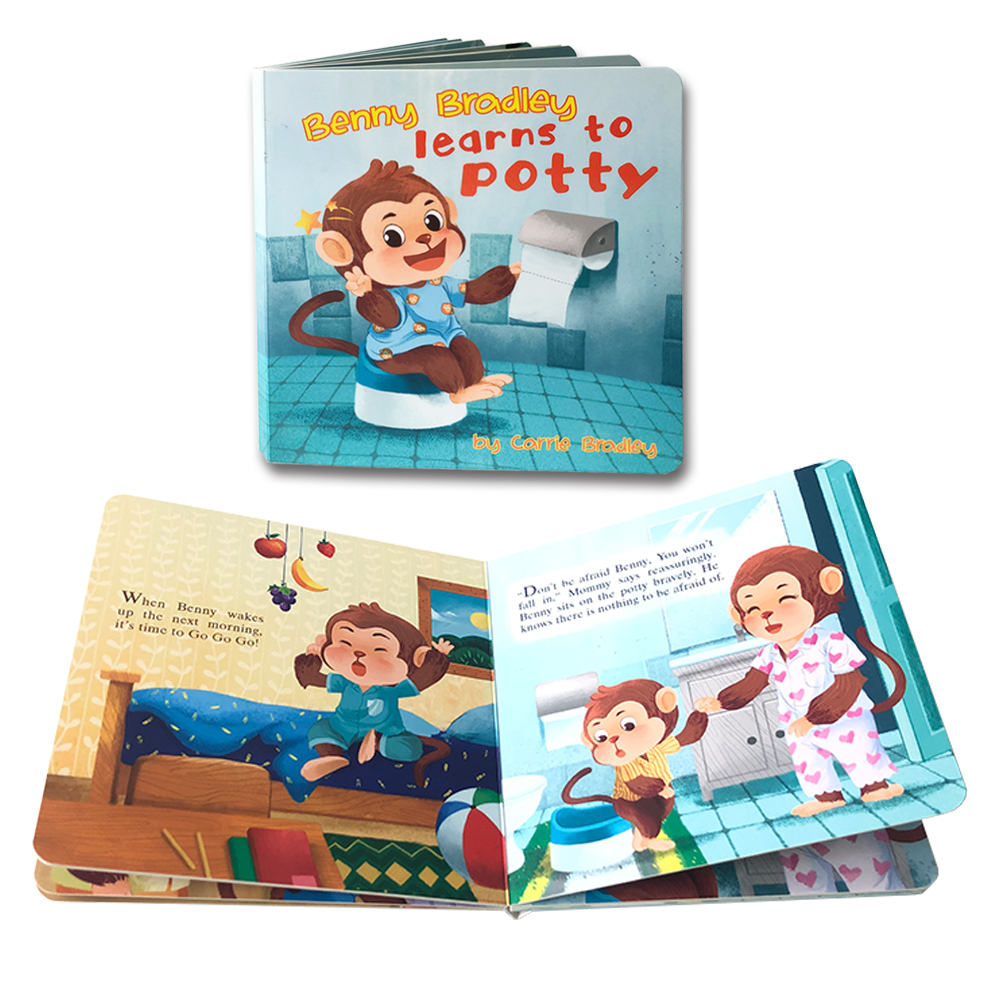
Thoughtful baby book design is not simply about making pages colorful and cute. When it comes to infants aged 0 to 2, every element of baby book design must be deliberately structured to match how young brains actually grow, perceive, and respond. From the contrast levels on a cover to the weight of a board page, each decision in baby book design directly influences whether a child can engage with it meaningfully at a given developmental stage. Publishers, educators, and custom printing partners increasingly recognize that baby book design rooted in cognitive science produces better learning outcomes and stronger parent-child interaction during reading sessions.
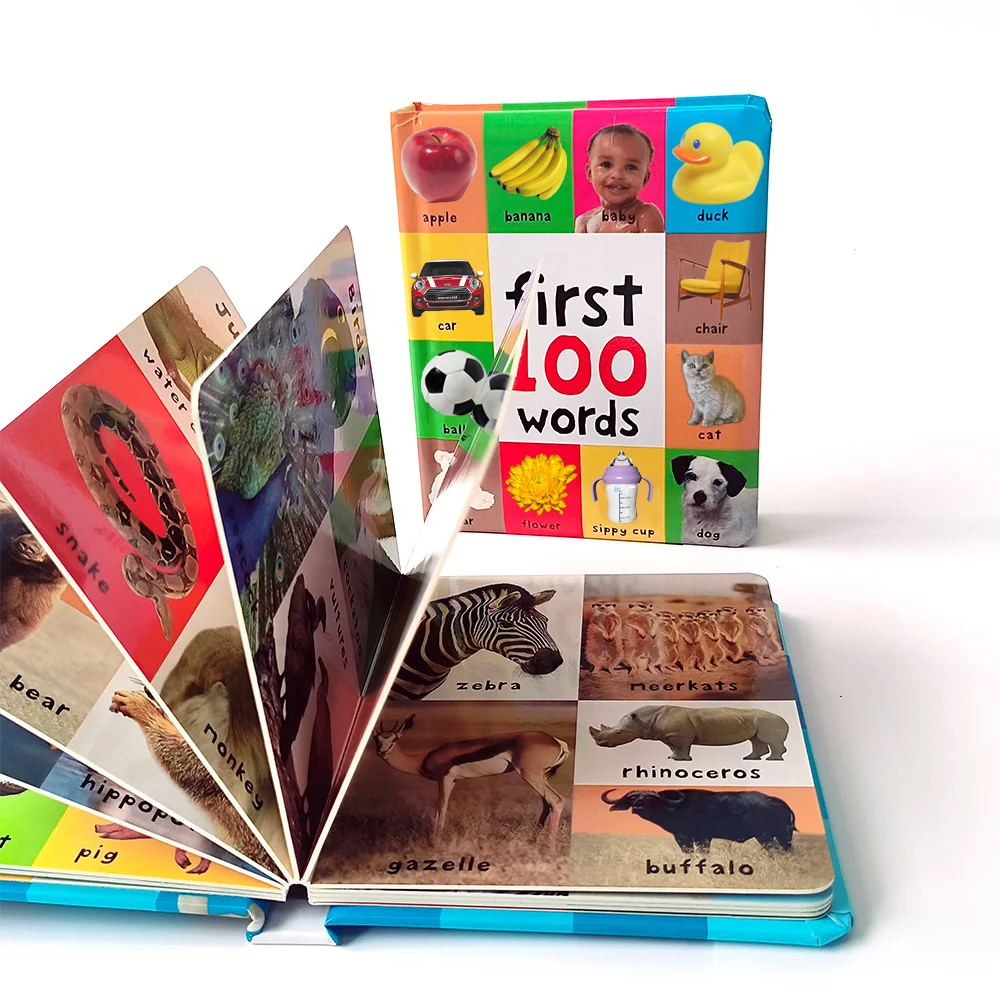
The cognitive development of infants between birth and age two moves through distinct phases, and professional baby book design must respect these phases rather than ignore them. A book created without this framework may look appealing to adults but remain cognitively inaccessible to the child it is meant for. Understanding how perception, memory, language, and motor skills emerge across this two-year window is the foundation of any high-quality baby book design strategy. This article explains exactly how baby book design should be structured at each stage to align with infant developmental science.
Visual Perception and Baby Book Design in the First Six Months
High Contrast as the Core Visual Principle
In the first three months of life, an infant's visual system is still maturing. The eyes cannot yet distinguish subtle color differences, which is why effective baby book design for newborns relies primarily on high-contrast black and white patterns. Strong geometric shapes, bold outlines, and stark contrast stimulate the developing visual cortex far more effectively than pastel gradients. Purposeful baby book design at this stage uses maximum contrast to hold the infant's gaze and promote visual tracking, which is one of the earliest cognitive skills to emerge. Any baby book design that incorporates soft, low-saturation palettes for newborns is fundamentally misaligned with visual science.
Introducing Color Progressively in Baby Book Design
By three to six months, color vision begins to develop, and baby book design should evolve accordingly. Primary colors — red, blue, and yellow — become visually accessible and cognitively stimulating for infants at this stage. The best baby book design transitions from high-contrast black and white into bold, clean primary color fields. Busy or complex backgrounds in baby book design overwhelm this age group, because figure-ground discrimination is still forming. Keeping backgrounds plain and subjects large and centrally placed is a core rule for baby book design targeting infants at this developmental window.
Tactile and Motor Engagement in Baby Book Design for Ages 6 to 18 Months
Physical Format as a Cognitive Tool
As infants develop gross and fine motor skills between six and eighteen months, baby book design must account for how they physically interact with books. At this stage, infants mouth, grab, and bang books, which is why baby book design that uses thick, durable board pages is not merely a durability decision — it is a cognitive and safety decision. The thickness and rigidity of the pages in baby book design affect how easily a child can turn pages independently, which supports the development of intentional action and cause-effect understanding. A well-considered baby book design uses rounded corners, non-toxic coatings, and manageable page weight to ensure safe and rewarding physical interaction. Tactile variety, such as textured inserts in baby book design, adds a sensory dimension that reinforces neural pathway development.
Object Permanence and Visual Continuity in Baby Book Design
Around eight to twelve months, infants begin developing object permanence — the understanding that things continue to exist even when out of sight. Baby book design can actively support this milestone by incorporating simple peek-a-boo elements, lift-flap mechanisms, or repeated character appearances across pages. When baby book design features the same illustrated character appearing in different scenes throughout the book, it reinforces memory and recognition, two critical cognitive skills at this age. Consistent visual identity across a baby book design also supports early categorization, helping infants begin to group and relate objects mentally.
Language Acquisition and Baby Book Design for Ages 18 to 24 Months
Word-to-Image Mapping in Baby Book Design
Between eighteen and twenty-four months, infants enter a phase of rapid vocabulary acquisition. Baby book design at this stage must prioritize clear, unambiguous word-to-image mapping. Each page of an effective baby book design should feature a single, dominant image paired with one clearly printed label or short phrase. Cluttered layouts in baby book design confuse children who are just beginning to connect spoken language with visual representations. The typography used in baby book design for this age group should be large, simple, and placed in a predictable location on each page to reinforce reading direction and word recognition. A well-structured baby book design like a first-words or first-animals format directly supports the vocabulary growth surge happening in the brain at this exact stage.
Repetition and Rhythm as Structural Design Principles
Repetition is one of the most underused yet most powerful tools in baby book design for toddlers approaching age two. When baby book design follows a predictable page structure — same layout, same visual rhythm, same sentence pattern — it reduces cognitive load and allows the child to focus on new vocabulary rather than decoding the format. Repetitive baby book design also empowers caregivers to read more expressively and interactively, which amplifies the language learning effect. The structural predictability of baby book design at this stage is not a creative limitation; it is a deliberate cognitive scaffold that aligns with how the developing brain processes and stores new information.
FAQ
Why does baby book design need to change as infants grow?
Infant cognitive abilities change dramatically across the first two years of life. Baby book design that matches a newborn's visual range will be too simple for a toddler, while baby book design built for a two-year-old will overwhelm a newborn. Aligning baby book design with developmental stage ensures the content is cognitively accessible and genuinely stimulating rather than frustrating or ignored.
What physical features matter most in baby book design for infants under one year?
For infants under twelve months, baby book design should prioritize thick board pages that are easy to grip and turn, rounded corners for safety, non-toxic surface coatings, and large high-contrast images. The physical format of baby book design at this age is as important as the visual content because infants learn through touch and physical manipulation, not just sight.
How does baby book design support early language development?
Baby book design that pairs single, clear images with one bold printed word or short phrase directly supports word-to-image mapping, which is the foundation of early vocabulary. When caregivers read baby book design content aloud and point to the images, they create multi-sensory language experiences. Repetitive page structures in baby book design also help toddlers anticipate and participate in reading, which accelerates language acquisition.