 EN
EN

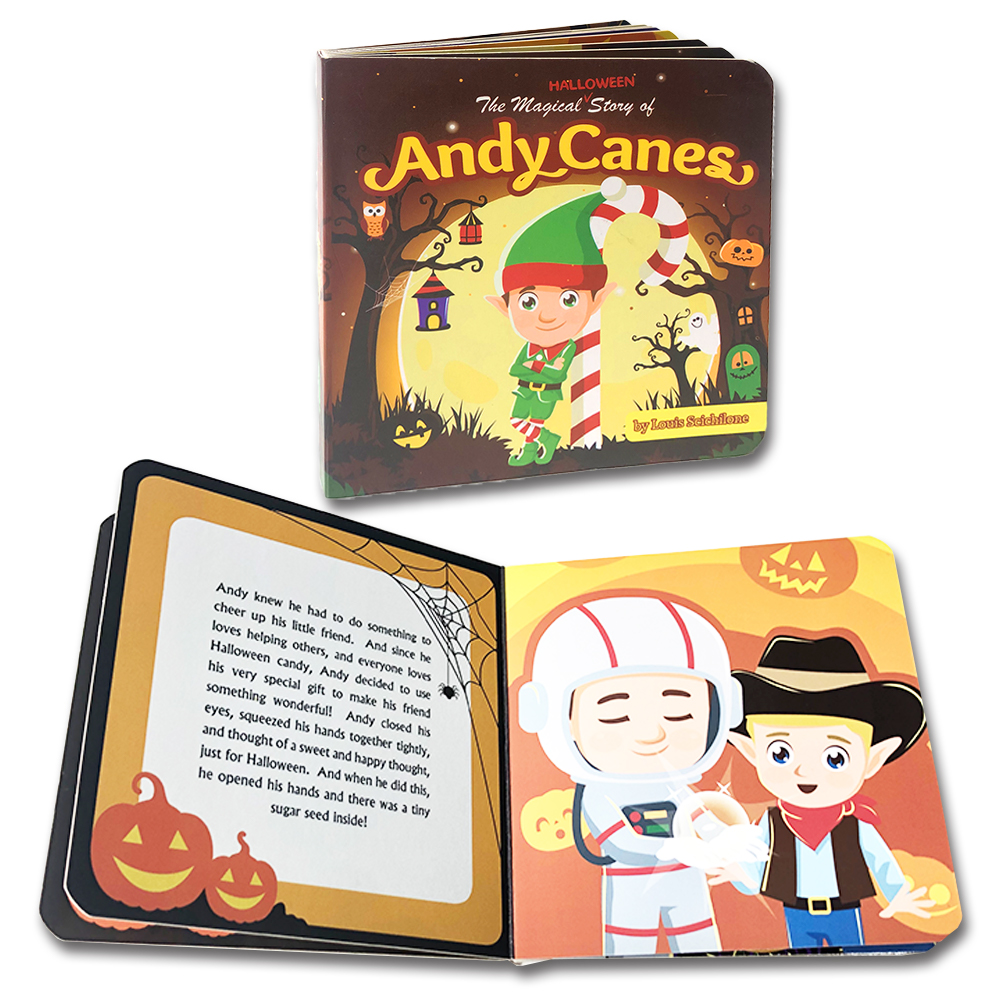
Creating educational children's books that genuinely engage young readers is one of the most rewarding challenges in publishing. When educational elements are handled well, they become invisible — children absorb knowledge naturally through the joy of a great story. When they are handled poorly, the narrative feels like a lecture, and young readers quickly lose interest. Understanding the balance between learning and fun is the foundation of every successful educational children's books project.
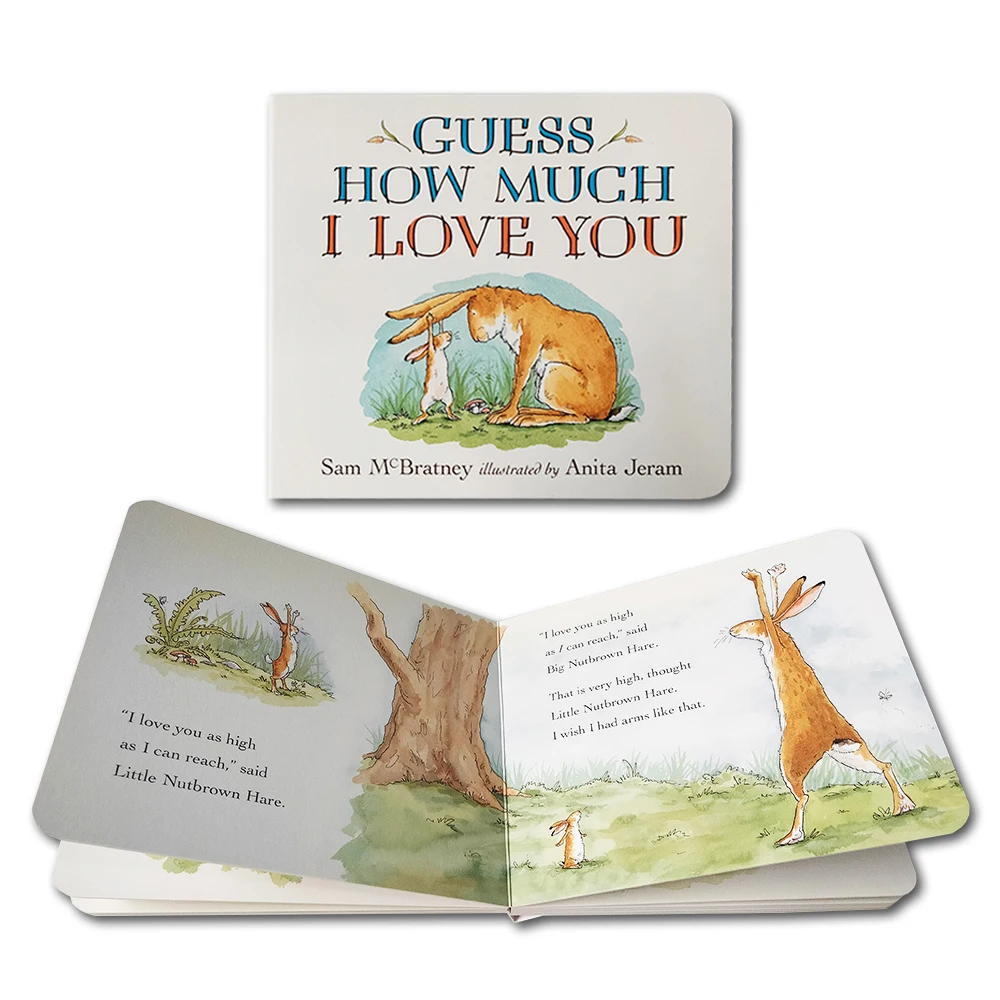
Authors and publishers who produce educational children's books need a clear strategy before the first word is written. The goal is not to insert facts into a story but to let the story carry those facts so naturally that children discover them along the way. This guide explores practical, proven approaches that keep educational children's books both instructive and genuinely delightful to read, page after page.
Embedding Learning Inside the Story World
Let Characters Drive the Educational Content
The most powerful technique in educational children's books is assigning the learning mission to the characters rather than to the narrator. When a curious rabbit counts stepping stones to cross a river, children practice counting without realizing they are in a math lesson. Educational children's books that use character-driven discovery allow young readers to experience knowledge as adventure rather than instruction. This approach works across every subject — from science concepts to social-emotional skills — and it keeps the story momentum alive throughout educational children's books of any length.
Character motivation is especially important in educational children's books aimed at toddlers and early readers. A character who wants something, faces an obstacle, and uses a skill or piece of knowledge to overcome that obstacle creates a natural learning arc. Educational children's books built on this structure teach without preaching, which is precisely what makes them memorable for both children and parents.
Use Repetition as a Storytelling Device
Repetition is a core feature of effective educational children's books because it mirrors how young minds actually retain information. Rather than introducing a concept once and moving on, strong educational children's books return to the same idea in slightly different contexts across multiple pages. This technique reinforces learning while also creating the rhythmic, predictable quality that young children find comforting and engaging. Skilled writers of educational children's books treat repetition not as redundancy but as a storytelling beat that builds both comprehension and anticipation.
Choosing the Right Format for Educational Impact
Board Books and Interactive Formats
Format choice has a direct impact on how effectively educational children's books deliver their learning goals. Board books designed for the youngest readers should carry simple, clear educational messages supported by bold visuals. Interactive educational children's books — those with textures, flaps, or prompts — invite physical participation, which significantly deepens cognitive engagement. When commissioning or designing educational children's books, publishers should align the format with the developmental stage of the target audience to ensure the educational content lands at the right moment in a child's growth.
For slightly older children, educational children's books can incorporate slightly more complex narratives while still using visual cues to reinforce key concepts. Illustrations in educational children's books are not decorations — they are teaching tools. Every spread in well-produced educational children's books should allow the image and the text to each carry a portion of the educational message, so even pre-readers absorb meaningful content through the artwork alone.
Pacing and Page-Turn Logic
Pacing is an often-overlooked dimension of educational children's books. Each page turn in educational children's books should feel like a small reward — a new discovery, a laugh, or a satisfying resolution to a mini-question raised on the previous page. Authors who master pacing in educational children's books understand that learning happens in the pauses and transitions, not only in the climactic moments. Tight, purposeful pacing prevents the common mistake of overloading educational children's books with too many concepts per spread, which dilutes both the storytelling and the educational value.
Practical Writing Techniques That Protect the Fun
Prioritize Emotional Connection Over Information Delivery
The most impactful educational children's books lead with emotion rather than data. A child who feels something — excitement, empathy, surprise, or humor — will remember the lesson attached to that feeling far longer than one who simply reads a fact. Writers of educational children's books should ask at every stage: does this page make a child feel something? Educational children's books that trigger genuine emotional responses are the ones that get read again and again, and repeated reading is itself one of the most powerful educational outcomes any book can achieve.
This emotional-first approach also guides decisions about tone. Educational children's books with warmth, gentle humor, and relatable situations feel like shared experiences rather than lessons. When parents and children read educational children's books together, the emotional resonance becomes a bonding experience, and learning is reinforced in a social context that multiplies its effect.
Edit Out the Obvious Lesson Signals
One of the clearest signs that educational children's books are working is the absence of obvious lesson markers. Phrases like 'and the moral is' or 'remember, children' break immersion and remind young readers they are being taught rather than entertained. The best educational children's books communicate their learning goals so seamlessly that children only recognize the lesson in retrospect, often when they apply the knowledge in real life. Reviewing every draft of educational children's books with the question 'does this feel like a story or a lesson?' is a simple but effective editorial filter.
FAQ
What age groups benefit most from educational children's books?
Educational children's books are valuable across all early childhood stages, from board books for infants to illustrated storybooks for ages six to eight. The format, vocabulary, and complexity of educational children's books should be carefully calibrated to match the developmental needs of the specific age group being targeted.
How many educational concepts should one book cover?
The most effective educational children's books focus on one or two core concepts per title. Overloading educational children's books with multiple learning goals tends to dilute the storytelling and confuse young readers. A single well-developed idea, delivered through an engaging narrative, produces stronger learning outcomes than a broad curriculum squeezed into one book.
Does print quality matter for educational children's books?
Print quality plays a significant role in the overall effectiveness of educational children's books. Vivid, accurate colors, durable materials, and clean typography all support comprehension and engagement. High-quality production in educational children's books also signals credibility to parents and educators, making them more likely to choose and recommend those titles.