 EN
EN

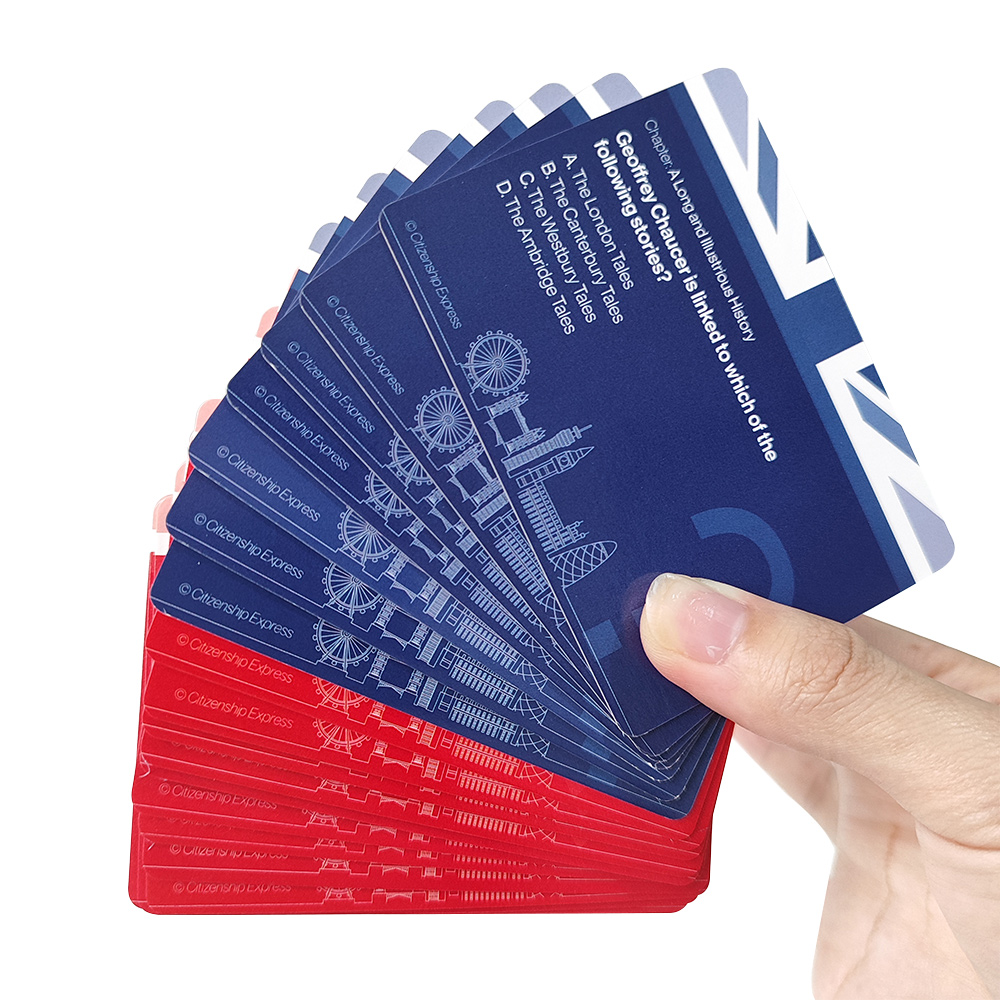
Every successful card game begins with a well-crafted core mechanism that determines how players interact, make decisions, and experience the overall flow of play. Whether you are designing a card game for casual enjoyment, competitive play, or adult couples, the underlying mechanical framework sets the foundation for everything that follows. The way a card game distributes power, restricts choices, and rewards skill directly influences whether players feel challenged, engaged, or frustrated throughout each session.
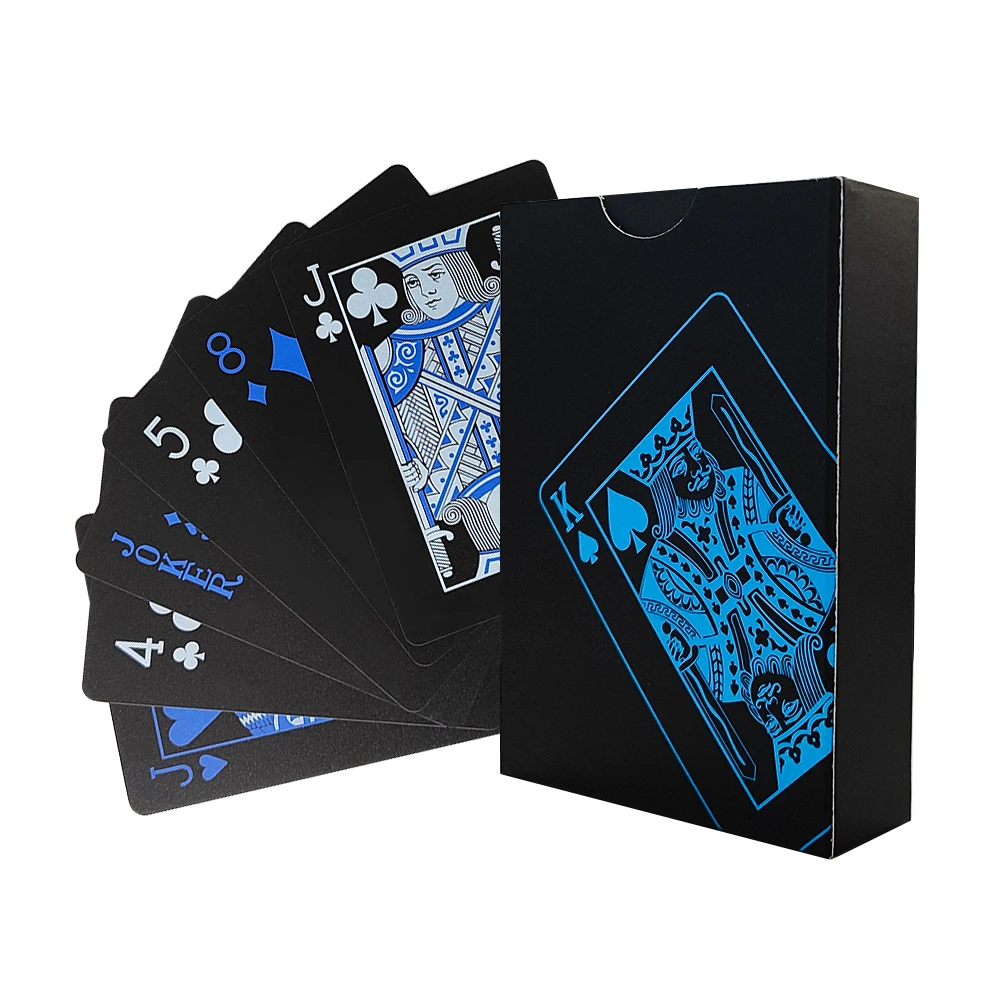
Understanding the relationship between card game mechanics, game balance, and player immersion is essential for anyone involved in card game development, manufacturing, or custom printing. A card game that achieves harmony between these elements creates a memorable experience that players return to repeatedly. In contrast, a card game with poor mechanical design will quickly lose its appeal, no matter how attractive its visual presentation may be. This article explores how the core mechanism design of a card game shapes both balance and immersion at every level of play.
The Role of Core Mechanics in Card Game Structure
How Action Economy Defines the Card Game Experience
The term 'action economy' refers to how many meaningful decisions a player can make during each turn of a card game. In any well-designed card game, action economy must be carefully calibrated so that no single player gains an overwhelming advantage simply by having access to more actions. When a card game grants too many actions to one side, the opposing player quickly feels powerless, which destroys the sense of fair competition that drives immersion. A balanced card game ensures that every turn presents genuine choices without making any single option obviously dominant.
Card game designers often use hand size limits, resource costs, and timing restrictions to control action economy. These constraints shape the strategic depth of the card game and force players to think ahead rather than react moment to moment. A card game with tightly controlled action economy tends to produce closer, more exciting matches, which in turn deepens player investment in each session. When players feel their decisions truly matter, the card game becomes an immersive experience rather than a mechanical exercise.
Resource Systems and Their Impact on Card Game Balance
Resource systems are among the most influential card game mechanics when it comes to balance. In a card game that uses a resource-based system, players must manage a limited pool of points, tokens, or energy to play cards each turn. The design of this resource system determines how quickly a card game escalates and whether powerful cards can be played too early or too easily. A well-tuned card game resource system creates natural pacing that allows both players to develop their strategies before the decisive confrontation.
When a card game resource system is poorly balanced, certain cards or strategies become dominant regardless of player skill. This creates what designers call a 'solved' card game, where players converge on the same optimal approach and variety disappears. A card game that avoids this problem through thoughtful resource costing keeps its strategic space open and ensures that multiple valid approaches exist. This openness is critical for long-term card game engagement and replay value.
Mechanism Design and the Architecture of Player Immersion
Narrative Integration Within Card Game Mechanics
Player immersion in a card game is not purely a matter of visual art or theme. The mechanics themselves must reinforce the narrative or emotional tone that the card game intends to create. For example, a card game designed around tension and mystery should include mechanics that withhold information, create suspense, and reward deduction. When the card game mechanics align with the intended emotional experience, players naturally invest more deeply in the outcome of each session.
A card game for adult couples benefits greatly from mechanics that encourage interaction, communication, and shared decision-making rather than solo optimization. In this context, the card game design prioritizes emotional engagement over competitive precision. The mechanism must create moments where players feel connected to each other through the card game rather than isolated within their own strategic calculations. Thoughtful card game design achieves this by building interaction directly into the core rules.
Feedback Loops and Tension Curves in Card Game Design
Every card game generates feedback loops, which are cycles where the outcome of one action influences the probability or impact of future actions. Positive feedback loops in a card game can accelerate a winning player toward victory, creating a 'snowball' effect. Negative feedback loops in a card game give trailing players tools to recover, maintaining tension until the final turn. Both types of feedback loops must be deliberately balanced to keep the card game exciting without feeling arbitrary.
The tension curve of a card game describes how excitement and stakes rise and fall throughout a session. A well-designed card game builds tension gradually and delivers a satisfying climax near the end rather than resolving too early or dragging on without meaningful decision points. Managing this tension curve through card game mechanics is one of the most sophisticated challenges in card game design, requiring iteration, playtesting, and a deep understanding of player psychology.
Custom Printing and How Physical Design Supports Card Game Mechanics
Card Layout and Mechanical Clarity in Card Game Production
The physical format of a card game has a direct impact on how clearly its mechanics communicate to players. When a card game is produced with clear iconography, logical card layouts, and consistent visual hierarchy, players can process the rules more quickly and focus their attention on strategic thinking rather than rulebook consultation. A professionally printed card game reduces cognitive friction and allows the mechanical depth to shine through without unnecessary confusion.
Custom card game printing allows designers to tailor every element of the card face to support the intended card game mechanics. From the placement of resource cost indicators to the visual weight of card categories, each design choice either reinforces or undermines the card game's mechanical logic. Working with an experienced card game manufacturer ensures that the printed product faithfully translates the designer's mechanical vision into a tangible, playable format.
Packaging and the First Impression of a Card Game
Before a player ever shuffles the deck, the packaging of a card game shapes their expectations and emotional readiness. A card game packaged with care signals quality and intentionality, priming players to engage more seriously with the mechanics inside. Packaging that reflects the card game theme also contributes to immersion by extending the game world beyond the table. For custom card game projects, investing in thoughtful packaging is as strategically important as investing in the mechanics themselves.
FAQ
What is the most important mechanic to balance in a card game?
The resource system is typically the most critical card game mechanic to balance, as it controls how quickly powerful cards enter play and whether the card game remains competitive throughout each session. A well-balanced card game resource system prevents any single strategy from dominating all others.
How does card game design affect player immersion differently for casual versus competitive audiences?
For casual audiences, a card game achieves immersion through emotional resonance, accessible rules, and satisfying moments of interaction. For competitive audiences, a card game achieves immersion through strategic depth, meaningful choices, and a fair competitive environment. The core card game mechanics must be tuned differently depending on the intended audience and play context.
Can custom printing improve the mechanical experience of a card game?
Yes, custom printing directly supports card game mechanics by ensuring that card information is clearly presented and visually intuitive. A well-printed card game reduces rule confusion and allows players to engage more fully with the strategic layer of the card game. Quality card game printing also enhances perceived value, which contributes to overall player immersion and satisfaction.