 EN
EN

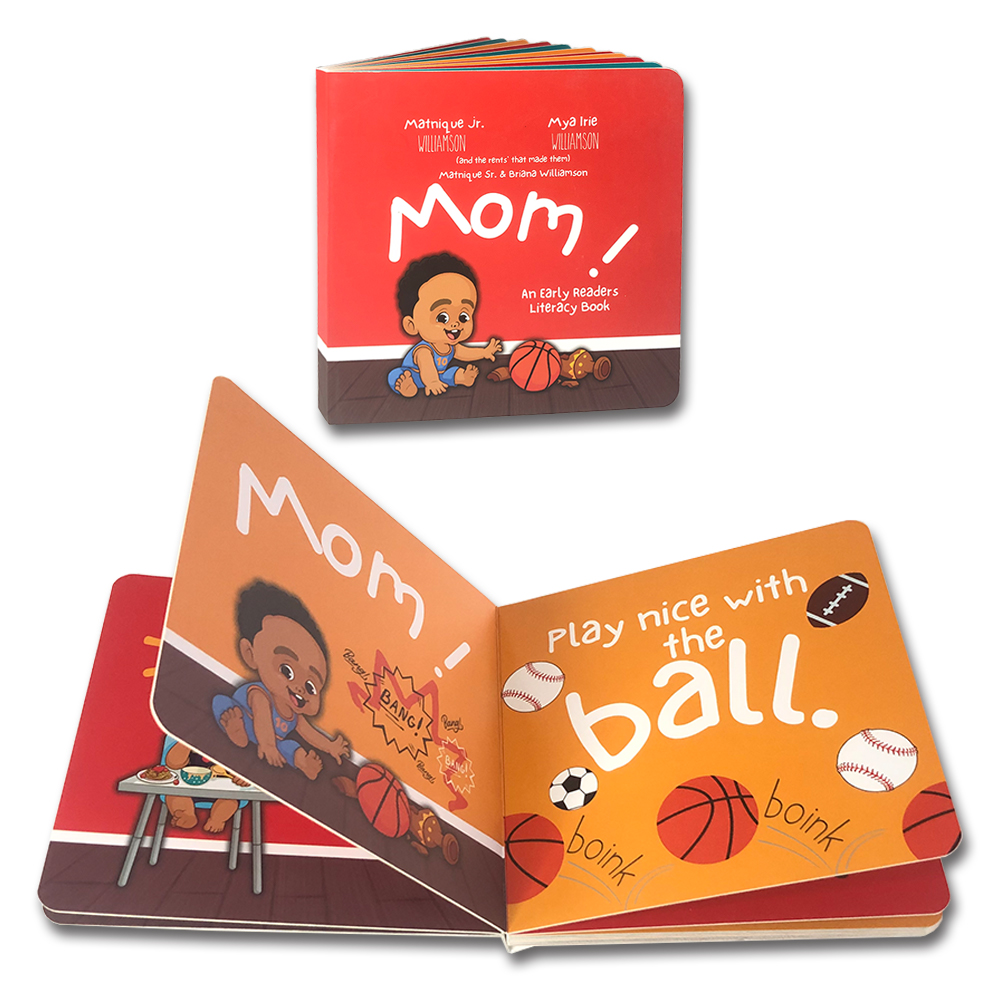
Designing a truly engaging baby book goes far beyond choosing colorful illustrations. When a baby book incorporates built-in safe mirrors, crinkle paper, and other sensory stimulation elements, it transforms from a passive reading object into an active developmental tool. Parents and educators increasingly seek a baby book that supports tactile, visual, and auditory learning in the earliest months of life. Understanding how to design such a baby book requires careful planning of materials, layout, and interactive features that are both safe and stimulating.
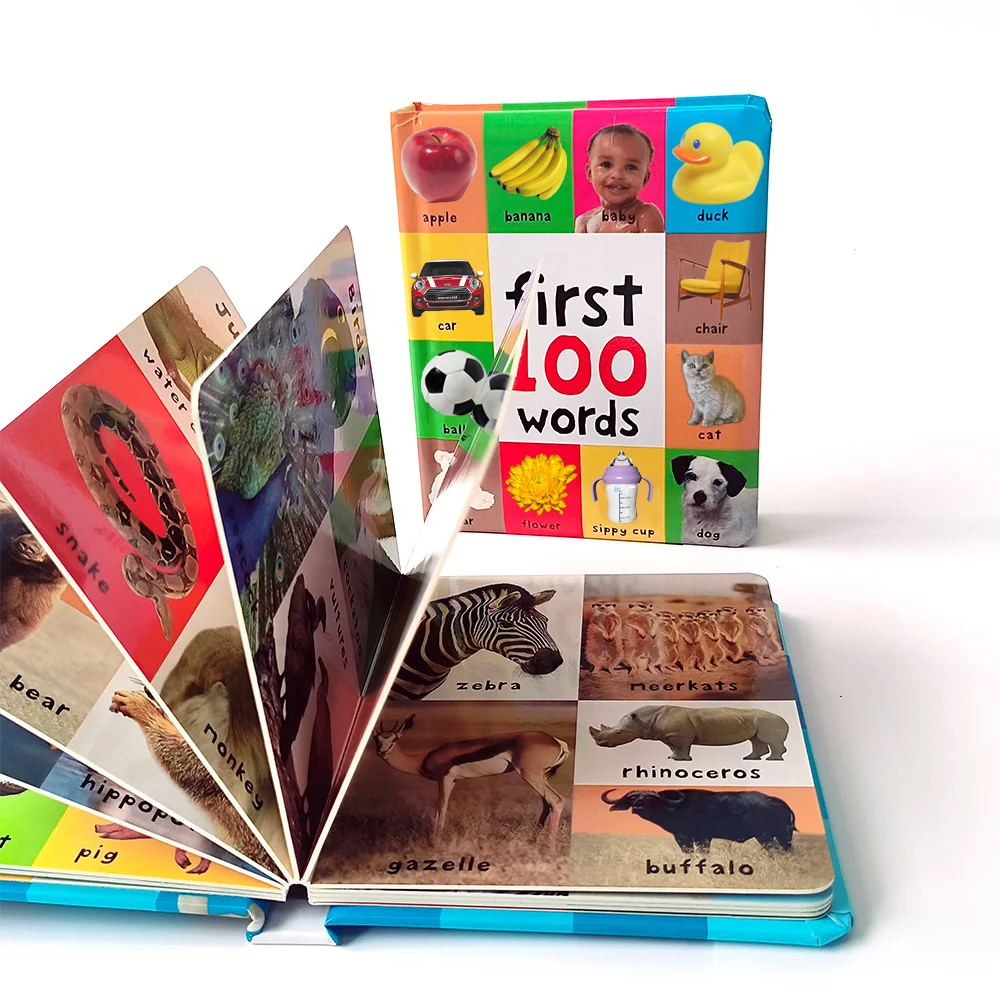
A well-designed sensory baby book can make a meaningful difference in early childhood development. Every page in a quality baby book should serve a purpose — guiding the infant's attention, encouraging hand-eye coordination, and rewarding curiosity with sound, texture, or reflection. This guide walks through the key design decisions that make a baby book both commercially successful and developmentally valuable, covering safe mirror integration, crinkle paper mechanics, and broader sensory element strategies.
Integrating Safe Mirrors into a Baby Book
Choosing the Right Mirror Material
The most critical decision when adding a mirror to a baby book is material safety. A proper baby book should never use glass mirrors, as they pose obvious injury risks during rough infant handling. Instead, a high-quality baby book uses mylar film or BPA-free polished plastic sheets that produce a clear, distortion-free reflection while remaining completely flexible and shatter-resistant. When sourcing materials for your baby book, confirm that the mirror film meets EN71 toy safety standards or ASTM F963 certification, depending on your target market.
Placement within the baby book also matters significantly. Mirror panels in a baby book work best when positioned on inner spreads rather than covers, as this protects the reflective surface during storage. A baby book mirror page should be laminated on its reverse side to prevent delamination over time. Including a brief visual cue — such as a face outline or 'Who is this?' prompt — on the mirror page of your baby book helps caregivers guide infant interaction and reinforces self-recognition, a key milestone in early cognitive development.
Binding and Page Structure for Mirror Pages
Mirror pages in a baby book require reinforced binding because the added rigidity of the mirror film creates stress on standard board book spine construction. A well-engineered baby book uses case-bound hard cover construction with glued internal block pages to handle the weight distribution of mirror panels. When designing your baby book layout, allow for slightly thicker page blocks at mirror positions to maintain even spine alignment. This structural attention ensures that the baby book remains durable through thousands of interactions.
Using Crinkle Paper Effectively in a Baby Book
Crinkle Paper Mechanics and Material Selection
Crinkle paper is one of the most satisfying sensory features a baby book can include. The auditory feedback produced when an infant squeezes or manipulates a crinkle paper page reinforces cause-and-effect understanding at a very early age. For a baby book intended for newborns and infants up to twelve months, crinkle material should be food-grade safe, non-toxic, and free of sharp edges when compressed. The ideal crinkle insert for a baby book is sealed between two fabric or laminated paper layers so the crinkle material never comes into direct contact with the infant.
When designing crinkle sections in a baby book, consider the decibel level of the crinkle sound. A baby book designed for very young infants should use softer crinkle film, while a baby book for older infants who have stronger grip development can accommodate louder, more rigid crinkle material. Testing multiple crinkle grades during baby book prototyping helps identify the right sensory intensity for the intended age group. Documenting this choice in your baby book production specifications ensures consistency across print runs.
Positioning Crinkle Pages Within the Baby Book Layout
Strategic placement of crinkle pages through a baby book maximizes engagement without overwhelming the infant. A well-paced baby book alternates between quiet visual pages and active sensory pages, maintaining a rhythm that guides attention naturally. Placing a crinkle page in the middle third of the baby book encourages infants to progress through earlier pages to reach the tactile reward. Similarly, ending the baby book with a crinkle or mirror page creates a positive association that motivates repeat engagement with the same baby book over time.
Adding Broader Sensory Stimulation Elements to a Baby Book
Tactile Textures and Raised Surfaces
Beyond crinkle paper and mirrors, a comprehensive sensory baby book benefits from varied tactile surfaces on its pages. Soft flock printing, spot-UV raised textures, and fabric patch inserts all give a baby book a multi-layered tactile experience. When designing a baby book with these elements, ensure that all applied textures are permanently bonded to the page substrate and cannot be peeled away by small fingers. A baby book with loose tactile elements presents a choking hazard and will fail safety compliance reviews in most markets.
Color contrast is another sensory tool that a baby book can deploy on printed pages. High-contrast black-and-white patterns in the early sections of a baby book are particularly effective for newborns, whose visual acuity is limited in the first few months. Transitioning to bold primary colors as the baby book progresses mirrors the infant's developing vision and keeps the baby book relevant across a wider age range. Incorporating these visual sensory principles into the baby book design brief ensures the content supports development at every stage.
Sound Elements and Interactive Features
Some baby book designs include embedded sound modules or squeaker elements for additional auditory stimulation. A squeaker insert positioned within a baby book page offers a different tactile and auditory experience compared to crinkle paper, broadening the sensory vocabulary of the baby book. If adding electronic sound chips to a baby book, confirm that the module housing is fully sealed, non-removable, and compliant with battery safety regulations applicable in your distribution markets. A baby book with sound elements must also pass drop and compression tests to ensure the module remains secure during normal infant use.
FAQ
What safety certifications should a sensory baby book meet?
A sensory baby book sold in the United States should comply with ASTM F963 toy safety standards, while a baby book sold in Europe must meet EN71 requirements. Both standards address material toxicity, mechanical hazards, and flammability, all of which are relevant to a baby book with mirrors, crinkle paper, and tactile inserts.
How thick should the pages of a sensory baby book be?
A sensory baby book typically uses board pages that are at least 2.5mm thick to support the added weight of tactile elements and mirror film. Thicker boards in a baby book also prevent page warping over time, which is especially important when crinkle paper inserts add moisture sensitivity to the page structure.
Can a sensory baby book be customized for private label production?
Yes, a sensory baby book is highly suitable for private label or custom publishing projects. Most professional baby book manufacturers offer custom layout design, branded cover printing, and selection of sensory element combinations. Working with an experienced baby book production partner allows brands to specify exact mirror placement, crinkle paper grade, texture types, and color schemes to create a differentiated baby book product aligned with their market positioning.