 EN

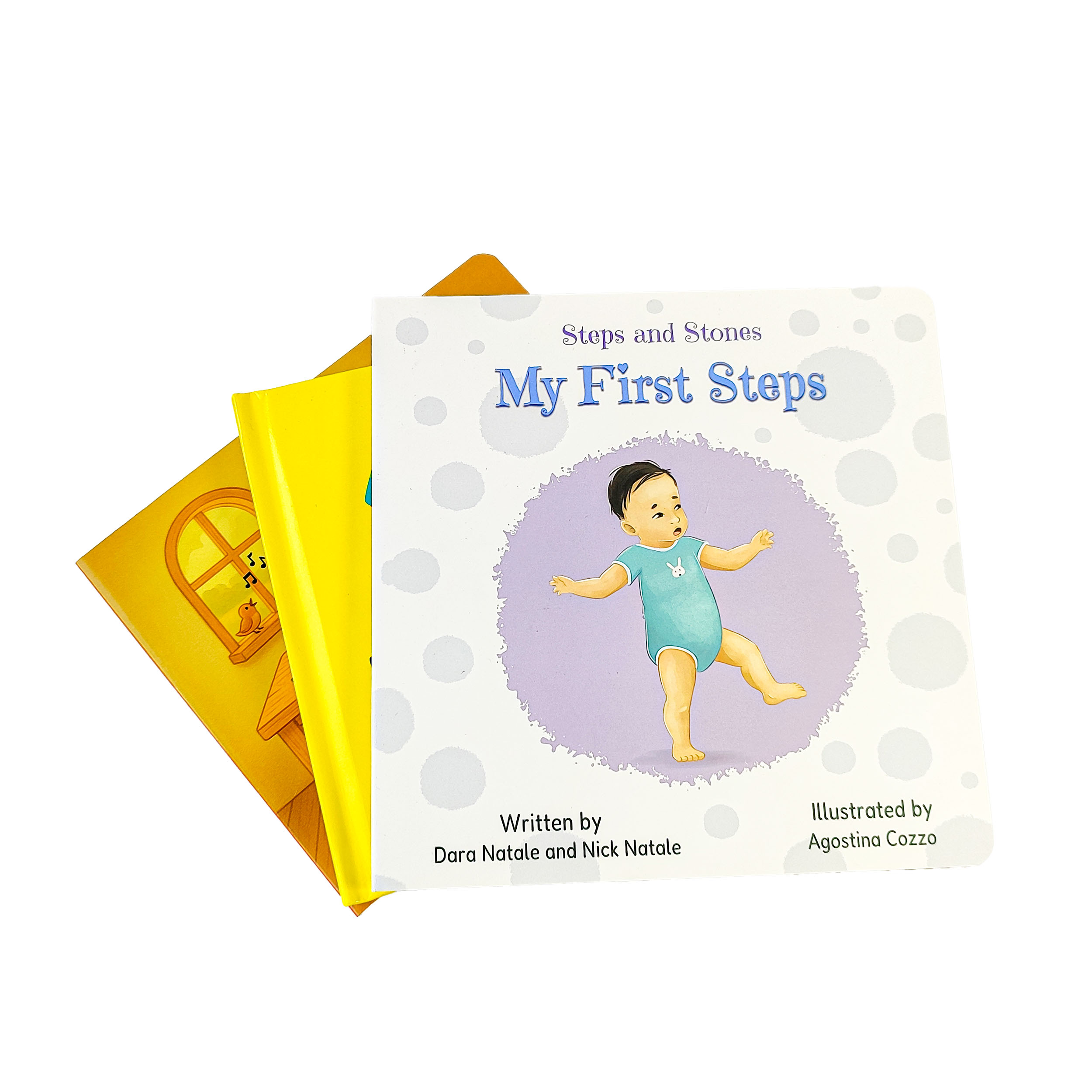
Designing a board book requires navigating a unique challenge: creating content rich enough to engage developing toddler minds while ensuring the physical structure can survive countless readings, throws, and chews. A well-designed board book serves as both an educational tool and a tactile object that toddlers interact with in unpredictable ways. Parents and educators expect board books to last through multiple children, making durability a non-negotiable requirement alongside cognitive value.
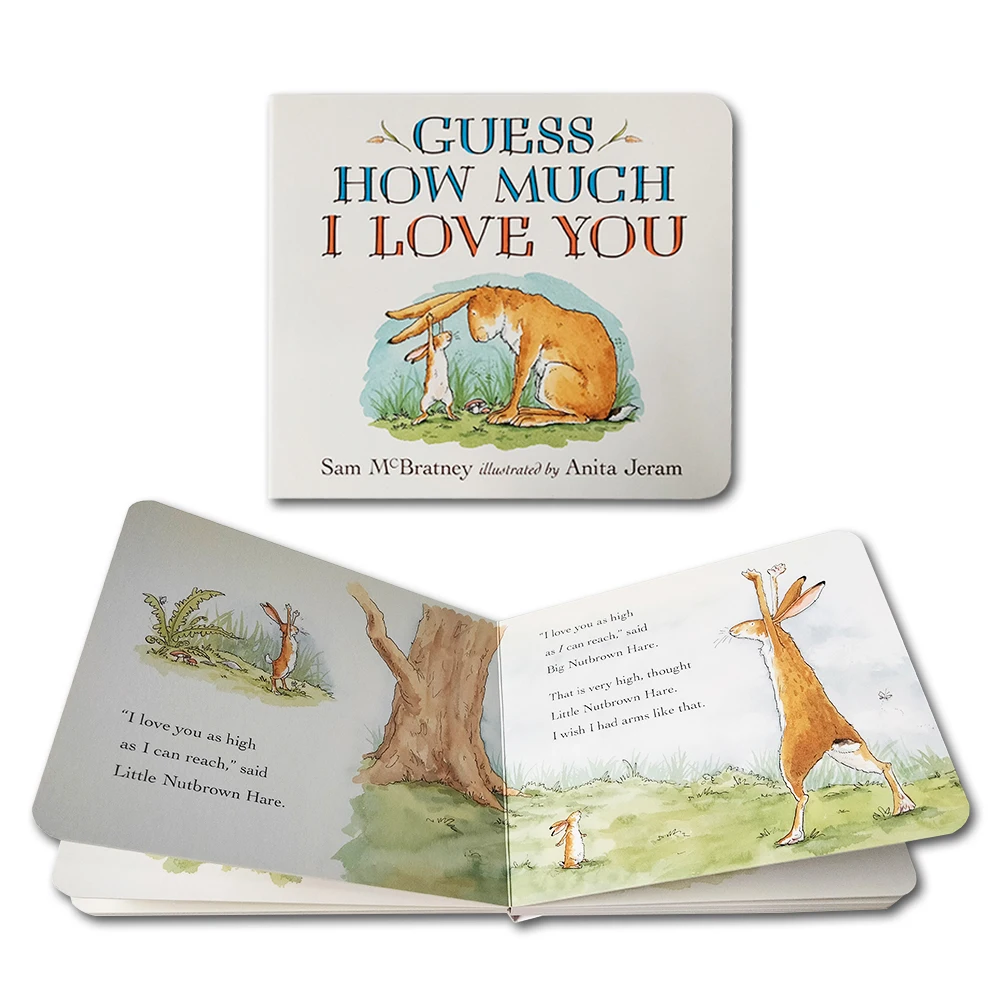
The distinction between a standard board book and a poorly designed one often becomes apparent after just a few weeks of toddler use. A quality board book protects its educational investment while maximizing early learning potential. This balance determines whether your board book becomes a treasured keepsake passed between siblings or a forgotten casualty of childhood engagement.
Understanding Core Content Requirements for Toddler Board Books
Age-Appropriate Cognitive Engagement
Toddlers aged 12 to 36 months develop rapidly, and your board book content must reflect specific developmental stages. A board book designed for this age group should feature simple, high-contrast visuals that capture attention within 2-3 seconds. Repetitive text patterns help toddlers recognize language rhythms and build vocabulary recognition, making your board book both entertaining and developmentally supportive.
Content in a board book should introduce concepts systematically rather than overwhelming young readers. Colors, animals, numbers, and textures serve as fundamental learning anchors. When you design a board book with intentional cognitive progression, even short books become valuable developmental tools. Research shows that toddlers benefit from board books featuring 10 to 30 unique words per page, allowing them to absorb language without cognitive overload.
Interactive and Sensory Elements
Modern toddler expectations include tactile engagement, making your board book more than static pages. Textures, die-cut shapes, and flaps transform a basic board book into a multisensory learning experience. However, every interactive element must be securely integrated to prevent separation hazards. When planning interactive content for your board book, prioritize safety alongside engagement.
A board book incorporating varied textures teaches tactile discrimination while maintaining page integrity. Smooth surfaces, raised textures, and fabric inserts should all withstand pulling, pinching, and repeated exploration. The cognitive benefit of sensory exploration justifies the added complexity, but only if your board book's construction methods guarantee longevity and safety compliance.
Physical Durability Standards for Board Books
Material Selection and Construction Methods
The foundation of any durable board book lies in material choice and manufacturing precision. A quality board book uses thick, dense cardstock or laminated paperboard that resists bending and tearing. Most commercial board books employ 2-4mm board thickness, providing adequate stiffness while maintaining reasonable weight for toddler handling. Your board book's paper grade directly correlates with its lifespan and resilience.
Binding methods significantly impact board book durability. Case binding, where pages are sewn and then attached to cardboard covers, creates the most robust board book structure. This construction method allows a board book to open fully and withstand thousands of page turns without loosening. When you manufacture a board book using case binding, you invest in a product that survives toddler ownership through multiple children.
Edge Protection and Safety Compliance
Toddlers frequently test board book edges by biting, folding, and dragging corners across surfaces. A professionally designed board book incorporates rounded corners and reinforced edges that prevent sharp points and splinters. Lamination on all surfaces protects a board book from moisture, sticky fingers, and minor damage that would otherwise compromise page integrity.
Safety standards for children's books mandate that your board book meet rigorous testing requirements. Lead-free inks, non-toxic adhesives, and colorfast dyes ensure that your board book poses no chemical hazards. Small parts, if included, must exceed specific size requirements to prevent choking risks. When you produce a board book for toddlers, compliance with CPSIA and ASTM standards isn't optional—it's foundational to responsible manufacturing.
Integration Strategies: Balancing Content and Construction
Design Workflow for Cognitive and Physical Optimization
Creating a successful board book requires integrated planning where content development and durability engineering happen simultaneously, not sequentially. Early in board book design, establish page layout that works with structural constraints. Heavy elements like die-cuts or thick texture applications should be positioned to avoid stress points where binding meets pages. Your board book becomes truly effective when writers, illustrators, and production engineers collaborate from concept through manufacturing.
A board book's page count influences both cognitive pacing and structural stability. Typical board books contain 12-24 pages, allowing sufficient content for engagement without creating handling difficulty for toddler hands. When you design a board book with consistent page thickness and balanced weight distribution, you reduce the physical stress on binding and extend usable lifespan significantly.
Testing and Iteration During Board Book Development
Before finalizing production, your board book should undergo durability testing that simulates actual toddler use patterns. Drop testing, moisture exposure, and repeated page-turning help identify structural vulnerabilities before manufacturing thousands of copies. A board book that passes rigorous internal testing provides confidence that content investment translates to market success.
User testing with actual toddlers and caregivers reveals whether your board book achieves the intended balance between engagement and durability. Observing how children interact with prototype board books highlights unexpected stress points and validates cognitive appropriateness. This iterative approach transforms your board book from a theoretical concept into a proven product that satisfies both developmental and physical requirements.
FAQ
What thickness of board should be used in a board book for maximum durability?
Most durable board books use 2-4mm thick cardstock or laminated paperboard, with 3mm being the standard for heavy-use toddler applications. Thicker board increases durability but also adds weight and manufacturing cost. Your board book thickness should balance structural integrity with ease of handling for small hands, ensuring that toddlers can manipulate pages without excessive effort.
How can interactive elements be safely incorporated into a board book?
Interactive features in a board book must be securely attached using industrial-grade adhesives and reinforced stitching. Textures, flaps, and die-cut elements should be tested to verify they withstand minimum pull forces well above what toddlers typically apply. Your board book's interactive elements should enhance cognitive engagement while meeting all safety standards for children's products.
What testing methods validate that a board book can survive toddler use?
A quality board book undergoes drop tests, moisture exposure trials, repeated opening-and-closing cycles, and stress tests on binding and interactive elements. These tests simulate realistic wear patterns and help identify failure points before mass production. Your board book's durability validation provides manufacturers and consumers with confidence that content investment creates a lasting learning tool.