 EN

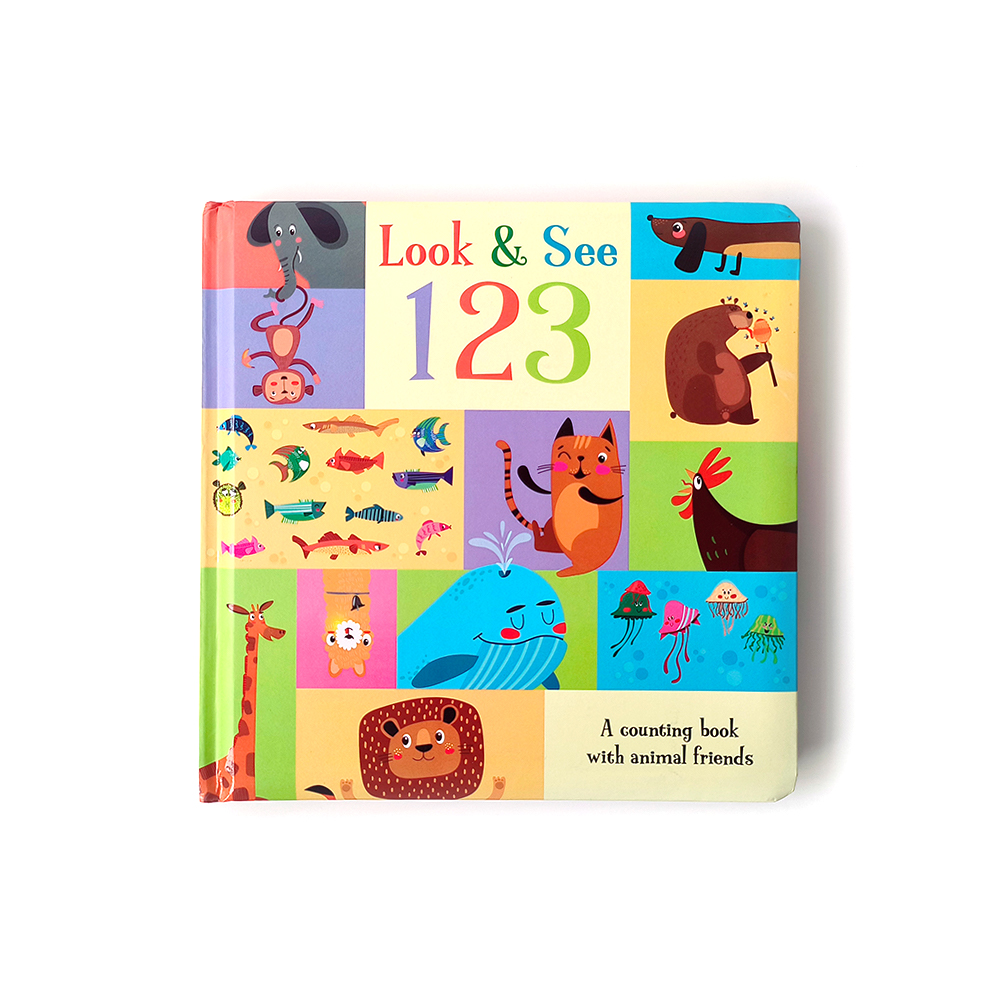
Safety standards for children's literature represent one of the most critical considerations in the publishing and printing industry. When manufacturers produce a board book, they must navigate a complex landscape of regulatory requirements that vary significantly across different markets and regions. A board book serves as an essential educational tool for infants and toddlers, making it imperative that every board book meets rigorous safety benchmarks before reaching consumers. Understanding which standards apply to your board book production ensures compliance, protects young readers, and builds trust with parents and retailers worldwide.
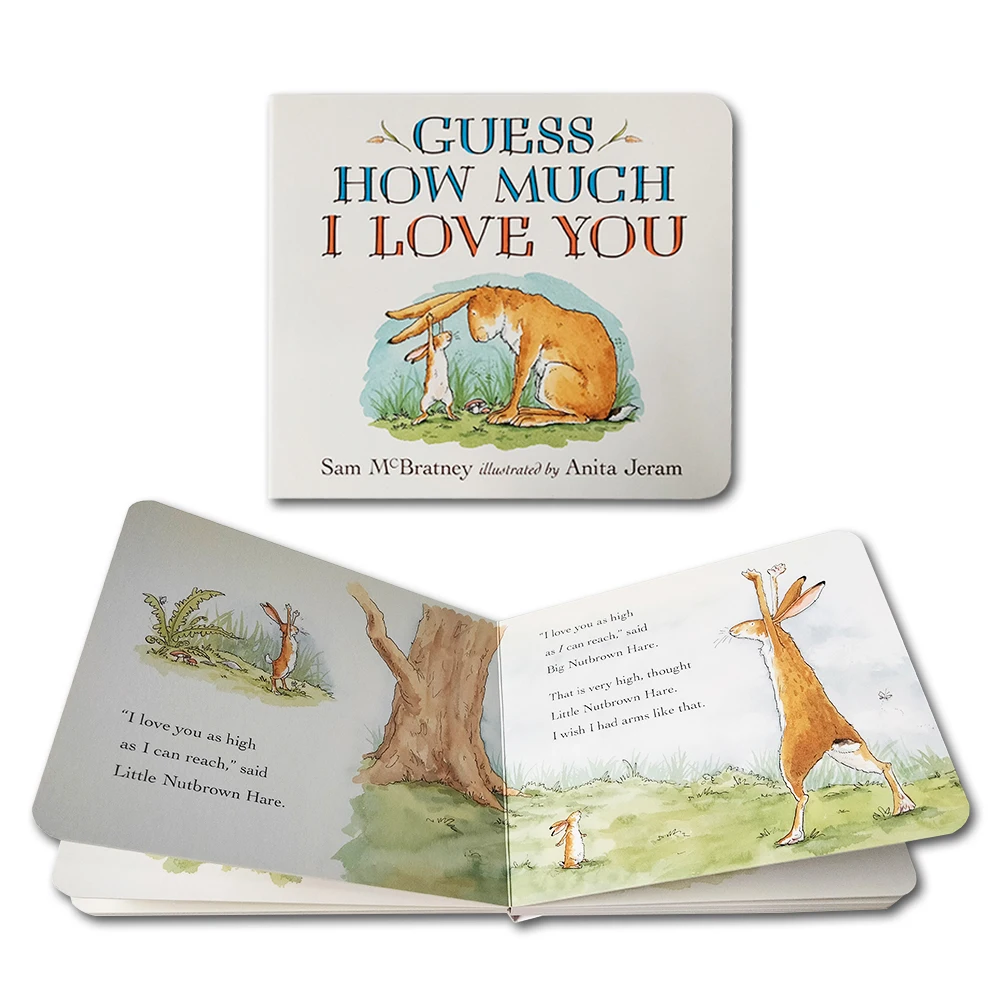
The journey from manuscript to finished board book involves numerous checkpoints where safety compliance becomes non-negotiable. Whether you are a publisher, printer, or distributor, the responsibility to ensure your board book passes all applicable safety tests rests squarely on your shoulders. Different countries enforce distinct regulations, and a board book that complies in one market may face rejection in another without proper attention to local standards. This comprehensive guide examines the domestic and international safety standards that every board book must satisfy, providing clarity on what manufacturers and publishers need to know.
Domestic Safety Standards for Board Books
United States Safety Requirements
In the United States, the Consumer Product Safety Commission (CPSC) establishes and enforces safety regulations for children's products, including every board book sold within the country. The primary standard governing a board book in America is ASTM F963-23, which outlines comprehensive safety requirements for toy and children's product manufacturing. A board book must comply with ASTM F963-23, which addresses multiple aspects including flammability, lead and phthalate content, sharp edges, small parts, and mechanical hazards. Additionally, a board book must meet the requirements of 16 CFR Part 1303, which specifically prohibits lead-based paint on children's products. Any manufacturer or importer bringing a board book into the American market must ensure third-party testing and certification before distribution, making this compliance step absolutely essential.
The flammability requirements for a board book are particularly stringent. Federal regulations require that a board book cannot ignite or burn in a manner that poses a hazard to children. Testing for flammability involves exposing board book materials to flame under controlled conditions and measuring the burn rate. Paint, inks, and adhesives used in a board book production must also be non-toxic and free from harmful substances. Many manufacturers invest in alternative, safer formulations specifically designed for board book applications to meet these demanding standards.
Canadian Safety Requirements
Canada enforces safety standards for children's products through Health Canada and maintains regulations that are often aligned with but distinct from American standards. A board book sold in Canada must comply with Health Canada's Toys Regulations and, in many cases, the Textile Labelling and Care Labelling Act. These regulations require that a board book undergoes testing for lead content, phthalate levels, and mechanical hazards. The Canadian standards for a board book also include detailed requirements for proper labeling and age-appropriate warnings. Manufacturers planning to market a board book in Canada should engage with certified testing laboratories familiar with Canadian requirements to avoid costly delays or market rejection.
International Safety Standards for Board Books
European Union Compliance Standards
The European Union maintains some of the most stringent safety standards globally, and any board book intended for sale in EU member states must meet these rigorous requirements. The primary directive governing a board book in Europe is the Toy Safety Directive (2009/48/EC), which establishes comprehensive safety, testing, and conformity assessment procedures. A board book sold in the EU must undergo testing for mechanical and physical properties, flammability, chemical composition, and migration of dangerous substances. The EN 71 series of standards provides detailed technical specifications that a board book must satisfy, covering areas such as toxicity, sharp edges, small parts that pose choking hazards, and noise levels. European regulations demand that a board book manufacturer maintain full traceability of all materials and components, from raw materials through the finished product.
One significant aspect of EU compliance is the CE marking requirement. A board book cannot be legally marketed in Europe without proper CE marking, which indicates that the product has been assessed and deemed compliant with applicable EU directives. The process of preparing a board book for CE marking involves comprehensive documentation, technical files, and often third-party conformity assessment. Manufacturers must work with Notified Bodies, independent laboratories authorized to conduct compliance testing for a board book. This process, while thorough and sometimes lengthy, ensures that every board book reaching European consumers has undergone rigorous evaluation.
United Kingdom and Other Markets
Following Brexit, the United Kingdom established its own regulatory framework for children's products, though a board book must still meet standards very similar to EU requirements. The UK Toy Safety Regulations 2023 align closely with EU directives but allow for independent assessment without the Notified Body requirement. Australia and New Zealand also maintain stringent standards, requiring a board book to comply with AS/NZS ISO 8124 series standards, which cover toy safety across mechanical, flammability, and chemical dimensions. Asian markets including Japan and South Korea have implemented their own standards, making it essential that manufacturers understand regional requirements before exporting a board book to these territories. Each region's approach to a board book reflects local regulatory philosophies and risk assessment priorities.
Global Harmonization Efforts
While complete global harmonization of board book standards remains an ongoing goal, significant progress has been made through international bodies such as the International Organization for Standardization (ISO). The ISO 8124 series provides a framework that many countries adopt or reference when establishing their own board book safety standards. However, manufacturers cannot assume that compliance with one international standard automatically satisfies all regional requirements. A board book intended for multiple markets typically requires testing against each target region's specific standards, which can involve separate testing facilities and documentation. This complexity underscores the importance of early planning and engagement with regulatory consultants when developing a board book product for global distribution.
Practical Compliance Strategy for Board Book Manufacturers
Material Selection and Testing
The foundation of board book safety compliance begins with selecting appropriate materials and inks. Manufacturers must source components that inherently meet safety standards rather than relying on post-production modifications. For a board book, this means selecting papers and boards that are naturally non-toxic, free from lead and cadmium, and resistant to flammability concerns. Inks and adhesives represent critical components; water-based inks are increasingly preferred for a board book because they eliminate volatile organic compounds and reduce toxicity risks. Before committing to large production runs, wise manufacturers request material safety data sheets (MSDS) and conduct preliminary testing on representative board book samples to identify any potential compliance issues early.
Third-Party Testing and Documentation
Relying on third-party certified laboratories is not optional but rather a fundamental requirement for board book market entry in virtually all major regions. These laboratories conduct standardized tests on representative board book samples, measuring flammability characteristics, analyzing chemical composition, and evaluating mechanical hazards such as sharp edges or detachable small parts. A board book manufacturer must maintain comprehensive test reports and technical documentation that demonstrate compliance with applicable standards. This documentation serves multiple purposes: it provides legal protection in case of liability claims, facilitates customs clearance, and supports warranty claims. Reputable manufacturers view testing not as a compliance burden but as quality assurance and risk management essential to protecting their reputation and their young consumers.
FAQ
What happens if a board book fails safety testing?
If a board book fails any required safety test, the manufacturer must identify the root cause and implement corrective actions before resubmitting the board book for testing. Common failure points include flammability issues, elevated chemical levels, or mechanical hazards like sharp edges. The manufacturer may need to change materials, adjust production processes, or reformulate inks and adhesives. A board book can only proceed to market after successfully passing all required tests and receiving appropriate certification. Some failures are easily remedied through simple adjustments, while others may require substantial redesign, making early testing crucial to avoid expensive delays.
Are safety standards the same for all board book sizes and formats?
Safety standards apply to a board book regardless of its size or format, though testing may vary slightly based on specific product characteristics. A board book for infants may face additional scrutiny regarding small detachable parts and choking hazards, while a board book designed for older toddlers might have different age-related considerations. Testing laboratories conduct assessments based on the intended age group and product features, ensuring that each board book is evaluated appropriately for its specific use case. Manufacturers must clearly communicate the intended age range for their board book, as this designation influences which standards apply and how stringently certain tests are conducted.
How long does board book safety certification typically take?
The timeline for board book certification depends on the number of markets, the complexity of testing required, and the testing laboratory's workload. Basic certification for a single market may take four to eight weeks, while a board book intended for multiple regions like the United States, European Union, Canada, and Australia could require three to six months. Delays often occur when a board book initially fails testing and requires material or design modifications before resubmission. Forward-thinking manufacturers begin the compliance process during product development rather than waiting until production is complete, allowing time for corrective actions and ensuring their board book reaches market on schedule.