 EN
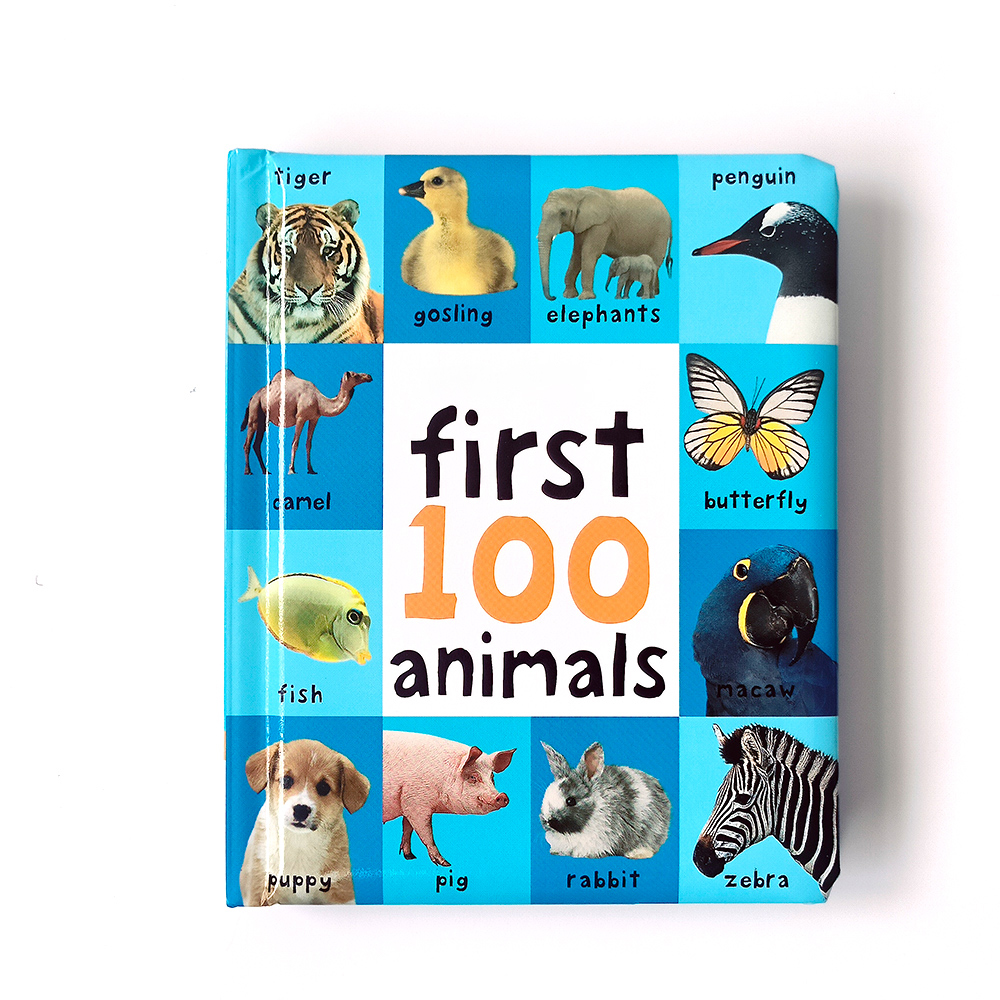
Selecting a board book for your child requires careful attention to safety, durability, and functionality. Parents and caregivers want board book products that can withstand frequent use, washing, and the inevitable spills and messes that come with early childhood development. The challenge lies in ensuring that every board book you choose uses genuinely non-toxic inks and materials while maintaining the wipeable properties that make cleanup effortless. A quality board book must combine safety certifications, durable construction, and practical design to meet modern parenting standards.

When evaluating board book options, understanding the manufacturing standards and material sourcing becomes essential to your purchasing decision. A reliable board book manufacturer follows strict guidelines for ink composition, paper treatment, and coating application to guarantee safety across every page. This comprehensive guide explores how to verify that your board book meets rigorous non-toxicity standards and maintains the wipeable surfaces parents depend on for everyday use.
Understanding Non-Toxic Board Book Inks and Certifications
What Makes Board Book Inks Non-Toxic
Non-toxic board book inks are formulated without harmful chemicals such as heavy metals, phthalates, or volatile organic compounds that could pose risks to young children. A genuine board book manufacturer uses water-based or soy-based inks that meet international safety standards, including ASTM F963 and EN 71 regulations. These standards ensure that board book products do not release toxic substances during normal use or when children put pages in their mouths. The composition of board book inks directly impacts whether the product poses developmental risks or remains completely safe for infants and toddlers.
Critical Safety Certifications for Board Books
When purchasing a board book, look for certifications from recognized testing organizations that validate non-toxicity claims. A certified board book typically carries markings such as CE certification, which indicates compliance with European safety standards, or CPSC certification, which verifies compliance with American consumer product safety requirements. Many premium board book manufacturers obtain third-party testing to confirm that board book materials, inks, and finishes contain no lead, cadmium, or other restricted substances. These certifications provide documented proof that your board book meets stringent safety protocols from independent laboratories.
Material Composition and Wipeable Coatings
Board Book Core Materials and Lamination
A quality board book begins with sustainably sourced cardboard or paper pulp that is laminated with protective layers to create durability and wipeability. The board book lamination process applies thin plastic or synthetic coatings that resist moisture, stains, and daily wear without compromising safety. Manufacturers of premium board book products use food-grade laminates that are non-toxic and designed specifically for products intended for children. The thickness and composition of board book lamination directly determine whether the product can withstand repeated wiping with damp cloths or disinfectant wipes while maintaining structural integrity.
Surface Finishes That Enable Wipeable Performance
The wipeable characteristic of a board book depends entirely on the surface finish applied during manufacturing, which creates a barrier between the ink and external contaminants. A properly finished board book uses polypropylene or polyethylene coatings that repel liquids, prevent staining, and allow thorough cleaning without damaging the printed images. This board book surface treatment must be applied uniformly across all pages to ensure consistent wipeable performance and long-term durability. The coating thickness and formulation determine whether a board book can be cleaned with water alone or requires specialized cleaning solutions, making this a critical component of product quality.
Testing and Verification Methods for Board Book Safety
Third-Party Laboratory Testing Protocols
Reputable board book manufacturers submit samples to independent laboratories that conduct comprehensive testing for toxic substances, including heavy metals analysis and chemical composition verification. A thorough board book test includes migration testing, where materials are subjected to artificial saliva and sweat solutions to simulate contact with children's skin and mouths. This board book testing methodology ensures that no harmful substances leach from the ink, coating, or paper during typical use scenarios. Parents can request certificates of analysis or testing reports from board book sellers to verify that independent validation has been completed.
Verifying Compliance Documentation
When evaluating a specific board book product, ask manufacturers or retailers to provide copies of safety documentation, including material safety data sheets and compliance certificates. A transparent board book company willingly shares testing results and certification details that prove non-toxicity claims are backed by scientific evidence. This board book documentation should identify the specific inks used, the lamination materials, and any coatings applied, allowing you to cross-reference them against known safe formulations. Parents who take time to review board book safety documentation make informed decisions that prioritize their child's health and wellbeing.
Best Practices for Maintaining Wipeable Board Books
Proper Cleaning Techniques for Longevity
To preserve the wipeable properties of your board book while maintaining non-toxic safety, use only soft, damp cloths and avoid harsh chemical cleaners that could degrade the protective coating. A well-maintained board book cleaned with water and mild soap retains its surface integrity and continues to resist staining for years of use. Aggressive scrubbing or abrasive materials can damage the board book lamination and compromise the wipeable finish, so gentle circular motions are recommended. Most manufacturers specify appropriate board book cleaning methods in product instructions, which should be followed to ensure the coating remains effective and safe.
Storage and Environmental Factors
Store your board book in dry environments away from direct sunlight, extreme temperatures, and high humidity, which can compromise the protective coatings and the wipeable effectiveness over time. A properly stored board book maintains its safety properties and surface quality throughout its lifespan, allowing it to be passed down to younger siblings or donated without degradation. The board book materials remain stable when kept at moderate temperatures and humidity levels, ensuring that the inks remain non-toxic and the wipeable coating stays functional. Environmental care extends the usable life of a quality board book and maximizes the value of your investment in child-safe educational materials.
FAQ
Are all board book inks truly safe for teething babies who put everything in their mouths?
Yes, when a board book carries recognized certifications such as ASTM F963 or CE marking, the inks have been tested to ensure they release no harmful substances even when contacted by saliva or ingested in small amounts. The testing protocols specifically simulate the conditions of oral contact to verify safety for the youngest users. However, you should always verify that your specific board book product includes valid certification documentation from independent laboratories rather than relying on marketing claims alone.
Can I use disinfectant wipes or bleach solutions on a wipeable board book?
Standard disinfectant wipes and diluted bleach solutions can damage the protective coating on a wipeable board book, potentially compromising both safety and durability. Most manufacturers recommend cleaning board book pages with plain water or mild soap solutions to preserve the lamination and non-toxic finish. Always consult the product-specific care instructions provided with your board book, as different coating formulations may have varying chemical resistance profiles that affect how the wipeable surface responds to different cleaning agents.
What red flags should I watch for when purchasing a board book to ensure it is genuinely non-toxic?
Avoid board book products that lack clear certification markings, do not provide safety documentation, or use vague language like 'non-toxic' without supporting evidence from independent testing. Be cautious of board book sellers who cannot answer specific questions about ink composition, manufacturing standards, or material sourcing. A legitimate board book manufacturer will proudly display certifications, provide certificates of compliance, and offer transparent information about their production processes and safety testing, giving you confidence in your purchase decision.