 EN

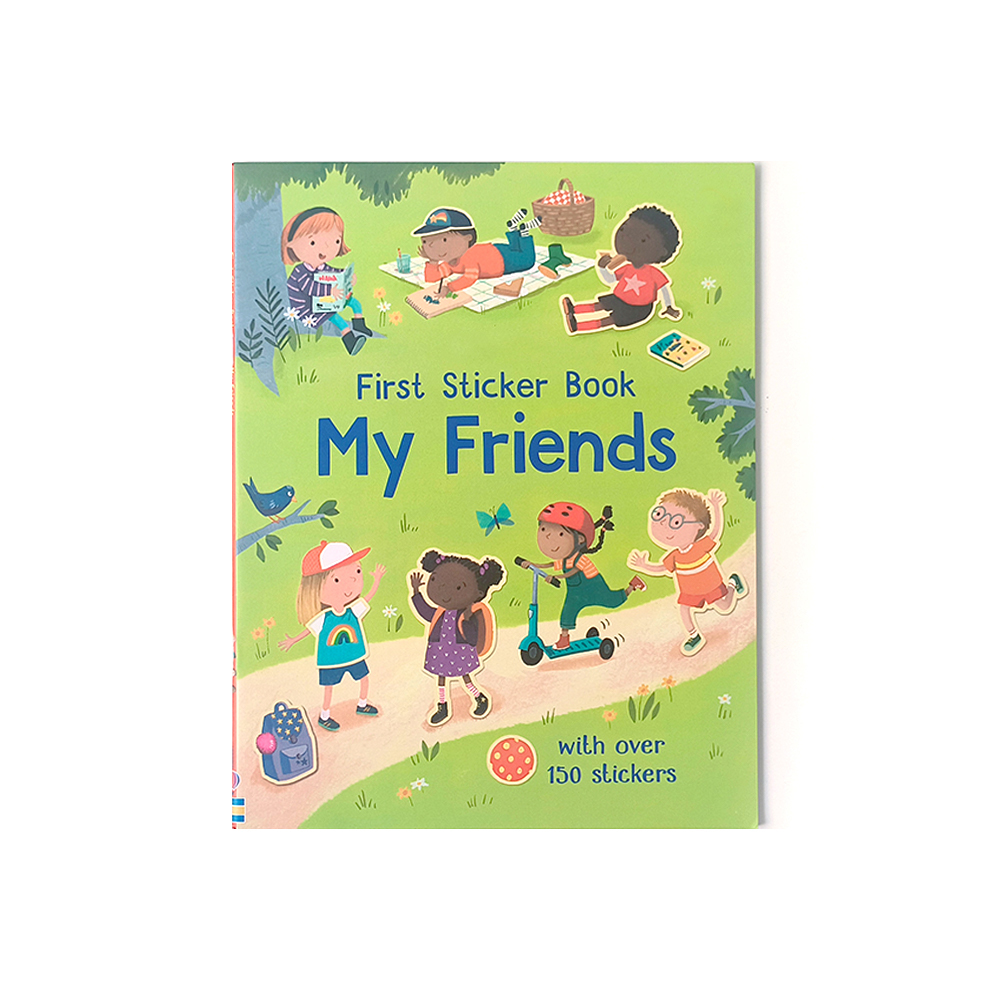
Creating an effective sticker book requires far more than assembling colorful images and adhesive pages. The process of planning sticker book themes for different age groups involves a deliberate, multi-layered approach that considers developmental milestones, cognitive abilities, fine motor skills, and engagement preferences unique to each stage of childhood. When designers and publishers approach sticker book development without age-specific planning, they risk creating products that either frustrate younger children or bore older ones, resulting in missed learning opportunities and reduced market appeal.

The strategic planning of a sticker book theme begins with understanding that children at different developmental stages have fundamentally different needs, interests, and physical capabilities. A well-planned sticker book aligns its visual complexity, narrative structure, color palette, and interactive elements precisely with where children are developmentally, ensuring that each page provides meaningful engagement rather than frustration or disinterest.
Understanding Developmental Stages and Sticker Book Design
Toddlers and Very Young Children
For toddlers aged 2 to 4, planning a sticker book requires a focus on simplicity, safety, and large-scale manipulation. The sticker book themes selected for this age group should feature bold, primary colors and recognizable objects like animals, vehicles, and household items. Each sticker in the sticker book must be large enough to prevent choking hazards and easy enough for developing fine motor skills to peel and place without frustration. The narrative of the sticker book at this level is minimal—often just simple scenes where children place stickers to complete pictures, such as adding wheels to cars or tails to animals.
Theme selection for toddler-level sticker book products emphasizes familiar, comforting subjects. Developers often choose themes centered on daily routines, family activities, and popular animals because these connect directly to a toddler's lived experience. The sticker book design at this stage prioritizes repetition and sensory engagement—the satisfying peel-and-stick action itself becomes part of the learning experience. Complexity in a sticker book for this age would actually hinder engagement rather than enhance it.
Preschool Children Ages 4 to 6
Preschoolers represent a transitional stage where sticker book planning can introduce moderate complexity and thematic variety. At this developmental point, children have better fine motor control, longer attention spans, and emerging cognitive interests. A sticker book designed for this age group can incorporate slightly smaller stickers, more detailed scenes, and simple narrative sequences. The sticker book themes expand to include nature exploration, basic science concepts, cultural themes, and imaginative scenarios like space or dinosaurs.
The planning process for a preschool sticker book balances challenge with achievability. Unlike toddler versions, this sticker book can include scenes with multiple sticker placement options and simple rewards systems—such as completing a scene unlocking a new activity. Developers planning a sticker book at this level often integrate educational elements like letter recognition, counting, or color sorting alongside traditional placement activities. The sticker book themes remain concrete and relatable, but introduce slightly abstract concepts through visual storytelling.
Cognitive and Physical Considerations in Sticker Book Theme Planning
Fine Motor Skill Development Aligned with Sticker Book Features
One of the most overlooked aspects of planning a successful sticker book is matching sticker size and adhesive strength to the child's developing hand strength and coordination. A sticker book intended for younger children requires larger stickers with strong adhesive that doesn't require precision placement, while an older child's sticker book can feature progressively smaller stickers. The physical interaction with the sticker book itself becomes a developmental tool—peeling and placing stickers strengthens the pincer grip that children need for writing and detailed manipulation tasks.
When planning a sticker book, developers must consider that this physical interaction affects theme selection as well. A sticker book featuring intricate scenes with precision placement opportunities appeals to older children with more developed motor skills, while a sticker book with larger scenes and forgiving placement areas suits younger ones. The sticker book planning process should include prototyping with children in the target age range to ensure that the physical demands of using the sticker book align with their capabilities.
Visual Complexity and Attention Span Factors
A carefully planned sticker book matches visual complexity to attention span capacity. Young toddlers working with a sticker book benefit from uncluttered pages with simple backgrounds, while older children enjoy detailed scenes in their sticker book that reward careful observation. The planning of a sticker book must account for how much visual information the target age group can process without becoming overwhelmed or disengaged.
The color saturation and pattern density in a sticker book also impact engagement. For young children, a sticker book benefits from clear color distinction and minimal pattern interference, allowing the stickers to stand out prominently. As children mature, a sticker book can incorporate more sophisticated color relationships, subtle patterns, and layered visual information. This progression in sticker book design reflects growing visual processing abilities and prevents both younger children from becoming confused and older children from finding the sticker book too simplistic.
Thematic Content Alignment with Age-Appropriate Interests
Interest-Driven Theme Selection Across Age Groups
The selection of specific themes for a sticker book should reflect what genuinely captivates children at different developmental stages. A sticker book for toddlers thrives with themes like household pets, family members, and simple nature scenes that connect to immediate experience. A sticker book for older preschoolers can explore broader themes like professions, cultural celebrations, historical figures, or imaginative worlds. This age-appropriate theming ensures that the sticker book maintains engagement through relevance rather than relying solely on the novelty of stickers.
When planning a sticker book, market research and developmental psychology converge. A sticker book developer might notice that four-year-olds show emerging interest in how things work, while six-year-olds develop stronger interest in social scenarios and peer relationships. These insights shape how a sticker book theme unfolds. A single sticker book brand might produce multiple themed sticker book titles across the same age group or develop a sticker book series that evolves thematically as children age.
Educational Value Embedded in Sticker Book Themes
Modern sticker book planning increasingly integrates subtle educational objectives into theme development. A sticker book for three-year-olds might use color-matching activities within animal themes, embedding foundational learning into play. A sticker book for five-year-olds might combine cultural exploration themes with sequencing activities where stickers show the progression of daily routines or seasons. This educational layering makes the sticker book more valuable to parents while keeping the sticker book enjoyable for children.
The planning of educational content within a sticker book requires careful balance. An overly didactic sticker book that prioritizes learning over enjoyment fails both as an educational tool and as entertainment. The most successful sticker book designs embed learning so seamlessly into the theme and activities that children don't recognize they're learning. A sticker book featuring letter recognition might present it through a charming narrative about animals visiting a zoo, with stickers representing animals whose names start with featured letters. This sticker book approach maintains engagement while building foundational skills.
Implementation Strategy and Quality Considerations
Testing and Refinement in Sticker Book Development
No sticker book planning process is complete without extensive testing with actual children in the target age range. During testing, developers observe whether children find the sticker book engaging, whether the stickers are appropriately sized and adhesive-strength, and whether the theme resonates. A sticker book might seem perfectly planned in theory but fail when children actually interact with it, revealing unexpected issues with page turning, sticker repositionability, or narrative clarity.
The planning of a sticker book should include multiple rounds of user testing. Early versions reveal gross misalignments—perhaps the sticker book theme is too abstract for the age group or the stickers are too small. Refined versions of the sticker book uncover subtler issues like whether narrative transitions feel natural or whether sticker variety maintains engagement across all pages. This iterative approach ensures the final sticker book meets its developmental and engagement objectives.
Production Standards and Safety Verification
Planning a quality sticker book extends beyond theme and design into production standards. The stickers in a sticker book must use non-toxic, child-safe adhesives appropriate for the age group. The paper quality of a sticker book must withstand repeated handling without tearing, and the binding must endure a child's typical use patterns. A sticker book intended for toddlers requires even higher durability standards since young children tend toward more vigorous page manipulation.
The full planning of a sticker book includes compliance verification with safety standards specific to children's products in relevant markets. This often means testing the sticker book and its materials for chemical safety, choking hazards, and age-appropriateness labeling. A well-planned sticker book balances aesthetic appeal with robust safety protocols, ensuring parents can trust the product while children enjoy it.
FAQ
What are the key differences between sticker book themes for toddlers versus preschoolers?
Toddler sticker books emphasize simple, familiar subjects with minimal narrative complexity, such as basic animals and household items, while preschool sticker books introduce thematic variety and narrative sequences that support emerging cognitive abilities. Toddler sticker books feature larger stickers and simpler scenes, whereas preschool sticker books incorporate more detailed backgrounds, smaller stickers, and educational elements like counting or letter recognition woven into the theme.
How do developers ensure a sticker book theme remains engaging across the entire product?
Developers maintain engagement through sticker variety within the theme, progressive complexity as pages advance, surprise elements like hidden stickers or bonus scenes, and variety in placement challenges. A well-planned sticker book uses the chosen theme as a framework for introducing different visual styles, sticker sizes, and interactive variations that prevent monotony while maintaining thematic cohesion throughout the pages.
Why is testing with actual children essential to sticker book theme planning?
Testing reveals whether a sticker book theme genuinely engages the target age group and whether physical elements like sticker size, adhesive strength, and page durability work as intended. Developers discover unexpected issues—such as whether narrative transitions feel natural to children or whether theme-specific vocabulary is appropriately pitched—that aren't apparent through design alone. This real-world feedback ensures the sticker book meets both developmental appropriateness and engagement objectives before production.