 EN

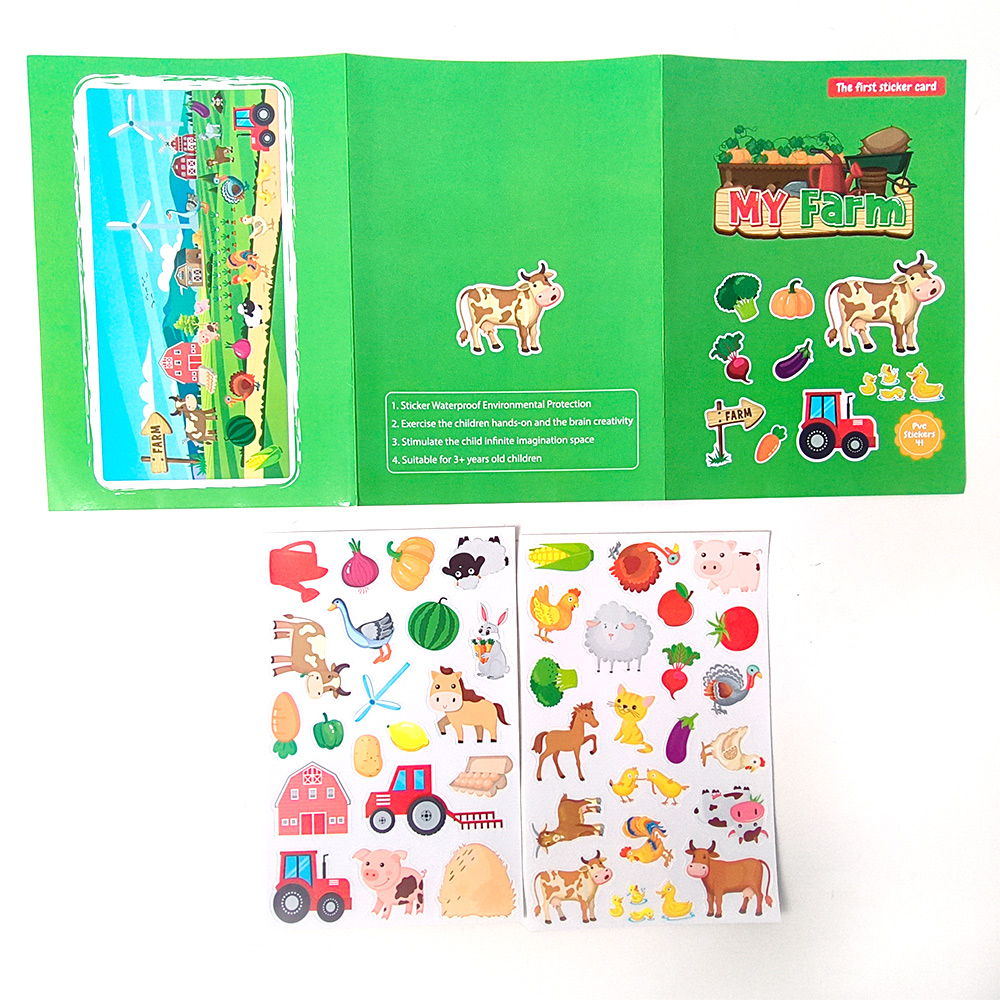
Children's development thrives when they engage with hands-on activities that challenge their growing abilities. A sticker book represents one of the most effective and enjoyable ways to support this growth, particularly in building hand-eye coordination and unleashing creative potential. These seemingly simple tools deliver profound developmental benefits that educators and parents have recognized for decades, making a sticker book an essential component of early childhood learning environments and home play spaces.

The value of a sticker book extends far beyond entertainment. Each action a child takes while using a sticker book—peeling, positioning, and placing stickers—strengthens the neural pathways that connect visual perception with fine motor control. This fundamental coordination skill forms the foundation for future academic success, athletic development, and everyday task performance that children will rely on throughout their lives.
How Sticker Books Strengthen Hand-Eye Coordination
The Coordination Development Process
When children interact with a sticker book, they engage in a complex neurological process that requires simultaneous visual tracking and manual precision. The child must visually identify the correct sticker, track the space where it should be placed, and coordinate their hand movements to position it accurately. This multisensory experience activates multiple brain regions simultaneously, creating stronger neural connections that improve overall coordination abilities. A quality sticker book presents challenges that match the child's developmental stage, ensuring progressive difficulty that continually advances their coordination capabilities.
Fine Motor Skill Refinement
The repetitive actions required when using a sticker book strengthen the small muscles in children's hands, fingers, and wrists. Peeling stickers from a backing surface demands sufficient finger strength and dexterity, while placing them precisely requires controlled movement and steady hand positioning. These micro-movements, practiced repeatedly through an engaging sticker book experience, build the muscular foundation necessary for writing, drawing, and other precision-based activities. Children who regularly work with a sticker book demonstrate measurably improved pencil grip and control within weeks of consistent use.
Unlocking Creative Expression Through Sticker Book Activities
Self-Directed Creative Freedom
A sticker book provides an open-ended creative canvas where children make independent decisions about design, placement, and composition. Unlike structured coloring activities with predetermined images, a sticker book encourages children to visualize their ideas and execute them through thoughtful sticker placement. This autonomy fosters creative confidence and helps children recognize that their choices matter. When using a sticker book, children learn that there is no single 'correct' way to complete a scene, promoting divergent thinking and original problem-solving approaches that extend well beyond the pages of the book.
Narrative and Imaginative Storytelling
Many children transform their sticker book work into storytelling opportunities, narrating scenarios as they arrange stickers into meaningful scenes. This integration of visual creativity with verbal expression deepens the creative experience and strengthens communication skills simultaneously. The sticker book becomes a springboard for imaginative play, allowing children to create their own worlds, characters, and adventures. These narrative experiences build emotional intelligence and help children explore complex ideas in a safe, playful format that feels entirely natural and enjoyable.
Developmental Advantages Beyond Coordination and Creativity
Concentration and Sustained Focus
Working with a sticker book requires children to maintain focus on a specific task across multiple sessions, naturally building concentration and attention span. Unlike passive entertainment, the sticker book demands active cognitive engagement, decision-making, and problem-solving about placement and design. Children who regularly engage with a sticker book demonstrate improved ability to focus on academic tasks in classroom settings. The satisfaction of completing a sticker book page reinforces positive completion behaviors and builds intrinsic motivation toward achieving goals.
Social and Emotional Development
When multiple children work on a sticker book together, they naturally develop sharing skills, negotiate placement decisions, and celebrate each other's creative choices. The collaborative sticker book experience teaches empathy and perspective-taking as children consider how their peers might want to complete their own pages. Even when working independently with a sticker book, children experience the emotional satisfaction of creative accomplishment and self-expression, building self-esteem and confidence in their abilities to create meaningful work.
Choosing the Right Sticker Book for Your Child
Age-Appropriate Complexity Levels
The most effective sticker book matches your child's current developmental stage while presenting enough challenge to encourage growth. Very young children benefit from a sticker book featuring larger stickers with high-contrast images and simple scenes, while older children engage more with detailed scenes offering complex placement options. A well-designed sticker book for toddlers emphasizes easy sticker removal and obvious placement spaces, whereas an advanced sticker book for older children might feature intricate scenes requiring careful observation and precision. The ideal sticker book should feel manageable yet slightly challenging, keeping children engaged without causing frustration.
Theme Selection and Interest Alignment
Children become most deeply engaged with a sticker book when themes align with their current interests, whether animals, vehicles, fairy tales, or space exploration. A sticker book featuring a child's favorite characters or scenarios dramatically increases the likelihood of sustained engagement and repeated use. Quality sticker book materials also matter significantly—durable pages withstand enthusiastic handling, while quality stickers peel cleanly and adhere securely without leaving residue. The adhesive quality of stickers in a sticker book determines whether children can successfully reposition their work or correct placement errors, which significantly impacts the overall creative experience and confidence building.
FAQ
At what age should children start using a sticker book?
Children can begin enjoying a sticker book as early as 18 months to 2 years old, though their interaction style differs from older children. Very young toddlers using a sticker book benefit most from large, easy-to-remove stickers and simple scenes with obvious placement spaces. By age 3, children's coordination and cognitive abilities allow them to engage more purposefully with a sticker book, and they continue benefiting from these activities through early elementary years. The exact age depends on individual development, so observing your child's interest and ability to manipulate stickers helps determine the right timing for introducing a sticker book.
How long should children spend working on a sticker book each day?
Most child development experts recommend 15 to 30 minutes of focused sticker book activity daily for optimal skill development, though this varies by age and individual attention span. Younger children often work on a sticker book in shorter bursts of 10 to 15 minutes, while older children may sustain engagement with a sticker book for extended periods. The quality of engagement matters more than duration—even 15 focused minutes with a sticker book provides significant developmental benefit. Parents should follow the child's natural interest level and avoid forcing continued sticker book work if the child shows fatigue or frustration, as maintaining positive associations with creative activities remains more important than achieving specific time goals.
Can sticker book activities actually improve academic performance?
Research consistently demonstrates that regular sticker book engagement correlates with improved fine motor skills, which directly supports handwriting development and academic success. Children who work regularly with a sticker book develop better hand control, which translates into neater writing and more confident academic performance. Beyond motor skills, the concentration practice, decision-making experience, and creative confidence gained through sticker book activities support overall cognitive development and classroom engagement. While a sticker book alone does not guarantee academic excellence, it provides a foundational skill-building experience that complements formal education and promotes the kind of focused, purposeful learning that supports long-term educational success.