Professional Softcover Book Binding Services - Cost-Effective Publishing Solutions

Get a Free Quote

Our representative will contact you soon.
Email
Name
Company Name
Message
0/1000

softcover book binding

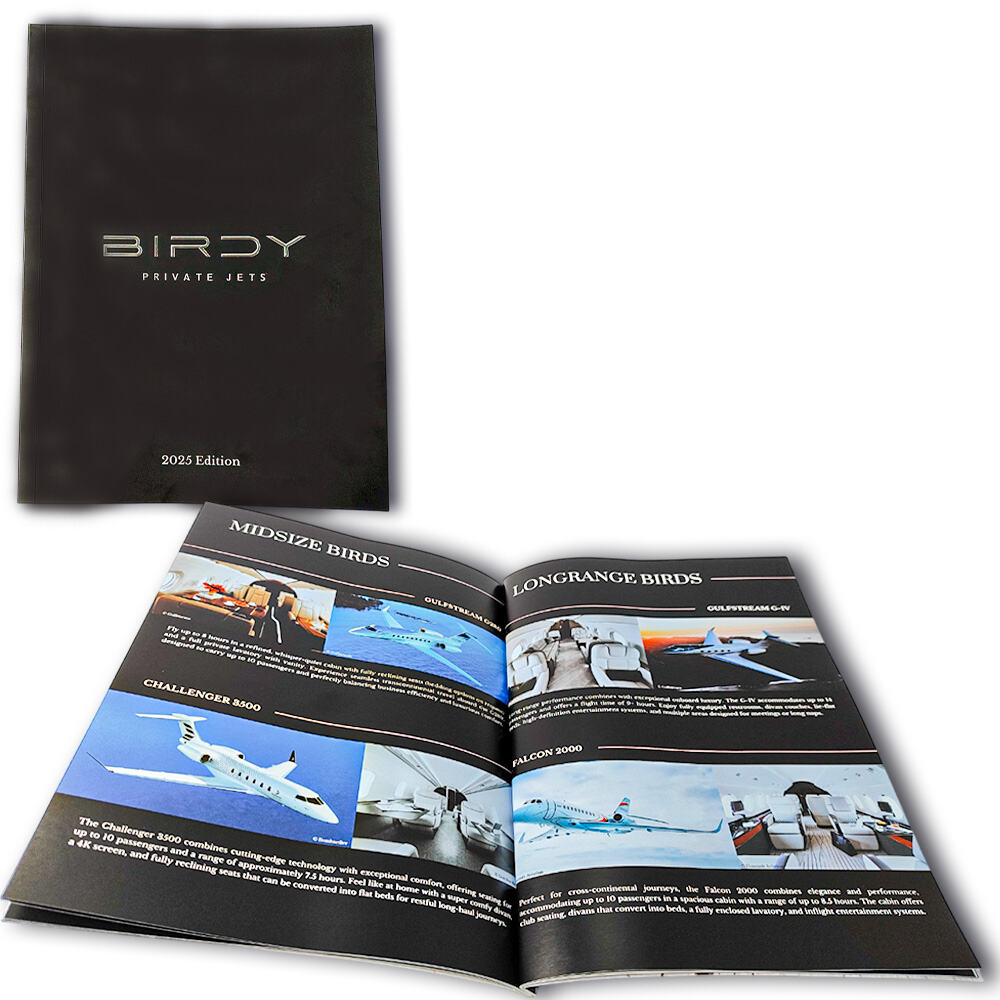
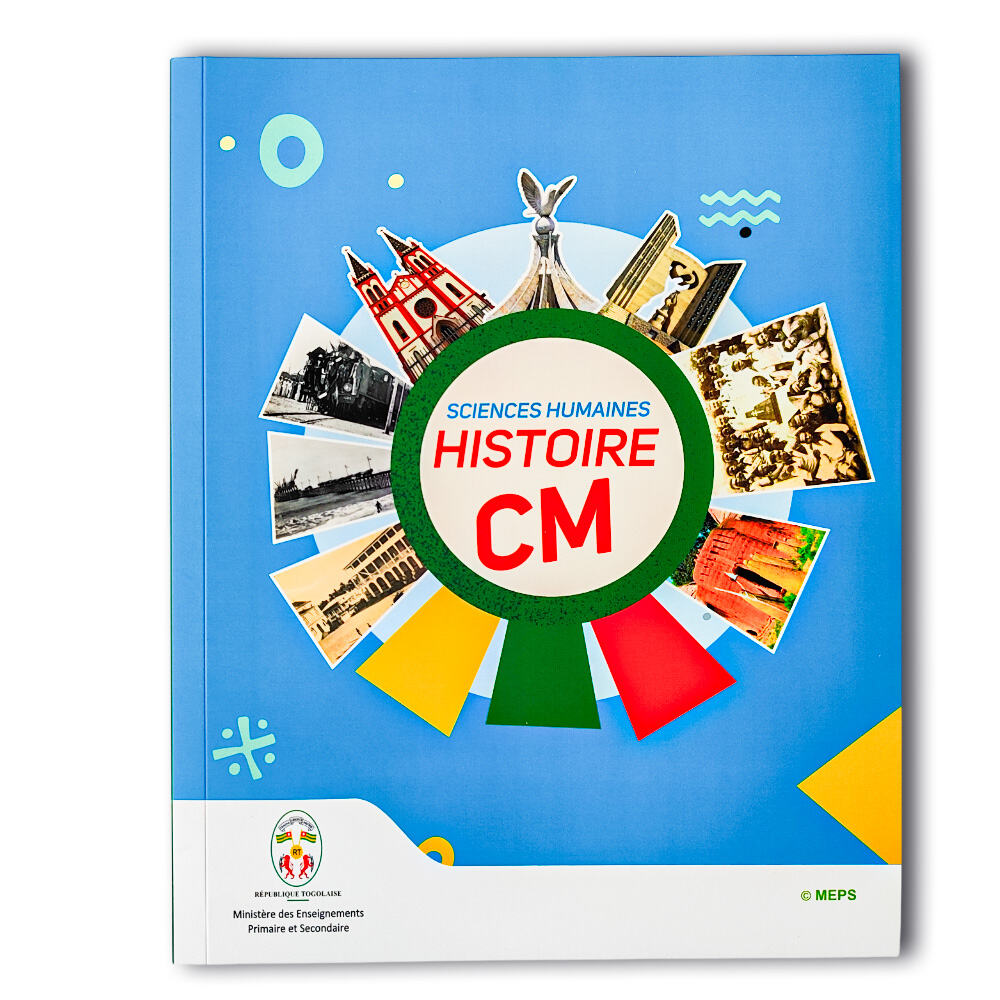
Softcover book binding represents a versatile and economical publishing solution that combines durability with cost-effectiveness for various printed materials. This binding method utilizes a flexible cover made from thick cardstock or laminated paper, creating a lightweight yet protective exterior for the book's interior pages. The softcover book binding process involves several sophisticated techniques, including perfect binding, saddle stitching, or coil binding, depending on the specific requirements and page count of the publication. The primary function of softcover book binding extends beyond simple page containment, offering publishers and authors a practical method to create professional-looking books without the substantial costs associated with hardcover production. Modern softcover book binding technology employs advanced adhesives and specialized machinery to ensure pages remain securely attached while maintaining flexibility for easy reading and handling. The binding process begins with gathering printed signatures or individual pages, which are then collated in proper sequence before applying the binding method. Perfect binding, the most common technique for softcover book binding, involves roughening the spine edge of gathered pages and applying hot-melt adhesive to create a strong, permanent bond with the cover. This method proves particularly effective for books containing 32 or more pages, making it ideal for novels, textbooks, manuals, and catalogs. Saddle stitching represents another popular approach within softcover book binding, utilizing wire staples placed through the fold of nested sheets to create booklets and brochures. The technological features of contemporary softcover book binding include precision cutting equipment, automated collation systems, and temperature-controlled adhesive application to ensure consistent quality across large production runs. Quality control measures throughout the softcover book binding process involve spine strength testing, page pull tests, and visual inspections to guarantee each finished product meets industry standards. Applications for softcover book binding span numerous industries and purposes, from educational textbooks and trade publications to corporate reports and promotional materials, making it an indispensable solution for modern publishing needs.

New Products

Softcover book binding delivers exceptional value through its remarkable cost-effectiveness, making quality publishing accessible to businesses, educational institutions, and independent authors operating within budget constraints. Publishers save significantly on production costs when choosing softcover book binding over hardcover alternatives, reducing material expenses by up to sixty percent while maintaining professional presentation standards. The lightweight nature of softcover book binding creates substantial shipping and distribution advantages, allowing publishers to reduce freight costs and enabling retailers to stock larger quantities without exceeding weight limitations. Customers appreciate the portability that softcover book binding provides, as these publications fit easily into bags, backpacks, and briefcases without adding excessive bulk or weight to daily carry items. The manufacturing speed associated with softcover book binding enables faster time-to-market delivery, allowing publishers to respond quickly to market demands and seasonal opportunities while maintaining production quality. Flexibility represents another major advantage of softcover book binding, as the bendable covers accommodate various reading positions and storage configurations without sustaining permanent damage. Environmental consciousness drives many organizations toward softcover book binding due to its reduced material usage and simplified recycling processes compared to hardcover alternatives. The diverse customization options available with softcover book binding include various cover finishes, such as matte, gloss, or soft-touch lamination, enabling brands to create distinctive visual presentations that align with their marketing objectives. Storage efficiency becomes particularly important for libraries, bookstores, and educational facilities, where softcover book binding allows for higher shelf density and more efficient space utilization. Repair and replacement costs remain minimal with softcover book binding, as damaged copies can be quickly and affordably reproduced without significant financial impact on budgets. The accessibility factor of softcover book binding extends to reading comfort, as the flexible covers reduce hand fatigue during extended reading sessions. Digital printing compatibility with softcover book binding supports short-run production and print-on-demand services, eliminating the need for large inventory investments while maintaining cost-effectiveness for specialized or niche publications.

Tips And Tricks

Europrice, a Well-Known European Brand in Children's Cognitive Education, Visits Shunhong to Launch a New Journey of In-Depth Cooperation

24

Nov

Europrice, a Well-Known European Brand in Children's Cognitive Education, Visits Shunhong to Launch a New Journey of In-Depth Cooperation

View More
Strengthen Quality Control and Consolidate Production Precision - Shunhong Company Holds Special Conference on Printing Quality Inspection

24

Nov

Strengthen Quality Control and Consolidate Production Precision - Shunhong Company Holds Special Conference on Printing Quality Inspection

View More
Intelligent Transformation Empowers Efficiency and Innovates Printing Production - Shunhong Company Promotes Intelligent Upgrading of Printing Production System

24

Nov

Intelligent Transformation Empowers Efficiency and Innovates Printing Production - Shunhong Company Promotes Intelligent Upgrading of Printing Production System

View More

Get a Free Quote

Our representative will contact you soon.
Email
Name
Company Name
Message
0/1000

softcover book binding

Superior Cost-Effectiveness and Budget Management

Superior Cost-Effectiveness and Budget Management

The financial advantages of softcover book binding extend far beyond initial production savings, creating a comprehensive economic solution that benefits publishers, distributors, and end consumers throughout the entire publishing lifecycle. Manufacturing costs for softcover book binding typically range from forty to sixty percent lower than hardcover alternatives, allowing publishers to allocate resources more effectively across marketing, distribution, and content development initiatives. This cost reduction stems from simplified material requirements, as softcover book binding eliminates the need for expensive board materials, cloth coverings, and dust jackets that characterize hardcover production. The streamlined production process inherent in softcover book binding reduces labor costs and machinery complexity, enabling faster turnaround times without compromising quality standards or professional appearance. Publishers benefit from lower minimum order quantities with softcover book binding, making it economically viable to produce specialized publications, limited editions, or test market releases without substantial financial risk. The shipping and logistics advantages of softcover book binding compound the initial cost savings, as lighter weight publications reduce freight expenses by up to thirty percent compared to hardcover alternatives. Retailers appreciate the inventory management benefits that softcover book binding provides, as increased shelf capacity and reduced storage costs improve profit margins while expanding product selection capabilities. Educational institutions and corporate buyers find softcover book binding particularly attractive for bulk purchases, as budget constraints often limit hardcover acquisitions while softcover alternatives maintain educational value and professional credibility. The reduced material waste associated with softcover book binding aligns with sustainable business practices while controlling production costs, creating environmental and economic benefits that resonate with environmentally conscious consumers. Return and replacement costs remain minimal with softcover book binding, as damaged inventory can be quickly reproduced without significant financial impact on publishers or retailers. Print-on-demand compatibility ensures that softcover book binding remains cost-effective even for single-copy orders, eliminating warehousing expenses and reducing financial risk associated with overproduction.
Enhanced Portability and User Experience

Enhanced Portability and User Experience

The exceptional portability characteristics of softcover book binding transform the reading experience by accommodating modern lifestyle demands while maintaining durability and professional presentation standards. The lightweight construction inherent in softcover book binding reduces publication weight by approximately fifty to seventy percent compared to hardcover alternatives, making extended reading sessions more comfortable and reducing physical strain on readers. Commuters and travelers particularly value the space-saving benefits of softcover book binding, as these publications fit easily into carry-on luggage, briefcases, and personal bags without exceeding weight restrictions or consuming excessive space. The flexible cover design of softcover book binding allows publications to bend and flex during handling without sustaining permanent damage, accommodating various reading positions and environmental conditions that might damage rigid hardcover publications. Students and professionals benefit from the ergonomic advantages of softcover book binding, as the reduced weight and flexible construction minimize hand fatigue during note-taking sessions and extended study periods. The slim profile achieved through softcover book binding enables efficient organization within bookshelves, filing systems, and storage containers, maximizing space utilization in libraries, offices, and personal collections. Reading comfort improves significantly with softcover book binding, as the flexible spine allows publications to lay flat when opened, eliminating the awkward positioning required with rigid hardcover books. The tactile experience of softcover book binding appeals to many readers who prefer the responsive feel of flexible covers during handling and page turning. Durability testing demonstrates that properly executed softcover book binding withstands repeated handling and environmental exposure while maintaining structural integrity throughout the publication's intended lifespan. The convenience factor extends to sharing and lending, as the lightweight nature of softcover book binding encourages circulation among readers without concerns about damage or handling difficulties. Storage versatility becomes apparent in various environments, from classroom settings where students manage multiple textbooks to professional environments where reference materials require frequent access and repositioning.
Versatile Production Flexibility and Market Responsiveness

Versatile Production Flexibility and Market Responsiveness

The remarkable production flexibility inherent in softcover book binding enables publishers to respond rapidly to market opportunities while accommodating diverse publication requirements across multiple industries and applications. Short-run production capabilities make softcover book binding ideal for specialized publications, niche markets, and time-sensitive materials where traditional hardcover production would prove economically unfeasible or logistically challenging. The compatibility between softcover book binding and digital printing technologies enables cost-effective print-on-demand services, eliminating inventory risks while maintaining the ability to fulfill orders promptly and efficiently. Publishers can leverage the quick turnaround times associated with softcover book binding to capitalize on trending topics, seasonal demands, and current events that require immediate market entry to maximize commercial success. The diverse size and format options available with softcover book binding accommodate everything from pocket-sized reference guides to large-format art books, providing creative freedom while maintaining production efficiency and cost-effectiveness. Customization possibilities within softcover book binding include various cover treatments such as matte lamination, gloss finishing, spot UV coating, and soft-touch materials that create distinctive tactile experiences while protecting against wear and environmental damage. The binding method versatility supports different page counts and paper types, from lightweight text pages to heavy cardstock inserts, enabling publishers to create publications that meet specific functional and aesthetic requirements. Quality control standards in modern softcover book binding ensure consistent results across large production runs while maintaining the flexibility to accommodate special requirements or last-minute modifications without disrupting production schedules. International distribution becomes more practical with softcover book binding due to reduced shipping weights and simplified packaging requirements, enabling publishers to expand market reach while controlling logistics costs. The environmental advantages of softcover book binding align with corporate sustainability initiatives, as reduced material usage and simplified recycling processes appeal to environmentally conscious consumers and organizations. Market testing and prototype development benefit from the low-cost, quick-turnaround characteristics of softcover book binding, allowing publishers to evaluate consumer response and refine publications before committing to larger production investments.
Professional Softcover Book Binding Services - Cost-Effective Publishing Solutions

Get a Free Quote

Our representative will contact you soon.
Email
Name
Company Name
Message
0/1000