Versatile Design Flexibility for Diverse Content Types
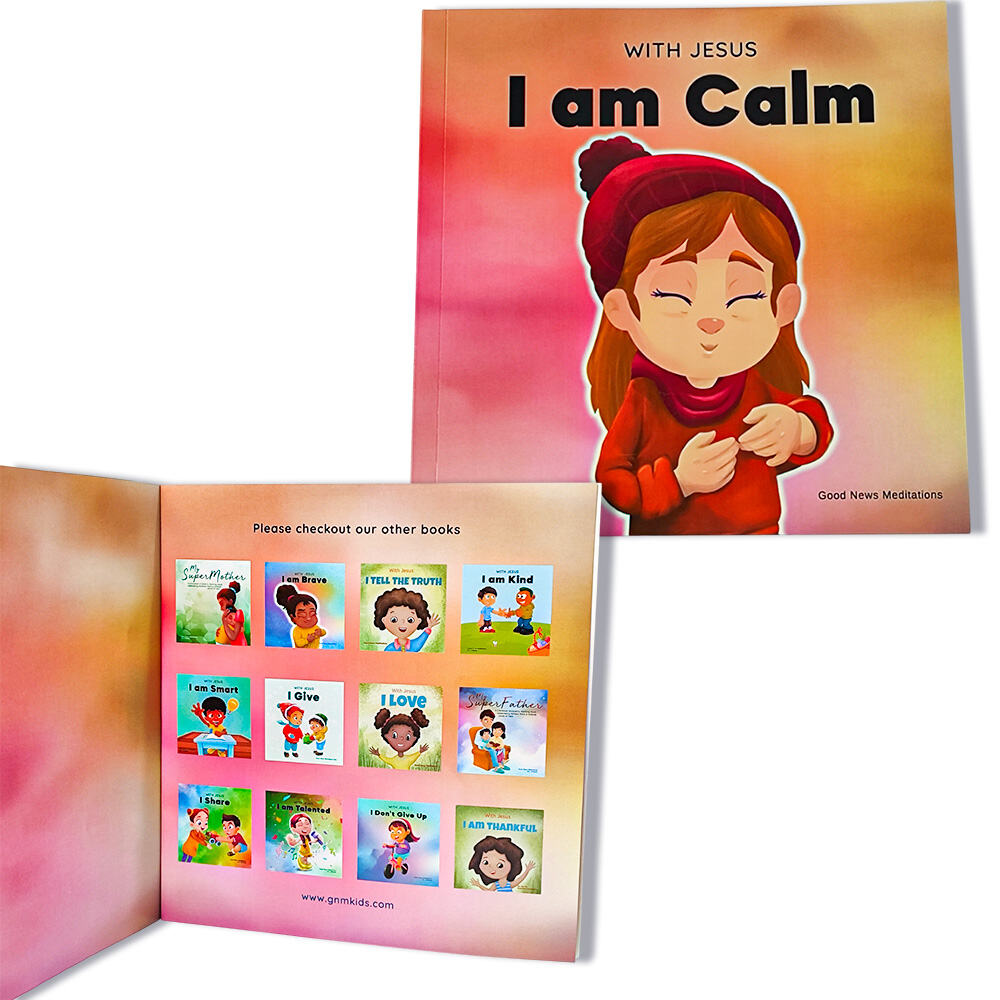
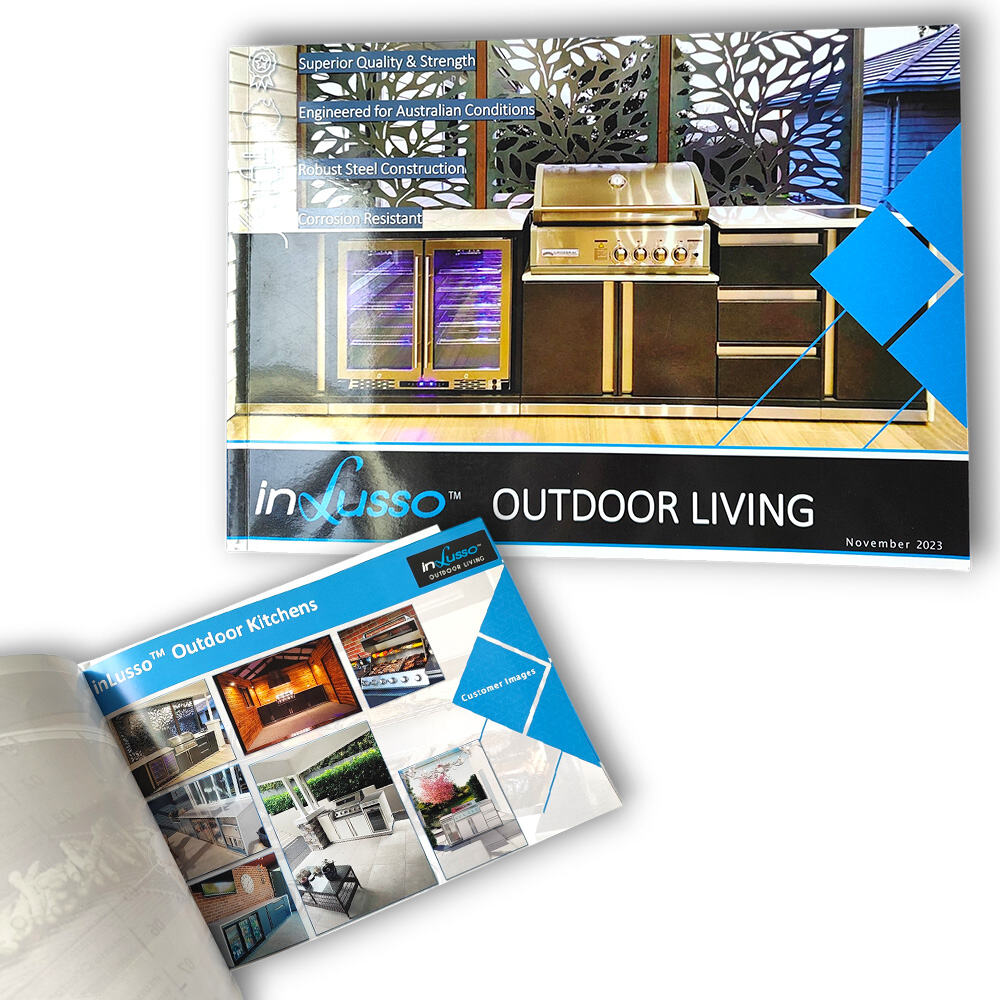
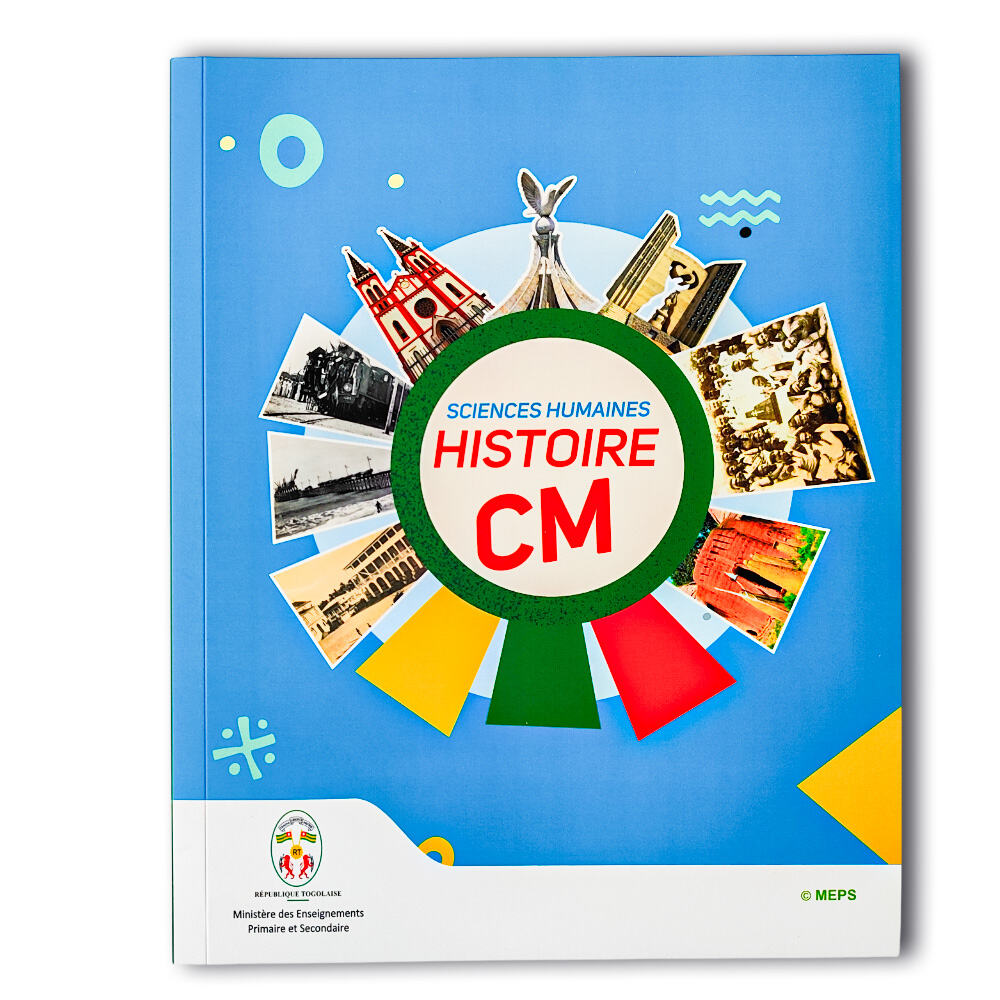
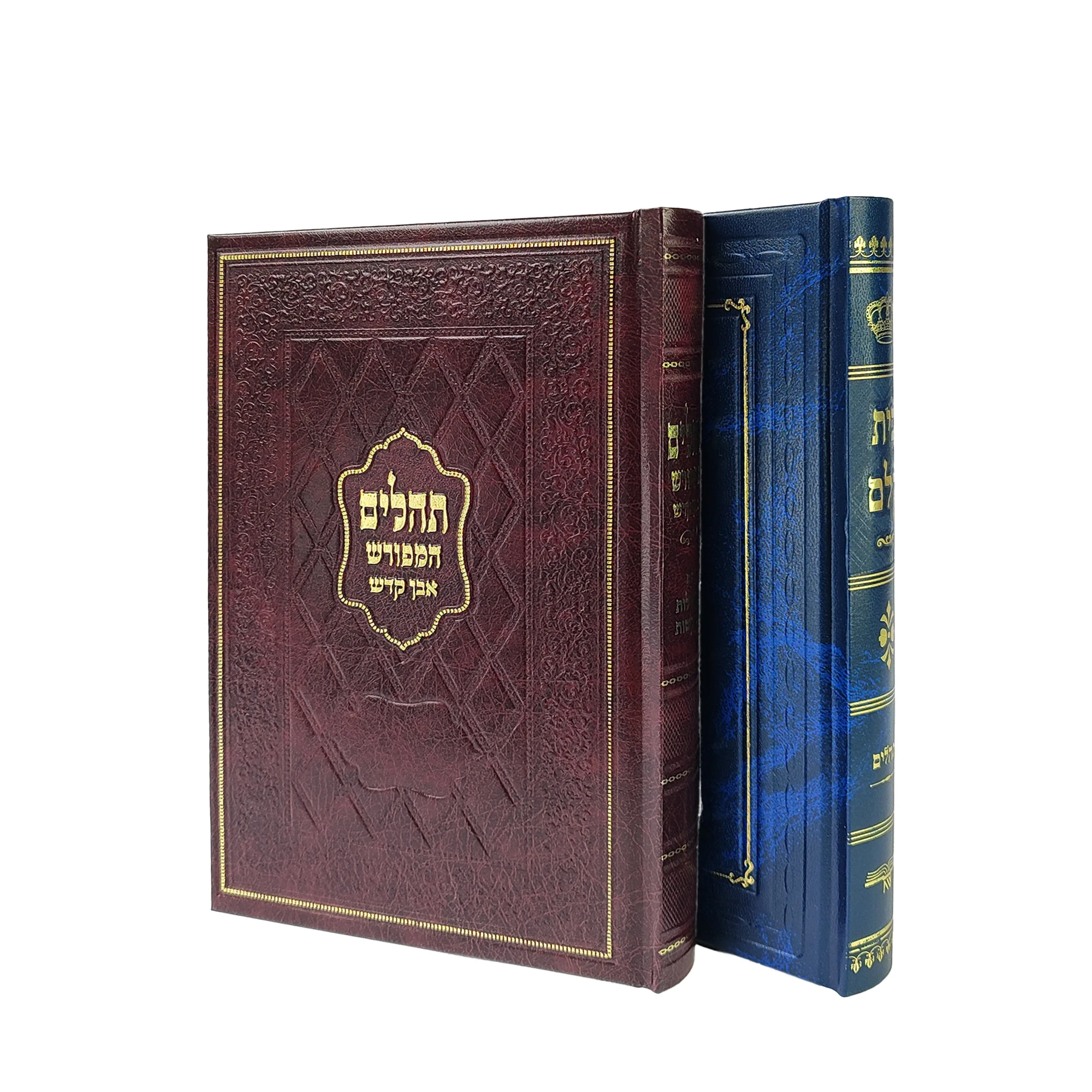
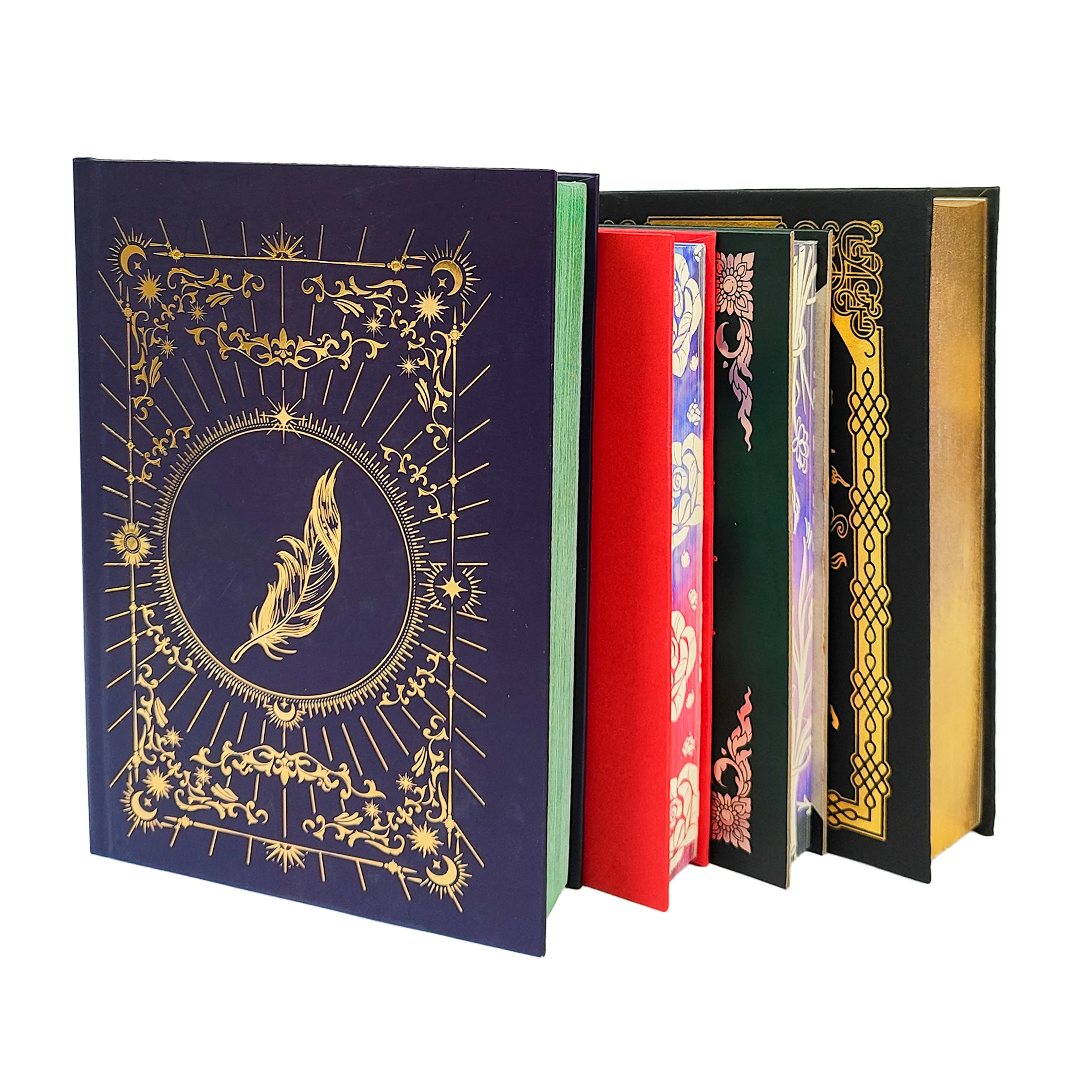
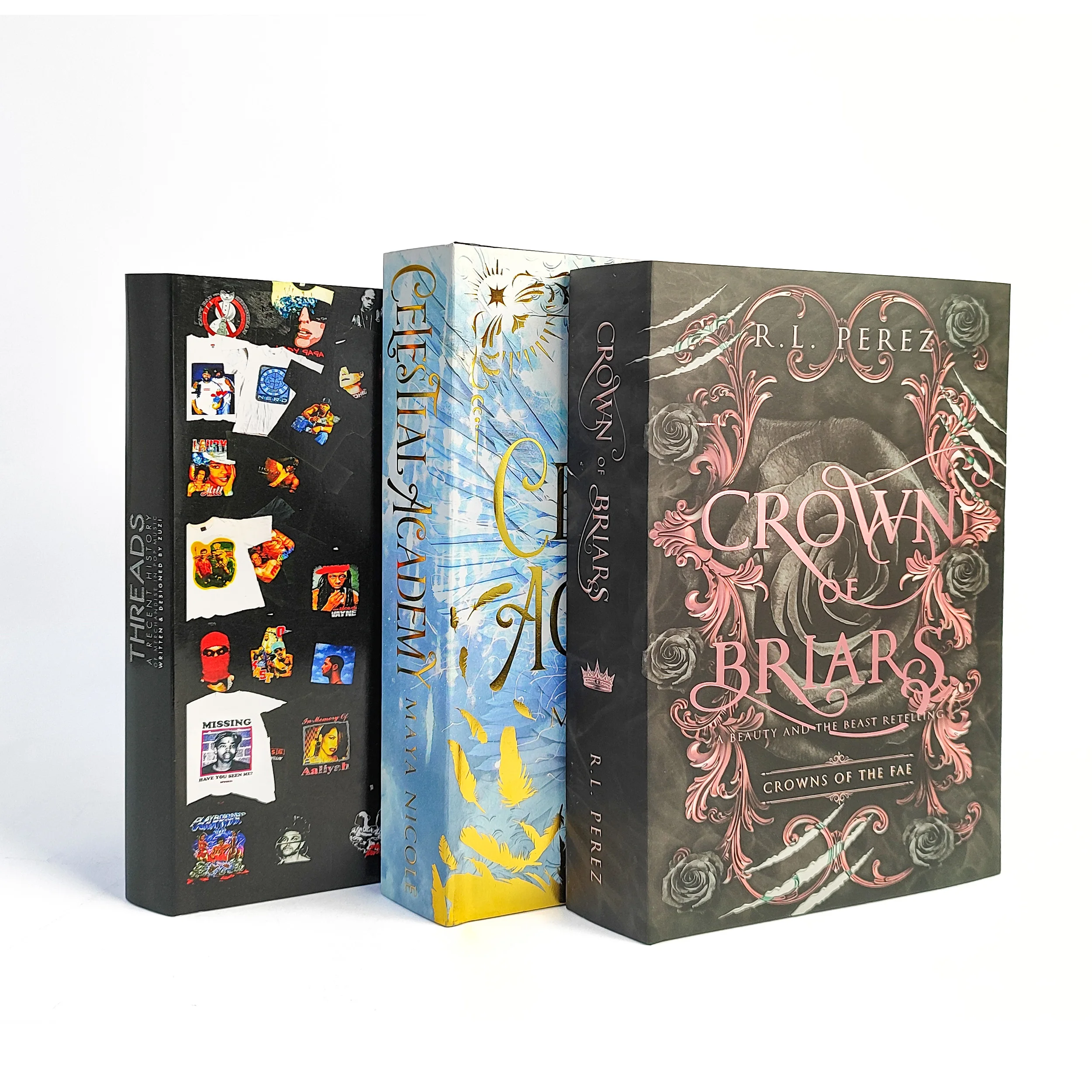
Softcover book design offers unprecedented flexibility that accommodates virtually any content type, format requirement, or aesthetic preference while maintaining production efficiency and cost-effectiveness. This adaptability stems from modular design systems that allow publishers to customize every aspect of their publications without requiring specialized equipment or extensive setup modifications. The design framework supports page counts ranging from compact 16-page booklets to comprehensive 800-page volumes, enabling content creators to select optimal formats based on material requirements rather than production constraints. Paper selection options within softcover book design include numerous weights, finishes, and compositions that enhance readability while supporting specific content types. Technical manuals benefit from heavier paper stocks that withstand frequent handling and resist wear from repeated page turning, while literary works utilize lighter papers that maintain comfortable reading experiences during extended sessions. Specialty papers incorporating recycled content, enhanced whiteness ratings, or specific opacity characteristics ensure optimal reproduction quality for photographs, diagrams, or complex graphics without compromising environmental responsibility or budget parameters. Format customization capabilities extend to trim sizes, with softcover book design accommodating standard dimensions alongside custom specifications that align with unique content requirements or branding strategies. Publishers can implement non-standard proportions for art books, specialized reference materials, or promotional publications that require distinctive shelf presence. The production flexibility supports various orientation options, enabling landscape formats for technical drawings, square formats for artistic presentations, or traditional portrait orientations for conventional text-based content. Color integration possibilities within softcover book design range from single-color text applications to full-color printing throughout entire publications. Hybrid approaches combining color sections with economical black-and-white content provide cost-effective solutions for publications requiring selective color enhancement without full-spectrum printing expenses. Spot color applications enable brand consistency through precise color matching while maintaining budget control, particularly valuable for corporate publications, educational materials, or series publications requiring consistent visual identity across multiple titles. The design system accommodates special finishing options including matte or gloss lamination, spot UV applications, embossing, or foil stamping that enhance visual impact and tactile appeal without significantly impacting production timelines or requiring specialized binding modifications.
 EN
EN