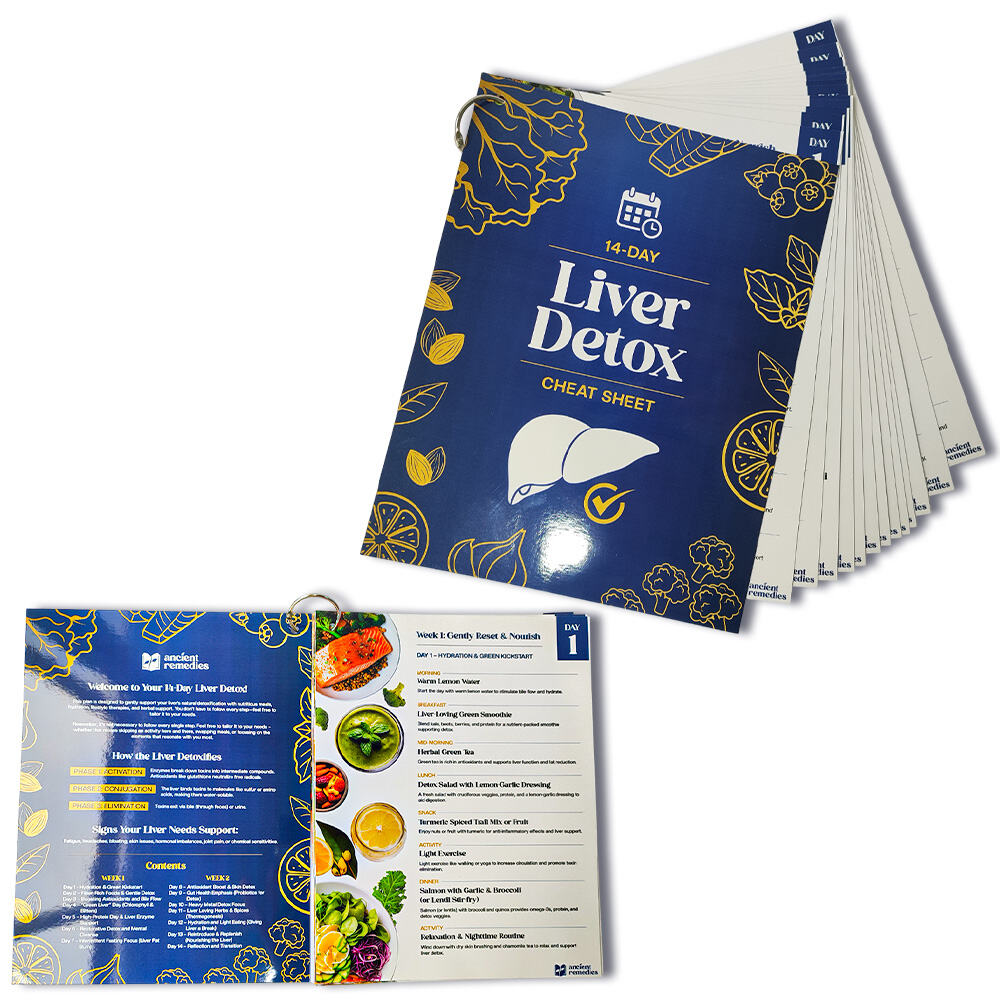
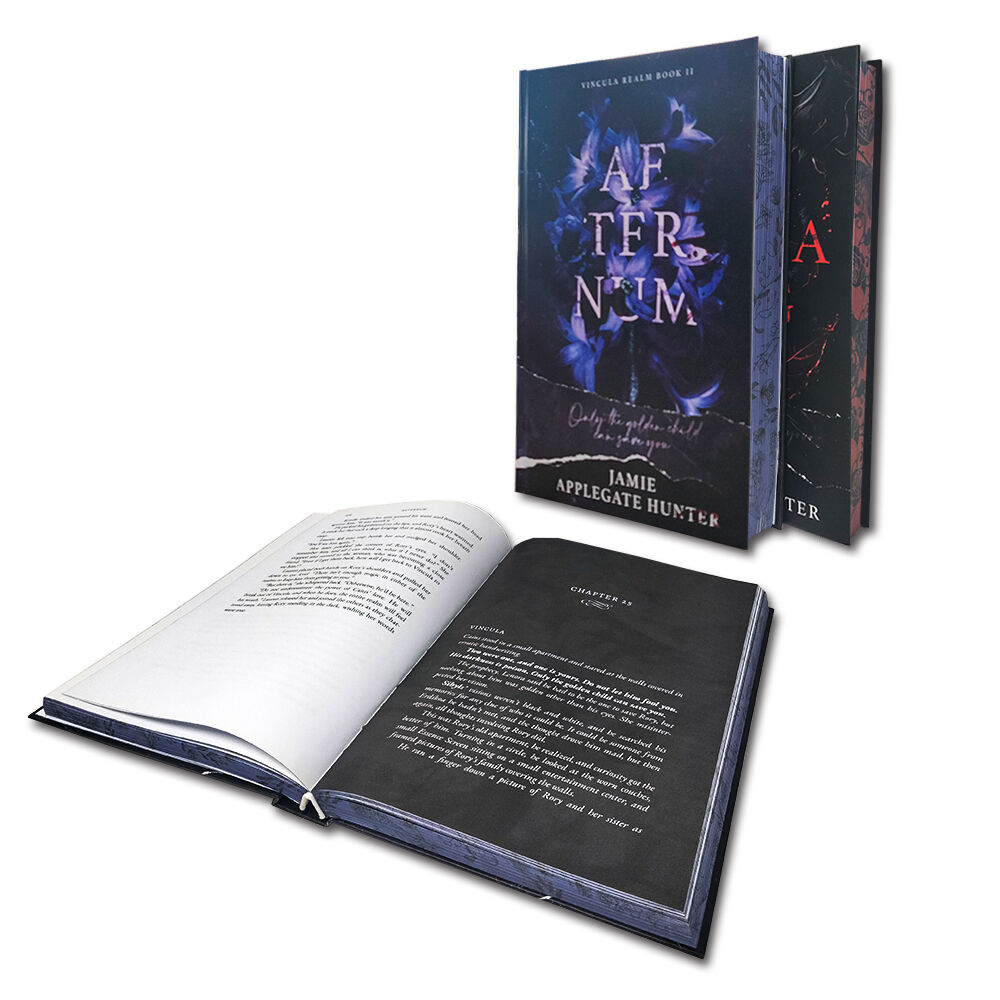
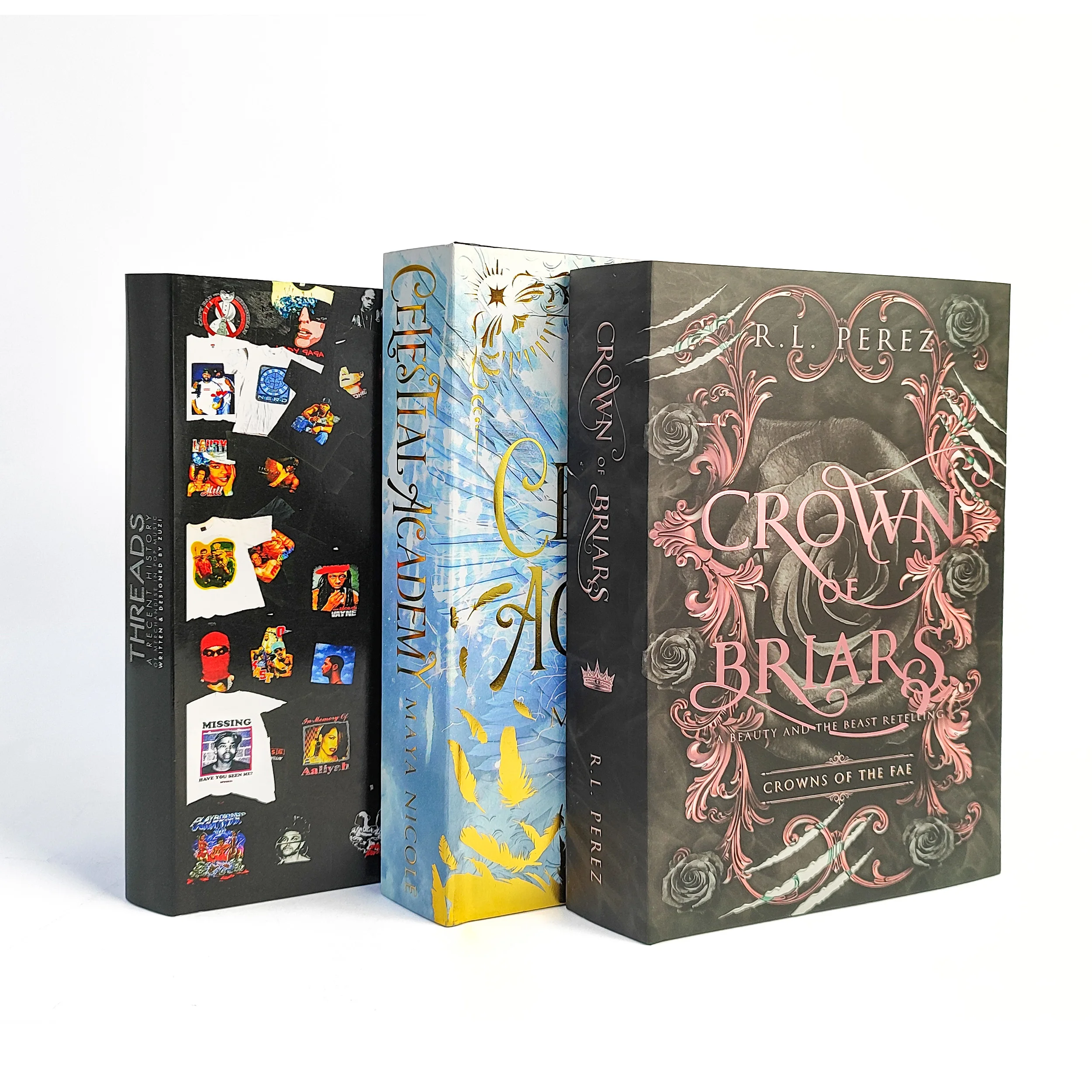
Professional Paperback Book Printing Services - High-Quality, Cost-Effective Publishing Solutions

Get a Free Quote

Our representative will contact you soon.
Email
Name
Company Name
Message
0/1000

paperback book printing

Paperback book printing represents a revolutionary approach to publishing that combines affordability with accessibility, making literature and knowledge available to millions of readers worldwide. This printing method utilizes flexible cover materials, typically made from thick paper or cardstock, rather than the rigid hardcover binding traditionally associated with premium publications. The paperback book printing process involves sophisticated offset printing technology that ensures high-quality text reproduction while maintaining cost-effectiveness. Modern paperback book printing operations employ advanced digital systems that can handle variable data printing, allowing for customization and short-run productions that were previously economically unfeasible. The technological features of paperback book printing include precision paper feeding mechanisms, multi-color printing capabilities, and automated binding systems that can produce thousands of books per hour. These systems utilize computer-controlled processes that monitor ink density, paper alignment, and binding quality throughout the production cycle. The applications of paperback book printing span numerous industries, from educational publishing houses producing textbooks and workbooks to independent authors seeking affordable self-publishing solutions. Publishers rely on paperback book printing for mass-market fiction, non-fiction titles, and reference materials that require widespread distribution. The process accommodates various paper grades and weights, enabling publishers to balance quality with cost considerations based on their target market. Contemporary paperback book printing facilities can handle complex layouts, including full-color illustrations, photographs, and intricate formatting requirements. The binding technology ensures durability while maintaining the flexibility that readers appreciate. Quality control measures in paperback book printing involve multiple inspection points, from initial proof verification to final product assessment, ensuring that each book meets industry standards for readability and structural integrity.

New Products

Paperback book printing delivers exceptional value through significantly reduced production costs compared to hardcover alternatives, making books accessible to broader audiences while maintaining publisher profitability. The lightweight nature of paperback books creates substantial shipping cost savings, allowing publishers and distributors to transport larger quantities more efficiently, ultimately reducing the final retail price for consumers. Production speed represents another major advantage of paperback book printing, with modern facilities capable of completing entire print runs in days rather than weeks, enabling publishers to respond quickly to market demands and capitalize on trending topics. The flexibility inherent in paperback book printing allows for smaller initial print runs, reducing inventory risks and enabling publishers to test market reception before committing to larger volumes. This approach proves particularly beneficial for new authors and niche publications where demand patterns remain uncertain. Environmental considerations favor paperback book printing through reduced material consumption, as the process requires less paper and fewer resources than hardcover production, aligning with contemporary sustainability initiatives. Storage and display advantages emerge from the compact design of paperback books, allowing retailers to maximize shelf space while offering diverse selections to customers. The portability factor enhances reader convenience, as paperback books fit easily into bags, backpacks, and travel accessories, encouraging reading in various settings. Digital integration capabilities in modern paperback book printing enable seamless coordination with e-commerce platforms, supporting print-on-demand services that eliminate waste while ensuring continuous availability. The versatility of paperback book printing accommodates diverse genres and formats, from novels and educational materials to technical manuals and artistic publications. Quality improvements in paperback book printing technology now deliver sharp text clarity and vibrant color reproduction that rivals more expensive binding methods. Customization options allow publishers to create unique covers, select appropriate paper stocks, and implement special finishes that enhance visual appeal without significantly impacting costs. The democratizing effect of affordable paperback book printing has revolutionized independent publishing, empowering authors to bring their works to market without prohibitive upfront investments.

Latest News

Europrice, a Well-Known European Brand in Children's Cognitive Education, Visits Shunhong to Launch a New Journey of In-Depth Cooperation

24

Nov

Europrice, a Well-Known European Brand in Children's Cognitive Education, Visits Shunhong to Launch a New Journey of In-Depth Cooperation

View More
Strengthen Quality Control and Consolidate Production Precision - Shunhong Company Holds Special Conference on Printing Quality Inspection

24

Nov

Strengthen Quality Control and Consolidate Production Precision - Shunhong Company Holds Special Conference on Printing Quality Inspection

View More
Intelligent Transformation Empowers Efficiency and Innovates Printing Production - Shunhong Company Promotes Intelligent Upgrading of Printing Production System

24

Nov

Intelligent Transformation Empowers Efficiency and Innovates Printing Production - Shunhong Company Promotes Intelligent Upgrading of Printing Production System

View More

Get a Free Quote

Our representative will contact you soon.
Email
Name
Company Name
Message
0/1000

paperback book printing

Advanced Offset Technology for Superior Quality Output

Advanced Offset Technology for Superior Quality Output

Modern paperback book printing utilizes cutting-edge offset printing technology that revolutionizes the production of high-quality publications while maintaining exceptional cost efficiency. This sophisticated printing method employs aluminum plates that transfer ink images onto rubber blankets before applying them to paper surfaces, ensuring consistent reproduction quality across entire print runs. The offset process in paperback book printing delivers sharp text clarity that surpasses digital alternatives, particularly noticeable in small fonts and detailed graphics commonly found in technical publications and educational materials. Advanced color management systems integrated into contemporary paperback book printing facilities enable precise color matching and consistency, crucial for publications featuring photographs, illustrations, or branded materials requiring specific color accuracy. The technology accommodates various paper weights and finishes, from standard newsprint for mass-market publications to premium coated stocks for art books and high-end magazines. Automated plate-making systems reduce setup times significantly, allowing paperback book printing operations to handle multiple jobs efficiently while maintaining quality standards throughout the production process. The precision registration capabilities ensure perfect alignment of multiple color layers, preventing the color bleeding or misalignment issues that can compromise readability and visual appeal. Modern paperback book printing facilities employ computerized monitoring systems that continuously track ink density, paper feed accuracy, and registration alignment, automatically adjusting parameters to maintain optimal output quality. This technological sophistication enables consistent reproduction of complex layouts, including multi-column text formats, integrated images, and specialized typography requirements common in academic and professional publications. The efficiency gains from advanced offset technology translate directly into cost savings for publishers, making paperback book printing an economically viable option for both large-scale commercial releases and smaller specialized publications.
Streamlined Binding Systems for Enhanced Durability

Streamlined Binding Systems for Enhanced Durability

The binding technology employed in paperback book printing has evolved dramatically to provide superior durability while maintaining the flexibility and affordability that define the format. Contemporary perfect binding systems used in paperback book printing create strong adhesive bonds between pages and covers through precisely controlled application of hot-melt adhesives that penetrate paper fibers for lasting connections. These advanced binding machines operate with computer-controlled temperature and pressure settings, ensuring optimal adhesive distribution while preventing the excess glue application that can create stiff, uncomfortable reading experiences. The spine preparation process in modern paperback book printing involves micro-roughening techniques that increase surface area for adhesive bonding, significantly improving the longevity of the finished product. Quality paperback book printing operations incorporate multiple binding strength tests throughout production, including pull tests that verify page adhesion and flexibility assessments that ensure covers maintain their shape through repeated handling. The binding systems accommodate various paper types and weights simultaneously, allowing publishers to use different stocks for covers, text pages, and inserts within single publications. Automated trimming systems integrated into paperback book printing lines ensure precise edge cutting that enhances both appearance and functionality, creating clean edges that resist wear and provide comfortable handling experiences. The three-knife trimming process standard in professional paperback book printing creates perfectly square corners and uniform dimensions essential for retail display and customer satisfaction. Advanced binding technology enables the incorporation of special features such as lay-flat binding for cookbooks and technical manuals, expanding the applications for paperback book printing beyond traditional text-heavy publications. Temperature and humidity controls in modern binding systems prevent warping and distortion that can occur during the adhesive curing process, ensuring that finished books maintain their intended shape and functionality. The integration of quality control sensors throughout the binding process automatically identifies and removes defective units, maintaining the high standards expected in commercial paperback book printing operations.
Flexible Production Capabilities for Diverse Publishing Needs

Flexible Production Capabilities for Diverse Publishing Needs

Contemporary paperback book printing services offer unprecedented flexibility that accommodates the diverse needs of modern publishers, from major publishing houses managing extensive catalogs to independent authors pursuing self-publishing ventures. The scalability inherent in professional paperback book printing allows for economical production runs ranging from hundreds to hundreds of thousands of copies, with per-unit costs decreasing as quantities increase while remaining viable for smaller projects. Digital workflow integration enables seamless file processing that can handle complex layouts, variable data printing for personalized publications, and rapid turnaround times essential in today's competitive publishing environment. Modern paperback book printing facilities maintain extensive inventories of paper stocks, cover materials, and binding supplies, allowing publishers to select optimal combinations for their specific requirements without extended lead times or minimum order constraints. The versatility of contemporary paperback book printing extends to format variations, accommodating everything from pocket-sized novels to large-format art books and technical manuals requiring specialized layouts and paper specifications. Print-on-demand capabilities integrated into paperback book printing services eliminate inventory risks while ensuring continuous availability, particularly valuable for backlist titles and specialized publications with unpredictable demand patterns. Color printing options in paperback book printing have expanded dramatically, enabling full-color interiors for children's books, textbooks with educational illustrations, and art publications requiring high-quality image reproduction. Finishing options available through paperback book printing include various cover treatments such as matte or gloss lamination, spot UV coating for selective highlighting, and embossing for tactile appeal, allowing publishers to create distinctive products that stand out in competitive markets. The geographic distribution of paperback book printing facilities enables regional production that reduces shipping costs and delivery times while supporting local economies and reducing environmental impact through shorter transportation distances. Rush production capabilities standard in modern paperback book printing operations can accommodate urgent publishing deadlines, enabling publishers to capitalize on time-sensitive opportunities such as current events publications or seasonal releases requiring rapid market entry.
Professional Paperback Book Printing Services - High-Quality, Cost-Effective Publishing Solutions

Get a Free Quote

Our representative will contact you soon.
Email
Name
Company Name
Message
0/1000