Comprehensive Binding and Finishing Solutions
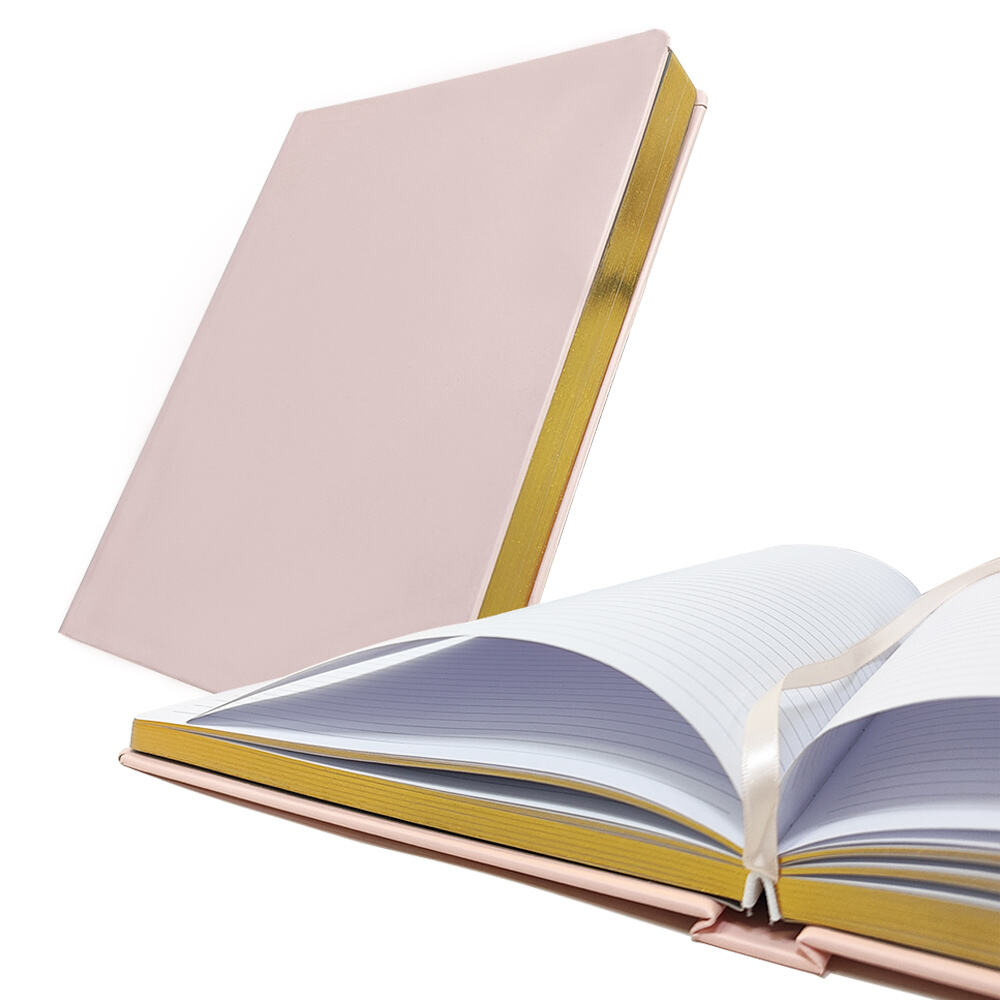
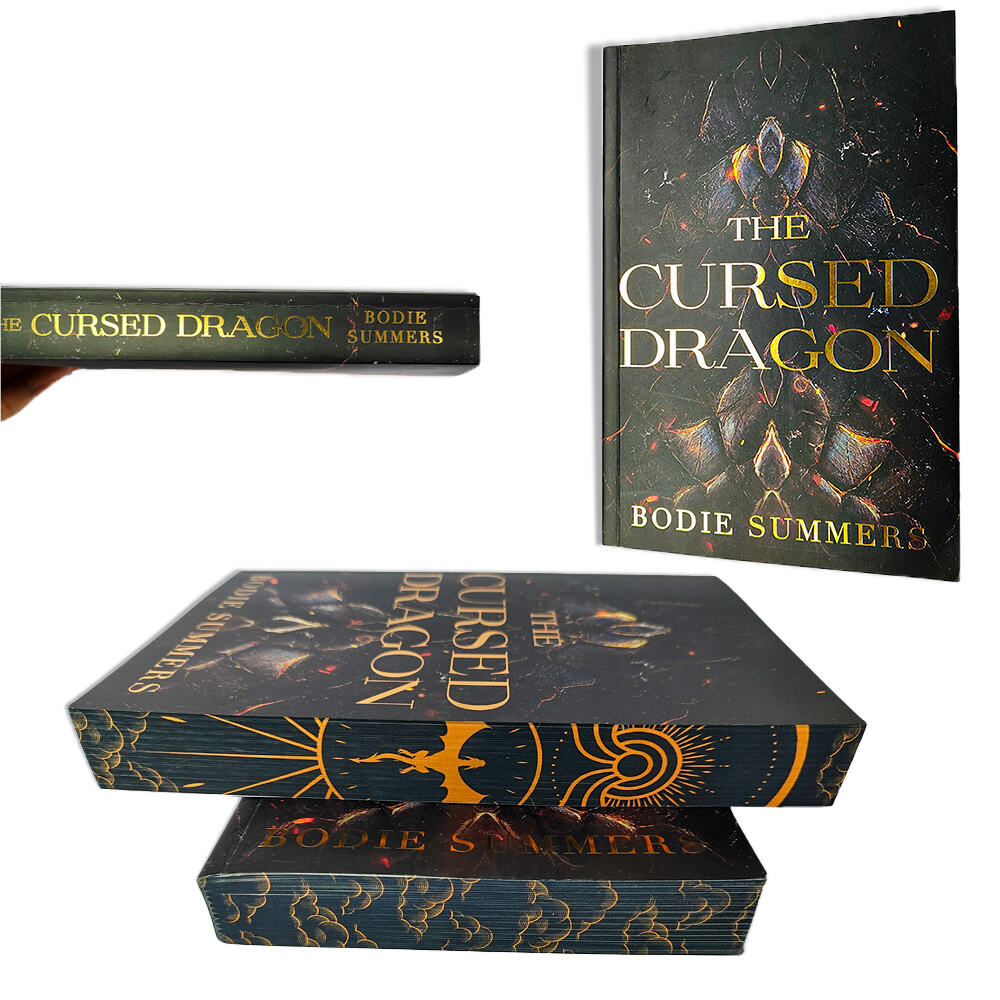
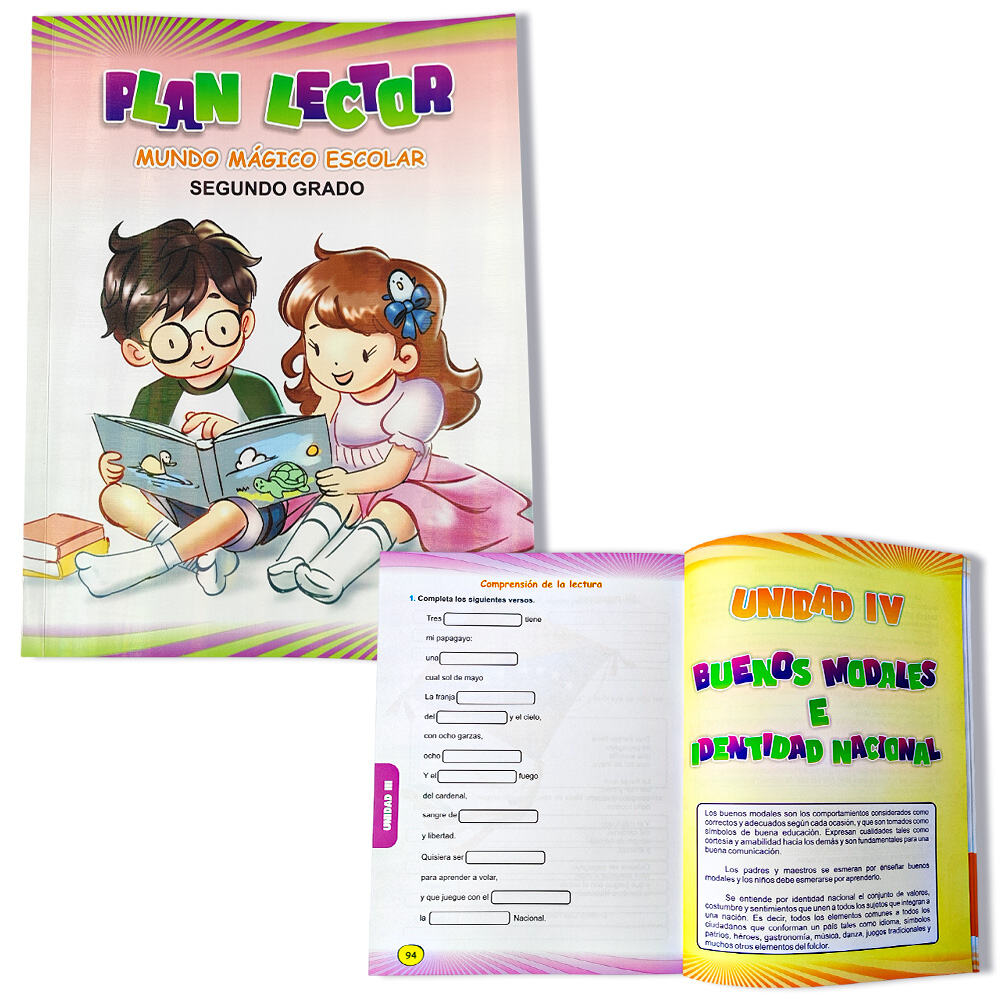
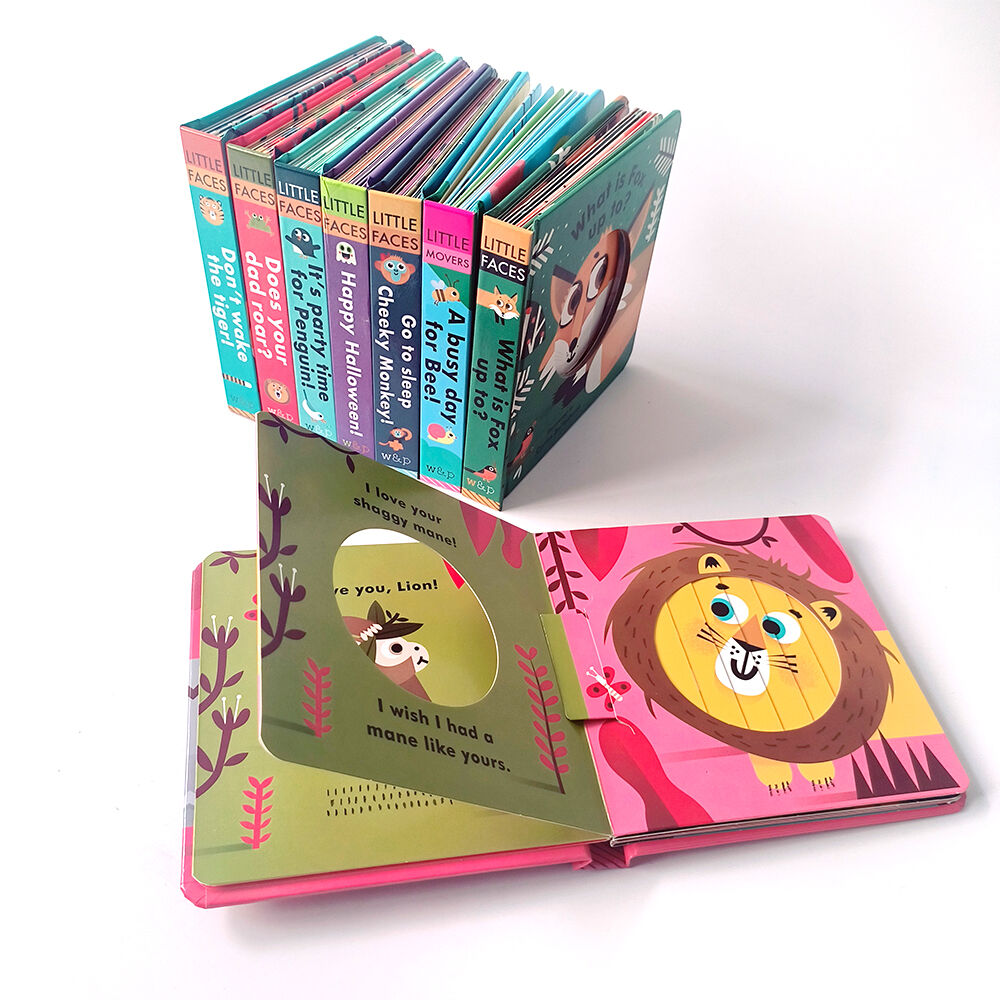
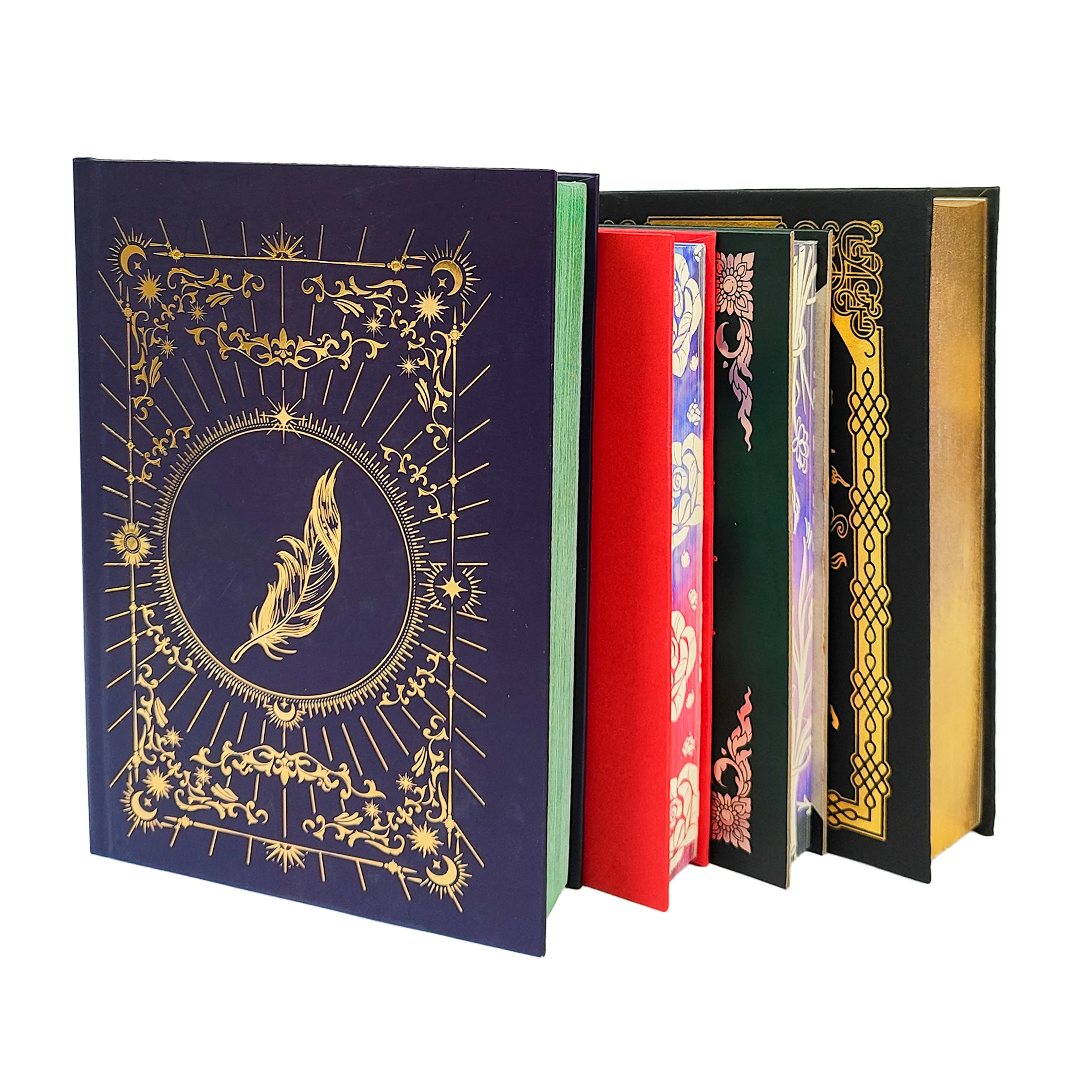
Professional book printing companies distinguish themselves through extensive binding and finishing capabilities that transform printed sheets into durable, attractive publications ready for distribution and long-term use. Perfect binding, the most common binding method for paperback books, magazines, and catalogs, utilizes high-strength adhesives and automated equipment to create secure, professional-looking spines that accommodate varying page counts and paper weights. Saddle stitching provides cost-effective binding for thinner publications, with high-speed equipment capable of processing thousands of booklets per hour while maintaining precise alignment and consistent staple placement. Case binding, also known as hardcover binding, represents the premium option for books requiring maximum durability and visual impact. This process involves sewing signatures together, applying reinforced backing materials, and attaching decorative covers that can feature embossing, foil stamping, or specialty coatings. Wire-O and comb binding offer functional alternatives for training manuals, reference materials, and presentations that require lay-flat capabilities for ease of use. Specialty binding options include concealed wire binding for elegant presentations, tape binding for short-run publications, and thermal binding for quick turnaround projects. Finishing services extend far beyond basic binding to include cutting, drilling, perforating, and scoring operations that enhance functionality and appearance. Lamination services protect covers and frequently handled pages from wear, moisture, and staining while adding visual appeal through gloss, matte, or textured finishes. UV coating provides similar protection with faster curing times and enhanced scratch resistance, particularly beneficial for high-volume publications subject to rough handling. Embossing and debossing create tactile elements that enhance perceived value and brand recognition, while foil stamping adds metallic accents that catch light and draw attention. Die-cutting capabilities enable custom shapes, windows, and interactive elements that differentiate publications from standard rectangular formats. Quality control measures ensure consistent results across entire production runs, with random sampling and inspection procedures that identify and correct potential issues before they affect large quantities. Packaging and shipping services complete the process, with options ranging from simple carton packing to shrink-wrapping, palletizing, and direct-to-consumer fulfillment that streamline distribution and reduce handling requirements for customers.
 EN
EN