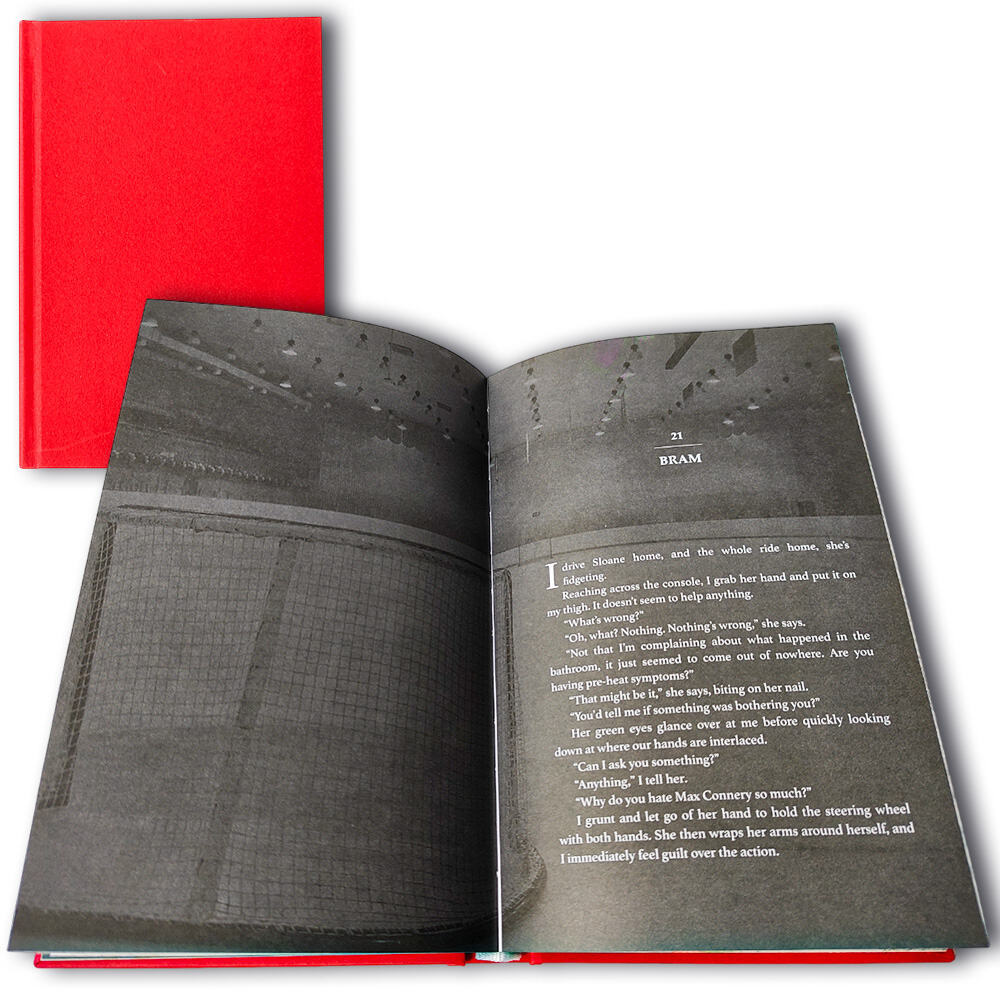
Professional Offset Book Printing Services - High-Quality, Cost-Effective Solutions

Get a Free Quote

Our representative will contact you soon.
Email
Name
Company Name
Message
0/1000

offset book printing

Offset book printing represents one of the most sophisticated and widely utilized printing technologies in the publishing industry today. This lithographic printing method operates on the fundamental principle that oil and water naturally repel each other, creating a precise transfer system that delivers exceptional print quality. The offset book printing process begins with the creation of printing plates, typically made from aluminum, which are treated to create hydrophilic and oleophilic areas corresponding to image and non-image regions. During production, the printing plate transfers ink to a rubber blanket cylinder, which then applies the image onto paper or other substrates. This indirect transfer method gives offset book printing its distinctive name and provides superior control over ink distribution. The technology excels in producing high-volume publications including novels, textbooks, magazines, catalogs, and technical manuals. Modern offset book printing equipment incorporates advanced computer-to-plate technology, automated color management systems, and precision registration controls that ensure consistent quality throughout lengthy production runs. The process accommodates various paper weights, sizes, and finishes, making it incredibly versatile for different publishing requirements. Web-fed offset presses can handle continuous paper rolls, enabling rapid production of large quantities, while sheet-fed systems offer enhanced quality control for premium publications. The technological sophistication of contemporary offset book printing includes real-time monitoring systems, automated ink density adjustments, and digital workflow integration that streamlines the entire production process from prepress to finishing. These capabilities make offset book printing the preferred choice for commercial publishers, educational institutions, and businesses requiring professional-grade printed materials with consistent quality, sharp text reproduction, and vibrant color accuracy across thousands or millions of copies.

New Product Releases

Offset book printing delivers remarkable cost efficiency, particularly for medium to large print runs where the per-unit cost decreases significantly as quantities increase. Publishers benefit from substantial savings when producing thousands of copies, as the setup costs distribute across the entire run, making each book more affordable to manufacture. The superior image quality achieved through offset book printing surpasses most other printing methods, producing crisp text with sharp edges, smooth gradients, and accurate color reproduction that meets professional publishing standards. This technology handles fine details exceptionally well, ensuring that small fonts remain legible and complex graphics maintain their clarity throughout the printing process. The versatility of offset book printing extends to accommodate numerous paper types, weights, and sizes, allowing publishers to select the optimal substrate for their specific project requirements. Whether printing on coated papers for vibrant photography books, uncoated stocks for novels, or specialty papers for luxury editions, offset book printing adapts seamlessly to different material specifications. Speed represents another significant advantage, as modern offset presses operate at impressive rates, completing thousands of impressions per hour while maintaining consistent quality standards. This rapid production capability enables publishers to meet tight deadlines and respond quickly to market demands. The durability of offset printed materials ensures long-lasting publications that resist fading and maintain their appearance over time, providing excellent value for educational materials, reference books, and archival publications. Offset book printing also offers exceptional color consistency throughout production runs, utilizing advanced color management systems that maintain accurate color matching from the first copy to the last. The process accommodates various finishing options including binding, coating, and special effects, providing publishers with comprehensive solutions under one production umbrella. Environmental considerations favor offset book printing through its use of eco-friendly inks and recyclable materials, supporting sustainable publishing practices. The established infrastructure and widespread availability of offset book printing services ensure reliable access to this technology worldwide, making it a dependable choice for publishers of all sizes seeking professional results.

Latest News

Europrice, a Well-Known European Brand in Children's Cognitive Education, Visits Shunhong to Launch a New Journey of In-Depth Cooperation

24

Nov

Europrice, a Well-Known European Brand in Children's Cognitive Education, Visits Shunhong to Launch a New Journey of In-Depth Cooperation

View More
Strengthen Quality Control and Consolidate Production Precision - Shunhong Company Holds Special Conference on Printing Quality Inspection

24

Nov

Strengthen Quality Control and Consolidate Production Precision - Shunhong Company Holds Special Conference on Printing Quality Inspection

View More
Intelligent Transformation Empowers Efficiency and Innovates Printing Production - Shunhong Company Promotes Intelligent Upgrading of Printing Production System

24

Nov

Intelligent Transformation Empowers Efficiency and Innovates Printing Production - Shunhong Company Promotes Intelligent Upgrading of Printing Production System

View More

Get a Free Quote

Our representative will contact you soon.
Email
Name
Company Name
Message
0/1000

offset book printing

Exceptional Print Quality and Precision

Exceptional Print Quality and Precision

The exceptional print quality achieved through offset book printing stems from its sophisticated ink transfer mechanism and advanced plate technology that delivers unparalleled precision in text and image reproduction. This printing method utilizes photopolymer or thermal plates created through computer-to-plate technology, ensuring that every detail from the original digital file transfers accurately to the final printed product. The indirect printing process, where ink transfers from plate to rubber blanket before reaching the paper, provides superior control over ink distribution and reduces the risk of plate wear that could compromise quality over long runs. Professional publishers rely on offset book printing because it consistently produces sharp, clean text with well-defined character edges that enhance readability across various font sizes and typefaces. The technology excels at reproducing fine details, making it ideal for technical publications, art books, and educational materials that contain intricate diagrams, charts, or high-resolution photographs. Color accuracy represents another crucial quality aspect, as offset book printing systems incorporate sophisticated color management workflows that ensure precise color matching and consistency throughout the production run. The four-color process printing capabilities enable accurate reproduction of full-color images, while spot color options provide exact brand color matching when required. Advanced screening technologies minimize moiré patterns and maintain smooth color transitions, particularly important for publications containing complex graphics or photographic content. The print resolution capabilities of modern offset book printing equipment deliver exceptional sharpness, with many systems capable of producing 2400 dots per inch or higher, ensuring that even the smallest text elements and finest graphic details reproduce clearly. Quality control systems integrated into offset book printing workflows include real-time color monitoring, automatic registration adjustments, and density measurements that maintain consistent output standards. This attention to precision makes offset book printing the preferred choice for publishers who cannot compromise on quality, including academic publishers, art book producers, and companies creating marketing materials that represent their brand image. The investment in quality pays dividends through enhanced reader satisfaction, professional presentation, and the ability to compete effectively in markets where visual appeal and readability directly impact sales success.
Cost-Effective Production for Large Volumes

Cost-Effective Production for Large Volumes

The cost-effectiveness of offset book printing becomes increasingly apparent as print quantities grow, making it the most economical choice for publishers producing substantial volumes of books, magazines, or promotional materials. The economic advantage stems from the amortization of setup costs across larger print runs, where initial expenses for plate creation, press preparation, and color calibration distribute over thousands or hundreds of thousands of copies, dramatically reducing the per-unit cost. Publishers discover that offset book printing offers significant savings compared to digital printing alternatives when producing runs exceeding 1,000 copies, with cost advantages becoming more pronounced as quantities increase. The efficiency of modern offset presses contributes to cost reduction through high-speed production capabilities that minimize labor costs per unit while maintaining consistent quality standards throughout the entire run. Web-fed offset book printing systems can produce up to 50,000 impressions per hour, enabling rapid completion of large projects and reducing the overall production timeline, which translates to faster time-to-market and reduced inventory carrying costs. The standardized nature of offset book printing processes allows for competitive bidding among multiple service providers, giving publishers leverage to negotiate favorable pricing while maintaining quality expectations. Material efficiency represents another cost advantage, as offset book printing minimizes waste through precise ink application and consistent registration, reducing material costs and environmental impact. The technology accommodates various paper grades and weights, allowing publishers to optimize material costs based on their quality requirements and target market expectations. Gang printing capabilities enable publishers to combine multiple projects on single press runs, sharing setup costs and achieving additional savings when timing permits. The durability and longevity of offset printed materials provide long-term value, as books maintain their appearance and readability over extended periods, reducing the need for reprints due to quality deterioration. Finishing operations integrate seamlessly with offset book printing workflows, eliminating the need for multiple vendors and reducing coordination costs while maintaining production efficiency. The predictable cost structure of offset book printing enables accurate budgeting and financial planning, helping publishers make informed decisions about print quantities, timing, and market strategies. These economic advantages make offset book printing particularly attractive for educational publishers, commercial book publishers, and organizations requiring large quantities of high-quality printed materials while maintaining budgetary constraints.
Versatile Material Compatibility and Finishing Options

Versatile Material Compatibility and Finishing Options

The remarkable versatility of offset book printing extends far beyond basic paper compatibility, encompassing an extensive range of substrates, weights, and specialized materials that accommodate diverse publishing requirements and creative applications. This flexibility enables publishers to select optimal materials for specific projects, whether producing lightweight paperback novels, heavy-stock art books, or specialized technical manuals requiring unique paper characteristics. Offset book printing systems handle paper weights ranging from lightweight 40gsm newsprint to heavy 300gsm cardstock, providing publishers with complete freedom to match material specifications to their quality expectations, budget constraints, and intended use cases. The technology accommodates various paper finishes including matte, gloss, satin, and textured surfaces, allowing publishers to enhance the tactile experience and visual appeal of their publications. Specialty substrates such as recycled papers, cotton-blend stocks, and synthetic materials integrate seamlessly into offset book printing workflows, supporting environmental initiatives and unique design requirements. Coating compatibility represents another significant advantage, as offset book printing works effectively with aqueous coatings, UV coatings, and lamination processes that enhance durability, appearance, and functionality of finished publications. The binding versatility of offset book printing extends to perfect binding, saddle stitching, case binding, spiral binding, and specialty binding methods, providing publishers with comprehensive finishing options to match their design vision and functional requirements. Multi-color capabilities enable complex color schemes, spot color applications, and specialty ink effects including metallic, fluorescent, and security inks that add value and visual impact to publications. The size flexibility accommodates everything from pocket-sized books to large-format publications, coffee table books, and oversized technical manuals, with web-fed systems handling continuous formats and sheet-fed systems providing precise size control. Custom die-cutting, embossing, and foil stamping integrate seamlessly with offset book printing workflows, enabling publishers to create distinctive covers and special effects that differentiate their publications in competitive markets. The technology supports various folding patterns and signatures, allowing efficient production of different page counts and layout configurations while maintaining binding integrity. International paper size compatibility ensures global market accessibility, while multiple language support and character set capabilities make offset book printing suitable for international publishing ventures. This comprehensive versatility eliminates the need for multiple printing technologies or complex vendor coordination, streamlining production workflows and reducing project management complexity while maintaining quality standards across all material and finishing combinations.

Professional Offset Book Printing Services - High-Quality, Cost-Effective Solutions

Get a Free Quote

Our representative will contact you soon.
Email
Name
Company Name
Message
0/1000