 EN
EN

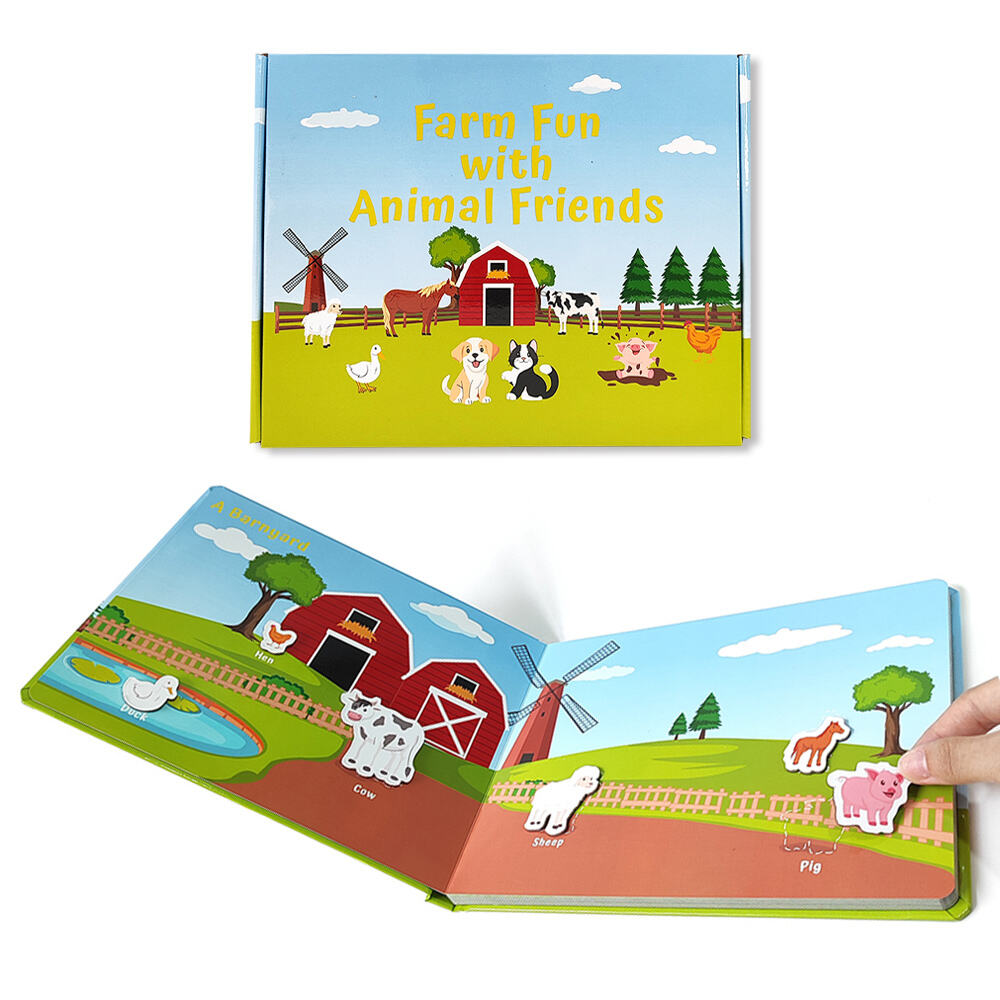
When parents and caregivers select reading materials for their youngest children, safety considerations often take precedence over aesthetic appeal. Toddler books require specialized design features that prioritize child safety while maintaining educational value and durability. The construction of these early learning materials involves careful attention to physical characteristics that protect curious little hands and developing minds from potential hazards commonly found in traditional book formats.
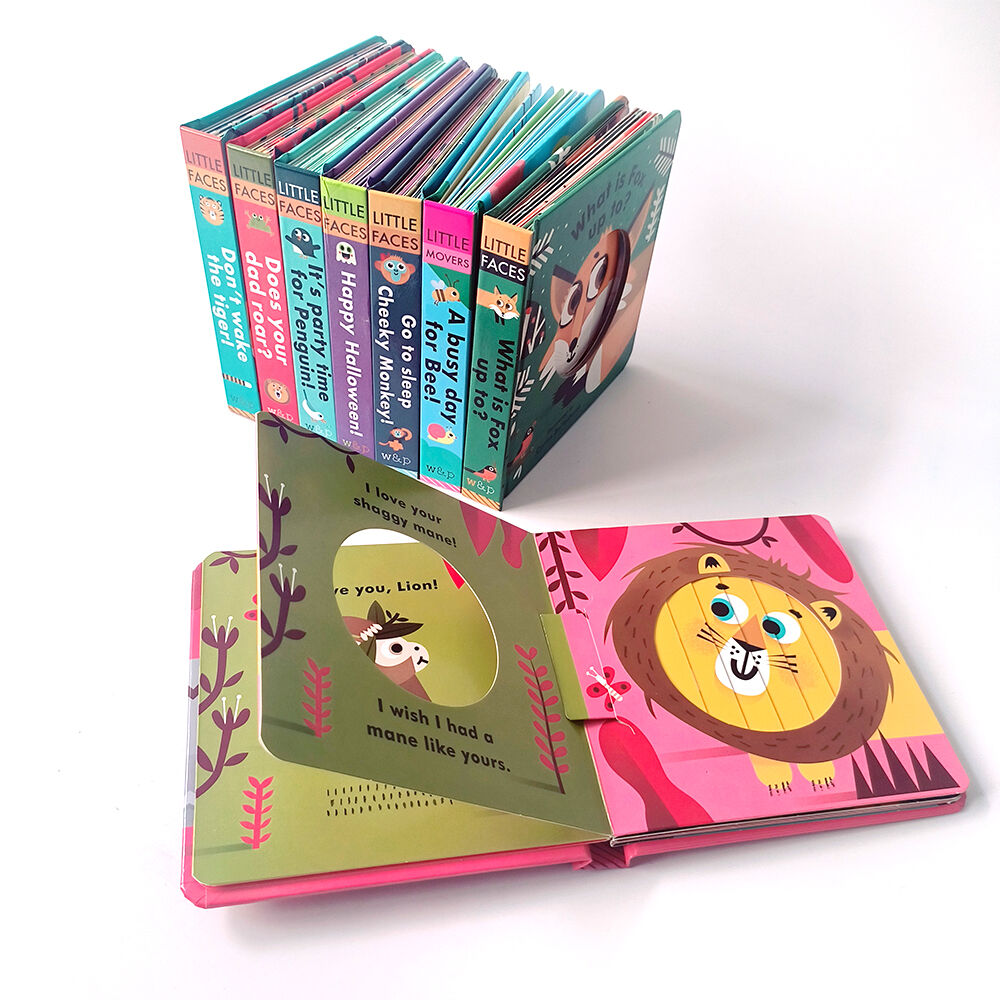
The publishing industry has evolved significantly in response to growing awareness about child safety standards. Modern toddler books incorporate innovative design elements that address the unique behavioral patterns and physical capabilities of children aged twelve to thirty-six months. These specialized publications must withstand extensive handling, frequent drops, and the inevitable exploration through touch and taste that characterizes early childhood development.
Understanding the importance of safety features in toddler books helps parents make informed decisions when building their child's first library. The investment in properly designed early reading materials extends beyond immediate safety concerns to encompass long-term developmental benefits and positive reading experiences that shape future literary engagement.
Understanding Rounded Corner Safety Features
Physical Protection from Sharp Edges
Sharp corners on traditional books pose significant risks to active toddlers who frequently stumble, fall, or collide with objects during play. Rounded corners eliminate these dangerous edges that could cause cuts, bruises, or eye injuries when children interact with their books. The curved design distributes impact force across a larger surface area, reducing the likelihood of penetrating injuries that might occur with pointed corners.
Manufacturing processes for quality toddler books involve precision cutting and finishing techniques that create smooth, consistently curved edges throughout the entire publication. These rounded corners undergo rigorous quality control testing to ensure uniformity and safety across production runs. The radius of curvature typically measures between three to five millimeters, providing optimal protection while maintaining functional page-turning capabilities.
Independent safety organizations regularly evaluate the effectiveness of rounded corner designs in preventing childhood injuries. Statistical data from pediatric emergency departments shows significantly reduced incidents of book-related injuries when children use properly designed toddler books with appropriate safety features. This evidence supports the continued emphasis on rounded corner construction in early childhood publishing.
Preventing Fabric and Skin Damage
Beyond protecting against cuts and bruises, rounded corners prevent the snagging and tearing of clothing that frequently occurs when toddlers carry books during active play. Sharp edges can catch on delicate fabrics, causing wardrobe damage and potentially creating tripping hazards when loose threads or torn material interferes with movement. The smooth curves of properly designed toddler books eliminate these textile-related safety concerns.
Skin abrasions represent another common injury prevented through rounded corner design. Toddlers often drag books across floors, rub them against their bodies, or use them as makeshift toys during imaginative play scenarios. Sharp corners can create friction burns or scratches on sensitive toddler skin, particularly around facial areas where children naturally hold books during independent reading attempts.
The psychological impact of comfortable book handling extends beyond physical safety to encourage positive associations with reading activities. When toddler books feel safe and comfortable in small hands, children develop confidence in their ability to independently explore printed materials without fear of discomfort or injury.
Thick Board Construction Benefits
Durability Under Intensive Use
Thick board construction provides essential structural integrity that allows toddler books to withstand the rigorous handling characteristic of early childhood reading experiences. Traditional paper pages tear easily under the enthusiastic manipulation of curious toddlers who lack fine motor control and gentle handling techniques. Board book construction typically utilizes cardboard thickness ranging from 1.5 to 2.5 millimeters, creating robust pages that resist bending, folding, and accidental damage.
The manufacturing process for thick board toddler books involves laminating multiple layers of cardboard with specialized adhesives that maintain flexibility while providing structural strength. This construction method creates pages that can endure repeated opening and closing cycles without developing stress fractures or separation along binding edges. Quality control testing ensures each page meets durability standards through accelerated wear simulation that mimics months of typical toddler interaction.
Investment in durable toddler books provides long-term economic benefits for families and educational institutions. These robust publications maintain their structural integrity through multiple children, making them suitable for sharing among siblings, classroom use, and library circulation programs. The extended lifespan of properly constructed board books justifies their higher initial cost compared to traditional paper publications.
Choking Hazard Prevention
Thick board construction significantly reduces the risk of toddlers tearing off small paper fragments that could become choking hazards during oral exploration phases of development. Traditional thin paper pages easily separate into small pieces when subjected to the pulling, twisting, and chewing behaviors common among toddlers aged twelve to twenty-four months. Board book pages resist this type of destruction, maintaining their structural integrity even under aggressive manipulation.
The solid construction of thick board toddler books prevents the creation of loose binding materials, staples, or adhesive residues that might separate from the publication during use. These small components represent serious choking risks for young children who naturally investigate objects through oral contact. Quality board book construction eliminates these potential hazards through seamless binding techniques and embedded attachment methods.
Safety standards for toddler books include specific requirements for small parts testing, ensuring that no component can separate from the publication under normal use conditions. Thick board construction inherently meets these safety requirements by creating monolithic page structures that cannot be easily disassembled by curious toddlers with limited fine motor skills.
Developmental Considerations
Motor Skill Development Support
Thick board toddler books provide optimal resistance for developing fine motor skills in young children who are learning to manipulate objects with increasing precision. The substantial thickness of board pages requires deliberate finger movements and coordination that strengthens small muscle groups responsible for future writing abilities. This natural resistance training occurs seamlessly during enjoyable reading activities without requiring separate motor skill exercises.
The weight and texture of properly constructed toddler books offer sensory feedback that helps children understand cause-and-effect relationships during page turning activities. This tactile experience contributes to proprioceptive development, helping toddlers understand spatial relationships and develop body awareness through book interaction. The substantial feel of thick board pages provides confidence-building resistance that confirms successful manipulation attempts.
Research in child development demonstrates that early exposure to appropriately designed reading materials correlates with improved fine motor skill acquisition and reading readiness indicators. Toddler books with optimal thickness and safety features support natural developmental progressions while providing safe exploration opportunities that build confidence and competence in book handling skills.
Cognitive Safety and Focus
Safe book design eliminates distracting safety concerns that might interfere with cognitive processing and content absorption during reading activities. When toddlers can interact with books without physical discomfort or safety risks, they maintain better focus on story content, visual elements, and language patterns presented in the publication. This cognitive clarity supports more effective learning outcomes and positive reading associations.
The psychological security provided by well-designed toddler books encourages independent exploration and self-directed learning behaviors. Children who feel safe and comfortable with their reading materials demonstrate increased willingness to experiment with book handling, attempt independent page turning, and engage in pretend reading activities that support literacy development. This confidence-building aspect of safety design extends far beyond physical protection.
Attention span development benefits from consistent, comfortable reading experiences that avoid interruptions caused by safety concerns or physical discomfort. When toddler books maintain their structural integrity and safety features throughout extended use, children can develop sustained engagement patterns that support future academic success and lifelong reading habits.
Manufacturing Standards and Quality Control
Safety Testing Protocols
Reputable manufacturers of toddler books implement comprehensive safety testing protocols that verify rounded corner effectiveness and thick board durability before products reach consumers. These testing procedures include impact resistance evaluations, corner radius measurements, and material composition analyses that ensure compliance with international safety standards for children's products. Independent testing laboratories provide third-party verification of safety claims and manufacturing consistency.
Quality assurance processes for toddler books involve batch sampling and statistical analysis to maintain consistent safety standards across production runs. Each manufacturing lot undergoes random sampling for corner radius verification, thickness measurements, and binding strength testing. These quality control measures prevent substandard products from entering distribution channels and protect brand reputation while ensuring child safety.
Regulatory compliance for toddler books requires adherence to specific safety standards established by consumer protection agencies and international safety organizations. These regulations define minimum corner radius requirements, maximum allowable sharp edge measurements, and structural integrity standards that manufacturers must meet through documented testing and certification processes.
Material Selection and Safety
The selection of appropriate materials for thick board construction involves careful evaluation of non-toxic components that remain safe during inevitable oral exploration by curious toddlers. Food-grade adhesives, lead-free inks, and formaldehyde-free cardboard materials ensure that toddler books meet stringent safety requirements for products likely to experience mouth contact during normal use patterns.
Surface coating applications for toddler books utilize water-based, non-toxic finishes that provide durability while maintaining safety standards for children's products. These protective coatings resist moisture damage, prevent ink transfer during handling, and create smooth surfaces that support easy cleaning and sanitization. The coating process must maintain the rounded corner integrity while adding protective benefits.
Environmental considerations in material selection ensure that toddler books utilize sustainable resources and manufacturing processes that minimize ecological impact while maintaining safety standards. Recycled cardboard content, vegetable-based inks, and biodegradable adhesives support environmental responsibility while providing the structural integrity and safety features essential for toddler book construction.
Comparing Safety Features Across Book Types
Board Books Versus Traditional Paper Books
Traditional paper books present multiple safety concerns when used by toddlers, including sharp corners that can cause injuries, thin pages that tear easily creating choking hazards, and fragile construction that cannot withstand typical toddler handling patterns. Paper books also develop loose binding materials over time that represent additional safety risks for curious children who explore objects through taste and texture.
The structural advantages of thick board toddler books become apparent through direct comparison with conventional publishing formats. Board construction eliminates paper cuts, prevents small part generation, and provides durability that maintains safety features throughout extended use periods. These benefits justify the additional manufacturing costs associated with specialized toddler book production.
Economic analysis reveals that investing in properly constructed toddler books provides superior long-term value compared to repeatedly replacing damaged traditional books. The extended lifespan and maintained safety features of quality board books offset higher initial costs through reduced replacement frequency and eliminated safety-related concerns that might require medical attention or property damage repair.
Soft Books and Alternative Materials
Fabric-based soft books offer certain safety advantages for very young children but lack the developmental benefits provided by properly constructed thick board toddler books. Soft books cannot provide the motor skill development opportunities or the realistic book-handling experience that prepares children for future reading activities with traditional book formats. The transition from soft books to regular books often proves challenging without intermediate board book experience.
Plastic and vinyl book alternatives may offer durability and washability benefits but frequently lack the tactile qualities and environmental safety considerations important for healthy child development. These synthetic materials may contain chemical components that raise safety concerns during oral exploration phases, and their artificial textures fail to provide the natural sensory experiences that support cognitive development through reading activities.
The optimal balance between safety, developmental appropriateness, and realistic book experience makes thick board toddler books with rounded corners the preferred choice for most early childhood reading programs. These publications provide necessary safety features while maintaining the authentic book characteristics that prepare children for future academic success and lifelong reading engagement.
FAQ
What age range benefits most from rounded corner and thick board book design
Toddler books with rounded corners and thick board construction primarily benefit children aged 6 months to 3 years, when oral exploration, limited fine motor control, and active physical movement create the highest risk for book-related injuries. However, these safety features continue to provide benefits for preschool-aged children who may still handle books roughly during independent reading or play activities.
How do rounded corners affect the book's durability and appearance
Rounded corners actually enhance book durability by eliminating stress concentration points that typically lead to corner damage in traditional sharp-edged publications. The curved design distributes impact forces more evenly and prevents the corner crushing that commonly occurs with rectangular book formats. Aesthetically, rounded corners provide a modern, child-friendly appearance that appeals to both parents and young readers.
Are there specific thickness requirements for safe toddler book construction
Safe toddler books typically utilize cardboard thickness between 1.5 to 2.5 millimeters to provide optimal durability while maintaining manageable weight and size for small hands. This thickness range prevents easy tearing while allowing comfortable manipulation by developing motor skills. Thicker construction may become unwieldy for toddlers, while thinner materials compromise safety and durability benefits.
How can parents verify that toddler books meet safety standards
Parents should look for safety certifications from recognized testing organizations, check for smooth rounded corners without sharp edges, verify thick board construction that resists bending, and ensure all materials are labeled as non-toxic and child-safe. Reputable publishers typically display safety compliance information on packaging or product descriptions, and parents can research manufacturer safety records and testing protocols before making purchases.