 EN
EN

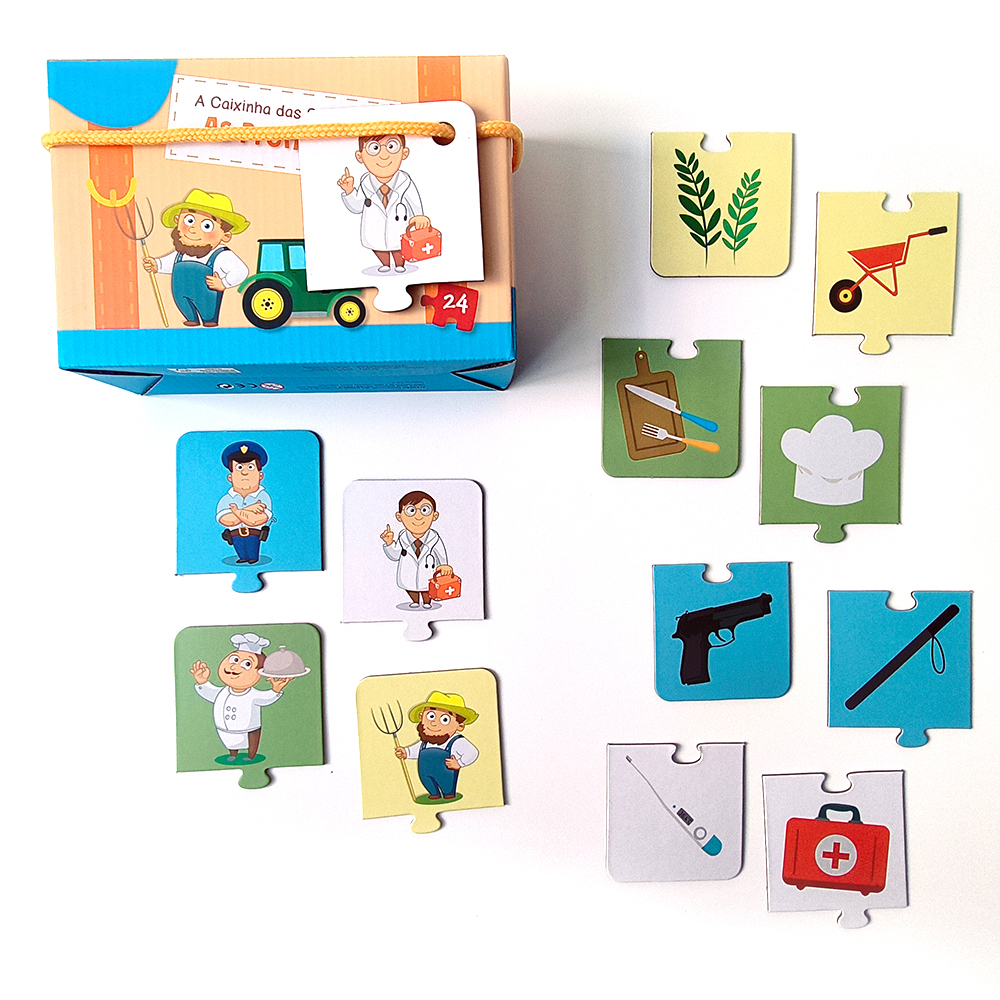
A busy book represents far more than a simple collection of activities glued onto pages. The structural integrity and component connection of a busy book directly impacts both its longevity and the safety of children who interact with it daily. Parents and educators frequently ask how manufacturers ensure that every element remains securely attached, that materials withstand repeated handling, and that no small parts pose choking hazards. Understanding the engineering behind a busy book helps you select products that truly prioritize child development while maintaining durability through months or years of active use.
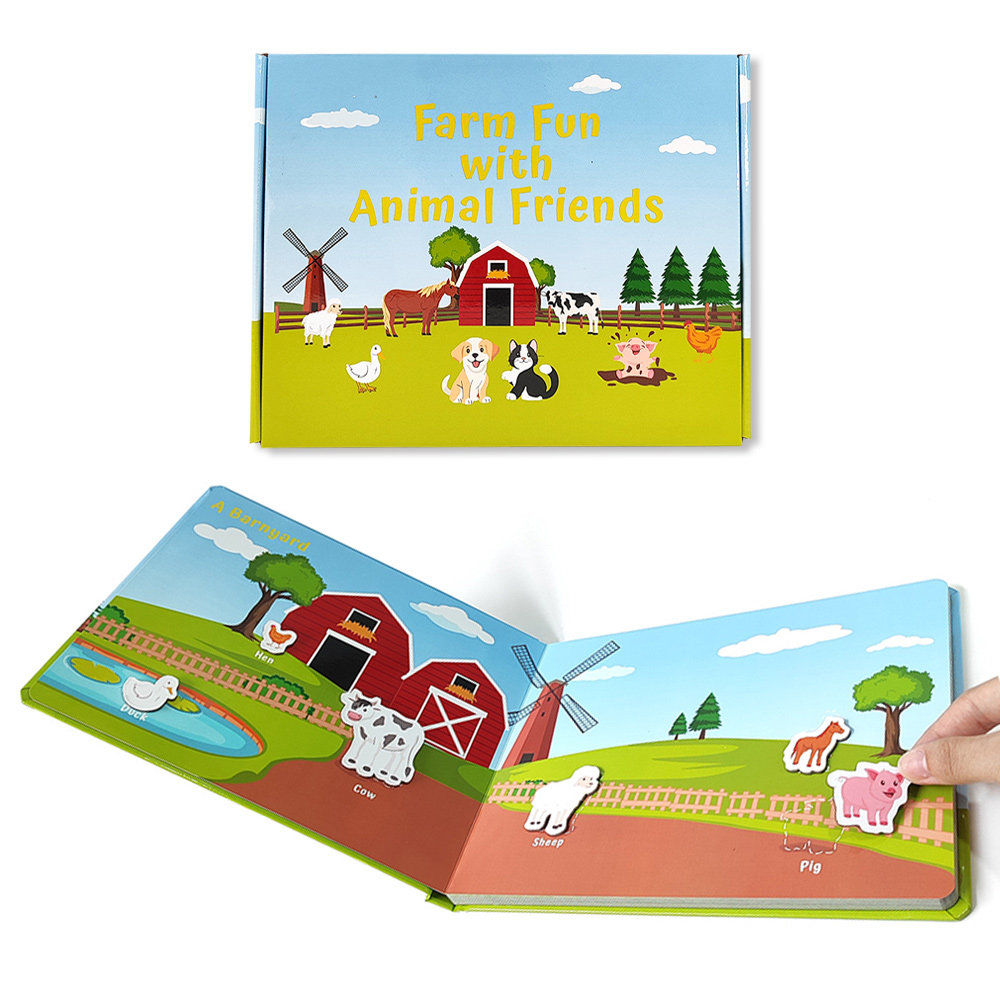
Modern busy book design combines thoughtful material selection with rigorous testing protocols to guarantee safety standards. The busy book industry has evolved significantly, moving beyond simple stitching and thin glue layers toward reinforced construction methods that meet international safety certifications. Whether a busy book uses page binding, board reinforcement, or embedded component sockets, every connection point must withstand the curiosity and force that toddlers naturally apply. This article explores the specific structural techniques, material choices, and safety measures that define a well-engineered busy book.
Material Selection and Page Construction
Core Page and Board Materials
The foundation of any durable busy book begins with page material quality. Most busy book manufacturers now use thick felt pages, reinforced cardboard, or foam-laminated board rather than thin paper or cloth alone. A busy book constructed from multi-layer materials provides the rigidity needed to support heavier components like spinners, zippers, and snap closures without bending or tearing. The thickness typically ranges from 2mm to 5mm, depending on the busy book design and intended age range. Thicker materials prevent page warping when moisture from small hands causes temporary swelling, and they resist puncturing when toddlers press fingers or objects against the surface.
Fabric Quality and Stitching Standards
When a busy book incorporates fabric elements, thread quality and stitch density become critical factors in safety and durability. Industrial-grade polyester or nylon thread resists fraying better than standard cotton, and closely-spaced stitches create barriers that prevent small components from loosening. A busy book that uses overlapping fabric layers with reinforced seams creates a structure where components cannot easily separate even under aggressive pulling. Testing protocols for quality busy book products typically require multiple wash cycles and tension tests to confirm that stitched elements remain secure. The seams themselves often receive binding tape or additional stitching reinforcement, especially around areas where children frequently grip or manipulate the busy book.
Component Connection Methods and Security
Mechanical Attachment Systems
A well-designed busy book uses mechanical fastening methods that go far beyond simple adhesive. Components like beads, buttons, and spinning elements are typically threaded onto reinforced cords, dowels, or specialized fasteners that anchor securely to the page structure. Some busy book designs embed metal rivets or plastic snap buttons through the page material and then secure backing plates underneath, creating a connection point that cannot be pulled free without significant, sustained force. This method ensures that every element of a busy book remains attached through normal use patterns while still being accessible enough for toddlers to manipulate. The busy book structure incorporates these mechanical anchors in ways that hide any sharp edges or pinch points from curious fingers.
Adhesive Reinforcement Layers
Modern busy book construction combines mechanical fastening with strategic adhesive placement to maximize durability. Rather than relying solely on glue, a busy book applies multiple contact points where components connect to the page. High-strength craft adhesives rated for fabric and wood create initial bonds, but the busy book design then adds mechanical reinforcement through stitching, rivets, or backing plates. This layered approach means that if one fastening method experiences stress, others maintain the component securely in place. The busy book industry has largely abandoned weak hot-glue methods in favor of polyurethane or epoxy adhesives that cure to tremendous strength and resist deterioration from moisture and temperature changes.
Safety Standards and Testing Protocols
Choking Hazard Elimination
Every busy book designed for toddlers must meet rigorous standards that eliminate choking hazards. Manufacturers ensure that all removable components measure larger than the standard choke-testing cylinder, a measurement approximately 1.25 inches in diameter. The busy book structure incorporates beads, buttons, and fidget elements that cannot fit into this space, making accidental ingestion impossible. Additionally, a quality busy book includes no sharp points, edges, or burrs that could injure gums or soft tissues. Strings and cords attached to the busy book are securely fastened with no possibility of becoming free loops that could entangle fingers or limbs during play.
Material Safety and Non-Toxic Compliance
The busy book manufacturing process prioritizes materials that meet international safety certifications, particularly for products marketed to young children. All fabrics, paints, adhesives, and decorative elements must pass toxicity testing and contain no lead, phthalates, or other harmful chemicals. A busy book that complies with ASTM F963 standards or equivalent international safety protocols has undergone third-party testing to confirm material safety. The busy book production facility typically sources materials from suppliers that maintain documentation of safety compliance, ensuring traceability and accountability throughout the supply chain. Dyes and finishes applied to a busy book must resist fading and remain stable during washing, preventing pigment release that could stain skin or clothing.
Durability Testing Requirements
Professional busy book manufacturers subject finished products to accelerated testing that simulates months of heavy use. A busy book undergoes repeated flexing, tension tests on all fasteners, and drop tests from various heights to confirm structural integrity. Components are pulled with calibrated force meters to ensure attachment strength exceeds what typical toddler use would generate. The busy book pages are machine-washed multiple times to verify that water exposure does not degrade adhesives or cause delamination. These testing protocols ensure that any busy book reaching consumers has already proven its durability under extreme conditions.
Design Features That Support Both Safety and Sturdiness
Reinforced Binding Systems
The pages of a busy book must remain securely bound together, preventing separation that could expose raw edges or create gaps where fingers could be pinched. Most busy book designs use either spiral binding, sewn binding, or glued board binding methods that have been reinforced for extra security. Spiral binding in a busy book allows pages to lay flat and flex naturally without stressing the binding itself. Sewn binding creates a flexible yet permanent connection, while reinforced glue binding with backing strips provides rigidity for heavier component pages. The choice of binding method in a busy book design depends on the weight distribution of components and the target durability lifespan.
Edge Protection and Rounded Corners
A busy book structure incorporates protective measures that eliminate sharp edges and potential impact injuries. All page edges receive binding tape or are routed with rounded corners during manufacturing, removing any sharp points that could cut skin or catch clothing during use. The busy book design ensures that no component edges extend beyond the page outline, creating a smooth profile that resists catching and tearing. Fabric edges are sealed or turned inward rather than left raw, preventing fiber shedding that could be a choking risk or cause skin irritation during extended play.
FAQ
What makes a busy book structure more durable than others?
A durable busy book uses thick, multi-layer page materials combined with mechanical fasteners like rivets and reinforced stitching rather than adhesive alone. The busy book construction incorporates multiple reinforcement points for each component, meaning multiple failure points would need to occur before an element becomes loose. Quality busy book manufacturers test all fasteners to withstand forces well above normal use, ensuring long-term durability even with aggressive play patterns.
How do manufacturers prevent small parts from becoming choking hazards in a busy book?
Every component in a busy book is sized larger than the standard choking hazard cylinder test measurement of approximately 1.25 inches. The busy book design secures all beads, buttons, and elements so they cannot be separated from the page structure through normal manipulation. Additionally, strings and cords in a busy book are permanently anchored with no possibility of creating loose loops that could entangle children.
Can a busy book withstand washing and water exposure?
A well-constructed busy book designed for regular washing uses water-resistant adhesives and materials that maintain structural integrity through multiple wash cycles. The busy book materials are selected to resist moisture absorption and prevent delamination or weakening of fasteners. Manufacturers test their busy book products through machine washing protocols to ensure that water exposure does not compromise safety or durability.