 EN
EN

The evolution of playing card face design has reached a fascinating crossroads where tradition meets creative expression. Modern card designers and manufacturers now face the challenge of balancing centuries-old visual conventions with the growing demand for personalized, thematic interpretations that resonate with specific audiences, brands, or occasions. This intersection between heritage and innovation presents both constraints and opportunities, requiring a deep understanding of what makes traditional playing cards recognizable while exploring visual territories that can transform them into memorable custom products.
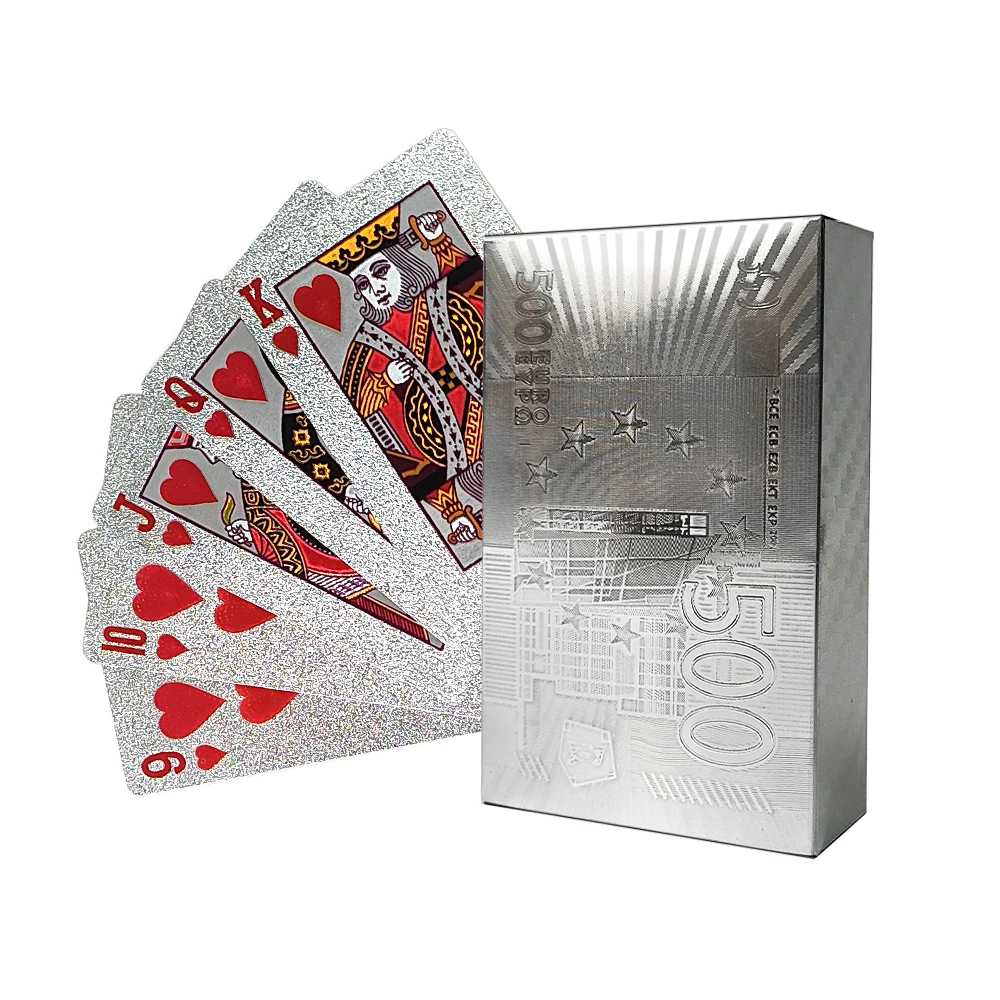
The question of how playing card face design can innovate while respecting traditional formats is not merely aesthetic but strategic. Custom playing cards serve diverse purposes from corporate branding and promotional campaigns to commemorative editions and artistic collections. Each application demands a unique approach to visual storytelling that must work within the established framework of card hierarchy, suit recognition, and gameplay functionality. Understanding the boundaries of this design challenge enables creators to push creative limits without compromising the fundamental usability that defines quality playing cards.
Understanding the Traditional Framework That Defines Playing Card Recognition
Core Elements of Conventional Playing Card Face Design
Traditional playing card face design relies on a system of visual conventions established over centuries of card-playing history. The standard deck format includes four suits represented by distinct symbols, court cards featuring stylized human figures, and number cards displaying symmetrical pip arrangements. These elements form a visual language that players across cultures instantly recognize, creating expectations about card appearance that any successful playing card face design must acknowledge. The court cards traditionally depict kings, queens, and jacks with mirrored compositions that allow recognition from either direction, a functional requirement that emerged from practical gameplay needs.
The color scheme of traditional decks follows predictable patterns, with red suits contrasting against black suits to facilitate quick differentiation during play. This chromatic distinction serves more than aesthetic purposes; it directly impacts gameplay speed and reduces errors in card identification. The facial expressions, clothing details, and symbolic objects held by court figures have evolved through various regional traditions, yet maintain certain consistent characteristics that players subconsciously expect. Any innovation in playing card face design must consider these deeply ingrained visual expectations while seeking opportunities to introduce thematic variations that enhance rather than obscure fundamental card recognition.
The Functional Requirements That Constrain Design Innovation
Beyond aesthetic considerations, playing card face design must satisfy practical functional requirements that limit certain types of innovation. Cards must be readable from multiple orientations, requiring symmetry or careful consideration of directional elements. The corner indices displaying rank and suit enable players to fan cards in their hands while identifying them quickly, establishing fixed zones where information density must remain high and clarity paramount. These functional constraints create a design grid that innovative approaches must respect, though creative interpretation of how information appears within these zones remains possible.
The physical dimensions of standard playing cards also influence face design possibilities. With limited space measuring approximately 2.5 by 3.5 inches, designers must balance detail with legibility, ensuring that thematic elements remain recognizable at card size without requiring magnification. The tactile experience matters as well, as raised or embossed design elements can affect shuffling, dealing, and handling characteristics. Professional playing card face design accounts for these practical considerations from conception, ensuring that innovative visual approaches do not compromise the fundamental utility that distinguishes functional cards from purely decorative collectibles.
Regional Variations That Demonstrate Historical Design Flexibility
Examining historical regional variations in playing card face design reveals that innovation within traditional formats has always occurred, providing precedent for contemporary custom approaches. French, German, Spanish, and Italian card traditions each developed distinct court figure styles, pip designs, and compositional approaches while maintaining cross-compatible gameplay structures. These regional differences demonstrate that substantial visual variation can exist within recognizable card frameworks, suggesting pathways for thematic customization that honor tradition while expressing unique identities.
The evolution from hand-painted medieval cards to standardized printed decks shows how production technology influenced playing card face design, with each era introducing stylistic innovations that eventually became traditional in their own right. Contemporary designers can draw inspiration from this historical flexibility, recognizing that today's innovations may become tomorrow's traditions. Understanding that current standard designs themselves emerged from creative decisions by earlier card makers liberates modern designers to make bold choices while maintaining the functional core that defines playable cards across all eras and cultural contexts.
Strategic Approaches to Thematic Innovation Within Traditional Structures
Reinterpreting Court Figure Characters Through Custom Narratives
One of the most powerful opportunities for innovation in playing card face design involves reimagining court figures to reflect custom themes while preserving the hierarchical structure of kings, queens, and jacks. Corporate custom decks might transform these figures into company founders, industry leaders, or brand mascots arranged by organizational rank. Event commemorative decks can depict historical figures relevant to the occasion, athletes from championship teams, or characters from popular franchises. This approach maintains immediate recognition of card roles while infusing meaningful thematic content that resonates with the intended audience.
The key to successful court figure reinterpretation lies in preserving compositional elements that signal card identity even as specific imagery changes. Maintaining the mirrored split-figure format, positioning symbolic objects in traditional locations, and preserving scale relationships between elements ensures that custom playing card face design reads as familiar despite featuring unexpected characters. Color coding can shift to match brand palettes or thematic schemes while retaining sufficient contrast between suit categories. Clothing, accessories, and background details offer rich opportunities for thematic storytelling that adds layers of meaning without disrupting the instant recognition required for gameplay.
Customizing Suit Symbols to Reflect Thematic Content
While traditional hearts, diamonds, clubs, and spades form a universal visual language, innovative playing card face design can reinterpret these suit symbols to align with custom themes while maintaining their distinctiveness and contrast. A nautical-themed deck might transform suits into anchors, compasses, ship wheels, and lighthouse symbols, each clearly differentiated and consistently applied. Corporate decks could adopt product categories, service lines, or brand value representations as suit markers. The critical requirement involves maintaining clear visual distinction between the four suit families so that players can quickly categorize cards during play.
Effective suit customization requires careful attention to silhouette, complexity, and scalability. Custom suit symbols must read clearly when reduced to corner index size while retaining sufficient detail to appear interesting when displayed as full-size pips on number cards. The playing card face design process should include testing symbol recognition at various sizes and in both single and multiple pip arrangements. Color contrast between suit pairs remains essential, with complementary chromatic choices supporting quick differentiation even under suboptimal lighting conditions that might occur during actual card use.
Integrating Background Elements and Decorative Borders
The areas surrounding primary card elements offer substantial space for thematic innovation without disrupting core recognition features. Background patterns, textures, and illustrative elements can establish atmosphere and reinforce themes while keeping essential information prominent. A vintage-themed playing card face design might incorporate aged paper textures, ornamental flourishes, and period-appropriate decorative motifs that frame rather than compete with rank and suit indicators. Modern minimalist approaches could employ subtle geometric patterns or gradient fields that create visual interest without cluttering the composition.
Border treatments provide another avenue for customization that enhances thematic coherence while respecting traditional formats. Decorative borders can incorporate logos, repeated motifs, or narrative elements that connect to the deck's purpose without interfering with card edges needed for smooth handling. These peripheral design zones allow for rich storytelling and brand integration that makes custom decks memorable without compromising the functional clarity of central card elements. Strategic use of white space or neutral zones ensures that decorative ambition never overwhelms the primary purpose of immediate card identification during play.
Technical Considerations for Maintaining Playability in Custom Designs
Color Psychology and Contrast Requirements in Card Design
Innovative playing card face design must carefully manage color relationships to preserve the instant differentiation that traditional red and black suit schemes provide. While custom themes may demand alternative color palettes, designers must ensure sufficient contrast between suit groups to prevent confusion during rapid gameplay. Color psychology principles guide these choices, with warm and cool tone separation, value contrast, and hue differentiation all contributing to effective visual organization. Testing designs in grayscale reveals whether contrast depends too heavily on color perception, a critical check since color vision variations among users require robust value-based distinction.
The emotional and cultural associations of colors also influence thematic playing card face design success. Corporate decks should align with brand color guidelines while ensuring these choices support rather than hinder card recognition. Commemorative editions might adopt colors with historical or symbolic significance to the theme, yet must balance meaning with functionality. Metallic inks, specialty finishes, and spot UV treatments offer opportunities for visual distinction beyond chromatic choices, adding tactile and reflective qualities that enhance premium positioning without compromising legibility under standard lighting conditions encountered during actual card use.
Typography Selection for Indices and Decorative Text
The typography employed in playing card face design significantly impacts both functionality and thematic expression. Corner indices require fonts with exceptional clarity at small sizes, with letterforms that remain distinct under quick glances and partial viewing conditions. While traditional serif fonts dominate conventional decks, custom themes might justify alternative typographic approaches provided legibility remains paramount. Modern sans-serif options can support contemporary aesthetic themes, while decorative display fonts might appear in larger text areas where readability benefits from increased scale.
Consistency in typographic application reinforces professional playing card face design execution. All text elements should share stylistic DNA that connects to the overall theme, whether through historical period references, geometric modernism, or organic hand-drawn character. Weight variation, spacing, and alignment decisions contribute to visual hierarchy that guides the eye efficiently across card surfaces. Any decorative text used for thematic storytelling must complement rather than compete with essential rank and suit information, occupying secondary visual zones that enrich without distracting from primary card identification functions required for smooth gameplay experience.
Material Considerations That Affect Design Implementation
The physical materials used in card production influence how playing card face design translates from concept to finished product. Standard card stock accepts ink differently than premium plastic materials, affecting color saturation, edge definition, and fine detail reproduction. Designers creating custom face designs must understand the production capabilities and limitations of intended manufacturing processes, adjusting design complexity to match technical realities. Waterproof plastic cards enable certain design approaches impossible with paper stock, including transparent elements, metallic integration, and enhanced durability features that support extended use.
Surface finish selections impact both visual appearance and handling characteristics of custom playing card face design implementations. Matte finishes reduce glare and provide tactile feedback that some players prefer, while glossy coatings enhance color vibrancy and offer protective benefits. Linen or textured finishes can reference vintage card aesthetics while improving grip during shuffling and dealing. Each material and finish combination presents distinct opportunities and constraints that informed designers account for during creative development, ensuring that innovative visual concepts remain achievable within selected production parameters and budget considerations for the specific custom card project.
Case Study Applications Demonstrating Successful Innovation
Corporate Branding Decks That Balance Identity and Function
Corporate custom playing card face design projects demonstrate how companies integrate brand identity within traditional card formats for promotional purposes, client gifts, and event commemoratives. Successful examples transform court figures into brand ambassadors while maintaining recognizable card hierarchy, utilize logo elements as suit symbols without sacrificing quick differentiation, and incorporate product imagery as decorative backgrounds that establish context without cluttering composition. These decks function as both practical gaming tools and tangible brand touchpoints that recipients keep and use, extending marketing reach beyond typical promotional items.
The most effective corporate playing card face design implementations respect the intelligence of recipients by delivering genuine utility rather than merely branded novelties. Cards must shuffle smoothly, deal cleanly, and remain readable through extended play sessions, meeting quality standards that reflect positively on the commissioning brand. Strategic brand integration appears in corner flourishes, back designs, and packaging rather than overwhelming every card face. This restraint paradoxically strengthens brand association by demonstrating respect for user experience and attention to craft quality that aligns with premium brand positioning strategies employed by market-leading organizations.
Commemorative Editions That Tell Historical Narratives
Commemorative playing card face design for historical events, institutional anniversaries, or cultural celebrations offers opportunities to educate while entertaining through carefully researched thematic content. Museum gift shop decks might feature artifacts as suit symbols, historical figures as court cards, and period-appropriate decorative elements throughout. Each card becomes a miniature canvas for storytelling, with attention to historical accuracy adding depth that appeals to collectors and enthusiasts. The challenge involves presenting substantial content within the constrained card format without overwhelming the essential gaming functionality that distinguishes playable decks from purely collectible items.
Successful commemorative playing card face design balances educational content with entertainment value, recognizing that most users will engage with cards during play rather than study. Information density must remain manageable, with visual storytelling conveyed through imagery that communicates without requiring explanatory text. Color palettes might reference period-appropriate schemes or institutional colors relevant to the commemorated subject. These thematic choices create coherent visual experiences that honor their subjects while delivering the practical satisfaction of well-designed playing cards that people actually want to use rather than merely display untouched in original packaging.
Artistic Interpretation Decks That Push Creative Boundaries
Art-focused playing card face design projects commissioned by galleries, created by illustrators, or produced as limited editions demonstrate the extreme end of innovation within traditional formats. These decks might employ unconventional rendering styles, experimental compositions, or conceptual approaches that challenge standard card aesthetics while maintaining functional core elements. Court figures might appear in abstract interpretations, suit symbols could adopt minimalist or maximalist treatments, and color schemes might depart dramatically from convention while preserving necessary contrast. Such projects prove that substantial creative freedom exists within playing card constraints when designers understand which elements serve recognition versus which permit experimentation.
The market for artistic playing card face design has expanded significantly with crowdfunding platforms enabling niche concepts to find audiences willing to support unconventional approaches. Limited edition decks command premium pricing when design innovation meets production quality standards and respects gameplay functionality. These projects benefit both creators, who gain exposure through tangible portfolio pieces, and collectors, who acquire functional art objects that bridge the gap between practical gaming tools and display-worthy design artifacts. The success of artistic deck initiatives continues to expand understanding of how far playing card face design can stretch while remaining recognizable as cards rather than pure illustration.
FAQ
What are the minimum elements that must remain unchanged for playing card face design to stay recognizable?
The essential elements that preserve playing card face design recognition include clear rank indicators, distinct suit symbols or equivalent markers that maintain four separate categories, and sufficient visual differentiation between card types to enable quick identification during gameplay. Corner indices showing rank and suit should remain present in some form, even if stylistically adapted, as they enable practical hand-fanning and identification. The hierarchical structure of court cards versus number cards must stay apparent through consistent visual coding. While specific imagery can change dramatically, these organizational principles ensure that custom designs function as playable cards rather than decorative objects that merely reference card formats.
How can designers test whether their custom playing card face design maintains adequate functionality?
Effective functionality testing for custom playing card face design involves multiple evaluation approaches. Designers should print prototype decks at actual size and conduct real gameplay sessions, observing whether players can quickly identify cards during dealing, recognize suits and ranks at glance speed, and maintain normal game flow without confusion or delays. Testing under various lighting conditions reveals whether designs depend too heavily on optimal viewing situations. Gathering feedback from users unfamiliar with the custom theme determines whether thematic elements enhance or obstruct basic card recognition. Comparing gameplay speed and error rates between custom and standard decks provides quantitative assessment of functional impact from design innovations.
What file format and resolution requirements should designers follow for professional playing card face design production?
Professional playing card face design requires high-resolution vector files or raster images at minimum 300 DPI resolution at final printed size to ensure sharp reproduction of fine details, text, and decorative elements. Vector formats like Adobe Illustrator or EPS files enable scaling without quality loss and facilitate clean edge definition critical for small elements like corner indices. Color specifications should use CMYK mode rather than RGB to accurately preview printed color appearance, with spot colors defined for any specialty inks or metallic applications. Designers must include proper bleed allowances beyond final trim size and maintain safe zones around card edges where critical elements avoid being cut during manufacturing. Consultation with the specific production facility ensures compliance with their technical requirements and capabilities.
Can playing card face design innovations affect the legal usability of cards in official gaming contexts?
Playing card face design innovations do not typically affect legal usability for casual play, but official gaming contexts like casinos or tournament settings may impose specific requirements regarding card appearance, dimensions, and marking prevention. Regulatory bodies in gaming jurisdictions maintain standards for cards used in licensed establishments to prevent fraud and ensure fair play. Custom designs intended for promotional or personal use face no such restrictions, allowing complete creative freedom within practical functionality constraints. Designers creating cards for potential casino or tournament use should research applicable regulations early in the design process to ensure compliance. For most custom playing card face design projects serving corporate, commemorative, or artistic purposes, legal considerations focus on intellectual property rights for imagery rather than gaming regulations.
Table of Contents
- Understanding the Traditional Framework That Defines Playing Card Recognition
- Strategic Approaches to Thematic Innovation Within Traditional Structures
- Technical Considerations for Maintaining Playability in Custom Designs
- Case Study Applications Demonstrating Successful Innovation
-
FAQ
- What are the minimum elements that must remain unchanged for playing card face design to stay recognizable?
- How can designers test whether their custom playing card face design maintains adequate functionality?
- What file format and resolution requirements should designers follow for professional playing card face design production?
- Can playing card face design innovations affect the legal usability of cards in official gaming contexts?