 EN
EN

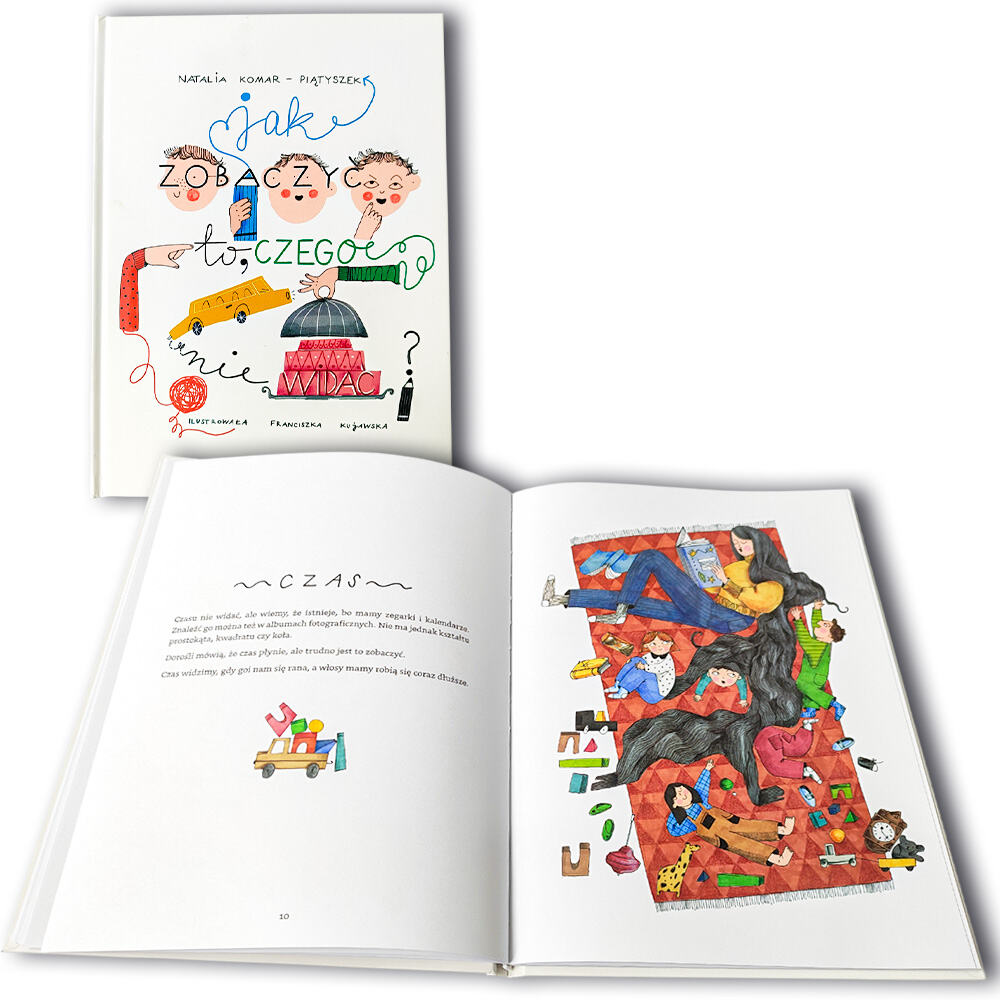
Touch books serve as essential early learning tools that engage young readers through sensory exploration, allowing children to develop fine motor skills, cognitive awareness, and emotional connections with reading materials. The selection of tactile materials in touch books directly impacts both the educational value and safety profile of these developmental resources. Publishers, educators, and parents increasingly prioritize materials that combine sensory engagement with durability and child safety standards, recognizing that the physical composition of these books determines their longevity in classroom and home environments. Understanding the common choices for tactile materials in touch books enables informed decision-making when designing, procuring, or selecting interactive reading materials for early childhood development programs.
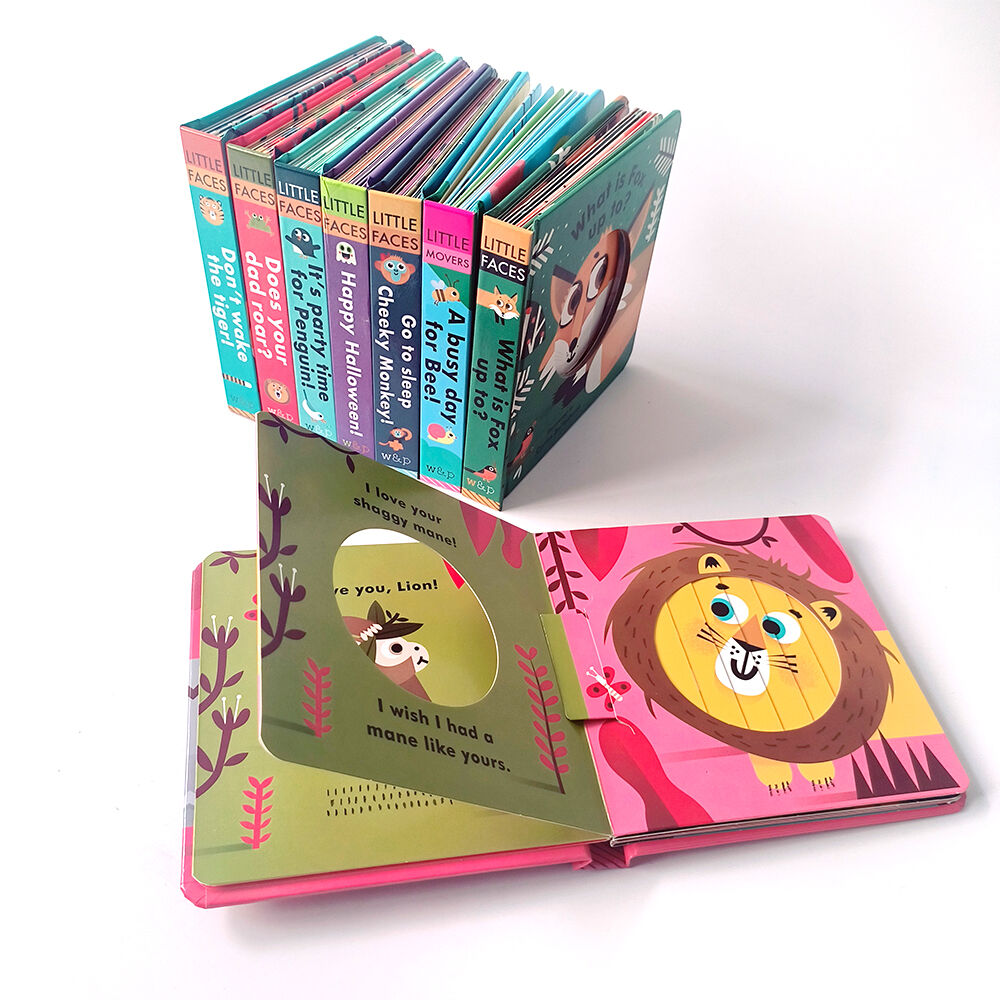
The market for children's educational publishing has evolved significantly, with manufacturers now offering diverse material options that balance sensory stimulation with practical considerations including washability, tear resistance, and compliance with international safety regulations. The most widely adopted tactile materials in touch books include specialized fabrics, textured papers, natural fibers, synthetic polymers, and composite materials engineered specifically for repeated handling by young children. Each material category presents distinct advantages in terms of tactile feedback, maintenance requirements, production costs, and environmental impact, making material selection a strategic decision that influences both the educational effectiveness and commercial viability of touch book products.
Primary Fabric-Based Tactile Materials in Touch Books
Cotton and Natural Fiber Applications
Cotton remains one of the most prevalent tactile materials in touch books due to its inherent softness, breathability, and hypoallergenic properties that make it particularly suitable for young children with sensitive skin. Publishers frequently incorporate cotton fabrics in varying textures, from smooth poplin to ribbed corduroy, creating distinct sensory experiences that help children differentiate between surface qualities. The natural composition of cotton ensures that it meets stringent safety standards for children's products, as it contains no synthetic chemicals that might trigger allergic reactions or pose ingestion risks when children explore books orally during early developmental stages.
The durability of cotton as one of the tactile materials in touch books depends significantly on fabric weight and weave density, with heavier cotton blends demonstrating superior resistance to tearing and fraying compared to lightweight varieties. Manufacturers typically apply reinforced stitching around cotton elements to prevent separation from base pages during repeated use, while some production processes incorporate backing materials that add structural integrity without compromising the natural feel that makes cotton attractive for sensory applications. Cotton's absorbent nature requires consideration during the design phase, as moisture exposure can lead to staining or mildew growth in humid environments, prompting some publishers to apply protective treatments that maintain tactile qualities while enhancing resistance to liquid penetration.
Synthetic Fabric Options for Enhanced Durability
Polyester and nylon fabrics represent synthetic alternatives among tactile materials in touch books, offering significant advantages in terms of durability, color retention, and resistance to wear patterns that commonly affect natural fibers. These synthetic options maintain their structural integrity through hundreds of touch interactions, making them cost-effective choices for educational settings where books undergo intensive daily use by multiple children. The manufacturing flexibility of synthetic fabrics enables producers to create specialized textures including velvet-like surfaces, brushed finishes, and dimensional patterns that provide rich sensory input while withstanding the mechanical stress associated with enthusiastic handling by young learners.
Safety considerations surrounding synthetic tactile materials in touch books focus primarily on chemical composition and potential flame resistance treatments, as some synthetic fibers historically contained substances that raised concerns about child safety. Contemporary manufacturers address these concerns by selecting food-grade polyester and employing non-toxic dye systems that comply with regulations including CPSIA standards in the United States and EN71 requirements in Europe. The non-absorbent nature of most synthetic fabrics facilitates cleaning and sanitization, an increasingly important attribute in shared learning environments where hygiene protocols demand regular disinfection of educational materials without degrading tactile properties or visual appeal.
Felt Materials for Versatile Texture Integration
Felt occupies a distinctive position among tactile materials in touch books because it combines ease of manipulation during manufacturing with a unique texture that children readily distinguish from other surfaces. Available in both wool-based and synthetic compositions, felt provides a dense, slightly fuzzy surface that invites extended tactile exploration while maintaining shape stability when cut into intricate forms for illustrative purposes. Publishers appreciate felt's versatility in creating layered effects, appliqué designs, and three-dimensional elements that enhance the visual and tactile richness of touch book pages without requiring complex assembly techniques or specialized adhesives.
The structural characteristics of felt as one of the tactile materials in touch books include its edge stability, which prevents unraveling when cut into detailed shapes, and its moderate thickness that adds dimension without creating excessive bulk that would compromise book closure or storage efficiency. Quality considerations for felt components center on density consistency and color fastness, as lower-grade felt may shed fibers during handling or experience significant fading when exposed to light or moisture. Educational publishers working with felt typically specify minimum density thresholds and require colorfastness testing to ensure that tactile elements maintain their intended appearance and sensory properties throughout the expected product lifespan, which often extends to several years in institutional settings.
Paper-Based and Cellulose-Derived Tactile Solutions
Textured Cardstock and Embossed Papers
Specialized paper materials engineered with raised patterns or textured surfaces constitute a significant category of tactile materials in touch books, offering cost-effective solutions for publishers seeking to incorporate sensory elements without the complexity of fabric integration. Embossing techniques create permanent surface variations in heavyweight cardstock, producing textures ranging from subtle grain patterns that simulate natural materials to pronounced dimensional effects that provide strong tactile feedback. These paper-based solutions integrate seamlessly with conventional printing processes, enabling manufacturers to combine visual graphics with tactile elements in single production runs that streamline manufacturing workflows and reduce per-unit costs compared to multi-material assembly approaches.
The durability of textured paper as part of the tactile materials in touch books spectrum relates directly to basis weight and coating treatments, with papers exceeding 300 gsm demonstrating adequate resistance to repeated handling when properly finished. Aqueous and UV coatings enhance surface durability without significantly diminishing tactile perception, though excessive coating can create glossy surfaces that reduce the textural distinctiveness that makes these materials valuable for sensory learning. Paper-based tactile elements perform optimally in supervised reading environments where books experience careful handling, as even reinforced paper substrates remain more susceptible to tearing and moisture damage compared to fabric or synthetic alternatives designed specifically for intensive use conditions.
Corrugated and Dimensional Paper Elements
Corrugated paper components introduce a distinctly ridged texture among tactile materials in touch books, providing children with clearly differentiated sensory input that supports learning objectives focused on texture discrimination and spatial awareness. The manufacturing process for incorporating corrugated elements typically involves die-cutting shaped pieces from corrugated stock and adhering them to base pages using child-safe adhesives that withstand repeated flexing without delamination. This approach creates pronounced three-dimensional effects that appeal to visual learners while offering substantial tactile interest that encourages repeated exploration and reinforces content retention through multisensory engagement.
Selection criteria for corrugated materials as tactile materials in touch books emphasize flute size, paper composition, and edge treatment to ensure that components remain safe during normal use while delivering the intended sensory experience. Mini-flute and micro-flute corrugated stocks provide adequate dimensional effect with reduced thickness compared to standard corrugated packaging materials, facilitating book assembly and storage while maintaining structural integrity. Publishers must address potential safety concerns related to exposed corrugated edges, typically through edge-sealing techniques or by positioning corrugated elements in recessed areas where sharp edges cannot contact sensitive skin, ensuring that the tactile enrichment these materials provide does not create injury risks during unsupervised exploration by young children.
Synthetic Polymer and Silicone-Based Tactile Components
Silicone Touch Elements for Safe Sensory Input
Food-grade silicone has emerged as one of the premium tactile materials in touch books due to its exceptional safety profile, ease of cleaning, and ability to be molded into diverse shapes and textures that provide rich sensory experiences. The non-porous surface of silicone resists bacterial colonization, making it particularly appropriate for books intended for very young children who frequently explore objects orally as part of normal developmental behavior. Silicone components withstand repeated mouthing, pulling, and flexing without degrading or releasing particles, addressing primary safety concerns that influence material selection for infant and toddler products in markets with rigorous consumer protection standards.
The manufacturing flexibility of silicone among tactile materials in touch books enables producers to create elements with varying durometer ratings, from extremely soft surfaces that compress easily under light finger pressure to firmer compositions that provide resistance feedback supporting fine motor skill development. Color stability represents another advantage of silicone components, as pigments can be integrated throughout the material rather than applied as surface treatments, eliminating concerns about color transfer or fading that affect some fabric and paper options. The primary limitations of silicone as a tactile material involve higher per-unit costs compared to conventional options and the specialized molding equipment required for production, factors that typically restrict silicone integration to premium product lines or specific design applications where its unique properties justify the additional investment.
EVA Foam for Dimensional Tactile Features
Ethylene-vinyl acetate foam serves as a versatile option among tactile materials in touch books, offering cushioned texture, dimensional stability, and excellent durability characteristics that support intensive use in educational environments. tactile materials in touch books frequently incorporate EVA foam for elements requiring substantial three-dimensional presence, such as simulated animal features, vehicle components, or architectural details that benefit from soft yet resilient construction. The closed-cell structure of EVA foam prevents moisture absorption, facilitating cleaning and sanitization while resisting the growth of mold or mildew that can compromise product safety and longevity in humid climates or environments with inconsistent storage conditions.
Quality specifications for EVA foam as one of the tactile materials in touch books address density, compression set, and phthalate content, as lower-quality foam products may contain plasticizers that pose health risks or exhibit premature degradation that shortens product lifespan. Reputable manufacturers select EVA formulations that comply with toy safety standards including ASTM F963 and ISO 8124, ensuring that foam components remain safe during normal and reasonably foreseeable misuse scenarios. The attachment methodology for EVA elements requires careful consideration, as inadequate bonding can result in detachment that creates choking hazards, while excessive adhesive application may create rigid connections that concentrate stress and promote tearing of base materials during flexing, necessitating engineered attachment solutions that balance security with flexibility.
Vinyl and PVC Applications in Touch Books
Vinyl materials, particularly phthalate-free PVC formulations, appear among tactile materials in touch books primarily in applications requiring smooth, wipeable surfaces or transparent windows that protect delicate paper elements while maintaining visual accessibility. The waterproof nature of vinyl makes it suitable for books designed for bath time use or outdoor educational activities where exposure to moisture represents a routine occurrence rather than an exceptional event. Contemporary vinyl formulations address historical safety concerns by eliminating harmful plasticizers and adhering to strict migration limits for residual chemicals, positioning modern vinyl products as acceptable choices for children's educational materials when properly formulated and tested.
The tactile qualities of vinyl among tactile materials in touch books range from smooth, glossy surfaces that provide minimal friction to textured vinyl with embossed or printed patterns that offer moderate sensory interest. Durability represents a primary advantage of vinyl components, as properly manufactured vinyl elements resist tearing, staining, and degradation from repeated cleaning with common disinfectants, supporting hygiene protocols in institutional settings. Publishers selecting vinyl materials must verify compliance with relevant safety standards and obtain appropriate certification documentation, as regulatory scrutiny of vinyl products remains elevated due to historical issues with certain formulations, making transparency in material sourcing and testing essential for maintaining market access and consumer confidence.
Natural and Sustainable Tactile Material Options
Wood and Cork Elements for Organic Texture
Natural wood components introduce distinctive tactile qualities among tactile materials in touch books, offering firm, smooth surfaces with subtle grain patterns that provide authentic sensory experiences connecting children with natural materials. Thin wood veneers or laser-cut plywood elements can be integrated into book designs to represent specific objects or create contrasting textures alongside softer materials, supporting educational objectives that emphasize material recognition and classification skills. The environmental appeal of wood as a renewable resource aligns with growing market demand for sustainable children's products, though practical considerations including weight, thickness, and edge finishing requirements influence the extent to which wood elements can be incorporated without compromising book functionality or child safety.
Cork represents another natural option among tactile materials in touch books, providing a unique combination of light weight, compressibility, and distinctive texture that children readily distinguish from synthetic alternatives. The cellular structure of cork creates a slightly yielding surface that responds to finger pressure while maintaining shape memory, offering sensory feedback that supports tactile discrimination learning objectives. Both wood and cork require finishing treatments to seal porous surfaces and smooth edges, with finishing materials selected based on non-toxicity and resistance to moisture that might compromise material integrity or create bacterial growth concerns in humid environments or following cleaning procedures that involve liquid disinfectants.
Leather and Suede for Premium Tactile Applications
Genuine leather and suede materials occupy a niche position among tactile materials in touch books, typically appearing in premium product lines or specialty educational materials where authentic material representation justifies the additional cost and maintenance requirements these natural materials impose. The supple texture of leather and the distinctive nap of suede provide unmistakable sensory experiences that support learning objectives focused on material identification and tactile memory development. Natural leather products offer exceptional durability when properly tanned and finished, withstanding years of handling without significant degradation, though the organic nature of these materials requires careful storage to prevent mold growth and periodic conditioning to maintain suppleness.
Safety and ethical considerations surrounding leather as one of the tactile materials in touch books include verification that tanning processes employ child-safe chemicals and that material sourcing adheres to applicable animal welfare standards, factors that influence purchasing decisions in markets with heightened consumer awareness regarding product origins. Synthetic leather alternatives manufactured from polyurethane or other polymers offer similar tactile properties with reduced cost and simplified maintenance requirements, though purists argue that synthetic options lack the subtle texture variations and natural feel that characterize genuine leather products. Publishers selecting leather or leather-like materials must balance authentic sensory experience against practical considerations including cleaning requirements, moisture sensitivity, and the potential for surface wear patterns that may affect product appearance over extended use periods.
Safety Standards and Testing Requirements for Tactile Materials
Regulatory Compliance for Children's Book Materials
All tactile materials in touch books must comply with comprehensive safety regulations governing children's products, with specific requirements varying by target market and product classification. In the United States, the Consumer Product Safety Improvement Act establishes mandatory testing and certification requirements for children's books, addressing concerns including lead content in inks and surface coatings, phthalate levels in plastic components, and mechanical hazards related to small parts or sharp edges. European markets enforce EN71 standards that specify requirements for physical and mechanical properties, flammability, and migration of certain elements, while also addressing labeling and age-grading requirements that inform consumers about appropriate use conditions.
Testing protocols for tactile materials in touch books evaluate multiple safety dimensions including chemical composition, physical integrity under stress conditions, and performance during simulated use scenarios that replicate how children actually interact with books. Tensile strength testing ensures that fabric and paper components resist tearing during normal handling, while pull tests verify that adhered elements remain securely attached when subjected to forces that children commonly apply during exploration. Flammability testing confirms that materials meet applicable fire safety standards, particularly important for products intended for unsupervised use in home environments. Colorfastness evaluations determine whether dyes or pigments transfer to skin or other surfaces when exposed to saliva, perspiration, or cleaning solutions, addressing both safety concerns related to chemical exposure and practical considerations regarding product appearance over time.
Age-Appropriate Material Selection Guidelines
The selection of tactile materials in touch books varies significantly based on the intended age range of users, with materials and construction techniques appropriate for preschool children differing substantially from those suitable for infants and toddlers. Books designed for children under three years typically employ exclusively non-toxic, washable materials with secure attachment methods that prevent creation of small parts that could present choking hazards if components detach during use. Larger tactile elements with simplified shapes reduce aspiration risks while providing adequate sensory input for developing perceptual skills, and material choices favor those proven to withstand oral exploration without degradation or release of particles.
For older preschool and early elementary age groups, tactile materials in touch books can incorporate more diverse textures and smaller components that support refined motor skills and complex sensory discrimination tasks, though safety considerations remain paramount in material selection and assembly processes. Age-grading decisions consider not only chronological age but also typical developmental capabilities and play patterns associated with different age ranges, recognizing that materials appropriate for supervised classroom use may require modification for products marketed for independent home use. Publishers must clearly communicate age recommendations and any supervision requirements to ensure that consumers select products appropriate for their specific use cases, reducing liability risks while supporting optimal developmental outcomes through properly matched materials and complexity levels.
FAQ
What makes silicone a preferred choice among tactile materials in touch books for very young children?
Silicone offers exceptional safety characteristics including food-grade formulations, non-porous surfaces that resist bacterial growth, and durability during oral exploration. The material withstands repeated mouthing, cleaning, and flexing without degrading or releasing particles, making it ideal for infants and toddlers who naturally explore objects with their mouths. Additionally, silicone can be molded into diverse textures and shapes while maintaining consistent quality and colorfastness throughout extended use.
How do manufacturers ensure that fabric-based tactile materials in touch books remain securely attached during intensive use?
Manufacturers employ multiple strategies including reinforced stitching around fabric edges, backing materials that add structural integrity, and child-safe adhesives tested for bond strength under stress conditions. Quality control processes include pull testing to verify that fabric elements withstand forces children commonly apply during exploration. Some producers use combination attachment methods, employing both stitching and adhesive to create redundant security systems that maintain element attachment even if one fastening method begins to fail.
Are natural materials like cotton and wood safer choices than synthetic options for tactile materials in touch books?
Safety depends more on proper material selection, testing, and finishing than whether materials are natural or synthetic. Natural materials like cotton and wood can be excellent choices when sourced from reputable suppliers and properly treated, but they may require additional processing to achieve durability and moisture resistance. Modern synthetic materials formulated to meet strict safety standards often provide superior durability and easier maintenance while meeting all regulatory requirements. The best approach involves selecting materials based on specific safety testing results, intended use conditions, and compliance with applicable standards rather than material origin alone.
What durability considerations should publishers evaluate when selecting tactile materials in touch books for classroom environments?
Classroom use demands materials that withstand intensive daily handling by multiple children, frequent cleaning with disinfectants, and potential exposure to moisture or food substances. Publishers should prioritize materials with proven tear resistance, colorfastness under cleaning protocols, and attachment methods that maintain integrity through hundreds of use cycles. Testing should simulate realistic classroom conditions including group reading sessions, independent exploration periods, and sanitization procedures. Material selection should balance durability requirements with cost considerations, recognizing that higher upfront material costs often prove economical when extended product lifespan reduces replacement frequency in institutional settings.
Table of Contents
- Primary Fabric-Based Tactile Materials in Touch Books
- Paper-Based and Cellulose-Derived Tactile Solutions
- Synthetic Polymer and Silicone-Based Tactile Components
- Natural and Sustainable Tactile Material Options
- Safety Standards and Testing Requirements for Tactile Materials
-
FAQ
- What makes silicone a preferred choice among tactile materials in touch books for very young children?
- How do manufacturers ensure that fabric-based tactile materials in touch books remain securely attached during intensive use?
- Are natural materials like cotton and wood safer choices than synthetic options for tactile materials in touch books?
- What durability considerations should publishers evaluate when selecting tactile materials in touch books for classroom environments?