 EN
EN

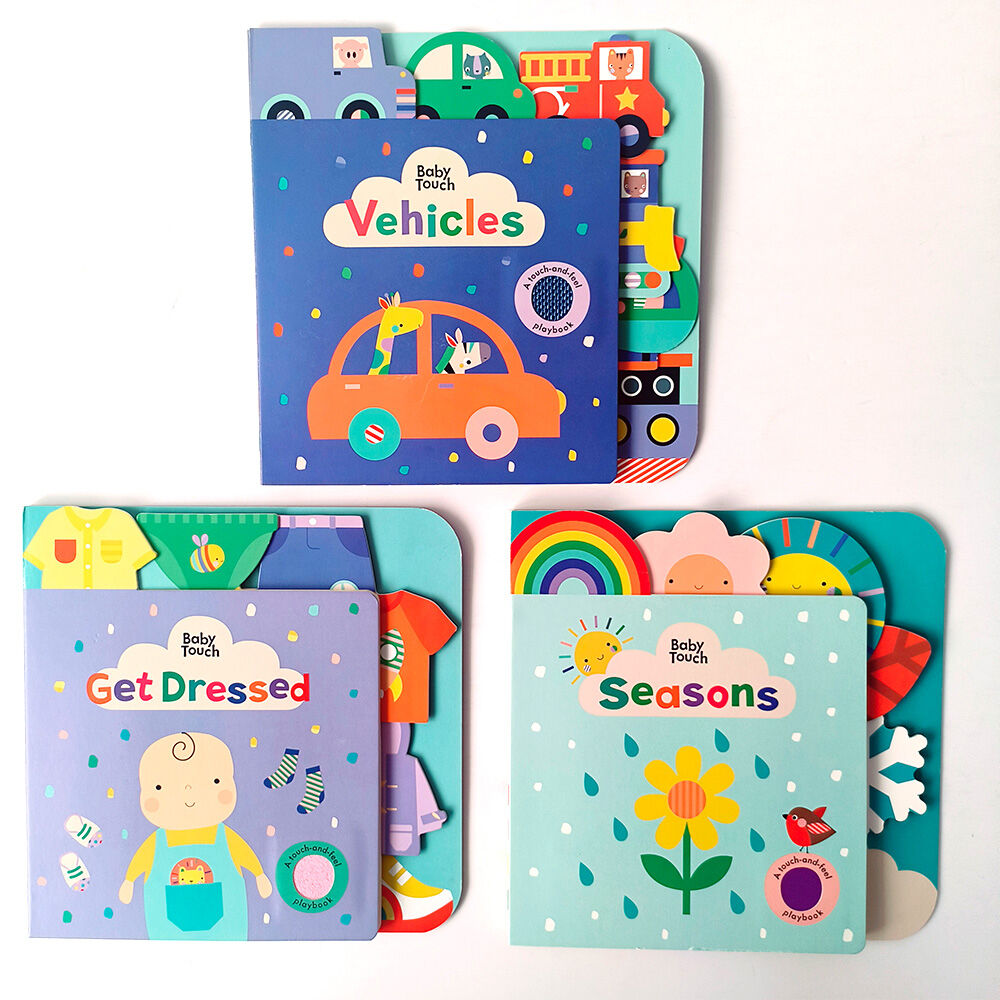
Designing developmentally appropriate content for infant readers requires a deep understanding of cognitive, visual, and motor skill progression during the first year of life. The way content is structured in baby board books must align precisely with the neurological and physical milestones that occur at newborn, six-month, and twelve-month stages. Publishers and content creators in the early childhood education market recognize that effective baby board books are not simply scaled-down versions of toddler literature, but carefully calibrated tools that support sensory development, language acquisition, and cognitive growth at each distinct developmental phase.
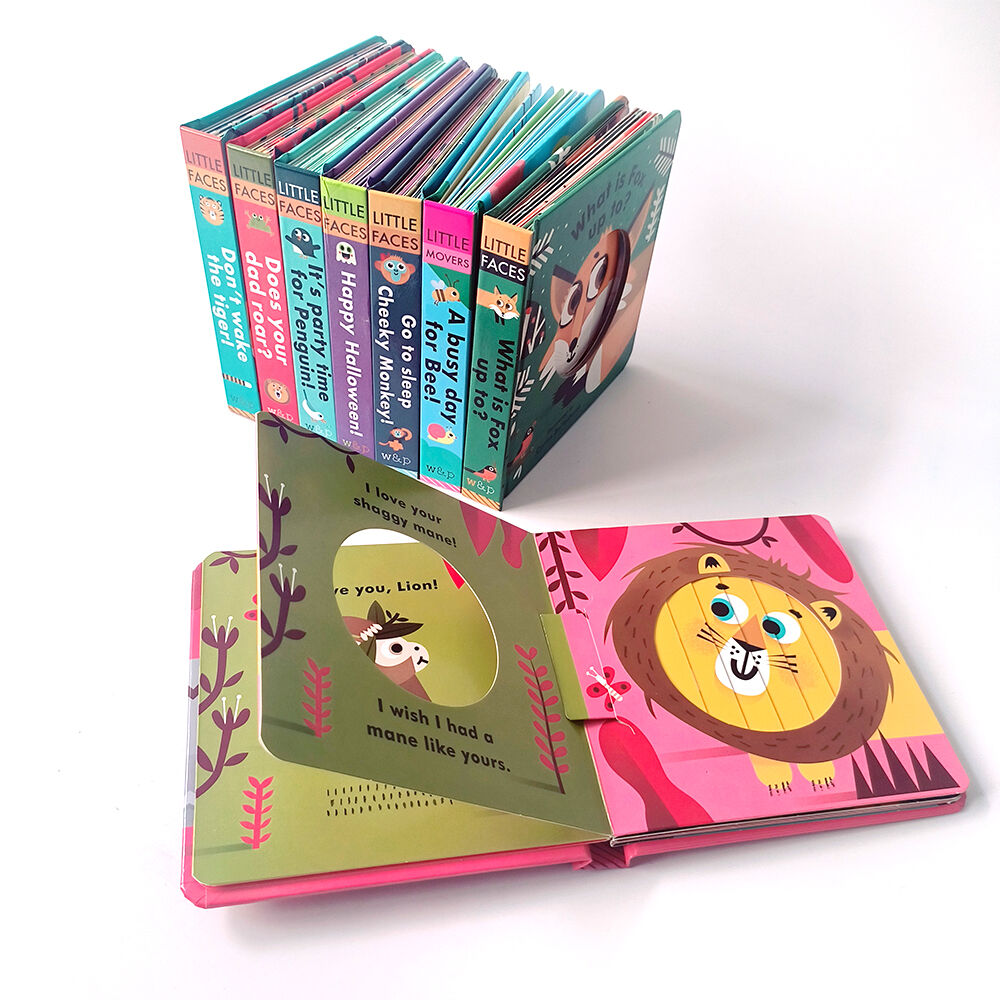
The progression of content complexity in baby board books follows a predictable trajectory that mirrors infant brain development, beginning with high-contrast visual stimulation for newborns and advancing toward interactive narrative elements by the first birthday. Educational psychologists and pediatric development specialists emphasize that the most effective baby board books incorporate age-appropriate visual complexity, tactile engagement opportunities, and linguistic patterns that match the infant's evolving capacity for pattern recognition, object permanence, and early vocabulary development. Understanding how to structure this progression enables publishers to create products that genuinely support developmental milestones rather than simply entertaining caregivers.
Visual Complexity and Contrast Requirements Across Developmental Stages
Newborn Visual Perception and High-Contrast Design Principles
Newborns enter the world with limited visual acuity, typically around twenty-four hundred vision, meaning they can only clearly see objects eight to twelve inches from their faces. During the first weeks of life, infants respond most strongly to high-contrast patterns, particularly black and white designs, because their developing retinas and visual cortex are not yet capable of processing subtle color gradations or detailed images. Baby board books designed for the newborn stage should feature bold geometric patterns, simple shapes like circles and stripes, and stark black-and-white illustrations that provide maximum visual stimulus within the infant's limited focal range.
The content structure in newborn baby board books should prioritize single, centered images per page with minimal background clutter. Research in infant vision development demonstrates that newborns are particularly attracted to facial patterns and concentric circles, which resemble the human face structure they are biologically programmed to recognize. Publishers should incorporate these elements prominently, using thick black lines on white backgrounds or white shapes on black backgrounds to create the contrast necessary for newborn visual engagement. The page layout should avoid complexity, presenting one clear visual element that occupies most of the page surface to prevent visual overwhelm.
Six-Month Visual Development and Introduction of Color
By six months of age, infant vision improves dramatically, reaching approximately twenty-twenty-five acuity, and color perception becomes fully functional. The visual cortex has matured sufficiently to process a broader spectrum of hues, and infants begin showing preferences for bright primary colors, particularly red, blue, and yellow. Baby board books targeting this age group should transition from pure high-contrast designs to incorporate vibrant, saturated colors while maintaining clear visual boundaries between elements. The content progression at this stage allows for slightly more complex compositions, with two to three distinct objects per page rather than single elements.
Content designers should recognize that six-month-olds are developing depth perception and can track moving objects more effectively, which influences how visual information should be presented in baby board books. Pages can now feature simple scenes rather than isolated objects, though each scene element should remain distinct and easily identifiable. The use of bold color blocking helps infants distinguish between foreground and background elements, supporting their emerging spatial awareness. Illustrations should feature recognizable objects from the infant's daily experience, such as bottles, toys, or household pets, rendered in simplified but clearly identifiable forms with strong color differentiation.
Twelve-Month Visual Sophistication and Detailed Imagery
By their first birthday, infants possess visual acuity approaching adult levels and demonstrate sophisticated color discrimination and pattern recognition abilities. Baby board books for twelve-month-olds can incorporate more detailed illustrations, including simple backgrounds, multiple characters or objects per scene, and a wider color palette that includes pastels and secondary colors alongside primary hues. The content can now support basic narrative sequences, with visual elements that change slightly across pages to suggest action or progression, though each page should still function as a standalone image.
At this developmental stage, infants benefit from baby board books that include visual complexity such as textures, patterns within illustrations, and subtle details that reward repeated viewing. However, publishers must balance increased detail with clarity, ensuring that key focal points remain obvious and that visual clutter does not obscure the primary subject of each page. The transition from simple object identification to scene-based illustration supports cognitive development by encouraging infants to understand spatial relationships, recognize familiar settings, and begin connecting visual sequences into simple cause-and-effect narratives.
Language Complexity Progression and Linguistic Development Support
Newborn Auditory Processing and Rhythmic Language Patterns
Newborns are born with the ability to discriminate between different speech sounds and show preference for human voices, particularly the melodic patterns of infant-directed speech. Content in baby board books for newborns should focus on rhythmic, repetitive language patterns that emphasize prosody over semantic meaning. Simple sound words, repeated vowel sounds, and alliterative phrases provide the auditory patterns that newborn brains are primed to process. The text in these books functions primarily as a script for caregiver vocalization rather than as independent narrative content.
Publishers creating baby board books for the newborn stage should limit text to single words or very short phrases per page, with emphasis on sounds that encourage caregiver-infant vocal interaction. Words like mama, baba, and other reduplicative babbling sounds mirror the vocal experimentation that infants naturally engage in during their first months. The linguistic content should be sparse, allowing the reading experience to focus on the caregiver's voice quality, facial expressions, and the bonding that occurs through shared book interaction rather than on conveying complex information through language.
Six-Month Language Acquisition and Vocabulary Building
At six months, infants enter a critical period for phoneme discrimination and begin recognizing frequently heard words in their native language. Baby board books for this age group should introduce simple, concrete nouns that label objects in the infant's environment, presented with clear pronunciation patterns that caregivers can emphasize during reading. The content progression should move from single words per page to simple two-word phrases that combine labels with basic descriptors, such as red ball or big dog, supporting the infant's emerging understanding that words reference specific objects and attributes.
The linguistic structure in six-month baby board books should maintain strong repetition and predictable patterns while introducing a modest expansion of vocabulary. Each book might focus on a single category such as animals, foods, or toys, with consistent sentence structures repeated across pages using different nouns. This approach supports statistical learning, the process by which infants detect patterns in language input and extract grammatical rules. Publishers should ensure that vocabulary choices reflect high-frequency words from infant-directed speech research, focusing on objects and concepts that infants regularly encounter in daily life.
Twelve-Month Linguistic Complexity and Early Syntax Introduction
By twelve months, most infants produce their first meaningful words and demonstrate comprehension of simple commands and questions, indicating readiness for more complex linguistic content in baby board books. Content at this stage can incorporate simple sentences with subject-verb-object structure, basic verbs of action and state, and spatial prepositions that describe relationships between objects. The text should still maintain simplicity, with sentences typically containing four to six words, but can now convey simple narratives or sequences of actions rather than merely labeling objects.
Publishers should recognize that twelve-month-olds benefit from baby board books that introduce question formats, particularly where and what questions that encourage interactive reading experiences. The content can incorporate simple dialogues, animal sounds paired with animal names, and action words that caregivers can demonstrate physically during reading sessions. Repetitive refrains that change slightly across pages support memory development and pattern prediction skills, while familiar word combinations help reinforce emerging vocabulary. The linguistic progression at this stage balances introducing new words with sufficient repetition of known vocabulary to build confidence and comprehension.
Interactive Elements and Tactile Engagement Across Age Groups
Newborn Tactile Limitations and Passive Sensory Experience
Newborns possess limited motor control and cannot intentionally manipulate objects, though they demonstrate reflexive grasping when objects touch their palms. Baby board books for newborns should not rely on interactive manipulation but can incorporate varied textures on page surfaces that caregivers can guide the infant's hands across during reading. The tactile elements serve primarily to provide sensory variety during the reading experience rather than as features the infant can independently explore. Content design should acknowledge that newborns experience these books through caregiver mediation, with adults controlling page turning and directing the infant's attention to visual and tactile features.
The physical construction of newborn baby board books should prioritize safety and caregiver handling convenience over infant manipulation. Pages should be thick and durable to withstand repeated use, with rounded corners to prevent injury during the frequent mouthing that occurs when infants explore objects orally. While embedded tactile elements like fabric patches or textured printing can enhance sensory richness, these features should be securely attached and pose no choking hazards, recognizing that newborns lack the motor control to interact with these elements intentionally but will eventually mouth the books as they develop.
Six-Month Motor Development and Exploration Through Touch
At six months, infants demonstrate improved hand-eye coordination and begin reaching for and grasping objects intentionally, though fine motor control remains limited. Baby board books for this age group can incorporate more prominent tactile elements that infants can discover through exploration, such as raised textures, fabric patches, or simple flaps that caregivers can help lift. The content design should position interactive elements strategically to reward infant touching and exploration, with textures that provide clear sensory contrast such as smooth versus rough or soft versus firm surfaces.
Publishers creating baby board books for six-month-olds should consider that infants at this stage are developing the pincer grasp but cannot yet execute it reliably, meaning interactive elements must be large enough for whole-hand grasping and manipulation. Content that encourages touch should pair tactile elements with corresponding visual and linguistic content, such as a fuzzy texture accompanying a lamb illustration and the word soft. This multisensory integration supports learning by creating multiple neural pathways for encoding information. The interactive features should be durable enough to withstand repeated, sometimes forceful manipulation and should remain securely attached through extensive mouthing and pulling.
Twelve-Month Fine Motor Skills and Complex Interaction
By twelve months, infants demonstrate significantly improved fine motor control, including the ability to turn pages with assistance, point at objects with an index finger, and manipulate simple mechanisms like sliding panels or rotating wheels. Baby board books for this age group can incorporate more sophisticated interactive elements that reward intentional manipulation, such as lift-the-flap features, simple pull-tabs, or touch-and-feel areas integrated into illustrations. The content design should create opportunities for infants to take active roles in the reading experience, discovering hidden images or changing illustrations through their own actions.
Content progression in twelve-month baby board books should recognize that interactive elements serve cognitive development purposes beyond mere entertainment. Lift-the-flap features support object permanence understanding by hiding and revealing images, while cause-and-effect mechanisms like sliding tabs that make characters move reinforce the infant's understanding of agency and predictable outcomes. Publishers should ensure that interactive elements are intuitive enough for emerging motor skills while providing satisfying tactile feedback that encourages repeated engagement. The placement of interactive features should guide page-turning progression and attention focus, supporting narrative flow even in simple storylines.
Cognitive Development Alignment and Conceptual Complexity
Newborn Cognitive Capacity and Simple Stimulus-Response Content
Newborns operate primarily at a reflexive cognitive level with limited capacity for memory formation or pattern recognition beyond the most basic stimuli. Baby board books for newborns should focus on providing varied sensory input rather than conveying conceptual information or narrative content. The cognitive purpose of these books is to support neural development through sensory stimulation and to establish positive associations with book-sharing experiences through caregiver-infant bonding during reading sessions. Content designers should recognize that newborns will not remember specific book content or recognize familiar books, so the focus should be on immediate sensory engagement.
The conceptual content in newborn baby board books should be minimal, with pages functioning as standalone sensory experiences rather than components of a larger narrative or educational sequence. While caregivers may impose narrative structure through their reading style and commentary, the book itself need not contain logical progression or thematic coherence. This approach differs fundamentally from books for older infants, where content progression and cognitive scaffolding become essential design considerations. Publishers should view newborn baby board books primarily as tools for supporting early literacy behaviors and parent-child interaction rather than as vehicles for information transmission.
Six-Month Cognitive Advances and Object Recognition Content
At six months, infants demonstrate emerging object permanence, improved memory for recently encountered stimuli, and beginning categorization abilities that allow them to group similar objects mentally. Baby board books for this developmental stage should leverage these cognitive capacities by featuring content that supports object recognition and basic categorization. Books might focus on a single category such as animals, vehicles, or foods, presenting multiple examples that share common features while remaining visually distinct. This content structure supports the infant's developing ability to form conceptual categories and recognize instances of familiar object types.
The cognitive progression in six-month baby board books should introduce simple cause-and-effect relationships through visual sequences, such as a baby reaching for a toy across consecutive pages, though each page should still function independently since infants at this age have limited narrative comprehension. Content designers should recognize that six-month-olds benefit from repetition across multiple reading sessions, gradually building familiarity with specific books and anticipating recurring elements. This emerging recognition memory allows baby board books to function as tools for cognitive development, with familiar content providing a foundation for noticing small variations and changes across readings.
Twelve-Month Conceptual Understanding and Simple Narrative Content
By twelve months, infants demonstrate significant cognitive advances including established object permanence, emerging symbolic thinking, and the ability to follow simple two-step sequences. Baby board books for this age group can incorporate basic narrative structures, such as a character completing a simple action sequence or experiencing a problem and solution. The content progression should maintain simplicity, with narratives typically spanning four to eight pages and focusing on a single, clear sequence of events drawn from familiar daily experiences such as mealtime routines, bath time, or play scenarios.
Content in twelve-month baby board books should support emerging cognitive skills such as imitation, means-end reasoning, and functional object understanding. Books might show characters using objects appropriately, solving simple problems, or engaging in activities that infants can later imitate during play. The conceptual content can introduce basic relational concepts such as big and small, in and out, or up and down, presented through clear visual contrasts and simple linguistic labels. Publishers should ensure that conceptual content remains concrete and directly related to the infant's lived experience rather than introducing abstract ideas or situations outside the infant's frame of reference.
Social-Emotional Content and Relationship-Building Elements
Newborn Social Awareness and Face-Focused Content
Newborns are born with innate interest in human faces and demonstrate preference for face-like patterns over other visual stimuli within hours of birth. Baby board books for newborns should capitalize on this biological predisposition by featuring simplified, high-contrast facial illustrations prominently. Content should emphasize basic emotional expressions, particularly happy faces with clear smiles, presented in the high-contrast format that newborn vision can process. These facial images serve dual purposes: capturing infant visual attention and supporting the early stages of social-emotional development through repeated exposure to positive emotional expressions.
The social content in newborn baby board books functions primarily by facilitating caregiver-infant interaction rather than by conveying information about social relationships or emotions. When caregivers share these books with newborns, the face-to-face positioning, vocal engagement, and shared attention create the foundation for secure attachment and early communication skills. Content designers should recognize that the book itself is less important than the interaction it facilitates, so content should be designed to encourage caregiver vocalization, facial expression, and responsive interaction rather than to entertain or educate the infant independently.
Six-Month Emotional Recognition and Simple Affective Content
By six months, infants demonstrate clear recognition of basic emotional expressions and begin showing differential responses to happy, sad, and angry faces. Baby board books for this age group can introduce simple emotional content through characters displaying clear, exaggerated expressions paired with basic emotion labels. Content should focus on positive emotions primarily, with occasional presentation of mild distress or surprise that resolves into positive outcomes. This approach supports emotional literacy development while maintaining the positive associations with reading that encourage continued book engagement.
The social-emotional progression in six-month baby board books should incorporate characters engaged in simple social interactions such as sharing, hugging, or playing together. These visual narratives support the infant's emerging understanding of social reciprocity and positive relationship patterns. Content designers should ensure that characters remain visually simple with clear, readable expressions, avoiding detailed facial features that might be ambiguous or confusing to infant readers. Baby board books at this stage begin serving socialization functions by modeling positive behaviors and emotional expressions within the safe, controlled environment of shared reading experiences.
Twelve-Month Social Learning and Behavioral Modeling Content
At twelve months, infants demonstrate social referencing, intentional communication through gestures and emerging words, and the beginning of empathic responses to others' emotions. Baby board books for this developmental stage can incorporate more complex social scenarios, including simple narratives about sharing, helping, or comforting others. The content should model prosocial behaviors through character actions, providing templates that infants can later imitate in their own social interactions. Stories might show characters completing daily routines cooperatively, resolving simple conflicts, or expressing needs appropriately.
Content in twelve-month baby board books should support emerging self-concept and identity development by featuring diverse characters in familiar roles and situations that mirror the infant's own experiences. Books might include scenarios involving families, caregivers, peers, or community helpers, presented in ways that help infants recognize social roles and relationships. The social-emotional content should remain optimistic and supportive, avoiding frightening scenarios or negative outcomes that might create anxiety. Publishers should recognize that baby board books at this stage function as social learning tools, shaping infant understanding of behavioral expectations, emotional expression, and interpersonal relationships through repeated exposure to modeled scenarios.
FAQ
What is the most important difference between baby board books for newborns versus twelve-month-olds?
The fundamental difference lies in cognitive and sensory processing capacity. Newborn baby board books must accommodate limited visual acuity with high-contrast, simple images and minimal content, serving primarily as tools for caregiver bonding rather than independent learning. By twelve months, infants possess near-adult visual acuity, emerging language comprehension, and memory capabilities that allow baby board books to incorporate detailed illustrations, simple narratives, interactive elements, and conceptual content that supports active learning. The progression from passive sensory stimulation to active cognitive engagement represents the core distinction in content design across this developmental span.
How many words should baby board books contain at each age stage?
Newborn baby board books function effectively with zero to ten total words, focusing on single-word labels or simple sound words. Six-month baby board books typically contain ten to thirty words total, with one to three words per page introducing concrete nouns and simple descriptors. Twelve-month baby board books can expand to thirty to sixty words total, incorporating simple sentences of four to six words that create basic narratives or action sequences. These word counts represent general guidelines rather than strict requirements, with the quality and developmental appropriateness of language being more important than specific quantity targets.
Should baby board books for different age groups use different binding or construction methods?
All baby board books across the newborn to twelve-month range should use durable board construction with rounded corners and non-toxic materials, as infants at every stage will mouth and manipulate books. However, page thickness can increase slightly for twelve-month books to support independent page turning, while newborn books might prioritize lighter weight for easier caregiver handling. Interactive elements like flaps, textures, or moving parts should only appear in books for six months and older, with the most complex mechanisms reserved for twelve-month baby board books when fine motor skills can engage with them effectively. Safety standards remain constant across all age groups despite varying interactive complexity.
Can the same baby board book work effectively for newborns through twelve-month-olds with appropriate content design?
While some baby board books attempt multi-age appeal, developmental research suggests that targeted age-specific content provides superior support for infant learning and engagement. A book optimized for newborn high-contrast needs will likely bore a twelve-month-old, while a book with appropriate complexity for twelve-month-olds will overwhelm a newborn's processing capacity. Publishers seeking broader age ranges might design books with layered complexity that offers basic visual engagement for younger infants while containing details and interactive elements that reward older infant exploration, though this approach inevitably compromises optimal design for each specific developmental stage. Most effective early literacy collections include multiple baby board books targeted to distinct developmental phases rather than attempting universal age appropriateness.
Table of Contents
- Visual Complexity and Contrast Requirements Across Developmental Stages
- Language Complexity Progression and Linguistic Development Support
- Interactive Elements and Tactile Engagement Across Age Groups
- Cognitive Development Alignment and Conceptual Complexity
- Social-Emotional Content and Relationship-Building Elements
-
FAQ
- What is the most important difference between baby board books for newborns versus twelve-month-olds?
- How many words should baby board books contain at each age stage?
- Should baby board books for different age groups use different binding or construction methods?
- Can the same baby board book work effectively for newborns through twelve-month-olds with appropriate content design?