hardcover notebook printing
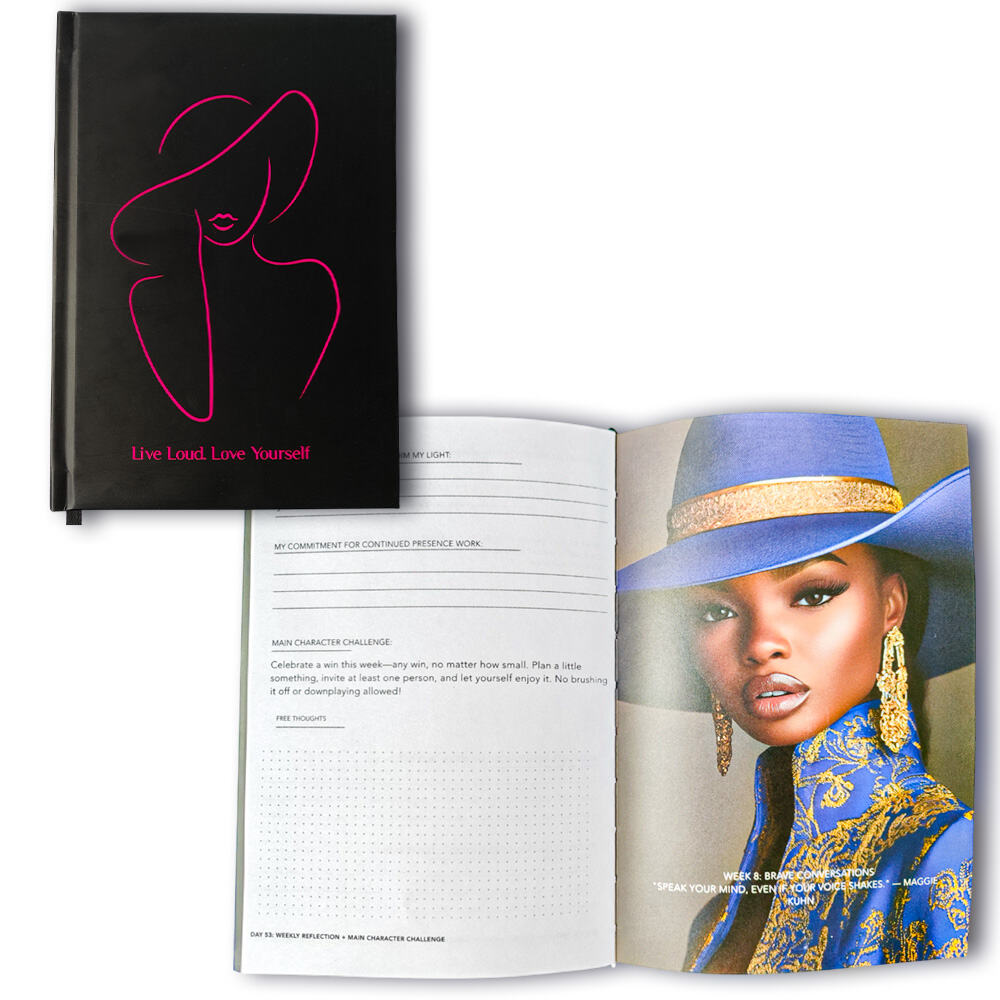
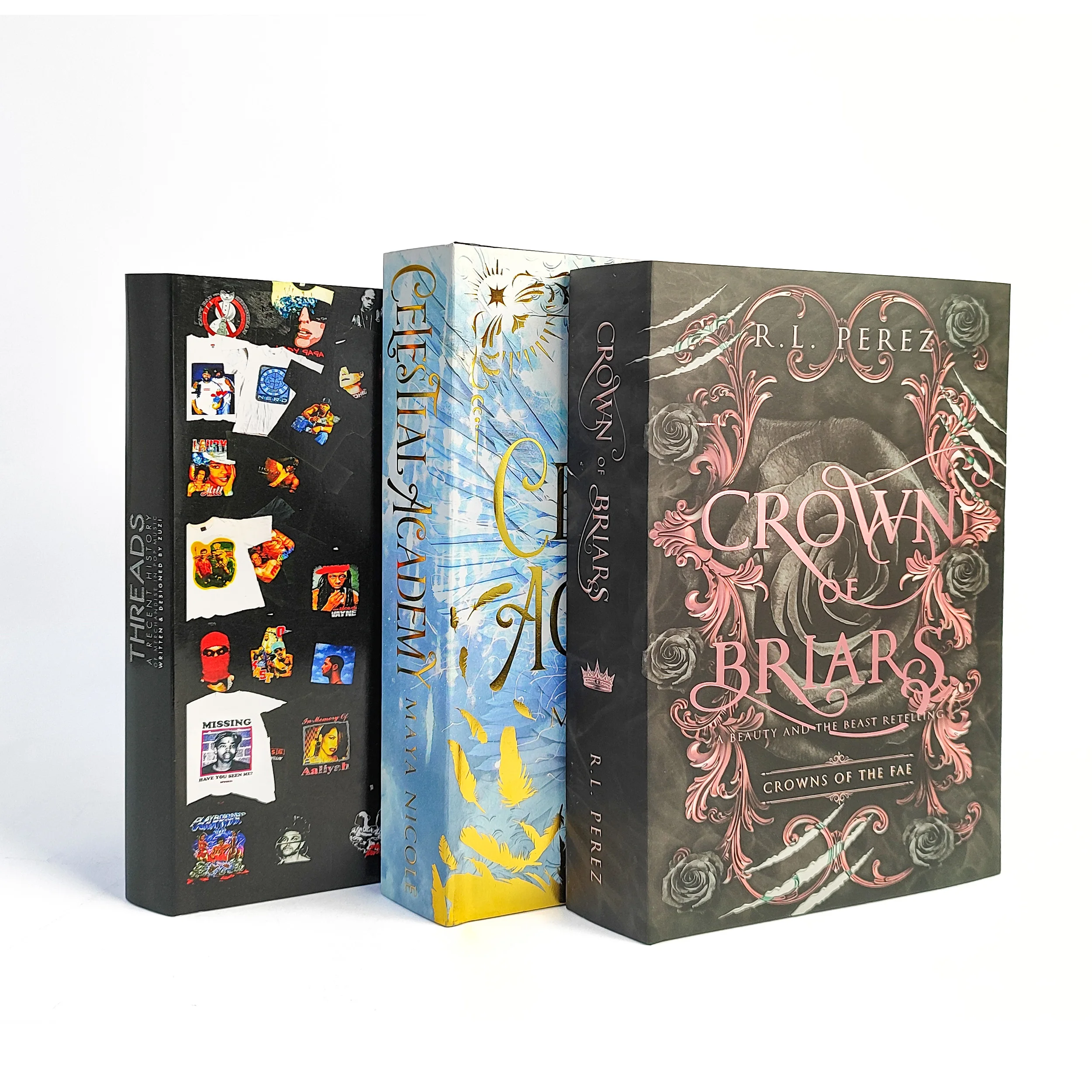
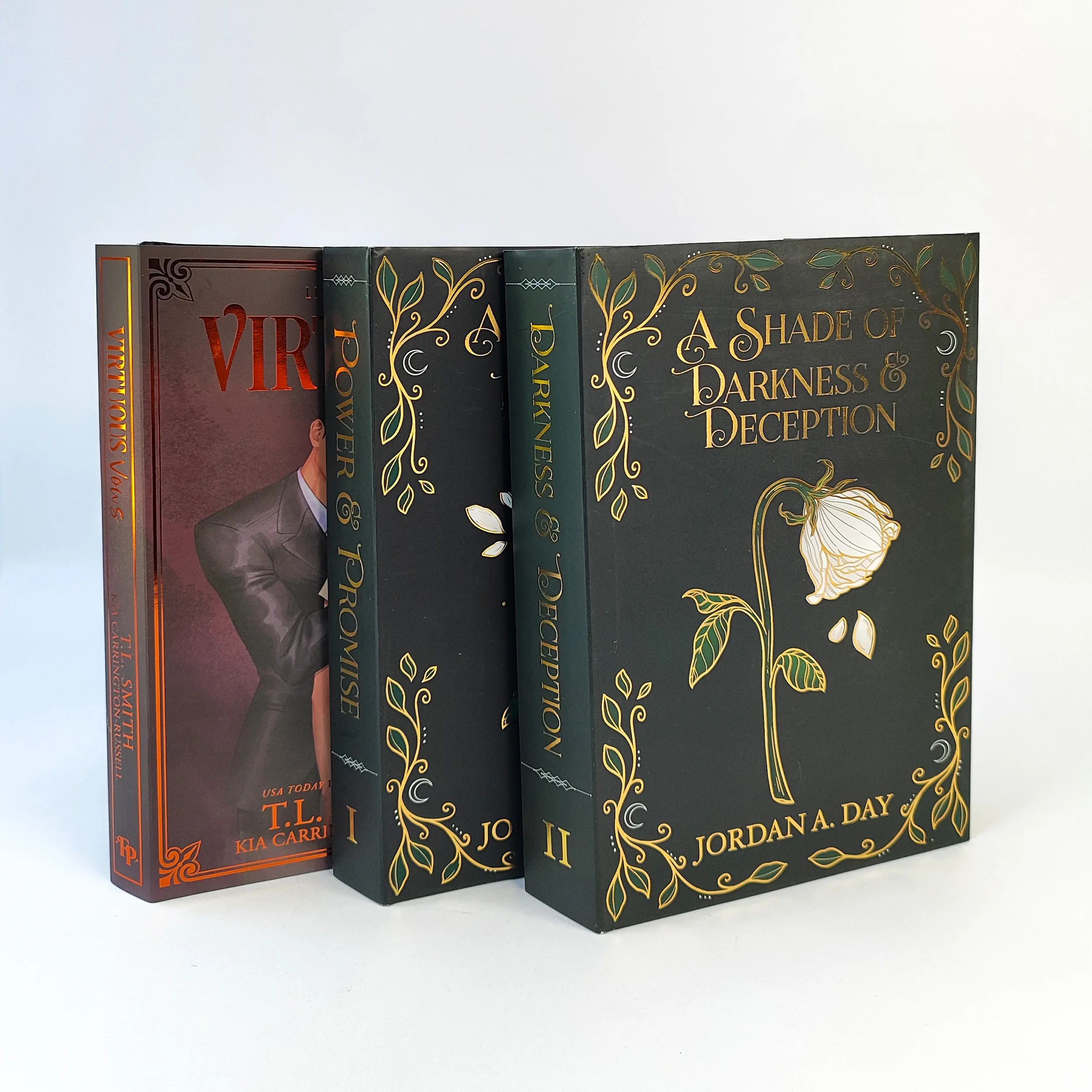
Hardcover notebook printing represents a sophisticated manufacturing process that transforms raw materials into premium-quality bound notebooks with rigid covers. This specialized printing technique combines traditional bookbinding methods with modern production technologies to create durable, professional notebooks suitable for various personal and business applications. The hardcover notebook printing process begins with selecting high-quality paper stock for interior pages, typically ranging from 70-120 GSM weight, ensuring smooth writing surfaces and minimal ink bleed-through. The cover construction utilizes thick cardboard or chipboard substrate, usually 2-3mm thick, which provides structural integrity and longevity. Advanced printing equipment applies designs, logos, and text directly onto cover materials using offset lithography, digital printing, or screen printing methods. The technological features of hardcover notebook printing include precision cutting systems that ensure uniform page sizes and clean edges. Binding techniques such as perfect binding, saddle stitching, or case binding secure pages within the hardcover structure. Modern production facilities employ automated collating machines that arrange pages in correct sequence, while specialized presses create professional-grade covers with various finishing options including matte, glossy, or textured surfaces. Quality control systems monitor color accuracy, registration precision, and binding strength throughout the manufacturing process. Applications for hardcover notebook printing span numerous sectors including corporate branding, educational institutions, promotional marketing, and personal stationery. Businesses utilize custom hardcover notebooks as executive gifts, conference materials, and branded merchandise that reinforces company identity. Educational markets rely on hardcover notebook printing for academic planners, laboratory notebooks, and institutional publications. The versatility of hardcover notebook printing accommodates various formats from pocket-sized journals to large-format presentation books, making it suitable for diverse customer requirements and market segments.
 EN
EN