Versatile Multi-Domain Applications and Adaptability
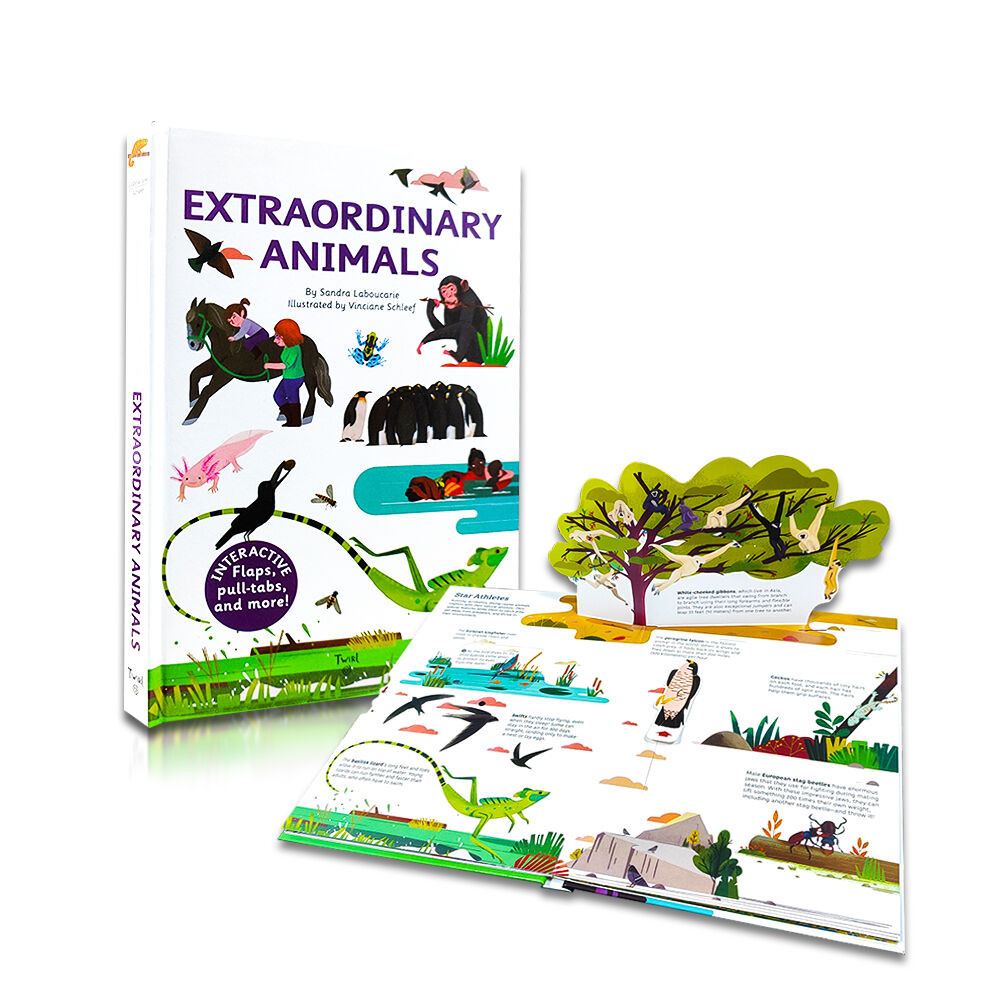
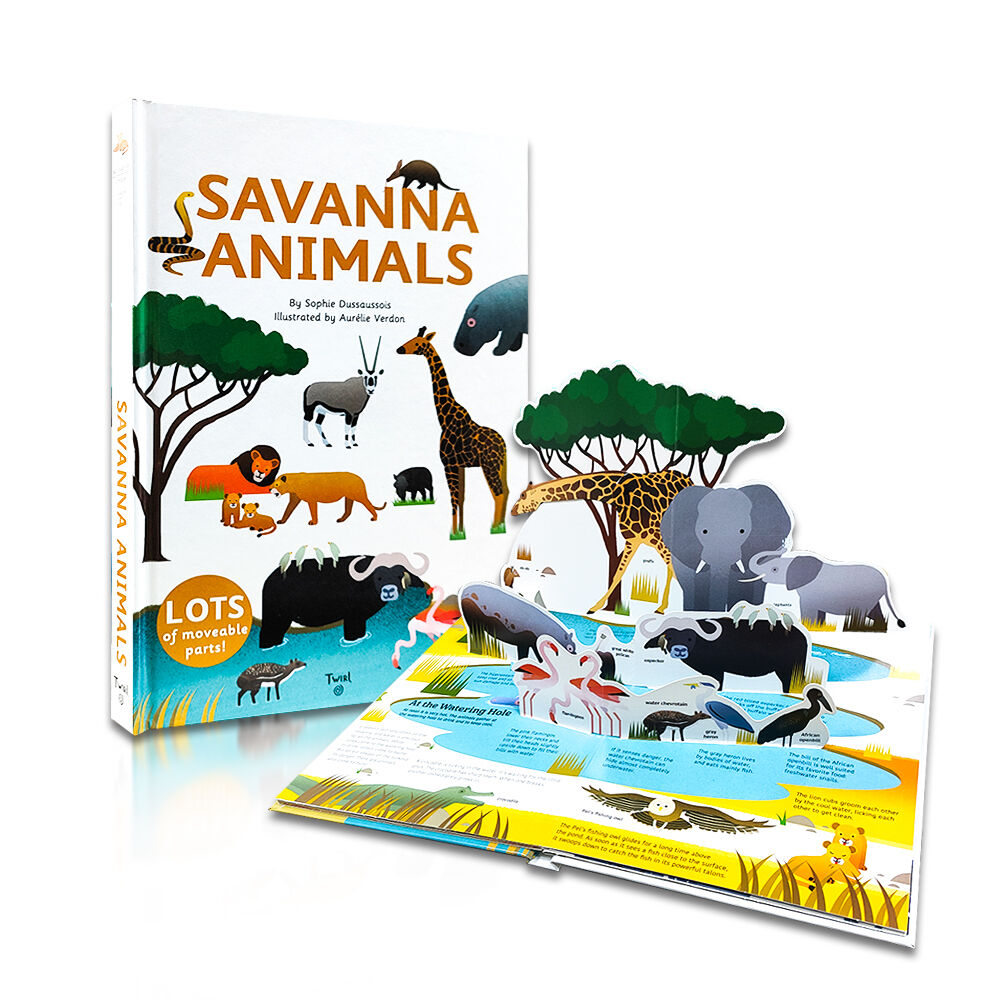
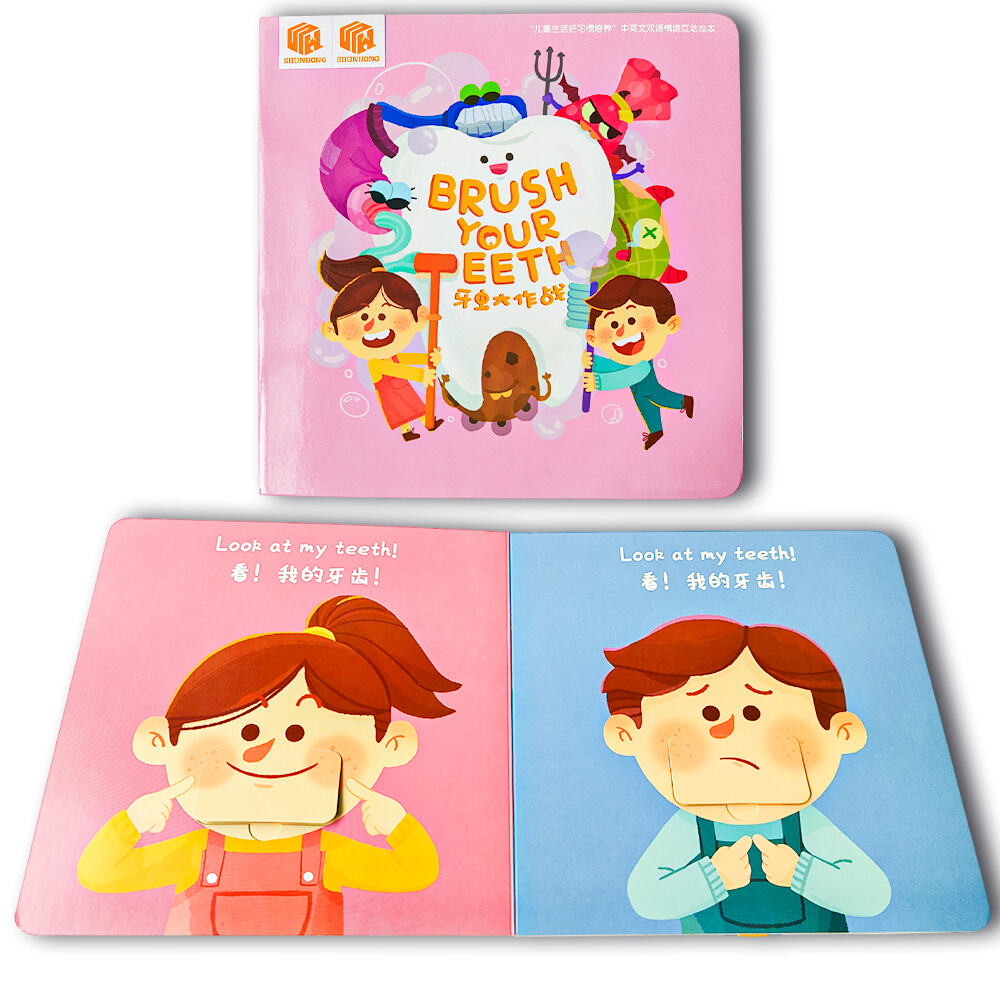
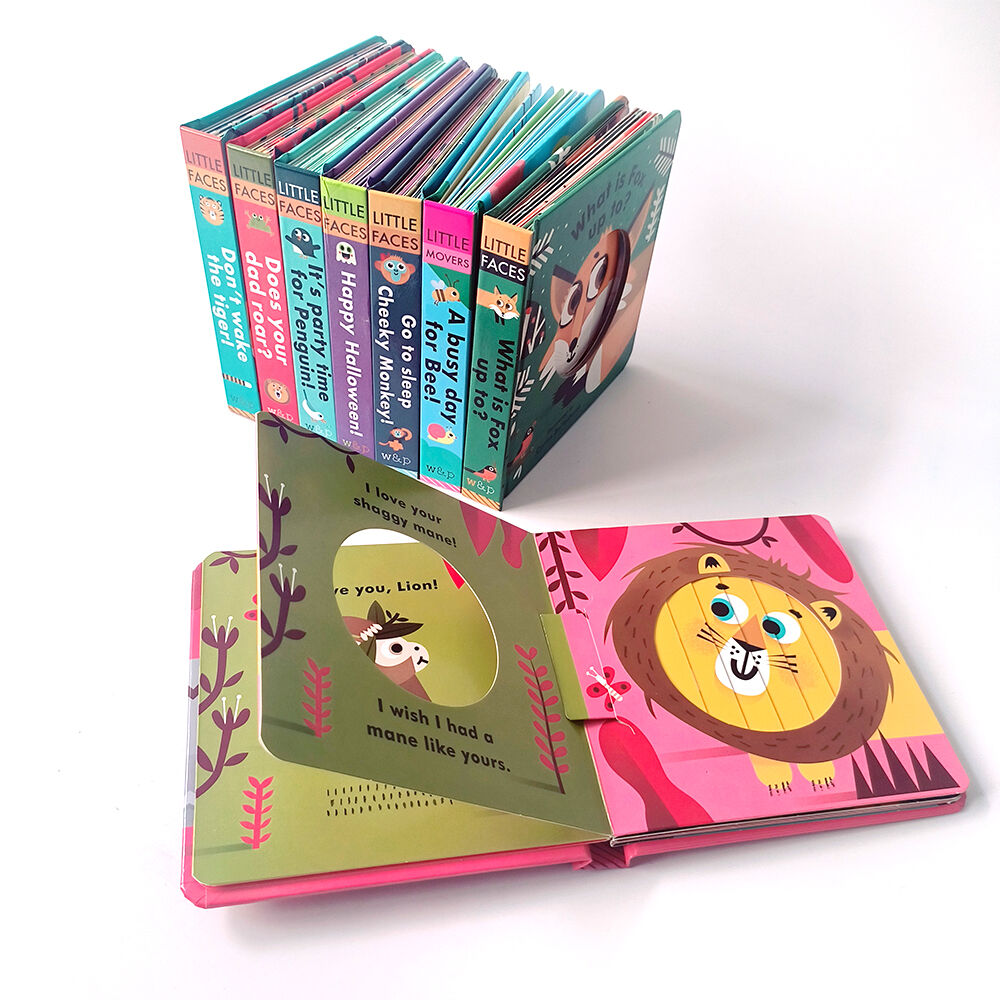
Flip flap books showcase remarkable versatility through their multi-domain applications and exceptional adaptability to diverse educational, professional, and commercial contexts, making them invaluable resources across numerous industries and user demographics. The flexible design framework of flip flap books allows content creators to customize interactive elements for specific learning objectives, target audiences, and subject matter requirements, resulting in highly specialized publications that address unique educational needs and professional development goals. In medical education, flip flap books serve as sophisticated training tools that allow students to explore anatomical structures, understand physiological processes, and practice diagnostic procedures through guided interactive experiences that simulate real-world clinical scenarios. Corporate training departments utilize flip flap books to standardize employee onboarding processes, communicate complex policies and procedures, and ensure consistent knowledge transfer across different locations and training sessions. The adaptability of flip flap books extends to therapeutic applications where occupational therapists, speech pathologists, and cognitive rehabilitation specialists use these tools to support patient recovery through structured interactive exercises that promote motor skills development and cognitive function restoration. Marketing professionals leverage the versatility of flip flap books to create innovative promotional materials that capture attention, convey complex product information, and generate memorable brand experiences that differentiate companies from competitors in crowded markets. Museums and cultural institutions adapt flip flap books to enhance visitor engagement with historical artifacts, scientific specimens, and artistic works by providing interactive exploration opportunities that deepen understanding and appreciation of cultural heritage. The multi-language adaptability of flip flap books makes them valuable resources for international organizations, multilingual educational programs, and cross-cultural communication initiatives where visual and tactile elements transcend language barriers. Special education programs benefit from the adaptability of flip flap books because these materials can be modified to accommodate various learning disabilities, cognitive differences, and physical limitations while maintaining educational effectiveness and engagement. Environmental education programs utilize flip flap books to demonstrate ecological concepts, conservation principles, and sustainability practices through interactive simulations that help learners understand complex environmental relationships. The scalability of flip flap books allows publishers to create series of related publications that build upon each other, supporting comprehensive curriculum development and progressive skill building across multiple educational levels and subject areas.
 EN
EN