board book printing
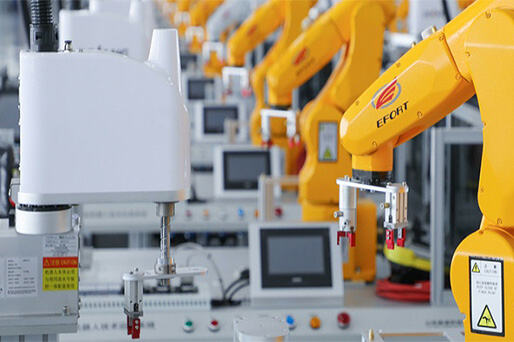
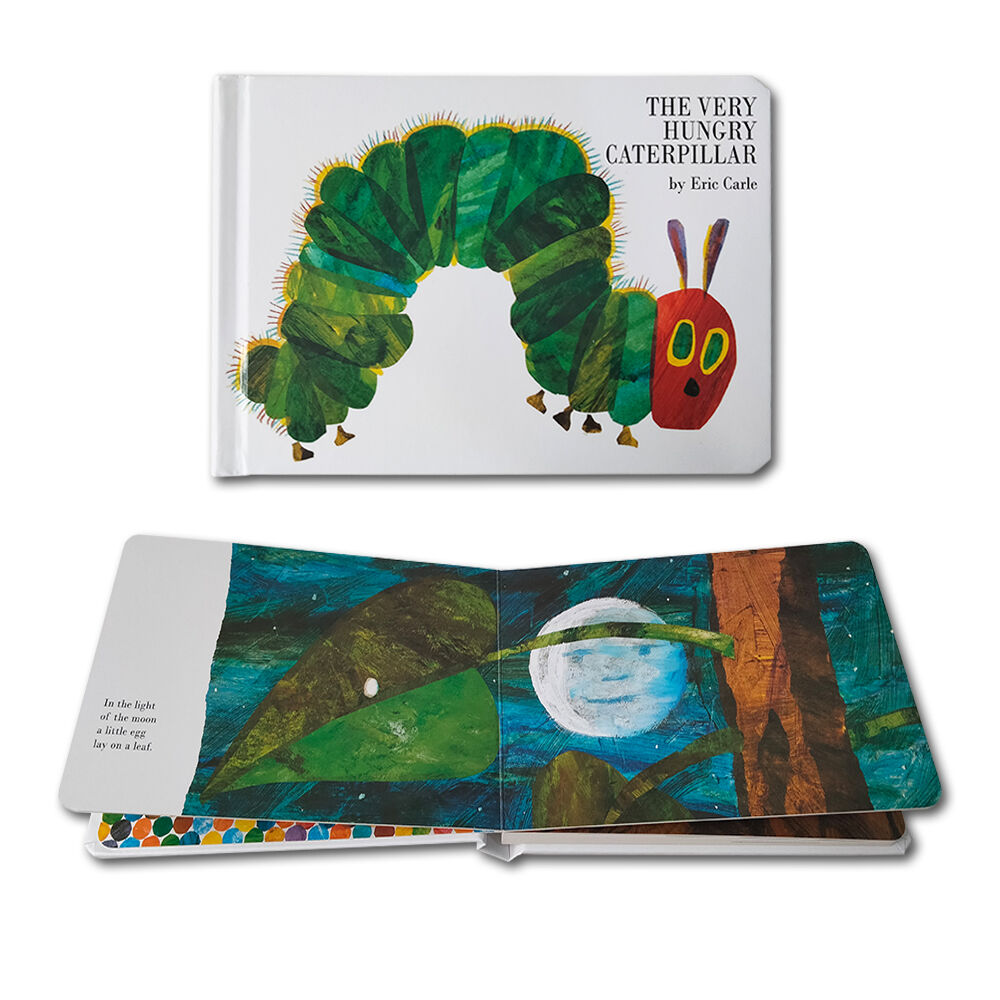
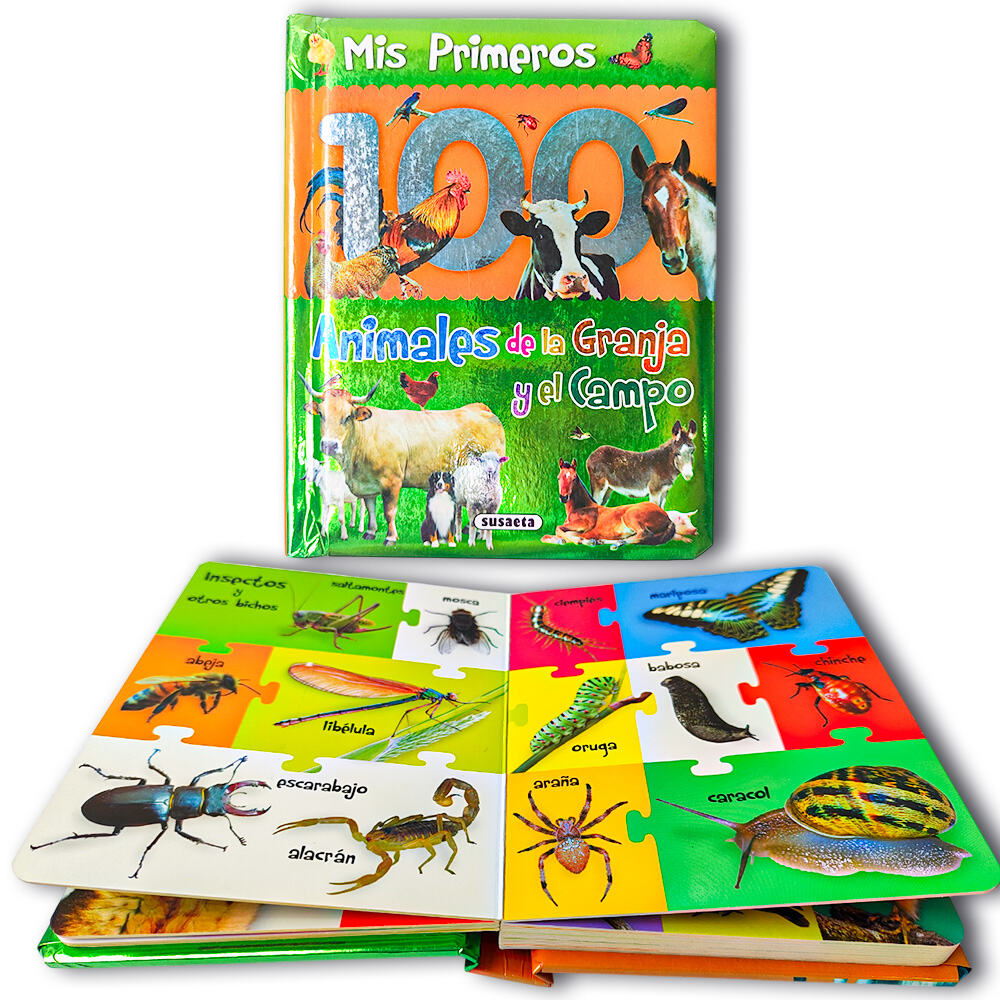
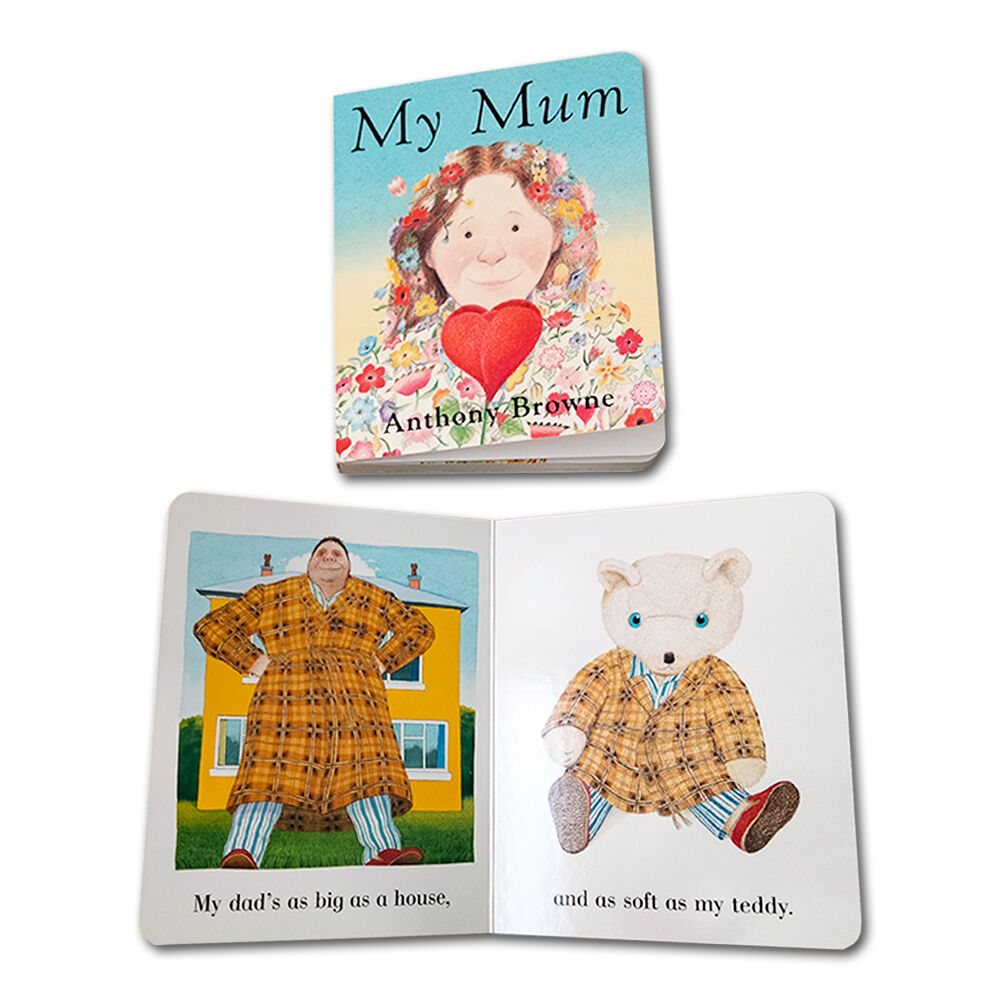
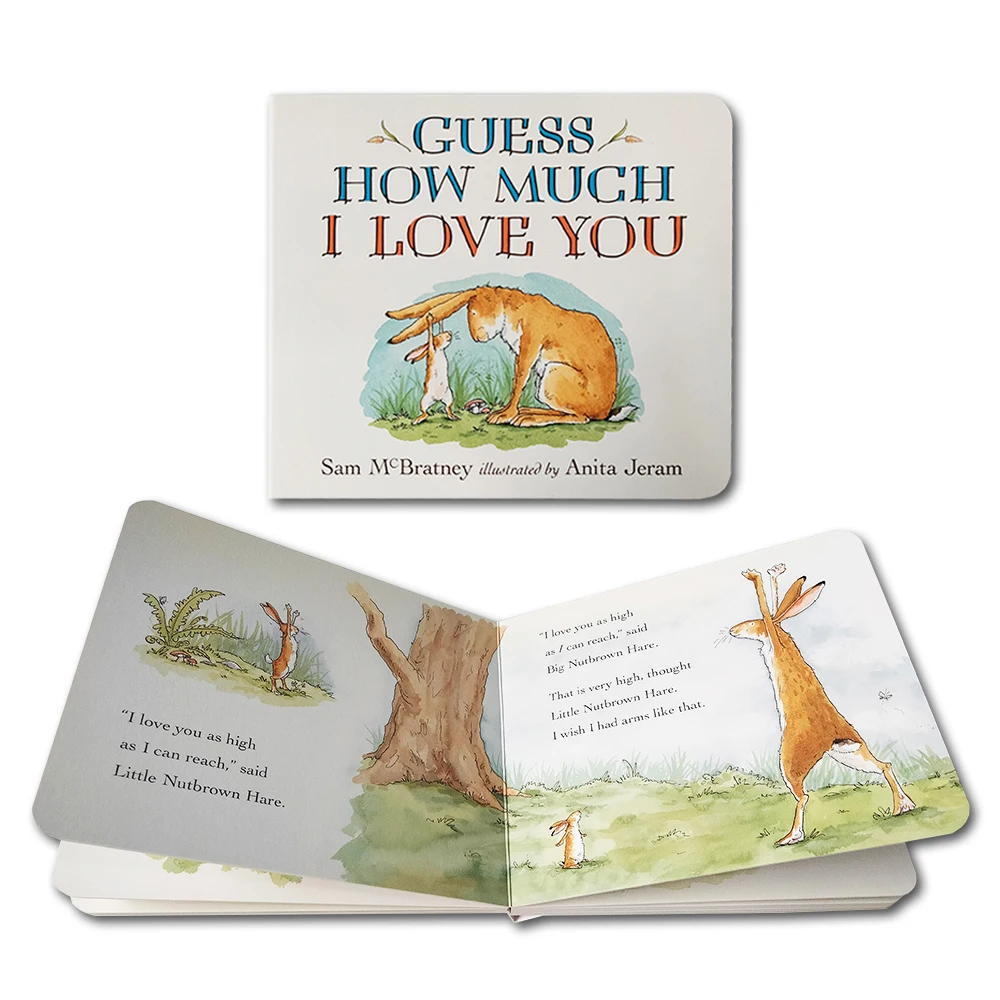
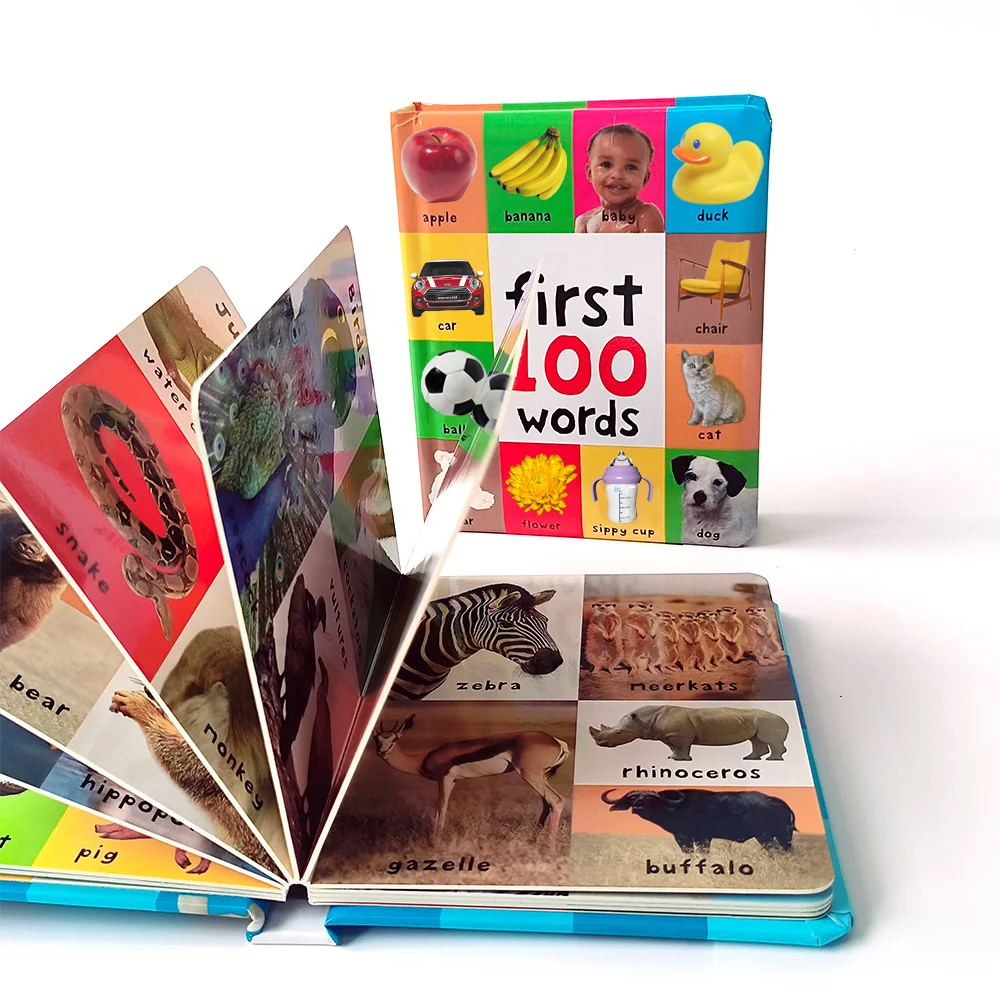
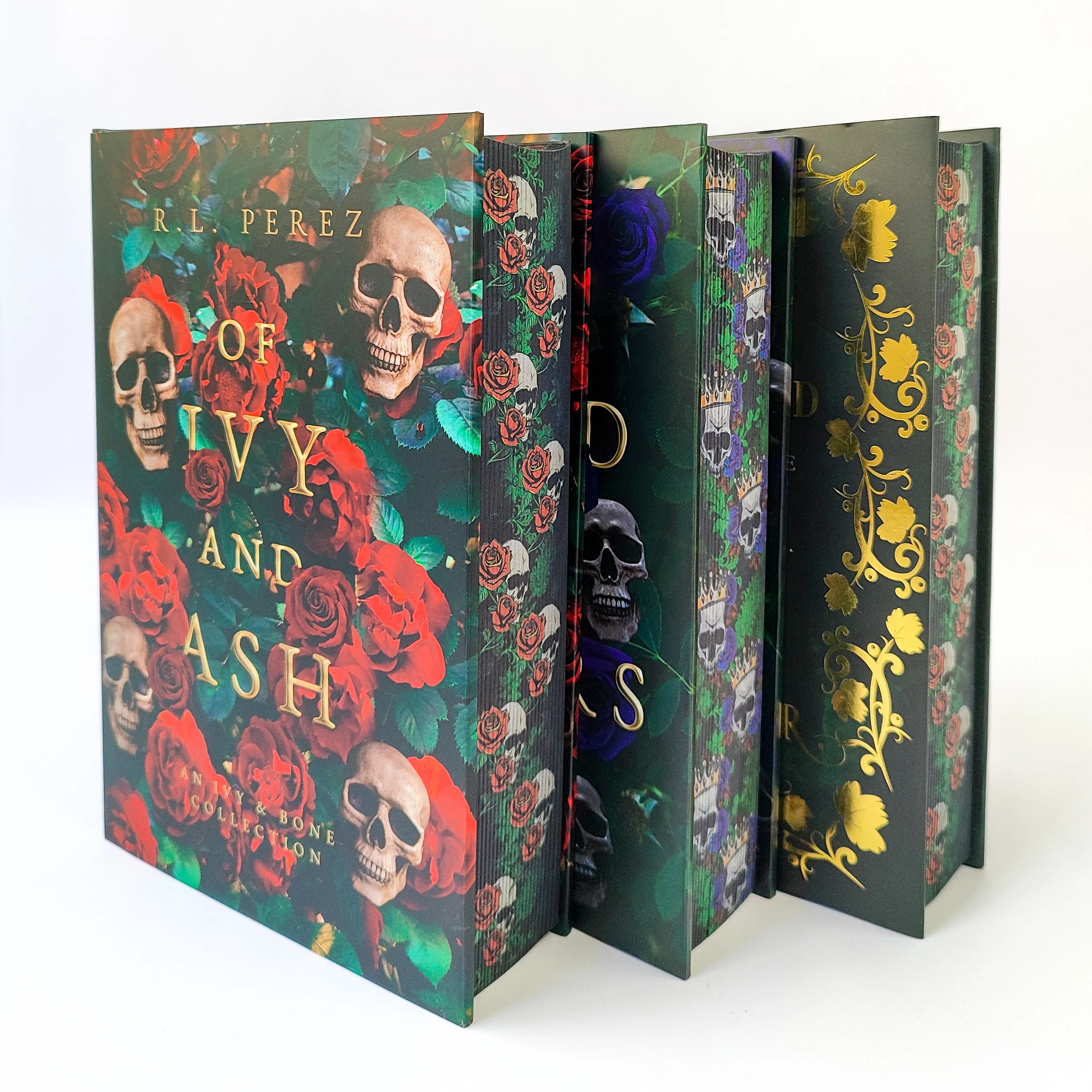
Board book printing represents a specialized manufacturing process designed to create durable, child-friendly books with thick cardboard pages. This printing technique combines advanced binding methods with high-quality materials to produce books that withstand frequent handling by young readers. Board book printing involves mounting printed materials onto sturdy chipboard or recycled cardboard substrates, typically measuring 1.5 to 3 millimeters in thickness. The process begins with digital or offset printing of colorful illustrations and text onto paper sheets, which are then laminated or mounted onto rigid board materials. Modern board book printing utilizes cutting-edge technology including precision die-cutting machines, automated binding systems, and quality control scanners to ensure consistent results. The printing process incorporates safety considerations, using non-toxic inks and materials that meet international safety standards for children's products. Board book printing serves multiple applications beyond traditional children's literature, including educational materials, promotional items, and specialty publications. The technology features include rounded corner cutting, which eliminates sharp edges that could harm young children, and waterproof coating options that protect against spills and moisture damage. Professional board book printing facilities employ sophisticated color management systems to maintain vibrant, accurate colors throughout production runs. The binding process utilizes specialized adhesives and mechanical fastening methods that create virtually indestructible joints between pages and covers. Quality control measures in board book printing include strength testing, color verification, and safety inspections to ensure each finished product meets rigorous standards. This printing method accommodates various sizes, from compact mini-books to larger format educational materials, making it versatile for different publishing needs and target audiences.
 EN
EN