 EN
EN


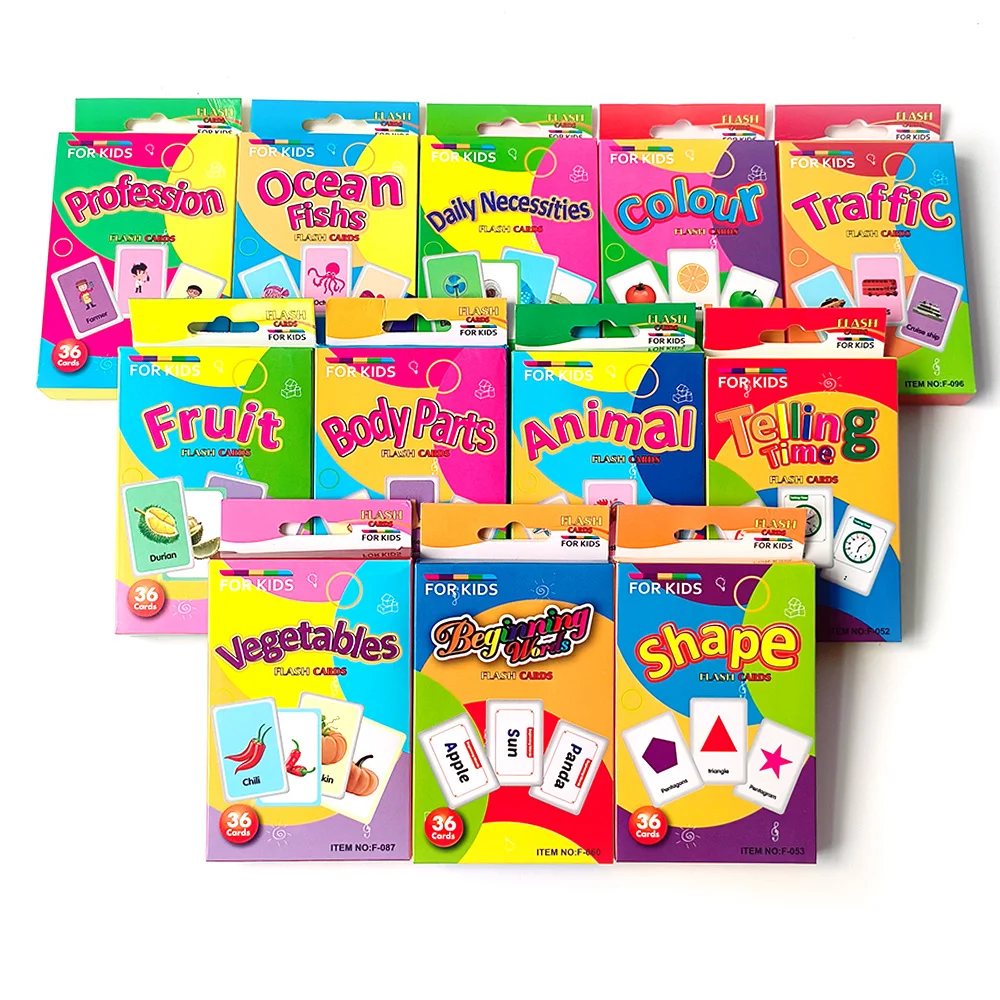
The educational landscape is experiencing a revolutionary transformation as traditional learning tools merge with cutting-edge technology. Among the most promising developments is the integration of cognitive cards with augmented reality (AR) technology, creating immersive mixed reality learning experiences that enhance engagement and retention. These innovative educational solutions combine the tactile benefits of physical learning materials with the dynamic capabilities of digital overlays, offering students an unprecedented way to interact with information. As educators and technology developers continue to explore this convergence, cognitive cards are emerging as a cornerstone of next-generation learning environments that bridge the gap between physical and digital educational resources.
Understanding the Foundation of Mixed Reality Learning
The Evolution of Educational Technology
Educational technology has progressed significantly from simple computer-assisted learning to sophisticated immersive environments. The introduction of cognitive cards represents a natural evolution in this journey, combining proven pedagogical principles with modern technological capabilities. These specialized learning tools maintain the fundamental benefits of hands-on learning while incorporating digital enhancements that respond to student interactions in real-time. The physical nature of cognitive cards ensures that learners maintain important tactile connections to their educational materials, while AR overlays provide instant feedback, additional context, and interactive elements that would be impossible with traditional cards alone.
Mixed reality learning environments leverage the strengths of both physical and digital mediums, creating educational experiences that are more engaging and effective than either approach could achieve independently. When students manipulate cognitive cards within an AR environment, they activate visual and auditory responses that reinforce learning objectives through multiple sensory channels. This multi-modal approach to education aligns with research showing that students retain information more effectively when they can engage with content through various input methods simultaneously.
Core Components of AR-Enhanced Educational Systems
The technical infrastructure supporting AR-enhanced cognitive cards involves several key components working in harmony to create seamless learning experiences. Computer vision systems must accurately track and identify individual cards in real-time, while rendering engines generate appropriate digital overlays that align precisely with physical card positions. Modern smartphones and tablets provide sufficient processing power to handle these computational requirements, making AR-enhanced cognitive cards accessible to a broad range of educational institutions and individual learners.
Machine learning algorithms play an increasingly important role in optimizing these systems, analyzing student interaction patterns to provide personalized learning recommendations and adaptive content delivery. When students consistently struggle with particular concepts represented on specific cognitive cards, the AR system can automatically adjust difficulty levels, provide additional explanatory content, or suggest alternative learning pathways. This intelligent adaptation ensures that each student receives appropriate challenges and support based on their individual learning pace and style preferences.
Implementation Strategies for Educational Institutions
Curriculum Integration Approaches
Successful implementation of AR-enhanced cognitive cards requires careful consideration of existing curriculum structures and learning objectives. Educational institutions must identify specific subject areas where mixed reality experiences can provide the greatest value, focusing on concepts that benefit from visualization, spatial understanding, or interactive exploration. Science education, particularly in fields like chemistry, biology, and physics, offers excellent opportunities for cognitive cards to display molecular structures, anatomical systems, or physical phenomena that students can manipulate and examine from multiple perspectives.
Language learning represents another prime application area where cognitive cards can bridge cultural and linguistic gaps through immersive experiences. When students scan vocabulary cards with AR-enabled devices, they can immediately access pronunciation guides, cultural context, and interactive scenarios that demonstrate proper usage in realistic situations. This immediate feedback mechanism accelerates language acquisition by providing contextual learning opportunities that traditional flashcards cannot match, while maintaining the proven effectiveness of spaced repetition learning techniques.
Teacher Training and Support Systems
The successful adoption of AR-enhanced cognitive cards depends heavily on comprehensive teacher training programs that address both technological competencies and pedagogical applications. Educators need practical experience with AR systems to understand how cognitive cards can enhance their existing teaching methods rather than replace them entirely. Professional development programs should emphasize the collaborative nature of mixed reality learning, where teachers guide and facilitate student exploration rather than simply delivering information through traditional lecture formats.
Technical support infrastructure must be robust enough to handle the inevitable challenges that arise when implementing new educational technologies. Schools need designated personnel who understand both the hardware and software components of AR systems, ensuring that technical issues don't disrupt learning activities. Additionally, ongoing professional learning communities allow teachers to share successful strategies for integrating cognitive cards into their specific subject areas and grade levels, fostering continuous improvement and innovation.
Technical Architecture and Development Considerations
Hardware Requirements and Compatibility
The hardware foundation for AR-enhanced cognitive cards must balance performance capabilities with practical accessibility constraints. Modern mobile devices provide sufficient computational power for basic AR applications, but more complex interactions may require dedicated hardware or cloud-based processing solutions. Camera quality becomes particularly important for accurate card recognition, as poor image capture can lead to frustrating user experiences that undermine the educational benefits of mixed reality learning environments.
Cross-platform compatibility ensures that cognitive cards can function effectively across diverse device ecosystems commonly found in educational settings. Development teams must consider the varying capabilities of iOS and Android devices, as well as potential integration with existing classroom technology infrastructure. Battery life optimization becomes crucial when students engage in extended learning sessions, requiring efficient algorithms that minimize power consumption while maintaining responsive AR performance throughout typical classroom periods.
Software Development and User Interface Design
Creating intuitive user interfaces for AR-enhanced cognitive cards requires careful consideration of both student and teacher needs. The software must provide clear visual indicators when cards are properly positioned for AR activation, while offering seamless transitions between physical card manipulation and digital content interaction. Age-appropriate interface design becomes particularly important when developing cognitive cards for younger students, ensuring that technology enhances rather than complicates the learning process.
Content management systems must allow educators to customize AR experiences based on their specific curriculum requirements and student populations. Flexible authoring tools enable teachers to create personalized cognitive cards that align with their lesson plans, while standardized content libraries provide professionally developed materials for common educational topics. Version control and content synchronization features ensure that all students and teachers access the most current educational materials and software updates.
Measuring Educational Outcomes and Assessment
Data Collection and Learning Analytics
AR-enhanced cognitive cards generate rich datasets that provide unprecedented insights into student learning behaviors and outcomes. These systems can track how long students spend examining specific cards, which AR features they access most frequently, and where they encounter difficulties in their learning progression. Such detailed analytics enable educators to make data-driven decisions about instructional strategies and identify students who may need additional support or alternative learning approaches.
Privacy considerations become paramount when collecting student learning data, requiring robust security measures and transparent data usage policies. Educational institutions must ensure that cognitive cards systems comply with relevant privacy regulations while still providing valuable insights for improving educational outcomes. Aggregated and anonymized data can inform broader research into mixed reality learning effectiveness without compromising individual student privacy rights.
Assessment Integration and Performance Tracking
Traditional assessment methods may not fully capture the learning benefits achieved through AR-enhanced cognitive cards, necessitating the development of new evaluation approaches that account for mixed reality learning experiences. Formative assessment opportunities can be seamlessly integrated into AR interactions, providing immediate feedback to both students and teachers about comprehension levels and skill development. These real-time assessments help identify learning gaps before they become significant obstacles to academic progress.
Longitudinal tracking capabilities allow educators to monitor student progress over extended periods, identifying patterns and trends that might not be apparent through traditional testing methods. When students consistently demonstrate mastery of concepts presented through cognitive cards, the system can automatically advance them to more challenging material or suggest enrichment activities. This adaptive progression ensures that each student receives appropriate challenges while building confidence through successful learning experiences.
Future Developments and Industry Trends
Emerging Technologies and Integration Opportunities
The future of cognitive cards lies in their integration with emerging technologies that will further enhance mixed reality learning experiences. Artificial intelligence advances will enable more sophisticated content personalization, allowing cognitive cards to adapt their presentations based on individual learning styles and preferences. Machine learning algorithms will analyze student interaction patterns to optimize content delivery and suggest personalized learning pathways that maximize educational effectiveness for each learner.
Virtual and augmented reality technologies continue to evolve rapidly, promising even more immersive and interactive experiences with cognitive cards. Future developments may include haptic feedback systems that allow students to feel textures and physical properties of virtual objects, gesture recognition that enables more natural interactions with AR content, and improved spatial tracking that supports collaborative learning activities where multiple students can share the same mixed reality environment simultaneously.
Scalability and Global Accessibility
As cognitive cards technology matures, scalability becomes increasingly important for widespread adoption in educational systems worldwide. Cloud-based infrastructure can support large-scale deployments while reducing the hardware requirements for individual institutions. Standardization efforts will enable cognitive cards from different manufacturers to work together seamlessly, creating more flexible and cost-effective solutions for schools with diverse technology environments.
International accessibility considerations include multilingual support, cultural adaptation, and accommodation for students with various learning differences and disabilities. Future cognitive cards systems will incorporate universal design principles from their inception, ensuring that mixed reality learning experiences remain inclusive and beneficial for all students regardless of their individual circumstances or geographical location.
FAQ
What are the main benefits of using cognitive cards with AR technology in education
Cognitive cards enhanced with AR technology provide multiple educational benefits including increased student engagement through interactive experiences, improved retention through multi-sensory learning, and personalized instruction that adapts to individual learning needs. The combination of physical manipulation and digital feedback creates more memorable learning experiences than traditional methods alone, while real-time assessment capabilities help teachers identify and address learning challenges more effectively.
How much does it cost to implement AR-enhanced cognitive cards in schools
Implementation costs for cognitive cards with AR technology vary significantly based on the scale of deployment, hardware requirements, and software licensing models. Initial investments may include purchasing or upgrading mobile devices, acquiring cognitive cards sets, and licensing AR software platforms. However, many systems are designed to work with existing school technology infrastructure, and costs continue to decrease as the technology becomes more widespread and competitive.
What technical skills do teachers need to use cognitive cards effectively
Teachers typically need basic digital literacy skills and familiarity with mobile devices to effectively integrate cognitive cards into their instruction. Most AR-enhanced cognitive cards systems are designed with user-friendly interfaces that require minimal technical expertise. Comprehensive training programs and ongoing support help educators develop confidence with the technology while focusing on pedagogical applications rather than technical complexities.
Can cognitive cards work with students who have learning disabilities or special needs
Cognitive cards with AR technology can be particularly beneficial for students with various learning differences and special needs. The multi-modal nature of mixed reality experiences provides multiple ways for students to access and process information, while customizable interfaces can accommodate specific accessibility requirements. Features like adjustable text sizes, audio narration, and simplified interactions make cognitive cards adaptable to diverse learning needs and abilities.
Table of Contents
- Understanding the Foundation of Mixed Reality Learning
- Implementation Strategies for Educational Institutions
- Technical Architecture and Development Considerations
- Measuring Educational Outcomes and Assessment
- Future Developments and Industry Trends
-
FAQ
- What are the main benefits of using cognitive cards with AR technology in education
- How much does it cost to implement AR-enhanced cognitive cards in schools
- What technical skills do teachers need to use cognitive cards effectively
- Can cognitive cards work with students who have learning disabilities or special needs