 EN
EN


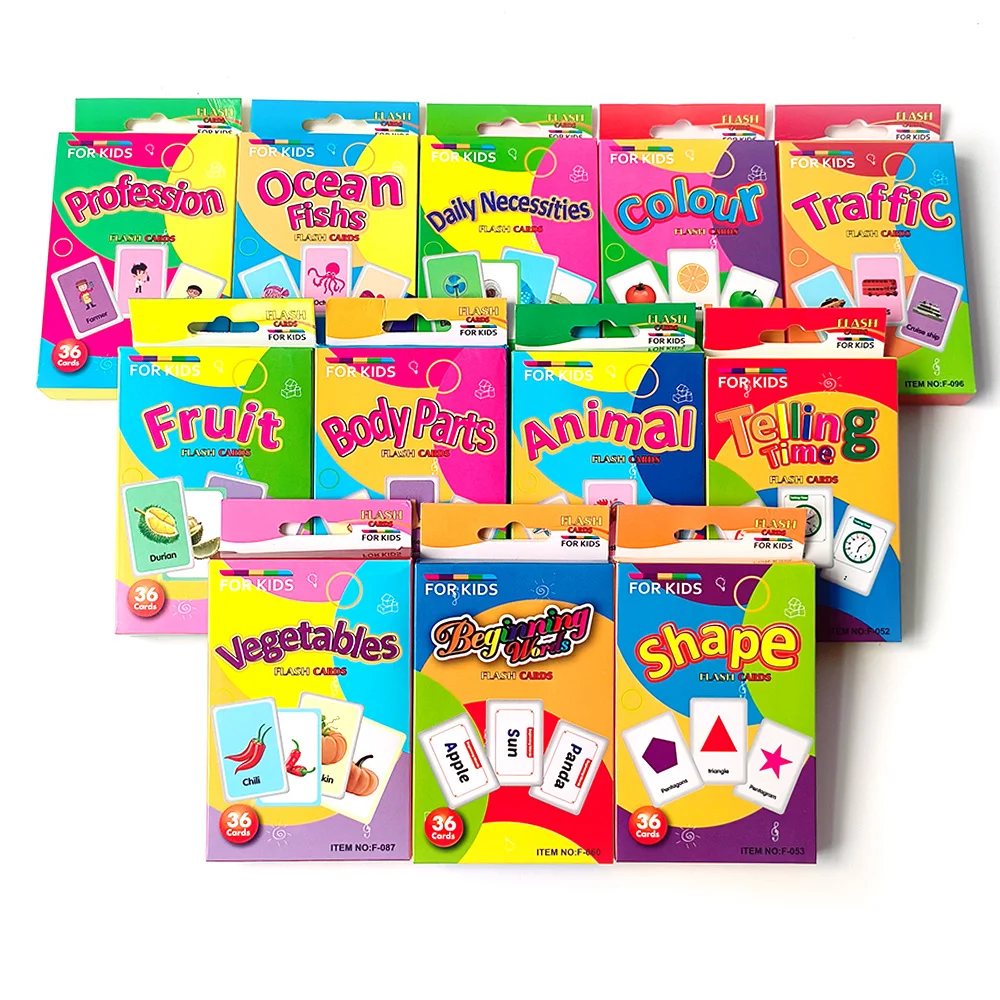
Cognitive cards have emerged as powerful educational tools that transform how children learn and develop essential cognitive skills. These specialized learning materials offer structured approaches to enhance memory, attention, language development, and problem-solving abilities in young learners. Educational professionals and therapists increasingly recognize the effectiveness of cognitive cards in supporting diverse learning needs, particularly in early intervention programs and special education settings. The systematic use of these cards creates engaging learning experiences that promote cognitive development while addressing individual learning challenges.
Understanding Cognitive Cards in Educational Settings
Definition and Core Components
Cognitive cards represent structured learning tools designed to stimulate various cognitive functions through visual, auditory, and tactile engagement. These educational resources typically feature images, symbols, words, or patterns that target specific cognitive domains such as memory, attention, executive functioning, and language processing. The design of cognitive cards follows evidence-based principles from cognitive psychology and educational neuroscience, ensuring maximum learning impact. Each card serves as a building block for cognitive development, presenting information in digestible formats that support gradual skill acquisition.
The effectiveness of cognitive cards lies in their ability to break down complex cognitive tasks into manageable components. This approach aligns with scaffolding principles, where learners gradually build competency through structured practice. Modern cognitive cards incorporate multi-sensory elements, combining visual imagery with tactile textures or audio components to accommodate different learning preferences. The systematic organization of these cards allows educators to create progressive learning sequences that match individual developmental levels and learning objectives.
Theoretical Foundations
The development of cognitive cards draws from established theories in cognitive psychology, including information processing theory and constructivist learning principles. These theoretical frameworks emphasize the importance of active engagement in learning processes, which cognitive cards facilitate through interactive activities. Research in neuroplasticity supports the use of repetitive, structured activities that promote neural pathway development, particularly during critical periods of brain development in early childhood.
Educational theorists like Vygotsky and Piaget have influenced the design principles behind effective cognitive cards. The concept of the zone of proximal development guides the creation of card sequences that challenge learners appropriately while providing necessary support. This theoretical foundation ensures that cognitive cards serve as effective mediating tools between current abilities and potential development, making them particularly valuable in educational intervention contexts.
Application Methods in Early Education Intervention
Systematic Implementation Strategies
Effective implementation of cognitive cards in early education requires systematic approaches that align with developmental milestones and learning objectives. Educators begin by conducting comprehensive assessments to identify specific cognitive strengths and areas for improvement in individual children. This assessment informs the selection of appropriate card sets and determines the optimal sequence for introducing new concepts. The implementation process typically follows a gradual release model, where educators provide extensive support initially, then gradually transfer responsibility to the child as competency develops.
The systematic use of cognitive cards involves establishing consistent routines and clear expectations for engagement. Educators create structured sessions that incorporate warm-up activities, focused practice with cognitive cards, and reflection periods to consolidate learning. These sessions are typically scheduled at optimal times when children demonstrate peak attention and engagement, maximizing the effectiveness of the intervention. Progress monitoring through systematic data collection ensures that implementation strategies remain responsive to individual learning needs and developmental changes.
Differentiation and Individualization
Early education intervention programs recognize the diverse needs of young learners, necessitating differentiated approaches to cognitive card implementation. Differentiation occurs across multiple dimensions, including content complexity, presentation modality, response requirements, and pacing. For children with emerging language skills, cognitive cards may emphasize visual-spatial elements, while those with stronger verbal abilities might engage with more language-rich card activities. The flexibility inherent in cognitive card systems allows educators to modify activities in real-time based on child responses and engagement levels.
Individualization extends beyond content differentiation to include consideration of cultural backgrounds, interests, and learning preferences. Effective cognitive cards programs incorporate culturally relevant imagery and concepts that resonate with children's lived experiences. This approach enhances engagement and promotes meaningful connections between new learning and existing knowledge schemas. Regular review and adjustment of individualized approaches ensure that cognitive cards interventions remain effective and relevant throughout the child's developmental journey.
Special Education Applications
Supporting Diverse Learning Needs
Special education settings present unique opportunities for cognitive cards implementation, as these environments typically serve children with identified learning differences or developmental delays. The structured nature of cognitive cards provides predictable learning experiences that can reduce anxiety and promote engagement among children who may struggle with traditional instructional methods. These tools are particularly effective for children with autism spectrum disorders, attention deficit hyperactivity disorder, intellectual disabilities, and specific learning disabilities.
The adaptability of cognitive cards makes them suitable for addressing diverse special education needs. For children with autism spectrum disorders, cognitive cards can support social communication development, emotional regulation, and executive functioning skills. The visual nature of these tools aligns well with the learning preferences often observed in this population. Children with intellectual disabilities benefit from the concrete, repetitive nature of cognitive card activities, which support skill acquisition and generalization across different contexts and environments.
Collaborative Implementation Models
Successful implementation of cognitive cards in special education requires collaboration among multiple stakeholders, including special education teachers, related service providers, families, and general education colleagues. This collaborative approach ensures that cognitive cards interventions align with individualized education program goals and complement other therapeutic interventions. Speech-language pathologists may incorporate cognitive cards into language therapy sessions, while occupational therapists might use them to support fine motor skill development and sensory processing.
The collaborative model extends to family involvement, where cognitive cards serve as bridge tools that connect school-based interventions with home practice opportunities. Families receive training on appropriate use of cognitive cards and strategies for incorporating these tools into daily routines. This home-school collaboration amplifies the impact of interventions and promotes skill generalization across different environments. Regular communication among team members ensures that cognitive cards implementation remains coordinated and effective across all settings.
Evidence-Based Practices and Outcomes
Research Supporting Effectiveness
Extensive research evidence supports the effectiveness of cognitive cards in promoting cognitive development and academic readiness in young children. Longitudinal studies demonstrate significant improvements in working memory, attention span, and executive functioning skills among children who participate in structured cognitive cards interventions. These improvements often transfer to academic performance, with participants showing enhanced reading readiness, mathematical reasoning, and social-emotional competencies compared to control groups receiving traditional instruction alone.
Meta-analyses of cognitive cards interventions reveal effect sizes that exceed typical educational interventions, particularly for children at risk for academic difficulties. The research indicates that cognitive cards are most effective when implemented with high fidelity, adequate dosage, and systematic progress monitoring. Studies also highlight the importance of professional development for educators, as implementation quality significantly impacts intervention outcomes. These research findings provide strong support for the inclusion of cognitive cards in evidence-based practice recommendations for early childhood education and special education.
Measurement and Assessment Strategies
Effective use of cognitive cards requires systematic measurement and assessment approaches that document progress and inform instructional decisions. Assessment strategies typically include pre- and post-intervention measures of cognitive functioning, ongoing progress monitoring during intervention implementation, and long-term follow-up evaluations. These assessments utilize both standardized measures and curriculum-based assessments that align directly with cognitive cards activities and learning objectives.
Progress monitoring systems for cognitive cards interventions often incorporate technology-enhanced data collection tools that streamline documentation and analysis processes. These systems allow educators to track multiple dimensions of performance, including accuracy, response time, independence level, and generalization across different card sets or contexts. Regular data analysis informs decisions about intervention intensity, content modifications, and transition planning. The systematic collection and analysis of assessment data ensure that cognitive cards interventions remain responsive to individual learning needs and developmental changes over time.
Implementation Considerations and Best Practices
Environmental and Contextual Factors
The physical and social environment significantly influences the effectiveness of cognitive cards interventions. Optimal learning environments minimize distractions while providing adequate lighting, comfortable seating, and organized storage for materials. The arrangement of space should facilitate both individual and small group activities, allowing for flexible implementation based on specific learning objectives and child preferences. Consider factors such as noise levels, visual clutter, and accessibility when designing spaces for cognitive cards implementation.
Social contextual factors include the establishment of positive relationships between educators and children, clear communication of expectations, and celebration of progress and effort. The emotional climate during cognitive cards activities should be supportive and encouraging, fostering intrinsic motivation and engagement. Peer interactions can enhance learning when structured appropriately, allowing children to learn from each other while maintaining focus on individual learning goals. These environmental and contextual considerations create optimal conditions for cognitive cards effectiveness.
Technology Integration and Digital Adaptations
Modern implementations of cognitive cards increasingly incorporate technology elements that enhance engagement and provide additional functionality. Digital cognitive cards platforms offer advantages such as adaptive difficulty adjustment, immediate feedback, detailed progress tracking, and multimedia presentations. These technological enhancements can increase motivation while providing educators with rich data about child performance and learning patterns. However, technology integration should complement rather than replace hands-on, tactile experiences that remain important for young learners.
Successful technology integration requires consideration of accessibility features, age-appropriate interfaces, and alignment with educational goals. Digital cognitive cards platforms should maintain the core principles of effective card-based interventions while leveraging technology to enhance rather than complicate the learning experience. Training for educators in technology use and troubleshooting ensures smooth implementation and maximum benefit from digital adaptations. The balance between traditional and digital approaches allows for comprehensive cognitive cards programs that meet diverse learner needs and preferences.
FAQ
How long should cognitive cards sessions last for young children
The duration of cognitive cards sessions varies based on child age, attention span, and developmental level. For preschool children aged 3-4 years, sessions typically last 10-15 minutes to maintain optimal engagement. Children aged 5-6 years can often participate in 15-20 minute sessions, while school-age children may engage effectively for 20-30 minutes. The key is monitoring individual responses and adjusting session length based on sustained attention and productive engagement rather than adhering to rigid time schedules.
What training do educators need to implement cognitive cards effectively
Effective implementation of cognitive cards requires comprehensive professional development that includes understanding of cognitive development theory, assessment techniques, intervention strategies, and progress monitoring procedures. Training should cover selection criteria for appropriate card sets, systematic implementation procedures, data collection methods, and strategies for individualizing interventions. Ongoing coaching and support enhance implementation quality and ensure sustained use of evidence-based practices. Many programs benefit from initial intensive training followed by regular consultation and feedback sessions.
How do cognitive cards support children with special needs differently than typical learners
Cognitive cards provide enhanced structure and predictability that particularly benefit children with special needs who may require additional support for learning and attention. The visual nature of these tools supports children with language processing difficulties, while the systematic progression helps children with intellectual disabilities master skills gradually. For children with autism spectrum disorders, cognitive cards can reduce anxiety through predictable routines while supporting communication and social skills development. The adaptability of cognitive cards allows for extensive customization to meet individual special education goals and accommodations.
Can cognitive cards be used effectively in group settings or only individually
Cognitive cards demonstrate effectiveness in both individual and group settings, with each format offering distinct advantages. Individual sessions allow for intensive, personalized instruction and detailed progress monitoring, making them ideal for addressing specific skill deficits or providing intensive intervention. Group settings promote peer learning, social skill development, and collaborative problem-solving while maintaining focus on cognitive skill development. Many successful programs incorporate both individual and group sessions, using individual time for targeted skill building and group time for practice and generalization of learned skills.
Table of Contents
- Understanding Cognitive Cards in Educational Settings
- Application Methods in Early Education Intervention
- Special Education Applications
- Evidence-Based Practices and Outcomes
- Implementation Considerations and Best Practices
-
FAQ
- How long should cognitive cards sessions last for young children
- What training do educators need to implement cognitive cards effectively
- How do cognitive cards support children with special needs differently than typical learners
- Can cognitive cards be used effectively in group settings or only individually