Professional Paperback Novel Printing Services - Quality Book Manufacturing Solutions

Get a Free Quote

Our representative will contact you soon.
Email
Name
Company Name
Message
0/1000

paperback novel printing

Paperback novel printing represents a sophisticated publishing solution that transforms digital manuscripts into professionally bound books using cost-effective production methods. This printing process utilizes advanced offset lithography and digital printing technologies to produce high-quality literary works with flexible covers, making books accessible to broader audiences. The paperback novel printing industry serves publishers, independent authors, and literary organizations by offering scalable production runs from small batches to large commercial quantities. Modern paperback novel printing facilities employ state-of-the-art equipment including web-fed presses, perfect binding machines, and computerized color management systems that ensure consistent quality across entire print runs. The technological features of paperback novel printing include precise registration systems that maintain text alignment, automated cutting mechanisms for uniform page sizing, and specialized adhesive applications that create durable spine binding. Quality control measures integrated into paperback novel printing processes include real-time monitoring of ink density, paper feeding accuracy, and binding strength testing. The applications of paperback novel printing extend across multiple sectors including commercial publishing houses, academic institutions, self-publishing platforms, and promotional marketing campaigns. Environmental considerations in paperback novel printing have led to sustainable practices including recycled paper usage, vegetable-based inks, and energy-efficient machinery that reduces carbon footprints while maintaining production efficiency. The flexibility of paperback novel printing allows for customization options such as variable cover designs, multiple paper grades, and specialized finishing techniques including embossing, foil stamping, and UV coating applications that enhance visual appeal and durability.

New Product Releases

Paperback novel printing offers exceptional cost-effectiveness compared to hardcover alternatives, enabling publishers and authors to reach wider markets while maintaining healthy profit margins. The reduced material costs associated with paperback novel printing stem from lighter-weight paper stocks and flexible cover materials that require fewer resources during manufacturing processes. Publishers benefit from faster turnaround times in paperback novel printing operations, as streamlined production workflows eliminate complex hardcover assembly procedures and reduce overall manufacturing timeframes. The portability advantages of paperback novel printing cannot be overstated, as lighter book weights facilitate easier transportation, lower shipping costs, and improved reader convenience for travel and daily commuting. Inventory management becomes significantly more efficient with paperback novel printing, as smaller storage footprints allow publishers to maintain larger stock quantities in limited warehouse spaces while reducing handling expenses. Market accessibility expands dramatically through paperback novel printing strategies, as lower retail prices attract budget-conscious consumers and increase impulse purchase opportunities in bookstores and online platforms. The reprinting flexibility inherent in paperback novel printing processes allows publishers to respond quickly to market demand fluctuations, seasonal trends, and unexpected bestseller situations without substantial financial commitments. Distribution networks favor paperback novel printing products due to standardized dimensions that optimize shipping container utilization and reduce transportation costs across global supply chains. Retail establishments prefer paperback novel printing inventory because of improved shelf space efficiency, reduced theft risks due to lower individual item values, and faster stock rotation capabilities. Independent authors particularly benefit from paperback novel printing accessibility, as lower minimum order quantities and reduced upfront investments make self-publishing ventures financially viable for emerging writers. The durability of modern paperback novel printing techniques ensures adequate longevity for typical reading purposes while maintaining cost advantages over premium binding alternatives. Environmental benefits associated with paperback novel printing include reduced raw material consumption, lower energy requirements during production, and improved recyclability at end-of-life disposal stages.

Latest News

Europrice, a Well-Known European Brand in Children's Cognitive Education, Visits Shunhong to Launch a New Journey of In-Depth Cooperation

24

Nov

Europrice, a Well-Known European Brand in Children's Cognitive Education, Visits Shunhong to Launch a New Journey of In-Depth Cooperation

View More
Strengthen Quality Control and Consolidate Production Precision - Shunhong Company Holds Special Conference on Printing Quality Inspection

24

Nov

Strengthen Quality Control and Consolidate Production Precision - Shunhong Company Holds Special Conference on Printing Quality Inspection

View More
Intelligent Transformation Empowers Efficiency and Innovates Printing Production - Shunhong Company Promotes Intelligent Upgrading of Printing Production System

24

Nov

Intelligent Transformation Empowers Efficiency and Innovates Printing Production - Shunhong Company Promotes Intelligent Upgrading of Printing Production System

View More

Get a Free Quote

Our representative will contact you soon.
Email
Name
Company Name
Message
0/1000

paperback novel printing

Advanced Perfect Binding Technology

Advanced Perfect Binding Technology

The perfect binding technology employed in paperback novel printing represents a revolutionary advancement that creates strong, durable book spines while maintaining cost efficiency and production speed. This sophisticated binding method involves precisely milling the spine edge of collected signatures to create a roughened surface that maximizes adhesive penetration and bonding strength. Modern paperback novel printing facilities utilize computer-controlled perfect binding machines that apply heated polyurethane reactive adhesives in precise quantities, ensuring optimal coverage without waste or excess that could compromise binding integrity. The temperature control systems in contemporary paperback novel printing operations maintain adhesive viscosity within narrow parameters, preventing cold joints that could lead to page separation while avoiding overheating that might damage paper fibers or create brittle bonds. Quality assurance protocols integrated into paperback novel printing perfect binding processes include automated spine thickness monitoring, adhesive application verification, and pull-test sampling that validates binding strength before books proceed to trimming operations. The flexibility of perfect binding technology in paperback novel printing allows for accommodation of varying page counts, from slim novellas to extensive epic novels, without requiring equipment adjustments or specialized tooling modifications. Advanced paperback novel printing perfect binding systems incorporate waste reduction features including adhesive recycling capabilities and precise trimming that minimizes material loss while maintaining consistent finished dimensions. The spine scoring capabilities available in modern paperback novel printing perfect binding equipment create controlled flex points that improve book opening characteristics and reduce stress on binding adhesives during repeated use. Environmental considerations in paperback novel printing perfect binding include the utilization of water-based adhesives that eliminate harmful solvent emissions while maintaining superior bonding performance and recyclability characteristics. The automation level achieved in contemporary paperback novel printing perfect binding operations significantly reduces labor requirements while improving consistency and eliminating human error factors that could compromise binding quality or production efficiency.
High-Speed Digital Integration

High-Speed Digital Integration

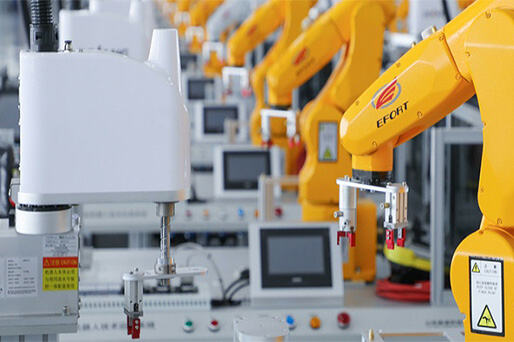
The integration of high-speed digital printing technology within paperback novel printing operations has revolutionized the publishing industry by enabling on-demand production capabilities, variable data printing, and rapid prototype development. Digital paperback novel printing systems utilize advanced inkjet or electrophotographic technologies that deliver print quality comparable to traditional offset methods while offering unprecedented flexibility in run lengths and customization options. The variable data capabilities inherent in digital paperback novel printing allow publishers to create personalized editions, regional variations, and targeted marketing materials without the setup costs and minimum quantities traditionally associated with conventional printing methods. Color management systems integrated into digital paperback novel printing workflows ensure consistent color reproduction across multiple print runs and different production facilities, maintaining brand integrity and reader expectations regardless of production location or timing. The file-to-print workflow optimization in modern digital paperback novel printing operations eliminates traditional prepress bottlenecks, allowing manuscripts to proceed from final editing to finished books within dramatically compressed timeframes that support rapid market response strategies. Quality control automation in digital paperback novel printing includes real-time image inspection systems that detect and correct print defects instantaneously, ensuring every copy meets established quality standards without manual intervention or production delays. The scalability advantages of digital paperback novel printing technology enable economical production of small print runs for niche markets, test editions, and specialized distributions that would be financially prohibitive using traditional offset printing methods. Network connectivity features in contemporary digital paperback novel printing systems facilitate remote job submission, production monitoring, and quality verification, enabling distributed publishing operations and improved supply chain coordination. The environmental benefits of digital paperback novel printing include elimination of chemical processing, reduced waste generation through precise print quantity control, and lower energy consumption compared to conventional printing press operations. Maintenance efficiency in digital paperback novel printing systems results from simplified mechanical designs, predictive maintenance capabilities, and remote diagnostic features that minimize downtime while optimizing production scheduling and resource utilization.
Sustainable Production Methods

Sustainable Production Methods

Sustainable production methods in paperback novel printing have evolved to address environmental concerns while maintaining economic viability and product quality standards demanded by publishers and consumers alike. The implementation of Forest Stewardship Council certified paper sources in paperback novel printing operations ensures responsible forest management practices while providing authors and publishers with environmentally conscious material options that appeal to eco-minded readers. Advanced recycling programs integrated into paperback novel printing facilities recover and reprocess waste materials including paper trimmings, defective copies, and obsolete inventory, converting potential waste streams into valuable raw materials for future production cycles. Energy efficiency initiatives within paperback novel printing operations include LED lighting systems, variable frequency motor drives, and heat recovery systems that significantly reduce power consumption while maintaining optimal production environments and equipment performance. The adoption of vegetable-based and soy-derived inks in paperback novel printing processes eliminates petroleum-based components while providing superior color reproduction, reduced volatile organic compound emissions, and improved recyclability characteristics for finished products. Water conservation strategies implemented in paperback novel printing facilities include closed-loop cooling systems, automated chemical mixing that minimizes waste, and advanced filtration technologies that enable water reuse throughout production processes. Carbon footprint reduction in paperback novel printing operations results from optimized logistics planning, local supplier sourcing strategies, and transportation efficiency improvements that minimize environmental impact while supporting regional economic development. Waste reduction protocols in paperback novel printing encompass lean manufacturing principles, predictive maintenance programs that prevent material waste due to equipment failures, and just-in-time inventory management that reduces obsolescence and storage requirements. The development of biodegradable packaging materials for paperback novel printing shipments demonstrates industry commitment to sustainability throughout the entire product lifecycle, from manufacturing through distribution to end-user disposal. Chemical management improvements in paperback novel printing include the elimination of heavy metals from ink formulations, reduced solvent usage through advanced cleaning systems, and safer alternatives to traditional processing chemicals that protect worker health and environmental quality. Life cycle assessment methodologies applied to paperback novel printing operations provide quantitative measures of environmental impact, enabling continuous improvement initiatives and supporting publisher sustainability reporting requirements while maintaining competitive production costs and delivery schedules.
Professional Paperback Novel Printing Services - Quality Book Manufacturing Solutions

Get a Free Quote

Our representative will contact you soon.
Email
Name
Company Name
Message
0/1000