baby book printing
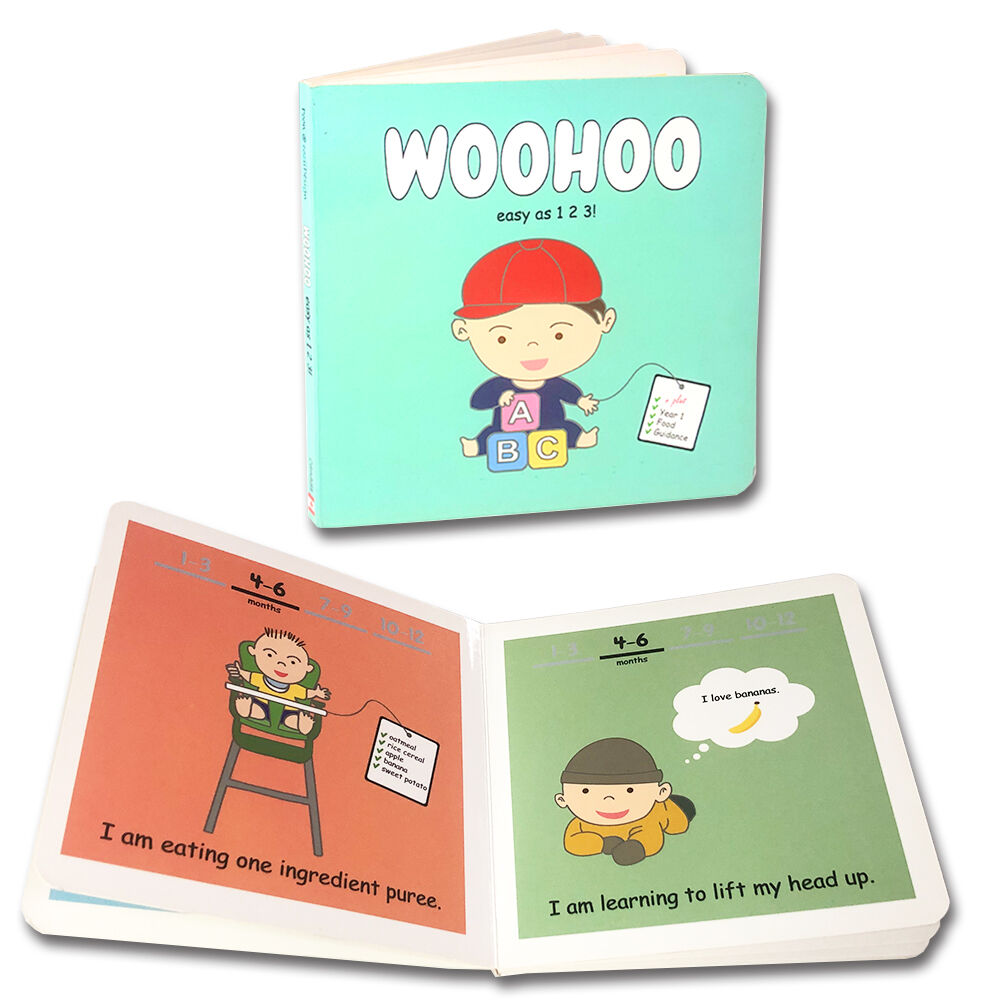
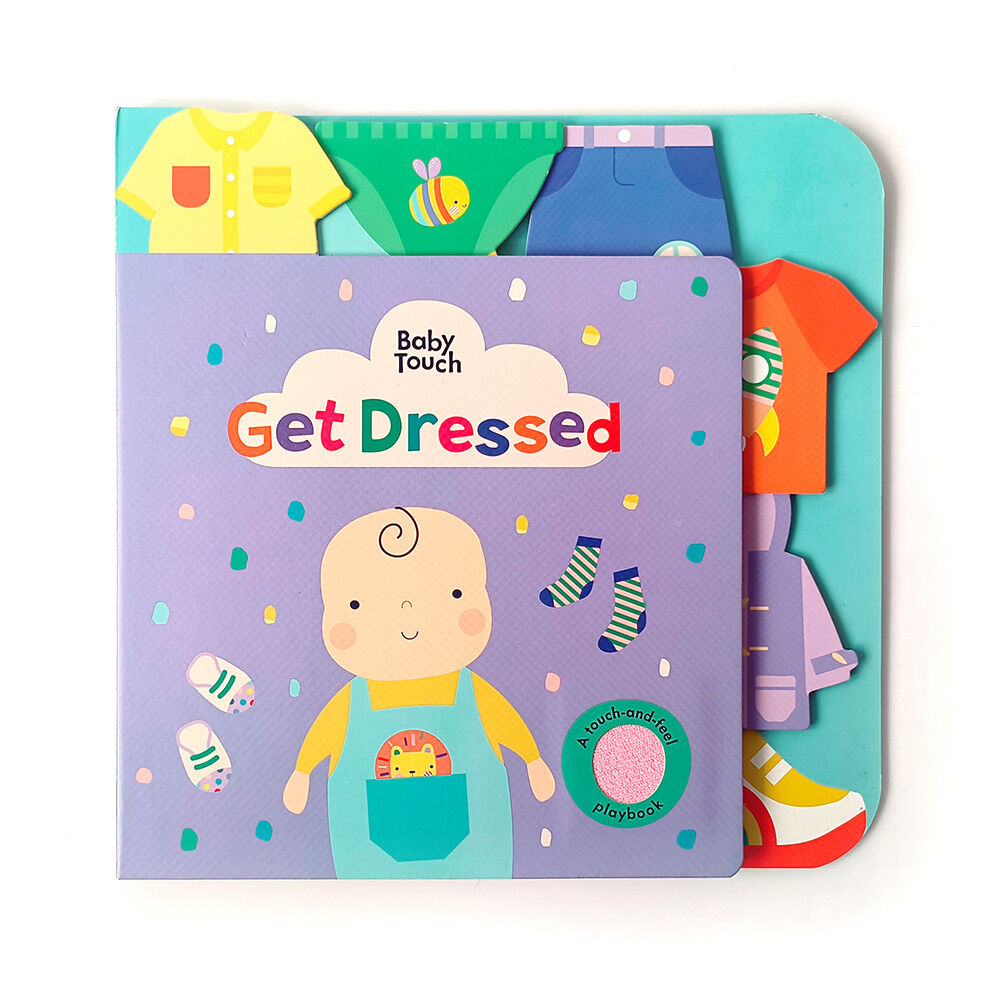
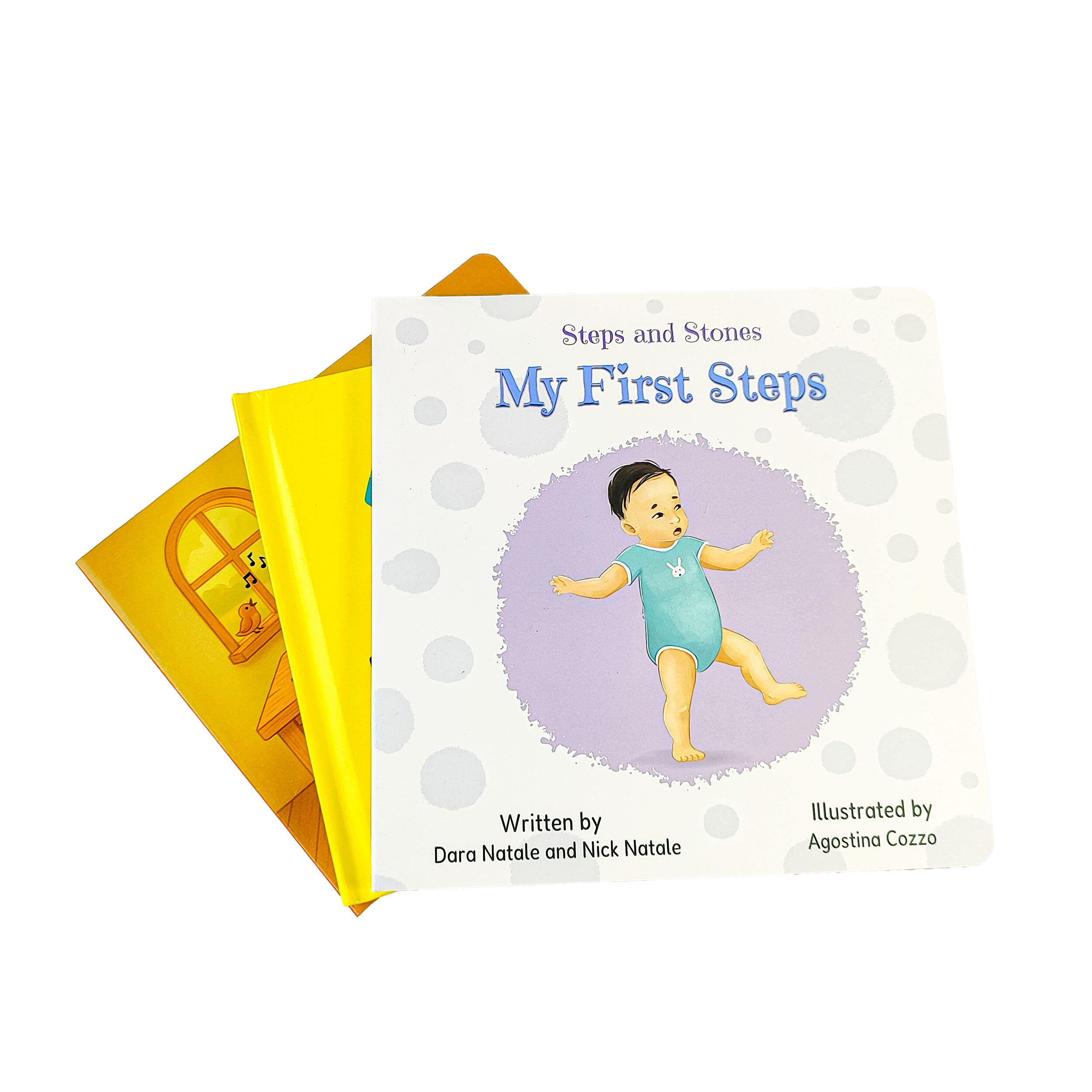
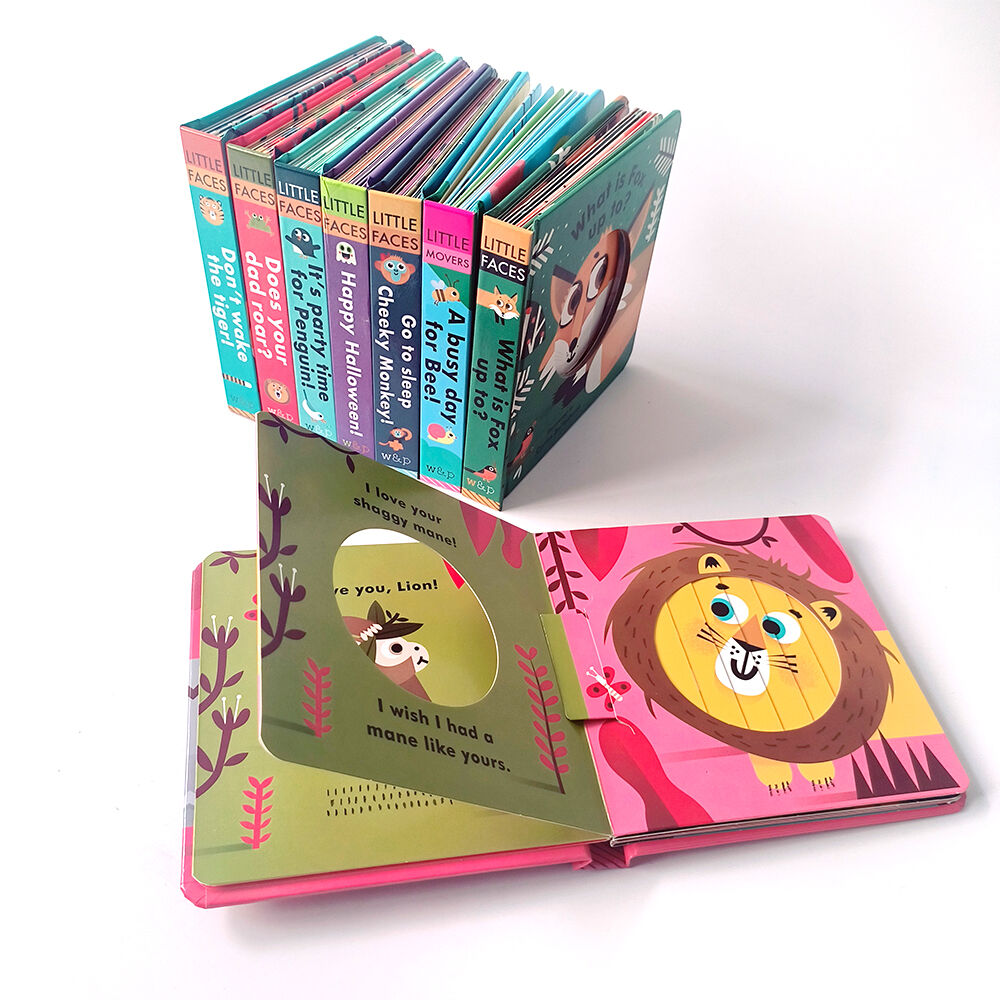
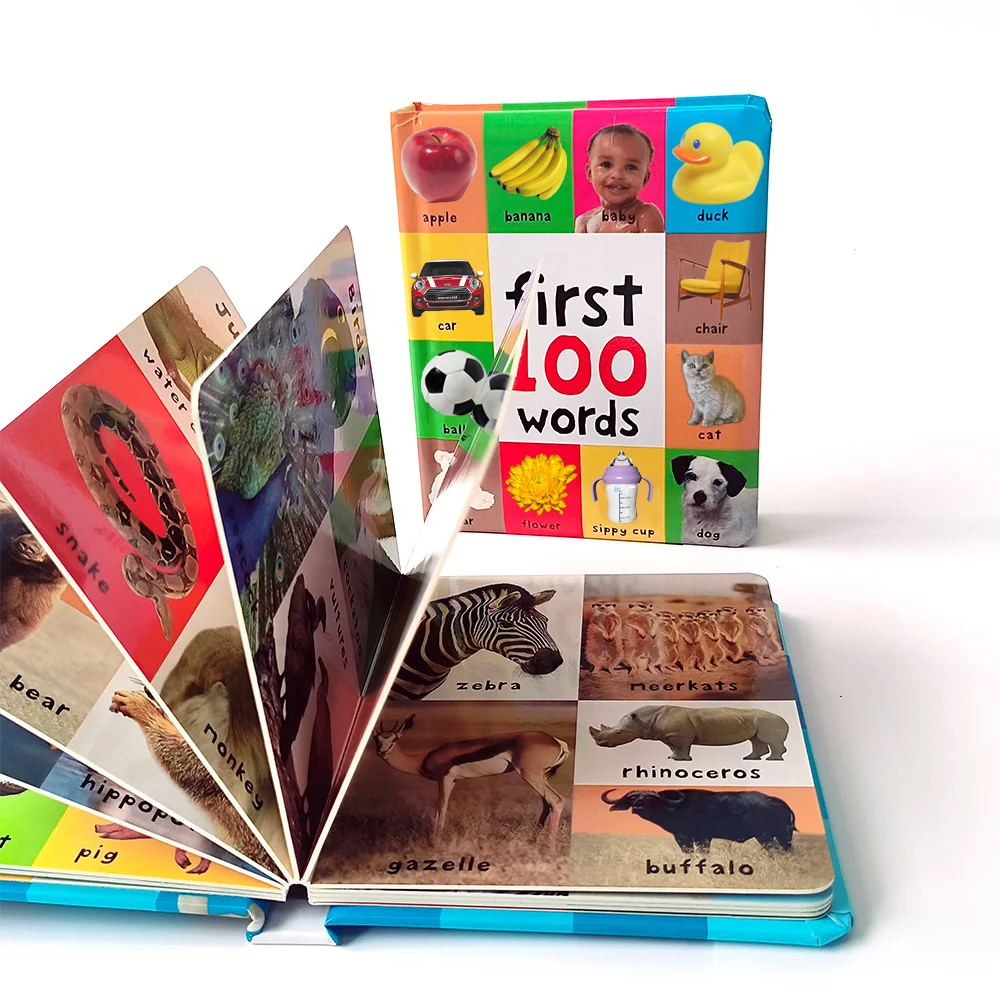
Baby book printing represents a specialized segment of the publishing industry that focuses on creating personalized, high-quality printed materials designed specifically for infants and young children. This innovative printing service combines advanced digital printing technologies with child-safe materials to produce durable, engaging books that can withstand the unique demands of young readers. The main functions of baby book printing encompass producing board books, soft fabric books, interactive touch-and-feel volumes, and personalized photo albums that chronicle important milestones in a child's early development. Modern baby book printing utilizes cutting-edge digital printing equipment capable of handling various substrate materials including thick cardboard, non-toxic fabrics, and specially treated papers that meet stringent safety standards for children's products. The technological features include UV-resistant inks that prevent fading, water-based printing solutions that eliminate harmful chemicals, and specialized binding techniques that ensure pages remain securely attached even under rough handling. Advanced color management systems guarantee vibrant, accurate color reproduction that captures the attention of young minds while maintaining visual appeal over extended use. Applications of baby book printing extend beyond simple entertainment, serving educational purposes through alphabet books, counting guides, and sensory development materials. Parents frequently commission custom baby book printing services to create unique keepsakes featuring family photos, personalized stories, and milestone documentation. Childcare centers, pediatric offices, and educational institutions also rely on professional baby book printing to produce specialized learning materials tailored to early childhood development needs. The printing process incorporates safety testing protocols to ensure all materials meet international toy safety standards, making these products suitable for children who explore the world through touch and taste. Quality control measures include rounded corner cutting to prevent injury, non-toxic lamination processes, and durability testing to guarantee longevity under typical usage conditions.
 EN
EN