 EN
EN

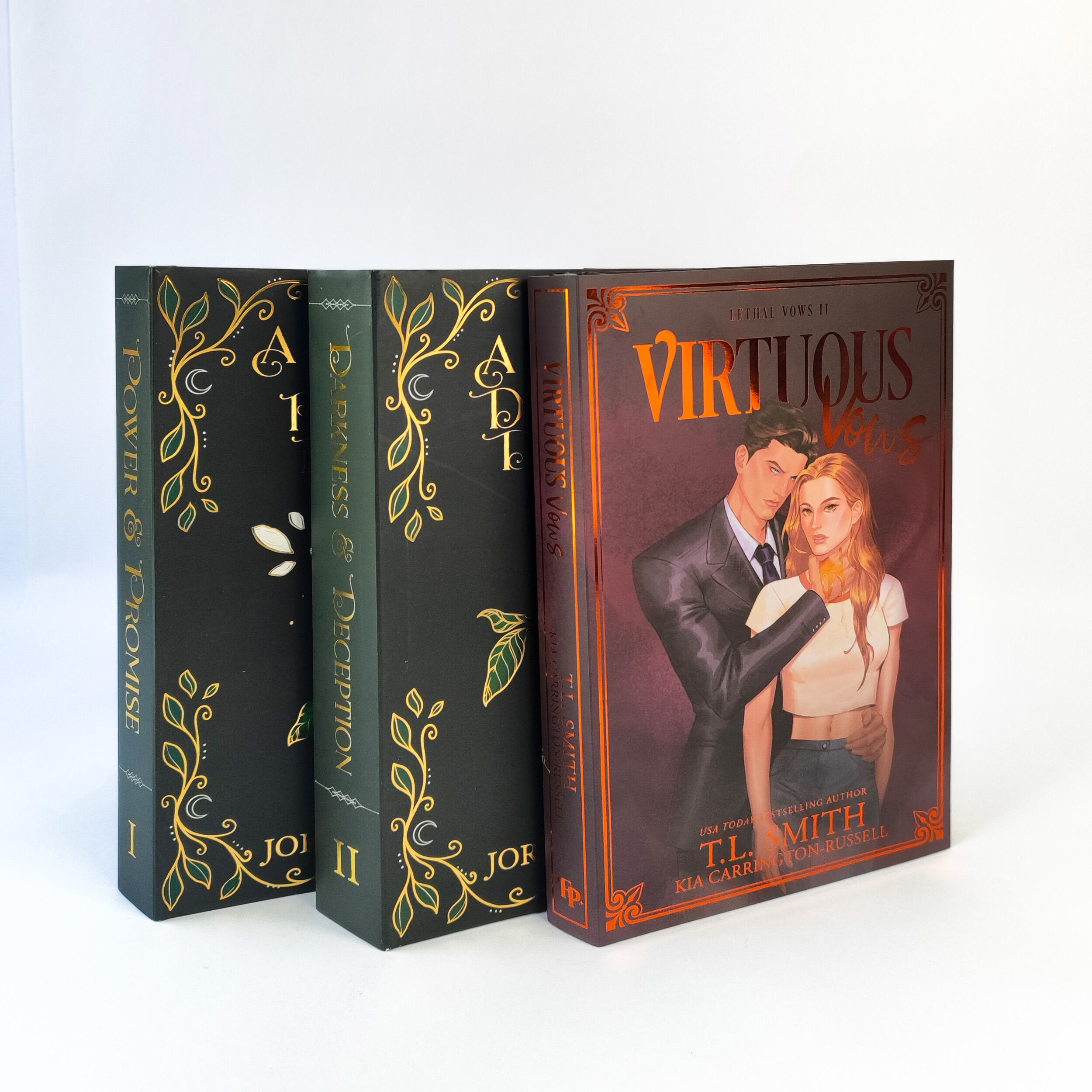
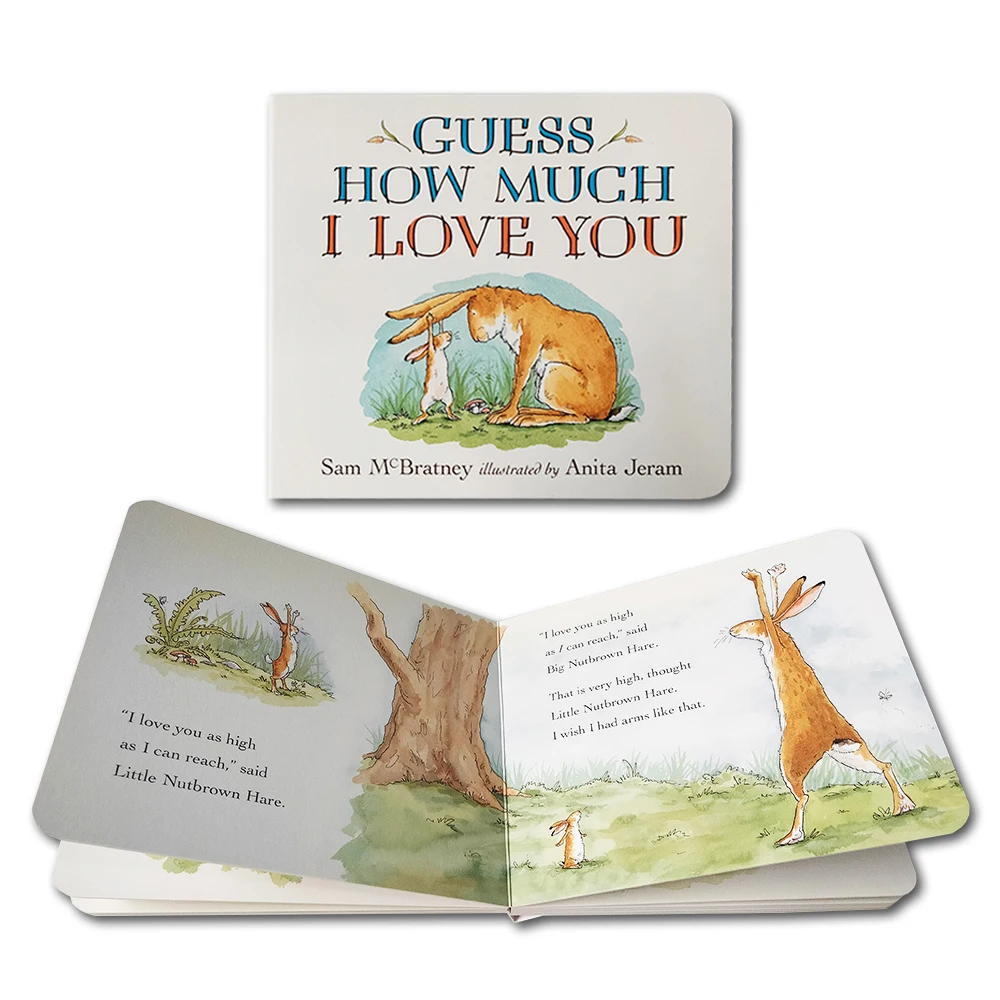
The world of children's publishing has evolved dramatically in recent years, with innovative printing techniques transforming traditional storytelling into immersive sensory experiences. Modern interactive children's books incorporate cutting-edge technologies and creative approaches that engage young readers on multiple levels, making reading more enjoyable and memorable. These enhanced publications utilize specialized printing methods that stimulate various senses, creating magical moments that capture children's imagination and foster a lifelong love of reading.
Revolutionary Glow-in-the-Dark Printing Technologies
Phosphorescent Ink Applications in Children's Literature
Glow-in-the-dark printing represents one of the most captivating special techniques used in interactive children's books today. This technology employs phosphorescent pigments that absorb light energy during the day and emit it slowly in darkness, creating magical visual effects that transform bedtime stories into enchanting adventures. Publishers utilize zinc sulfide-based compounds or newer strontium aluminate materials to achieve long-lasting luminescence that can glow for hours after light exposure.
The application process involves mixing photoluminescent particles with specialized inks that maintain their charging and glowing properties through multiple print cycles. These inks work exceptionally well on darker backgrounds, creating striking contrasts that highlight specific story elements like stars, moon phases, or mysterious characters. Modern interactive children's books featuring glow-in-the-dark elements often incorporate educational content about astronomy, nocturnal animals, or bedtime routines, making learning both fun and memorable.
Implementation Techniques for Maximum Visual Impact
Successful implementation of glow-in-the-dark printing requires careful consideration of paper selection, ink formulation, and design integration. Publishers typically choose heavier paper stocks that can support the additional ink layers without bleeding or warping. The printing process often involves UV-spot coating applications that protect the phosphorescent elements while maintaining their light-absorbing capabilities.
Design teams strategically place glowing elements to enhance narrative flow and create surprise moments throughout the reading experience. Interactive children's books might feature glowing footprints that lead readers through a story, luminescent magical objects that appear only in darkness, or constellation patterns that teach basic astronomy concepts. These applications transform passive reading into active exploration, encouraging children to interact with books in new and exciting ways.
Aromatic Printing and Scented Book Technologies
Microencapsulation Scent Release Systems
Scented printing technology adds an entirely new dimension to interactive children's books by incorporating carefully selected fragrances that complement storylines and enhance emotional connections to characters and settings. This technique utilizes microencapsulation technology, where aromatic compounds are enclosed in tiny polymer spheres that release fragrance when touched or scratched. The microcapsules measure between 3-50 microns in diameter, ensuring even distribution across printed surfaces while maintaining scent integrity over extended periods.
Publishers work with specialized fragrance companies to develop child-safe, non-toxic scents that align with story themes and age-appropriate preferences. Popular applications include fruit scents for books about healthy eating, floral fragrances for garden adventures, or ocean breezes for underwater tales. The encapsulation process protects volatile aromatic compounds from evaporation while allowing controlled release through mechanical pressure, making interactive children's books truly multisensory experiences.
Safety Standards and Age-Appropriate Fragrance Selection
Safety considerations play a crucial role in scented book production, with manufacturers adhering to strict guidelines established by toy safety organizations and children's product regulatory bodies. All fragrances used in interactive children's books must pass comprehensive safety testing, including skin sensitivity assessments, inhalation safety evaluations, and long-term stability studies. Publishers typically avoid allergens, synthetic musks, and any compounds that might trigger respiratory sensitivities in young readers.
The selection process involves choosing natural or nature-identical scents that are both appealing and educationally relevant. For instance, books about baking might incorporate vanilla or cinnamon scents, while stories about nature could feature pine, grass, or flower fragrances. Quality control measures ensure consistent scent delivery throughout the book's lifespan, typically maintaining aromatic properties for 12-18 months under normal usage conditions.
Tactile Enhancement Technologies for Sensory Learning
Textured Printing and Raised Surface Applications
Tactile enhancement represents another revolutionary approach in creating engaging interactive children's books that appeal to young readers' natural inclination to touch and explore. Textured printing techniques utilize specialized UV-curable inks and raised varnishes to create three-dimensional surface effects that simulate various materials and textures. These applications might replicate the roughness of tree bark, the smoothness of water, or the fluffiness of animal fur, allowing children to literally feel their way through stories.
Advanced printing methods include thermographic printing, which uses heat-activated powders to create raised surfaces, and digital embossing technologies that precisely control texture depth and pattern complexity. Publishers often combine these techniques with educational content, creating books where children can feel the difference between smooth river stones and rough mountain surfaces, or distinguish between various fabric textures in fashion-themed stories. This tactile approach particularly benefits children with visual impairments or those who learn best through kinesthetic experiences.
Multi-Layered Sensory Integration Strategies
Modern interactive children's books often combine multiple tactile enhancement techniques to create comprehensive sensory experiences that support various learning styles and developmental needs. Publishers integrate raised printing with heat-sensitive inks that change color when touched, creating dynamic interactions that respond to body temperature. These interactive children's books might feature characters whose clothing changes color when young readers place their hands on the pages, or weather patterns that shift appearance based on touch interaction.
Surface texture combinations can include smooth-to-rough gradients that teach about natural processes like erosion or growth, or alternating texture patterns that support early mathematical concepts like sequence recognition and pattern completion. These sophisticated applications require careful coordination between design teams, printing specialists, and child development experts to ensure that tactile elements truly enhance rather than distract from core educational objectives.
Digital Integration and Smart Printing Technologies
Augmented Reality Compatibility Features
Contemporary interactive children's books increasingly incorporate digital integration elements that bridge physical and virtual reading experiences through smart printing technologies. Augmented reality compatibility requires specialized printing techniques that embed digital triggers within traditional print layouts, allowing smartphones or tablets to recognize specific page elements and overlay digital content. These markers typically utilize invisible UV-fluorescent inks or subtle geometric patterns that remain unobtrusive to traditional readers while serving as activation points for digital experiences.
Publishers collaborate with app developers to create synchronized digital content that enhances rather than replaces traditional reading experiences. Interactive children's books might feature printed characters that come to life through augmented reality, pronunciation guides for challenging words, or additional story content that appears only through digital viewing. This hybrid approach appeals to tech-savvy children while maintaining the fundamental benefits of physical book interaction, including improved focus and reduced screen dependency.
QR Code Integration and Interactive Web Connections
Quick Response codes represent another innovative printing technique that transforms static pages into gateways for extended learning experiences. Modern interactive children's books strategically place QR codes that link to audio narrations, educational games, or supplementary content that expands story themes. Printing these codes requires careful attention to size, contrast, and positioning to ensure reliable scanning while maintaining aesthetic appeal.
Publishers often customize QR code designs by incorporating story-relevant graphics or colors that blend seamlessly with page layouts, making technology integration feel natural rather than intrusive. These codes might connect to author read-aloud sessions, character song performances, or educational activities that reinforce learning objectives. The printing process ensures QR codes remain scannable even after repeated handling, using durable inks and protective coatings that withstand typical children's book usage patterns.
Color-Changing and Temperature-Responsive Printing
Thermochromic Ink Applications in Children's Publishing
Thermochromic printing technology creates fascinating interactive experiences in children's books by utilizing specialized inks that change color in response to temperature variations. These temperature-sensitive materials typically respond to body heat, revealing hidden images, text, or story elements when young readers place their hands on specific page areas. The underlying chemistry involves leuco dyes combined with developer compounds that undergo reversible color transitions based on thermal energy levels.
Interactive children's books featuring thermochromic elements often incorporate educational themes related to weather, seasons, or scientific concepts that benefit from visual demonstration. For example, winter-themed stories might show snow melting to reveal spring flowers underneath, or cooking-related tales could demonstrate how ingredients change appearance when heated. The printing process requires precise temperature calibration to ensure color changes occur at safe, comfortable temperatures that correspond to typical human body heat levels.
Photochromic Technologies for Light-Responsive Effects
Photochromic printing represents another cutting-edge technology that enables interactive children's books to respond dynamically to light exposure, creating engaging visual effects that encourage outdoor reading and exploration. These specialized inks contain molecules that undergo structural changes when exposed to ultraviolet radiation, typically transitioning from colorless to vibrant hues or shifting between different color states entirely.
Applications might include books about sun safety where protective clothing appears only in sunlight, stories about day and night cycles that demonstrate lighting changes, or nature-themed tales where flowers bloom in response to natural light exposure. The printing technology requires careful UV ink formulation and protective measures to ensure consistent performance while maintaining child safety standards. Interactive children's books utilizing photochromic elements often encourage outdoor reading activities, combining literacy development with physical activity and environmental awareness.
Advanced Binding and Structural Innovations
Pop-Up and Mechanical Movement Integration
Advanced binding techniques enable interactive children's books to incorporate sophisticated mechanical elements that create three-dimensional storytelling experiences through carefully engineered paper constructions. Modern pop-up technologies go far beyond simple fold-out designs, utilizing complex mathematical principles and precision cutting techniques to create intricate moving parts, rotating elements, and multi-layered visual effects that unfold as children turn pages.
These mechanical systems often integrate with other special printing techniques, creating books where glow-in-the-dark elements emerge from pop-up structures, or scented components are revealed through mechanical interactions. Publishers work with specialized paper engineers who understand both traditional bookbinding methods and innovative construction techniques that withstand repeated handling by young readers. The result is interactive children's books that function as both literature and kinetic sculpture, engaging multiple learning modalities simultaneously.
Magnetic and Electronic Component Integration
Contemporary interactive children's books increasingly incorporate magnetic elements and simple electronic components that add dynamic functionality without compromising safety or durability. Magnetic printing involves embedding thin magnetic strips or patches within page layouts, enabling removable story elements, character positioning activities, or puzzle components that stick to designated areas throughout the book.
Electronic integration might include LED elements powered by thin, flexible batteries that illuminate specific story moments, or simple sound modules activated by touch or motion sensors. These technologies require specialized printing and binding techniques that protect electronic components while maintaining book flexibility and child safety standards. Interactive children's books featuring electronic elements often focus on STEM education, introducing young readers to basic technology concepts through hands-on exploration and discovery.
FAQ
How safe are special printing techniques for young children
Special printing techniques used in interactive children's books undergo rigorous safety testing to meet international toy safety standards and children's product regulations. All materials, including glow-in-the-dark pigments, scented microcapsules, and color-changing inks, must pass comprehensive toxicity assessments, skin sensitivity testing, and inhalation safety evaluations. Manufacturers work closely with pediatric safety experts and regulatory bodies to ensure all components are non-toxic, hypoallergenic, and appropriate for the intended age groups. Regular quality control testing throughout production maintains these safety standards consistently.
Do these special printing effects fade over time
The longevity of special printing effects varies depending on the specific technology and usage conditions, but most interactive children's books maintain their enhanced features for 12-18 months under normal reading conditions. Glow-in-the-dark elements typically retain their luminescent properties indefinitely with proper light exposure, while scented components gradually diminish in intensity over time. Color-changing inks maintain their responsiveness for several years when protected from extreme temperatures and excessive UV exposure. Publishers often provide care instructions to help families maximize the lifespan of these special features.
Are interactive children's books more expensive than traditional books
Interactive children's books featuring special printing techniques typically cost 20-50% more than traditional printed books due to specialized materials, complex production processes, and additional quality control requirements. However, many parents and educators find this investment worthwhile considering the enhanced educational value, increased engagement levels, and extended usage duration that these books provide. The multisensory experiences often justify the additional cost by creating more memorable learning opportunities and encouraging repeated reading sessions.
Can these printing techniques be combined in a single book
Yes, modern interactive children's books frequently combine multiple special printing techniques to create comprehensive multisensory experiences that engage various learning styles simultaneously. Publishers carefully coordinate different technologies to ensure they complement rather than compete with each other, creating harmonious reading experiences that support educational objectives. Common combinations include glow-in-the-dark elements with textured surfaces, scented areas with color-changing features, or tactile components integrated with digital connectivity options. The key is thoughtful integration that enhances rather than overwhelms the core storytelling experience.
Table of Contents
- Revolutionary Glow-in-the-Dark Printing Technologies
- Aromatic Printing and Scented Book Technologies
- Tactile Enhancement Technologies for Sensory Learning
- Digital Integration and Smart Printing Technologies
- Color-Changing and Temperature-Responsive Printing
- Advanced Binding and Structural Innovations
- FAQ