 EN
EN


The publishing industry places paramount importance on ensuring that baby books meet rigorous safety standards before reaching young readers. Baby book safety tests encompass comprehensive evaluations of physical structure, durability, and material composition to protect infants and toddlers during their crucial developmental stages. These assessments examine every aspect of a book's construction, from corner treatment and binding strength to page thickness and coating materials.
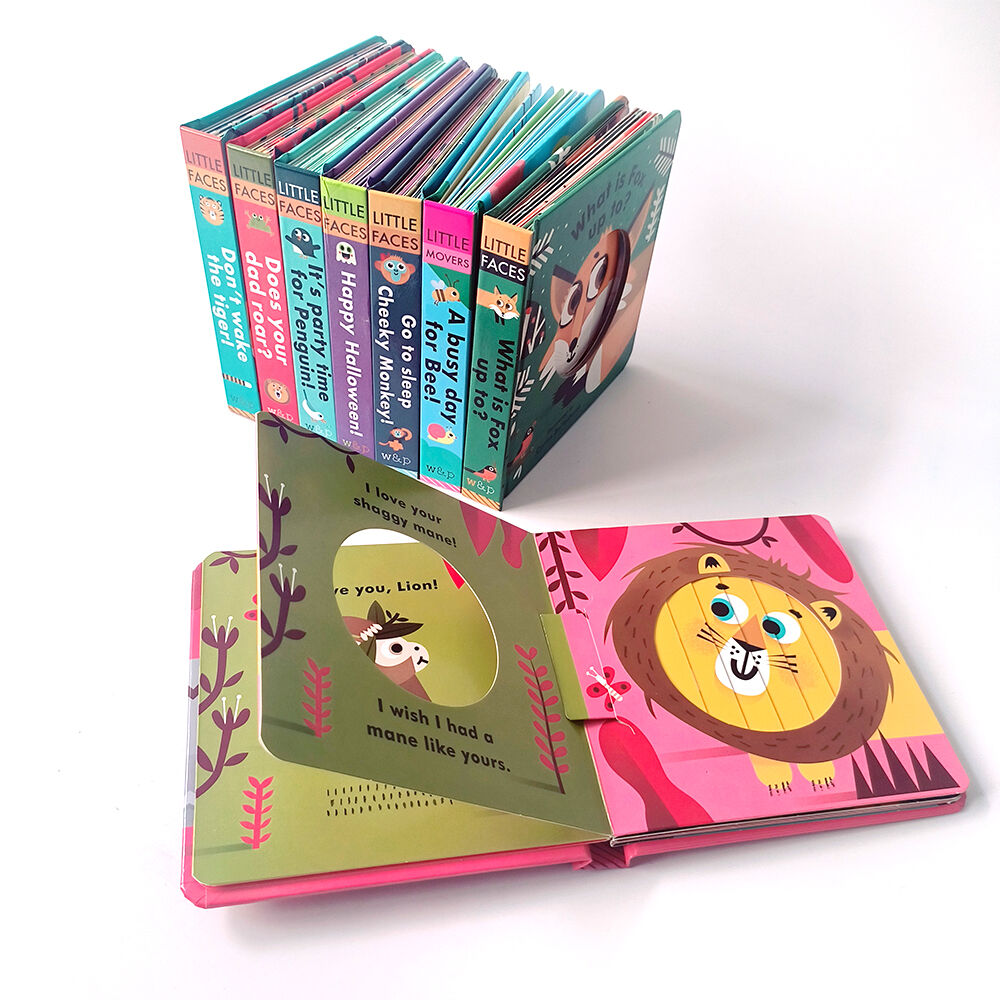
Manufacturing standards for children's literature have evolved significantly over the past decades, driven by increased awareness of child safety and regulatory requirements. Publishers must navigate complex testing protocols that evaluate mechanical hazards, chemical composition, and age-appropriate design elements. The testing process involves multiple stages of examination, each designed to identify potential risks that could harm curious young readers who naturally explore books through touch, taste, and manipulation.
Structural Integrity Testing Requirements
Durability Assessment Protocols
Structural integrity testing forms the foundation of baby book safety tests, evaluating how well books withstand typical infant handling patterns. Testing laboratories subject books to repetitive stress tests that simulate months of use by energetic toddlers. These evaluations include drop tests from various heights, compression assessments, and flexural strength measurements that determine whether bindings will separate under normal use conditions.
The durability assessment process examines page attachment methods, spine construction, and overall book cohesion through standardized mechanical testing equipment. Engineers measure the force required to separate pages, tear covers, or compromise structural elements that could create sharp edges or small parts. These comprehensive evaluations ensure that baby books maintain their integrity throughout extended use periods while resisting damage that could expose children to safety hazards.
Binding Strength Verification
Binding strength testing represents a critical component of baby book safety tests, as weak bindings can separate and create choking hazards or sharp edges. Testing facilities employ specialized equipment that applies controlled tension and torque forces to book spines, measuring resistance levels against industry-established thresholds. The evaluation process examines both adhesive-bound and mechanically-bound books, ensuring that attachment methods can withstand the pulling, twisting, and manipulation typical of infant exploration.
Advanced binding tests simulate extreme use scenarios, including repeated opening and closing cycles that exceed normal usage patterns. Testing protocols evaluate how binding materials respond to environmental factors such as humidity and temperature variations that could weaken adhesive properties over time. These comprehensive assessments guarantee that book bindings remain secure throughout the product lifecycle, preventing the release of small components that could pose ingestion risks to curious infants.
Corner and Edge Safety Evaluations
Radius Measurement Standards
Corner treatment represents one of the most critical aspects of baby book safety tests, as sharp corners can cause injury during normal handling or accidental impacts. Testing laboratories utilize precision measurement tools to verify that all corners meet minimum radius requirements established by international safety standards. These measurements must demonstrate consistent compliance across all corners, edges, and protruding elements that infants might contact during book exploration.
The corner radius evaluation process involves detailed geometric analysis using specialized gauges that detect even minor deviations from safety specifications. Testing protocols examine both the initial corner configuration and potential changes that might occur through normal wear patterns. This thorough assessment ensures that corner treatments maintain their protective characteristics throughout the book's intended lifespan, preventing sharp edge development that could harm young users.
Impact Resistance Testing
Impact resistance testing evaluates how well corner treatments and edge modifications protect both the book structure and potential users during accidental collisions or drops. These baby book safety tests involve controlled impact scenarios that simulate typical accident conditions, measuring both the book's structural response and the forces transmitted through corner contact points. Testing equipment replicates various impact angles and velocities to ensure comprehensive protection assessment.
The evaluation process examines corner deformation characteristics under different impact conditions, analyzing whether protective treatments maintain their effectiveness after repeated stress events. Advanced testing protocols assess corner resilience across temperature ranges and humidity conditions that books might encounter in typical household environments. These comprehensive evaluations guarantee that corner safety features remain functional throughout normal use cycles while providing consistent protection against injury risks.
Material Composition Analysis
Chemical Safety Verification
Chemical safety verification represents an essential component of comprehensive baby book safety tests, examining all materials used in book construction for potentially harmful substances. Testing laboratories analyze inks, papers, adhesives, coatings, and decorative elements using sophisticated analytical equipment that can detect trace amounts of toxic compounds. These evaluations ensure compliance with strict regulations governing children's products, including limitations on heavy metals, volatile organic compounds, and other potentially dangerous chemicals.
The chemical analysis process involves multiple testing methodologies, including gas chromatography, mass spectrometry, and atomic absorption spectroscopy to identify and quantify chemical constituents. Testing protocols examine both surface materials that children might contact directly and internal components that could release harmful substances over time. This comprehensive approach to baby book safety tests ensures that all materials meet stringent safety requirements throughout the product lifecycle.
Surface Treatment Evaluation
Surface treatment evaluation examines protective coatings, laminations, and finishing processes applied to baby books during manufacturing. These assessments verify that surface treatments provide appropriate protection without introducing safety risks through chemical off-gassing or physical degradation. Testing protocols evaluate coating adhesion strength, chemical composition, and long-term stability under various environmental conditions that books might encounter during normal use.
The evaluation process includes abrasion testing that simulates repeated handling and cleaning cycles, ensuring that surface treatments maintain their protective properties without creating hazardous wear particles. Advanced testing methodologies assess how surface treatments respond to typical cleaning agents and sanitization procedures that parents might use to maintain book hygiene. These comprehensive evaluations guarantee that surface treatments enhance book safety and durability without introducing additional risk factors.
Page Thickness and Tear Resistance Standards
Minimum Thickness Requirements
Page thickness standards play a crucial role in baby book safety tests, as inadequate thickness can lead to easy tearing and the creation of small parts that pose choking hazards. Testing laboratories utilize precision measurement equipment to verify that all pages meet minimum thickness requirements established by safety regulations. These measurements must demonstrate consistency across all pages within a book, ensuring uniform protection against tearing and separation during normal handling.
The thickness evaluation process examines both individual page measurements and composite thickness values for multi-layer constructions commonly used in board books. Testing protocols assess thickness uniformity across different areas of each page, identifying potential weak spots that could compromise structural integrity. These detailed assessments ensure that page thickness provides adequate resistance to tearing while maintaining appropriate flexibility for safe infant interaction.
Tear Propagation Analysis
Tear propagation analysis evaluates how pages respond to stress concentrations and small initial tears that might develop during normal use. These baby book safety tests employ standardized testing methods that create controlled tears and measure their progression under various stress conditions. The evaluation process helps identify page materials and constructions that resist tear propagation, preventing the creation of small detached pieces that could pose ingestion risks.
Advanced tear resistance testing examines both machine direction and cross-direction tear properties, analyzing how page materials respond to different types of stress applications. Testing protocols evaluate tear resistance across various environmental conditions, including humidity and temperature variations that might affect paper properties. These comprehensive assessments ensure that pages maintain their structural integrity throughout normal use cycles, preventing the development of safety hazards through material degradation.
Small Parts and Choking Hazard Assessment
Component Size Verification
Component size verification represents a fundamental aspect of baby book safety tests, ensuring that no removable or detachable parts fall below minimum size requirements that could create choking hazards. Testing laboratories employ standardized small parts cylinders that simulate infant throat dimensions, verifying that all book components exceed these critical size thresholds. The evaluation process examines both intentionally removable elements and components that might become detached through normal wear or misuse.
The size verification process includes detailed analysis of decorative elements, binding components, and any interactive features that might separate from the main book structure. Testing protocols simulate various separation scenarios, including normal wear patterns and reasonably foreseeable misuse conditions. These comprehensive evaluations ensure that baby books do not contain or develop small parts that could pose choking risks to young children throughout the product's intended lifespan.
Attachment Strength Testing
Attachment strength testing evaluates the security of all components that could potentially separate from baby books during normal use or reasonably foreseeable misuse. These assessments measure the force required to detach various elements, ensuring that attachment strengths exceed minimum requirements established by safety standards. Testing protocols examine different types of attachment methods, including adhesive bonds, mechanical fasteners, and integral constructions.
The attachment evaluation process includes pull tests, torque tests, and impact assessments that simulate the types of forces infant handling might apply to book components. Testing laboratories employ specialized equipment that can accurately measure separation forces while documenting failure modes and attachment degradation patterns. These detailed assessments ensure that all attached components remain secure throughout normal use cycles, preventing the creation of choking hazards through component separation.
Age-Appropriate Design Verification
Developmental Safety Considerations
Age-appropriate design verification ensures that baby books incorporate safety features suitable for specific developmental stages and cognitive abilities. These baby book safety tests evaluate design elements against established child development milestones, ensuring that books provide appropriate stimulation without introducing unnecessary risks. The assessment process considers factors such as motor skill development, cognitive abilities, and typical behavior patterns for target age groups.
The verification process examines size proportions, feature complexity, and interaction mechanisms to ensure compatibility with intended user capabilities. Testing protocols evaluate how design elements respond to typical infant exploration behaviors, including mouthing, throwing, and manipulative play patterns. These comprehensive assessments guarantee that book designs support healthy development while maintaining appropriate safety margins for the intended age demographic.
Sensory Safety Evaluation
Sensory safety evaluation examines how baby books interact with infant sensory systems, ensuring that visual, tactile, and auditory elements provide appropriate stimulation without causing overstimulation or sensory distress. Testing protocols assess color intensity, contrast levels, and visual complexity to ensure compatibility with developing visual systems. The evaluation process also examines tactile elements for appropriate texture and firmness characteristics.
Advanced sensory testing includes assessment of any sound-producing elements, verifying that audio levels remain within safe ranges for infant hearing protection. Testing laboratories evaluate sound quality, volume levels, and frequency characteristics to ensure appropriate auditory stimulation. These comprehensive assessments ensure that sensory elements enhance the reading experience while maintaining safety standards for developing sensory systems.
Regulatory Compliance and Certification
International Standards Alignment
Regulatory compliance verification ensures that baby books meet all applicable international safety standards and certification requirements. Testing laboratories maintain accreditation for multiple international standards, including ASTM F963, EN 71, and ISO 8124, enabling comprehensive compliance assessment for global markets. The certification process involves detailed documentation of all testing procedures and results, providing manufacturers with the evidence needed for regulatory submissions.
The standards alignment process examines testing methodologies against current regulatory requirements, ensuring that all baby book safety tests remain current with evolving safety standards. Testing protocols incorporate regular updates to reflect changes in international regulations and emerging safety concerns identified through ongoing research. This comprehensive approach ensures that certified books maintain compliance throughout their market presence while meeting the most current safety expectations.
Documentation and Traceability
Documentation and traceability systems ensure that all baby book safety tests maintain comprehensive records that support regulatory compliance and quality assurance requirements. Testing laboratories implement detailed record-keeping systems that document all testing procedures, results, and certification decisions. These systems enable complete traceability from raw materials through final product certification, supporting both regulatory compliance and quality improvement initiatives.
The documentation process includes detailed test reports, photographic evidence, and measurement data that provide complete testing documentation for regulatory review. Advanced traceability systems link testing records with manufacturing batch information, enabling rapid response to any safety concerns that might arise during product distribution. These comprehensive documentation systems ensure that safety testing provides ongoing protection for young users while supporting continuous improvement in baby book safety standards.
FAQ
What are the most critical safety tests for baby book physical structure
The most critical baby book safety tests for physical structure include corner radius verification, binding strength assessment, page thickness evaluation, and small parts analysis. These tests ensure that books can withstand normal infant handling while preventing injury from sharp edges, choking hazards from separated components, or cuts from thin pages. Testing laboratories prioritize these assessments because they address the most common safety risks associated with infant book interaction.
How do manufacturers ensure corner treatments meet safety requirements
Manufacturers ensure corner safety through precision radius measurement using specialized gauges that verify compliance with minimum radius requirements. The testing process involves checking all corners and edges against established safety standards, typically requiring minimum radius measurements of 3mm or greater. Quality control systems implement multiple measurement points per book to ensure consistency across production runs and maintain safety compliance throughout manufacturing processes.
What binding strength requirements must baby books meet
Baby books must demonstrate binding strength that exceeds minimum force requirements established by safety standards, typically requiring resistance to separation forces of at least 90 pounds for board books. Testing protocols apply controlled tension and torque forces to binding areas, measuring resistance levels and documenting failure modes. These assessments ensure that bindings remain intact throughout normal use cycles while preventing the creation of sharp edges or small parts through binding failure.
How are chemical safety requirements verified in baby book materials
Chemical safety verification involves comprehensive analysis of all book materials using advanced analytical equipment including gas chromatography and mass spectrometry. Testing laboratories examine inks, papers, adhesives, and coatings for heavy metals, volatile organic compounds, and other restricted substances. The verification process ensures compliance with strict chemical safety regulations for children's products, including limits on lead, cadmium, and phthalates that could pose health risks to young users.