 EN
EN


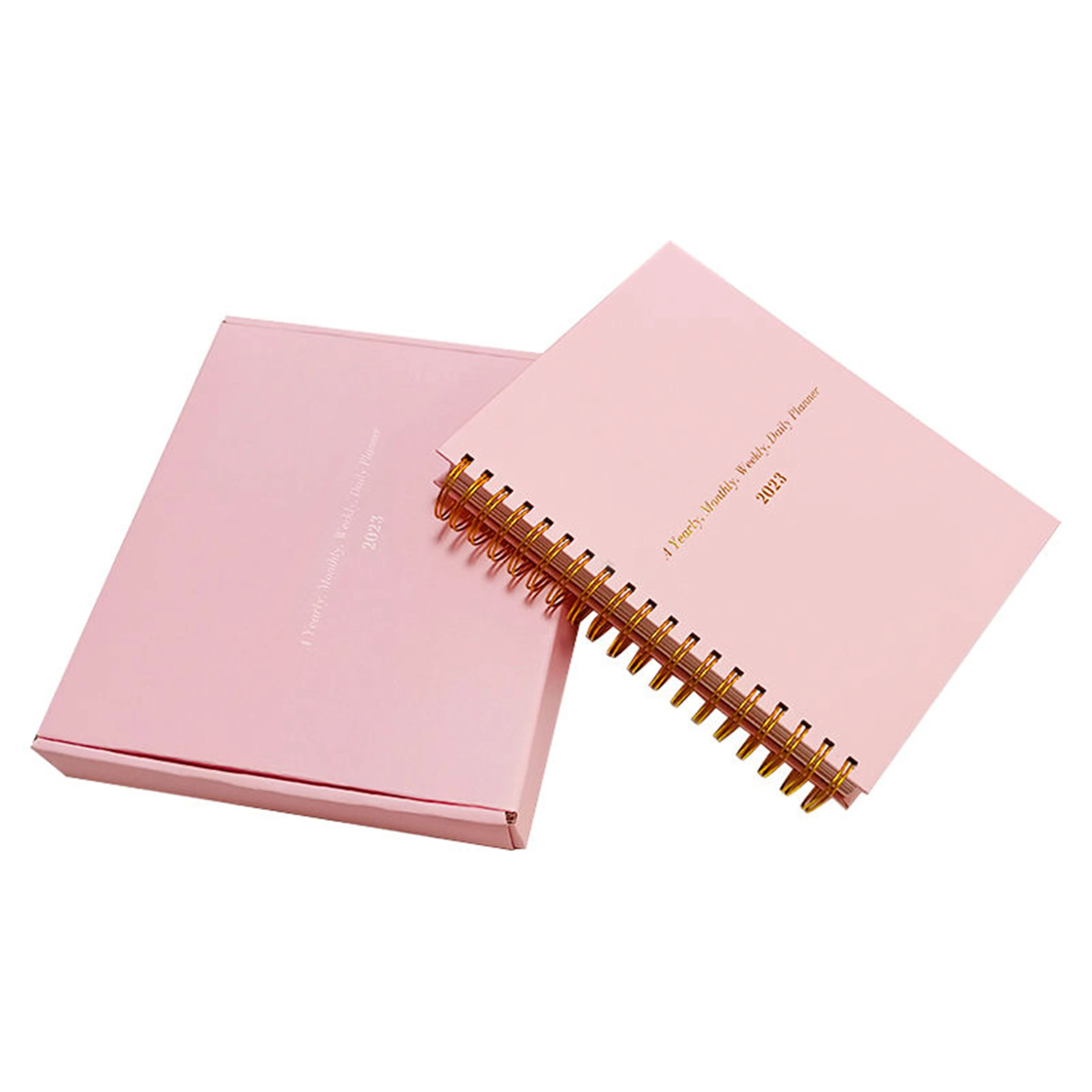
An efficient planner serves as the cornerstone of productivity and personal achievement, transforming chaotic schedules into structured pathways toward success. The scientific approach to designing an efficient planner involves understanding cognitive psychology, time management principles, and behavioral patterns that influence human productivity. When properly designed, an efficient planner becomes more than just a scheduling tool—it becomes a comprehensive system that integrates time blocking, task prioritization, and goal tracking into a cohesive framework. The key to creating such a system lies in understanding how the brain processes information and responds to visual cues, organizational structures, and reward mechanisms that sustain long-term engagement.
The Science Behind Effective Time Block Architecture
Cognitive Load Theory and Time Segmentation
The foundation of any efficient planner begins with understanding cognitive load theory, which explains how the human brain processes and manages information. Research demonstrates that individuals can effectively focus on limited tasks simultaneously, making time blocking an essential component of productive planning systems. An efficient planner must incorporate time blocks that align with natural attention spans, typically ranging from 25 to 90 minutes depending on the complexity of tasks. The visual representation of these time blocks should utilize clear boundaries, distinct color coding, and sufficient white space to prevent cognitive overwhelm while maintaining clarity and accessibility.
Scientific studies reveal that the brain operates most effectively when tasks are grouped by similarity and energy requirements, suggesting that an efficient planner should categorize time blocks according to mental, physical, and creative demands. Morning hours typically correspond with peak cognitive performance for analytical tasks, while afternoon periods may be better suited for routine activities and administrative work. Evening time blocks can be reserved for reflection, planning, and creative pursuits that benefit from reduced external distractions and increased introspective focus.
Neurological Patterns and Productivity Cycles
Understanding circadian rhythms and individual chronotypes is crucial for designing an efficient planner that maximizes personal productivity patterns. Research indicates that individuals have distinct biological clocks that influence alertness, creativity, and decision-making capabilities throughout the day. An effective planner design should accommodate these natural variations by providing flexible time blocking templates that can be customized according to personal energy cycles and peak performance windows.
The layout should incorporate visual indicators that help users identify their optimal working periods and align demanding tasks with high-energy intervals. This scientific approach to time allocation significantly improves task completion rates and reduces the mental fatigue associated with fighting against natural biological rhythms. The efficient planner design should include space for tracking energy levels, mood patterns, and productivity metrics to enable continuous optimization of scheduling decisions.
Task List Organization and Prioritization Systems
The Psychology of Task Hierarchy
An efficient planner must incorporate scientifically-backed prioritization methodologies that help users distinguish between urgent, important, and routine tasks. The Eisenhower Matrix principle provides a foundation for categorizing tasks based on urgency and importance, while the Getting Things Done methodology offers insights into capturing, clarifying, and organizing actionable items. The physical layout of task lists within an efficient planner should reflect these hierarchical relationships through visual design elements such as different font sizes, color coding, and spatial arrangements that guide the eye toward high-priority items.
Research in behavioral psychology suggests that task completion generates dopamine releases that reinforce productive behaviors, indicating that an efficient planner should include mechanisms for celebrating small wins and tracking progress toward larger objectives. The design should incorporate checkbox systems, progress bars, or completion percentages that provide immediate visual feedback and maintain motivation throughout extended project timelines. This psychological reinforcement system transforms routine planning activities into engaging experiences that sustain long-term usage patterns.
Cognitive Categorization and Mental Models
The human brain naturally categorizes information into mental models that facilitate quick decision-making and pattern recognition. An efficient planner should leverage these cognitive tendencies by organizing task lists according to context, energy requirements, time constraints, and outcome significance. Categories might include administrative tasks, creative projects, communication activities, and personal development initiatives, each with distinct visual treatments and organizational structures.
Scientific research demonstrates that context switching between different types of tasks creates cognitive overhead that reduces overall efficiency. An efficient planner should minimize this overhead by grouping similar tasks together and providing clear transition periods between different activity categories. The layout should include dedicated sections for each task type, with appropriate spacing and visual separators that help users maintain focus and reduce mental switching costs.
Goal-Tracking Module Design and Implementation
SMART Criteria Integration
The most effective goal-tracking systems within an efficient planner incorporate the SMART criteria—Specific, Measurable, Achievable, Relevant, and Time-bound—into their structural design. Each goal entry should include fields or prompts that encourage users to define these parameters explicitly, transforming vague aspirations into concrete action plans. The layout should provide adequate space for detailed descriptions, milestone definitions, success metrics, and deadline specifications that support comprehensive goal development.
Research indicates that written goals are significantly more likely to be achieved than mental commitments, emphasizing the importance of providing structured spaces for goal documentation within an efficient planner. The design should include progress tracking elements such as percentage completion indicators, milestone checklists, and reflection prompts that encourage regular assessment and course correction. Visual progress indicators tap into psychological reward systems that maintain motivation during challenging periods and celebrate achievements along the journey toward goal completion.
Behavioral Change and Habit Formation
Scientific studies reveal that habit formation requires consistent repetition, environmental cues, and reward systems that reinforce desired behaviors over time. An efficient planner should incorporate habit tracking modules that support the development of productive routines through visual monitoring and progress documentation. The design should include daily habit checkboxes, weekly reflection spaces, and monthly review sections that help users identify patterns, obstacles, and opportunities for improvement.
The layout should recognize that different types of goals require different tracking approaches, with some focusing on frequency and consistency while others emphasize milestone achievement and outcome measurement. An efficient planner design should accommodate both approaches through flexible templates and customizable tracking systems that adapt to individual goal types and personal preferences. This adaptability ensures long-term engagement and prevents the abandonment that often occurs with rigid, one-size-fits-all planning systems.
Integration Strategies for Holistic Planning
Cross-Reference Systems and Connectivity
An efficient planner achieves maximum effectiveness when its components work together seamlessly, creating a integrated system rather than isolated modules. The design should incorporate cross-reference systems that connect time blocks with specific tasks and link daily activities to long-term goals. Visual connectors, reference numbers, or color coding can help users understand the relationships between different planning elements and maintain alignment between immediate actions and broader objectives.
The scientific principle of systems thinking suggests that understanding interconnections and feedback loops improves decision-making and resource allocation. An efficient planner should reflect these principles through layout designs that make relationships visible and encourage users to consider how changes in one area affect other aspects of their planning system. This holistic approach prevents the compartmentalization that can lead to conflicting priorities and wasted effort on misaligned activities.
Feedback Loops and Continuous Improvement
Research in organizational psychology demonstrates that feedback systems significantly improve performance by providing information about progress, identifying areas for improvement, and reinforcing successful strategies. An efficient planner should incorporate regular review cycles that encourage users to assess their planning effectiveness and make systematic improvements to their organizational approaches. Weekly and monthly review sections should prompt users to analyze their successes, challenges, and lessons learned.
The design should include space for capturing insights about personal productivity patterns, effective strategies, and areas requiring adjustment. This reflective component transforms the efficient planner from a static organizational tool into a dynamic learning system that evolves with user needs and circumstances. The feedback loop creates a cycle of continuous improvement that enhances the planner's effectiveness over time and develops user skills in self-management and strategic thinking.
FAQ
What makes a planner scientifically efficient compared to traditional planning methods
A scientifically efficient planner incorporates research-based principles from cognitive psychology, behavioral science, and productivity studies to optimize human performance. Unlike traditional planners that simply provide blank spaces for scheduling, an efficient planner uses evidence-based design elements such as time blocking aligned with attention spans, prioritization systems based on cognitive load theory, and goal-tracking modules that leverage habit formation research. The scientific approach considers how the brain processes information, responds to visual cues, and maintains motivation over time.
How should time blocks be sized and arranged for optimal productivity
Research suggests that time blocks should vary between 25 and 90 minutes depending on task complexity and individual attention spans. An efficient planner should provide flexibility in block sizing while maintaining consistent visual structure. Morning blocks can be longer for deep work activities, while afternoon blocks might be shorter to accommodate natural energy fluctuations. The arrangement should group similar tasks together to minimize context switching and include buffer periods between different activity types to prevent cognitive fatigue and maintain sustainable productivity levels.
What psychological principles should guide task list organization
Task list organization in an efficient planner should leverage the Eisenhower Matrix for prioritization, dopamine reward systems for motivation, and cognitive categorization principles for mental efficiency. Tasks should be grouped by context, energy requirements, and importance levels using visual design elements that guide attention toward high-priority items. The system should include completion tracking mechanisms that provide psychological rewards and maintain engagement throughout project timelines while minimizing cognitive overhead through clear categorization and logical arrangement.
How can goal-tracking modules effectively support long-term achievement
Effective goal-tracking modules in an efficient planner should integrate SMART criteria into their structure, provide regular progress monitoring opportunities, and include habit formation support systems. The design should accommodate different goal types through flexible tracking templates while maintaining consistent visual feedback systems. Regular review cycles, milestone celebrations, and course correction opportunities help maintain motivation and alignment with changing circumstances. The key is creating a balance between structured accountability and adaptive flexibility that sustains long-term engagement with personal development objectives.