 EN
EN

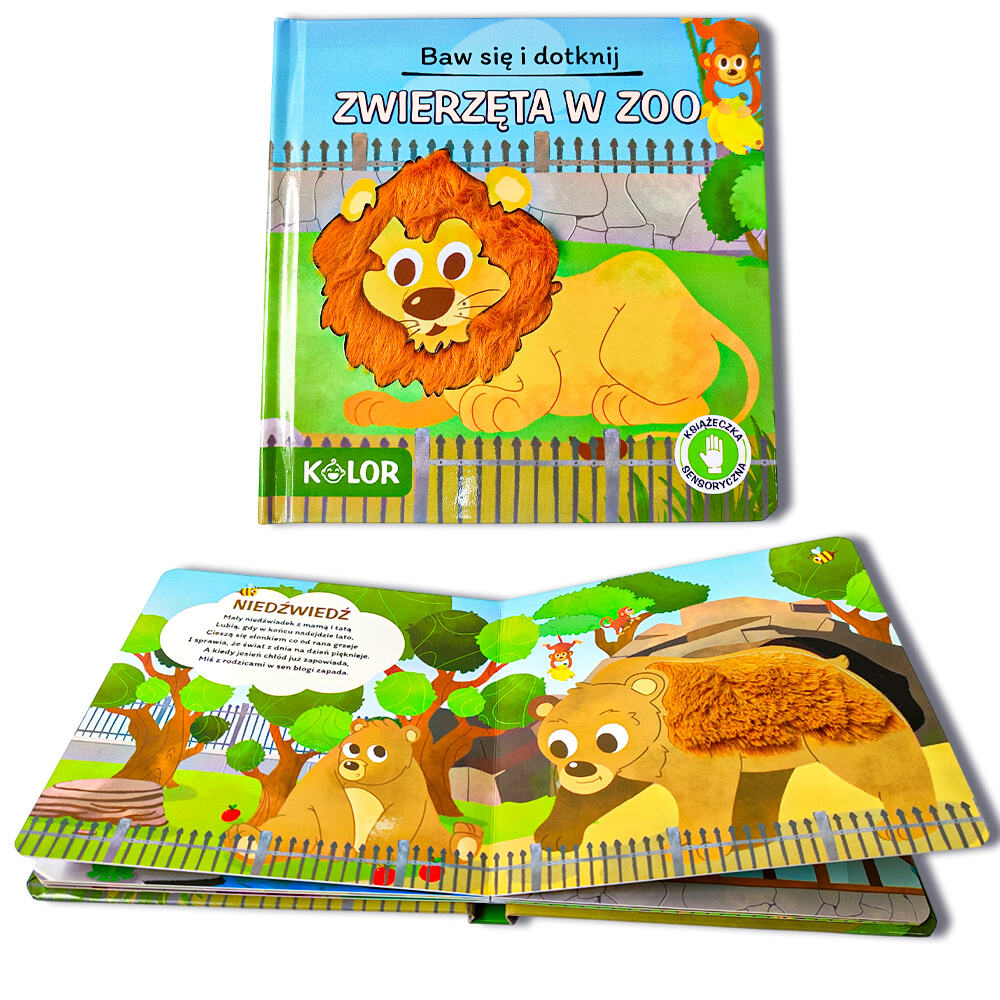
Publishing a book represents a significant investment of time, creativity, and financial resources, making the selection of the right production partner one of the most critical decisions in the entire publishing process. Whether you are an independent author, a small publishing house, or a content creator looking to bring your manuscript to life, understanding the tangible advantages of working with a professional book printing factory can transform your publication from a simple idea into a market-ready product that stands out on shelves and in readers' hands. A book printing factory offers far more than just ink on paper—it provides comprehensive manufacturing expertise, quality assurance systems, cost efficiency through economies of scale, and technical capabilities that dramatically impact both the aesthetic appeal and commercial viability of your finished publication.

The decision to partner with an established book printing factory rather than attempting smaller-scale production or working with general print shops fundamentally shapes your publication's quality, production timeline, per-unit cost structure, and ultimate market positioning. Professional book printing facilities bring specialized equipment designed specifically for book manufacturing, experienced production teams who understand the nuances of binding methods and paper selection, and established quality control protocols that ensure consistency across thousands of copies. This article examines the concrete benefits that professional book printing factories deliver to publishers and authors, exploring how these specialized manufacturing partnerships create measurable value across production quality, financial efficiency, technical capability, market timing, and long-term publishing success.
Superior Production Quality and Manufacturing Consistency
Advanced Equipment and Specialized Book Production Technology
Professional book printing factories maintain equipment specifically engineered for book manufacturing that delivers quality levels unattainable through general printing operations. These facilities invest in high-resolution offset presses or digital printing systems calibrated for the precise color accuracy and image sharpness that book content demands. Unlike general commercial printers who handle diverse projects, a dedicated book printing factory configures its entire production line around the unique requirements of book manufacturing, from cover lamination systems to precision binding equipment. This specialization translates directly into sharper text reproduction, more vibrant image printing, and consistent color matching across entire print runs. The technological infrastructure found in professional facilities includes automated quality monitoring systems that detect printing inconsistencies in real-time, ensuring that every copy meets established specifications without the variation that often plagues smaller production operations.
The binding capabilities available at a professional book printing factory represent another critical quality advantage. These facilities offer multiple binding options including perfect binding, case binding for hardcovers, saddle-stitch for magazines, and specialty binding methods that general printers simply cannot execute. Each binding method requires specific machinery, technical knowledge, and quality control protocols that specialized factories have refined through years of focused production. When you partner with a book printing factory, you gain access to binding technologies that ensure pages remain securely attached through repeated readings, covers maintain their shape and appearance over time, and the finished product delivers the tactile quality that readers expect from professionally published books. This attention to binding integrity directly impacts reader satisfaction and the perceived value of your publication in competitive markets.
Rigorous Quality Control Systems and Production Standards
Established book printing factories implement comprehensive quality assurance protocols that monitor production quality at multiple checkpoints throughout the manufacturing process. These systems begin with pre-production file reviews where experienced technicians examine your digital files for potential printing issues, resolution problems, or formatting errors that could compromise the final product. During production, professional facilities conduct regular press checks to verify color accuracy, registration precision, and print consistency, making immediate adjustments when variations are detected. This proactive quality management approach prevents the production of defective copies and ensures that your entire print run maintains uniform excellence. The quality control infrastructure at a professional book printing factory typically includes calibrated color measurement tools, automated inspection systems, and final product audits that catch defects before books leave the facility.
The consistency achieved through professional quality control systems becomes particularly valuable for publications requiring multiple print runs or editions. A reputable book printing factory maintains detailed production specifications and color profiles for each project, enabling them to replicate exact results when you order additional copies months or years later. This consistency ensures that books printed in different production runs appear identical when placed side by side, maintaining brand integrity and reader expectations across your publication's entire lifecycle. For publishers managing series or periodicals, this reproducibility eliminates the quality variation that can damage brand perception and reader trust. Professional facilities also provide production samples and press proofs before committing to full print runs, allowing you to verify quality and make adjustments before incurring the cost of complete production.
Cost Efficiency Through Economies of Scale and Streamlined Production
Volume-Based Pricing Advantages and Per-Unit Cost Reduction
One of the most compelling financial benefits of partnering with a book printing factory emerges from the economies of scale these facilities achieve through specialized, high-volume production. Professional factories spread their substantial equipment investments, facility overhead, and operational costs across large production volumes, resulting in significantly lower per-unit costs compared to smaller print operations. When you place orders with a dedicated book printing factory, you benefit from pricing structures that reflect these efficiencies, particularly as your order quantity increases. The difference in per-book cost between printing one hundred copies and printing one thousand copies can be dramatic, with larger quantities often reducing unit costs by fifty percent or more. This pricing dynamic makes professional factories particularly advantageous for authors and publishers committed to adequate inventory levels that support effective distribution and marketing strategies.
Beyond raw printing costs, professional book printing factories deliver additional financial value through reduced waste and more efficient material utilization. These facilities purchase paper, ink, and binding materials in bulk quantities at negotiated rates that individual publishers cannot access independently. They also optimize material usage through sophisticated planning systems that minimize waste during setup and production. The financial benefit extends to reduced shipping and logistics costs as well, since professional factories typically have established relationships with freight carriers and can consolidate shipments more efficiently than smaller operations. When evaluating the true cost of book production, working with a professional book printing factory often delivers total project costs substantially lower than alternative approaches, even when their quoted per-unit prices might initially appear comparable to other options.
Reduced Project Management Burden and Hidden Cost Elimination
Professional book printing factories streamline the production process in ways that eliminate many hidden costs associated with book manufacturing. These facilities offer comprehensive project management services that coordinate all production phases from file preparation through final delivery, reducing the time and expertise you must dedicate to overseeing technical details. When you partner with an experienced book printing factory, you avoid the costly trial-and-error learning curve that often accompanies first-time book production, where mistakes in file preparation, material selection, or binding specifications can result in unusable products and wasted investment. Professional facilities provide technical guidance throughout the process, helping you make informed decisions about paper weight, cover finishes, and binding methods that optimize both quality and cost-effectiveness for your specific publication.
The consolidated service model offered by book printing factories also eliminates coordination costs associated with managing multiple vendors. Rather than separately contracting printing services, binding operations, and finishing work with different providers, you work with a single partner who manages the entire production workflow internally. This integration reduces communication complexity, eliminates handoff delays between production stages, and provides a single point of accountability for project outcomes. The time savings alone represent significant value, particularly for publishers managing multiple titles or operating with limited staff resources. Additionally, professional factories typically offer warehousing and fulfillment services that eliminate the need for you to manage inventory storage and distribution logistics independently, further reducing operational complexity and associated costs.
Technical Expertise and Comprehensive Production Capabilities
Specialized Knowledge in Paper Selection and Material Optimization
The material expertise available at a professional book printing factory provides tremendous value in optimizing your publication's physical characteristics for both reader experience and production cost. Experienced production staff at these facilities understand the nuanced relationships between paper weight, opacity, texture, and printing techniques, enabling them to recommend materials that achieve your quality objectives while controlling costs. Different book genres and reader expectations require different material approaches—a photography book demands heavy, high-gloss paper that showcases images with maximum impact, while a novel typically uses lighter uncoated paper that reduces weight and production cost while providing comfortable readability. Professional book printing factories maintain relationships with multiple paper suppliers and stock diverse paper options, giving you access to materials specifically engineered for book production rather than general printing applications.
This material expertise extends beyond interior pages to cover construction and finishing options that dramatically impact your book's market appeal. Professional facilities can advise on cover stock weights that provide appropriate rigidity without excessive bulk, lamination options that protect covers while enhancing visual appeal, and specialty finishes like spot UV coating or embossing that create premium tactile experiences. The technical knowledge concentrated in a book printing factory helps you navigate the complex trade-offs between aesthetic appeal, durability, production cost, and shipping weight—all factors that influence both your profit margin and reader satisfaction. By leveraging this expertise, you avoid costly mistakes like selecting paper that shows excessive ink bleed-through or choosing cover materials that crack along the spine after minimal handling.
Diverse Binding Options and Custom Finishing Capabilities
Professional book printing factories offer binding versatility that allows you to select the most appropriate method for your publication's format, page count, and intended use. Perfect binding, which creates the square spine common in paperback books, works well for publications with page counts between one hundred and three hundred pages and delivers a professional appearance at reasonable cost. Case binding, used for hardcover books, provides superior durability and premium positioning but requires more complex manufacturing processes and materials. A comprehensive book printing factory maintains equipment and expertise for multiple binding methods, enabling you to choose the option that best aligns with your publication's market positioning and reader expectations. This flexibility ensures you are not limited by a vendor's equipment constraints but can instead select binding approaches based purely on what serves your publication best.
Beyond standard binding methods, professional facilities offer custom finishing capabilities that differentiate your publication in crowded markets. These options include ribbon bookmarks sewn into hardcover bindings, headbands that provide polished finish to book spines, decorative endpapers that enhance the reading experience, and custom slip cases that create premium gift-worthy presentations. A book printing factory with comprehensive capabilities can also execute specialty techniques like foil stamping, embossing, or debossing on covers, creating distinctive tactile and visual elements that command attention on bookstore shelves or online product listings. These finishing options transform standard publications into distinctive products that justify premium pricing and create memorable reader experiences. The ability to access these specialized capabilities through a single production partner simplifies the creative process and ensures all elements integrate seamlessly in the finished product.
Faster Time-to-Market and Production Reliability
Streamlined Production Workflows and Predictable Timelines
Professional book printing factories operate optimized production workflows that significantly compress the time required to transform approved files into finished books. These facilities schedule production across multiple shifts, maintain backup equipment to prevent delays from mechanical failures, and employ experienced crews who execute tasks efficiently without the learning curve that slows less specialized operations. When you partner with an established book printing factory, you benefit from predictable production timelines that allow you to coordinate marketing launches, distribution arrangements, and sales campaigns with confidence. The ability to accurately forecast when finished books will be available for shipment provides strategic advantages in capitalizing on market opportunities, seasonal buying patterns, or publicity events tied to your publication.
The production reliability offered by professional facilities extends beyond speed to encompass consistency in meeting committed delivery dates. Reputable book printing factories build buffer time into their schedules to accommodate unexpected challenges and maintain contingency plans that prevent minor issues from derailing entire projects. This reliability becomes particularly valuable for publishers operating under firm deadlines associated with book fairs, author events, or retail distribution agreements where delayed delivery carries significant financial and reputational consequences. The operational maturity of a professional book printing factory means they have encountered and developed solutions for the full range of production challenges, reducing the risk that your project will become a learning experience for an inexperienced vendor. This predictability allows you to commit to promotional activities and distribution arrangements with confidence that your books will be available when promised.
Scalability for Rush Orders and Production Flexibility
The production capacity available at professional book printing factories provides flexibility to accommodate both standard timelines and expedited production when circumstances demand faster turnaround. These facilities maintain sufficient equipment and staffing to handle rush orders without compromising quality, though premium pricing typically applies to compressed schedules. The ability to access expedited production becomes valuable when market opportunities emerge unexpectedly, when initial print runs sell faster than anticipated, or when promotional events create sudden demand for additional inventory. A professional book printing factory can often produce and deliver rush orders in timeframes measured in days rather than weeks, providing responsive support that keeps your publication available during critical sales windows.
This scalability extends to handling variable order volumes across your publication's lifecycle. During launch phases when demand is uncertain, you might place conservative initial orders to manage risk. As your book gains market traction, a professional book printing factory can quickly scale production to fulfill reorders without requiring you to commit to massive inventories upfront. This flexibility supports more agile publishing strategies where you can test market response with initial runs before committing to larger investments. The production capacity and responsiveness of a professional facility essentially provides on-demand manufacturing capability that aligns production closely with actual sales patterns, reducing both inventory risk and the opportunity cost of stockouts during demand peaks.
Long-Term Partnership Value and Strategic Publishing Support
Consistent Quality Across Multiple Projects and Print Runs
Establishing an ongoing relationship with a professional book printing factory creates continuity benefits that accumulate across multiple projects. Once a facility has produced your first book, they maintain your production specifications, color profiles, and quality preferences in their systems, making subsequent projects more efficient and consistent. This institutional knowledge eliminates repeated setup processes and ensures that books in a series maintain visual consistency even when printed months or years apart. For publishers building catalogs of multiple titles, working consistently with the same book printing factory creates operational efficiency and brand consistency that would be difficult to achieve by switching between vendors for different projects. The relationship continuity also enables the factory staff to anticipate your preferences and proactively suggest improvements based on their growing understanding of your quality standards and market positioning.
The value of consistent partnership extends to preferential treatment during peak production periods when many facilities face capacity constraints. Publishers who have established relationships with a book printing factory often receive priority scheduling and more flexible accommodation during busy seasons when new customers might face extended lead times. This preferential access can provide competitive advantages in bringing publications to market during high-demand periods without the extended delays that affect publishers working with unfamiliar vendors. Long-term partnerships also typically yield improved pricing as factories reward consistent customers with volume discounts and preferential rates that reflect the reduced acquisition costs and relationship trust built over time.
Access to Industry Insights and Publishing Trend Guidance
Professional book printing factories serve diverse publishers across multiple market segments, providing them with broad visibility into publishing trends, emerging formats, and reader preferences. When you partner with an established facility, you gain access to these market insights that can inform your own publishing decisions. Experienced production managers at book printing factories can advise on trending trim sizes, popular cover finishes, and material choices that resonate with readers in specific genres. This market intelligence helps you make informed decisions about how to position your publications for maximum appeal without investing in expensive market research independently. The cross-pollination of ideas from a factory's diverse client base can inspire creative approaches to book design and production that differentiate your publications from competitors.
Additionally, professional book printing factories often invest in new production technologies and capabilities in response to evolving market demands, giving their partners early access to innovative manufacturing options. As reader preferences shift toward more sustainable materials, enhanced personalization, or interactive elements, established factories upgrade their capabilities to serve these emerging needs. By maintaining relationships with forward-thinking production partners, you position yourself to quickly adopt new formats or production techniques that create competitive advantages. This strategic dimension of partnership with a professional book printing factory extends your relationship beyond transactional production services into a collaborative arrangement that supports your long-term publishing success and market adaptability.
FAQ
How does working with a book printing factory differ from using local print shops?
Book printing factories specialize exclusively in book manufacturing with equipment, materials, and expertise specifically designed for producing bound publications. Local print shops typically handle diverse printing projects from business cards to posters, lacking the specialized binding equipment and book-specific knowledge that professional factories maintain. Factories offer dedicated binding systems, book-grade paper options, and production workflows optimized for book manufacturing that deliver superior quality and consistency compared to general print shops. Additionally, factories achieve economies of scale that result in significantly lower per-unit costs for quantities exceeding a few hundred copies, while providing access to specialty finishes and binding options unavailable at general printing facilities.
What minimum order quantities do book printing factories typically require?
Minimum order quantities vary significantly between facilities and production methods, with digital printing enabling runs as small as fifty to one hundred copies while offset printing typically requires minimums of five hundred to one thousand copies to achieve cost efficiency. Many professional book printing factories offer both digital and offset capabilities, allowing you to select the production method that best aligns with your quantity needs and budget constraints. Digital printing provides flexibility for smaller runs and test editions, while offset printing delivers lower per-unit costs for larger quantities. When evaluating minimum orders, consider that economies of scale in book production mean that per-copy costs decrease substantially as quantities increase, often making slightly larger orders more cost-effective than printing exactly your minimum anticipated need.
How far in advance should I contact a book printing factory before my desired publication date?
Standard production timelines at professional book printing factories typically range from two to four weeks for straightforward projects, though this varies based on binding complexity, page count, and current production schedules. To ensure adequate time for file preparation, proofing, production, and shipping, contacting a factory six to eight weeks before your target availability date provides comfortable margin for the complete process. This timeline allows for pre-production consultations about materials and specifications, review of printed proofs before committing to full production, and accommodation of any unexpected delays. For projects with firm deadlines tied to events or promotional campaigns, initiating contact even earlier—ten to twelve weeks in advance—provides additional security. Many factories offer rush production services for premium fees when compressed timelines are unavoidable, though standard scheduling generally yields better pricing and reduced stress throughout the production process.
Can book printing factories help with file preparation and design specifications?
Professional book printing factories typically provide comprehensive technical support for file preparation, including detailed specification sheets that outline required file formats, resolution standards, color space requirements, and bleed allowances. Many facilities offer pre-flight services where their production staff reviews your submitted files and identifies potential printing issues before production begins, preventing costly errors. Some factories maintain in-house design teams or partnerships with book designers who can assist with file preparation, cover design, or layout optimization for an additional fee. Even when factories do not provide design services directly, their production managers can answer technical questions about specifications and recommend adjustments that optimize your files for their specific equipment and production processes, ensuring the best possible reproduction quality for your publication.
Table of Contents
- Superior Production Quality and Manufacturing Consistency
- Cost Efficiency Through Economies of Scale and Streamlined Production
- Technical Expertise and Comprehensive Production Capabilities
- Faster Time-to-Market and Production Reliability
- Long-Term Partnership Value and Strategic Publishing Support
-
FAQ
- How does working with a book printing factory differ from using local print shops?
- What minimum order quantities do book printing factories typically require?
- How far in advance should I contact a book printing factory before my desired publication date?
- Can book printing factories help with file preparation and design specifications?